So, you're looking to run an esports event in 2025? Awesome! But before you jump into planning, you really need to get a handle on the IeSPA event license rules. These licenses are super important for making sure your event is official and follows all the right guidelines. It can seem a bit confusing at first, but don't worry, we're going to walk through everything you need to know to get your IeSPA event license sorted for next year. Let's make sure your event is a big success!
Understanding IeSPA Event License Fundamentals
The IeSPA (International eSports and Streaming Protection Association) event license sets the groundwork for legally hosting and broadcasting live events, especially those involving digital or streamed content. This license defines the rights, obligations, and protections for organisers, covering aspects like content usage, broadcasting permissions, and anti-piracy measures. By understanding the fundamentals of the IeSPA license, organisers can ensure compliance, safeguard their events from legal risks, and build trust with both partners and audiences.
Defining IeSPA event licenses
So, what exactly is an IeSPA event license? Basically, it's the official permission slip you need to host any kind of esports event that falls under the IeSPA's jurisdiction. Think of it like this: if you're running a local League of Legends tournament in your town, or a big Dota 2 competition with cash prizes, you'll probably need one of these. It ensures that the event meets certain standards of fairness, safety, and professionalism. Without it, you could face some serious consequences.
Key components of a valid license
Okay, so you know you need a license. But what makes it valid? There are a few things to keep in mind:
- Event Details: The license will specify the exact details of your event, including the game being played, the dates, the location, and the expected number of participants
- Organizer Information: It will also include information about you, the event organizer, and your team. IeSPA needs to know who's responsible
- Compliance Agreements: You'll have to agree to follow IeSPA's rules and regulations, which cover everything from player conduct to prize distribution
- Fees and Payments: Of course, there's a fee involved. The amount will vary depending on the size and scope of your event
Why an IeSPA license is crucial
Why bother with all this hassle? Well, there are several good reasons. First and foremost, it's about legitimacy. An IeSPA license shows that your event is recognized and approved by a reputable organization. This can attract more players, sponsors, and viewers. Second, it helps protect players and ensure fair play. IeSPA has rules in place to prevent cheating, exploitation, and other forms of misconduct. Finally, it's about avoiding legal trouble. Running an unlicensed event could result in fines, lawsuits, or even a ban from future IeSPA activities.
Getting an IeSPA license isn't just about following the rules; it's about building trust and credibility within the esports community. It shows that you're committed to running a professional and ethical event, which benefits everyone involved.
Navigating the 2025 IeSPA Application Process

The 2025 IeSPA application process requires organisers to submit updated documentation, meet compliance standards, and follow new timelines. Understanding these steps early helps ensure a smooth approval and prevents unnecessary delays.
Step by step application guide
Okay, so you want to run an esports event. Great! But first, you gotta jump through some hoops with IeSPA. The application process might seem scary, but it's really just a bunch of steps. First, head over to the IeSPA website and create an account. Make sure you use a real email address because they'll send you a confirmation link. After that, you'll need to fill out the online application form. This is where you'll provide all the details about your event, like the game you're featuring, the venue, dates, and expected attendance. Double-check everything before you submit! Once you've submitted the form, you'll probably have to wait a bit for them to review it. They might ask for more info, so keep an eye on your email. If all goes well, they'll approve your application, and you can move on to paying the license fee.
Required documentation for IeSPA approval
IeSPA wants to make sure your event is legit, so they need some paperwork. You'll definitely need proof of insurance, covering things like liability and cancellation. A detailed event plan is a must, outlining everything from security to emergency procedures. You'll also need to provide a budget, showing how you plan to finance the event and handle prize money. Depending on the game, you might need permission from the game publisher. And don't forget a copy of the venue agreement! Here's a quick list:
- Proof of Insurance
- Detailed Event Plan
- Event Budget
- Venue Agreement
- Game Publisher Permission (if required)
Common pitfalls to avoid during application
Applying for an IeSPA license isn't always smooth sailing. One big mistake is not reading the instructions carefully. People often skip over important details and then wonder why their application gets rejected. Another common issue is providing incomplete or inaccurate information. Make sure everything you submit is correct and up-to-date. Forgetting to include required documents is another easy way to get delayed. And finally, don't wait until the last minute to apply! Give yourself plenty of time to gather all the necessary information and complete the application process. IeSPA needs to communicate further with KEMENPORA, KOI, and KONI regarding its position within the sports organizations it oversees, especially concerning eSports competitions.
It's easy to get overwhelmed by the application process, but breaking it down into smaller steps can make it much more manageable. Don't be afraid to ask for help if you're unsure about something. IeSPA usually has resources available to assist applicants.
Compliance and Regulatory Frameworks for IeSPA Events
IeSPA events operate under strict compliance and regulatory frameworks designed to protect both organisers and rights holders. These rules cover licensing, content distribution, and anti-piracy measures, ensuring events meet international standards. Staying aligned with these frameworks is essential for organisers who want to avoid penalties and maintain professional credibility.
Adhering to IeSPA standards
Running an IeSPA-sanctioned event means you've got to play by their rules. IeSPA standards cover everything from player conduct to technical specifications. It's not just about avoiding penalties; it's about creating a fair and professional environment for everyone involved. Think of it like this: IeSPA sets the stage, and you make sure the show goes on without a hitch. Following these standards is non-negotiable for maintaining your license and the integrity of the event.
Legal obligations for event organizers
Beyond IeSPA's rules, there's a whole world of legal stuff to consider. We're talking about things like:
- Contracts with players and sponsors
- Liability insurance to cover accidents
- Permits for using the venue
- Compliance with local gambling laws (especially if there's betting involved)
Ignoring these legal obligations can lead to serious consequences, including fines, lawsuits, and even criminal charges. It's always a good idea to consult with a lawyer who specializes in event management to make sure you're covered
Ensuring fair play and integrity
Fair play is the heart of any esports event. This means:
- Strict rules against cheating and match-fixing
- Independent referees to oversee matches
- Transparent procedures for handling disputes
- Robust security measures to prevent unauthorized access to game servers
Here's a simple table illustrating potential penalties for breaches of fair play:
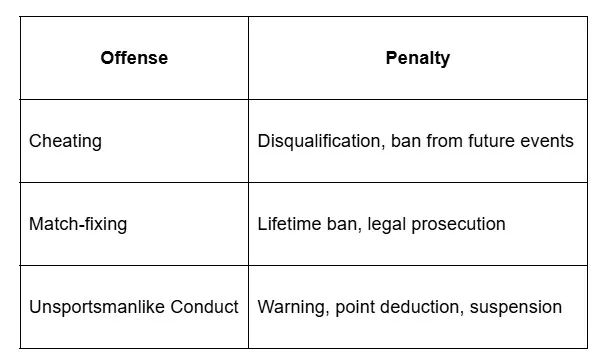
It's up to the event organizer to create a system that promotes fair competition and protects the integrity of the games. This not only protects the players but also maintains the trust of the audience and sponsors.
Financial Considerations for IeSPA Event Licenses
When planning for an IeSPA event license, organisers need to think beyond the initial fee. Ongoing costs like renewals, compliance, and technical safeguards should also be part of the budget to keep the event financially sustainable.
Understanding license fees and costs
Okay, so let's talk money. Getting an IeSPA license isn't free, obviously. The fees can vary a lot depending on a few things. Think about the size of your event, a small local tournament is way cheaper than a huge national championship. The specific game you're featuring also matters; some titles have higher licensing costs than others. And don't forget about potential add-ons or special permissions you might need. It's a good idea to get a detailed breakdown from IeSPA directly so you know exactly what you're paying for.
Budgeting for IeSPA compliance
Alright, so you know about the license fee itself, but that's not the whole story. You need to budget for compliance too. This means things like:
- Hiring legal help to make sure you're following all the rules
- Investing in technology to monitor fair play and prevent cheating
- Paying for insurance to cover any potential liabilities
- Setting aside money for unexpected costs or changes in regulations
Basically, don't just think about the license fee. Think about everything else you need to do to run a legit, IeSPA-compliant event. It adds up fast
Potential penalties for non-compliance
Ignoring IeSPA rules isn't a smart move. The penalties can be pretty harsh. We're talking about fines, of course, but it could also mean losing your license, getting banned from hosting future events, or even facing legal action. It's really not worth the risk. Make sure you understand the rules and follow them closely. Think of it like this: paying for scholarships now is way better than paying fines later.
Specific IeSPA License Requirements for Esports Titles
Esports titles often come with unique licensing requirements under IeSPA, since each game publisher sets its own rules for competitive and broadcast use. Organisers must align with both IeSPA standards and the publisher’s conditions, covering areas like prize pools, streaming rights, and sponsorship restrictions. Understanding these specifics helps ensure events remain compliant and fully authorised.
Dota 2 and league of legends event licensing
When you're planning a Dota 2 or League of Legends tournament, you've got to pay close attention to IeSPA's specific rules. These games often have larger player bases and bigger prize pools, which means the licensing can be a bit more involved. You'll need to provide detailed information about the tournament format, player eligibility, and how you plan to handle things like cheating or unsportsmanlike conduct. Make sure your application clearly outlines these aspects to avoid delays or rejections.
Mobile legends and free fire tournament regulations
Mobile Legends and Free Fire are huge, especially on mobile platforms, and IeSPA has specific guidelines for these too. Here's what you need to keep in mind:
- Age verification is super important, since these games often attract younger players
- You'll need to show you have a solid plan for parental consent if minors are involved
- The rules around in-game purchases and loot boxes need to be crystal clear to participants
Other popular esports game licensing nuances
Different games have different requirements, and it's not a one-size-fits-all situation. For example:
- Counter-Strike events might need extra security measures due to the game's content
- Valorant tournaments could have specific rules about character usage or map selections
- Overwatch events might require detailed broadcasting plans because of the game's visual complexity
It's always a good idea to check IeSPA's website or contact them directly to get the most up to date information for the specific game you're planning to feature. Regulations can change, and you don't want to get caught off guard
The Impact of Technology on IeSPA Event Licensing