Planning a big concert means you've got a lot of moving parts, and keeping track of all the money involved can get really complicated, really fast. You're dealing with tons of expenses, different income streams, and a need to make smart choices on the fly. That's where good event budgeting software comes in. Picking the right one can make a huge difference, helping you stay on track and avoid financial headaches. This guide will walk you through what to look for when choosing event budgeting software for those large-scale music events.
Key Takeaways
- Good event budgeting software helps you track money in real-time and manage all your finances in one place.
- For big concerts, the software needs to handle lots of ticket sales and different ways you make money, and it should be flexible enough to change as your event does.
- Make sure the software works well with your ticketing systems, marketing tools, and payment setups for vendors.
- The software should be easy for your team to use, and you should be able to get help if you run into problems.
- Always look closely at pricing plans, including any hidden fees, to make sure you're getting a good deal for your large event.
Understanding Core Features of Event Budgeting Software
When planning large-scale concerts, having the right event budgeting software is a game-changer. It's not just about tracking numbers; it's about having tools that can handle the unique financial complexities of such massive events. Let's look at some core features that are essential for success.
Real-Time Expense Tracking and Optimization
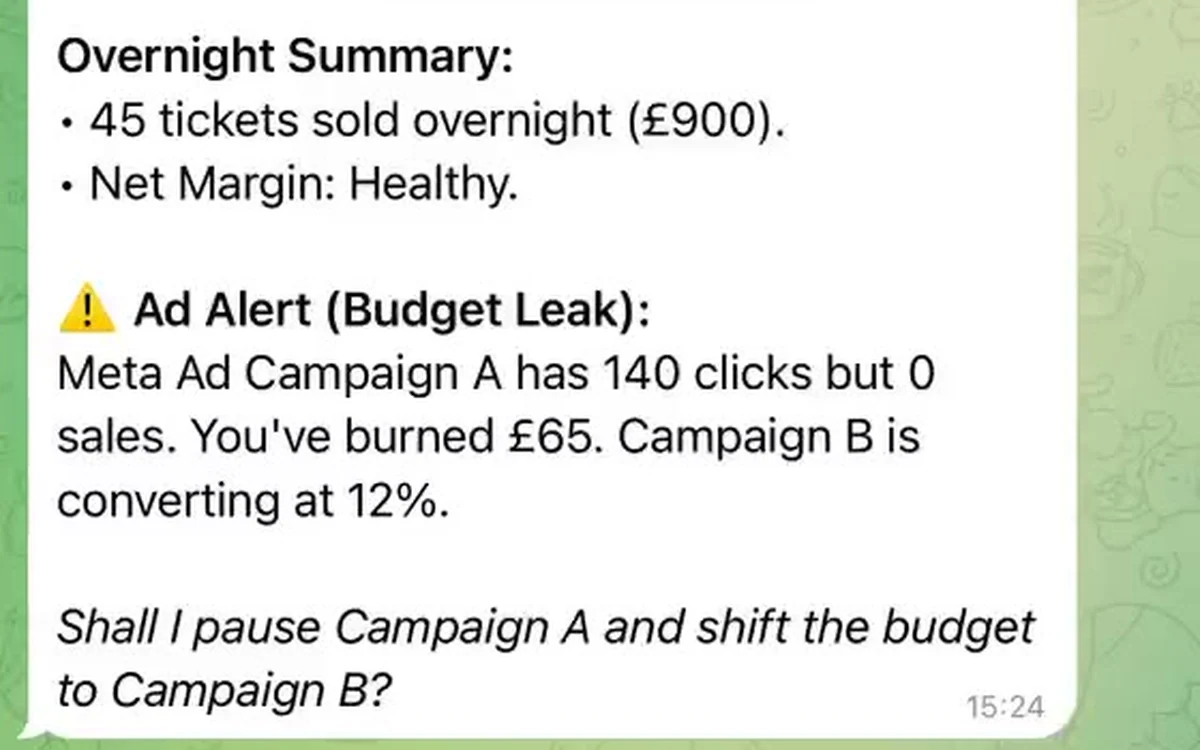
Real-time expense tracking is non-negotiable. You need to know where your money is going right now, not next week. This feature allows you to monitor expenses as they occur, helping you stay within budget and make immediate adjustments if needed. For example, if you see that security costs are exceeding projections, you can explore options to optimize staffing or renegotiate contracts. This level of visibility is what separates good budgeting software from great budgeting software. With event management software, you can easily track expenses in line with ticket sales to ensure you’re staying within your planned budget.
Integrated Financial Management Tools
Beyond basic expense tracking, integrated financial management tools are vital. This includes features like:
- Automated invoicing: Streamlining payments to vendors and suppliers.
- Budget forecasting: Predicting future expenses based on current trends.
- Payment processing: Handling ticket sales and other revenue streams efficiently.
- Reporting: Gaining insights into financial performance.
Having these tools integrated into a single platform reduces the risk of errors and saves time. It also provides a holistic view of your event's financial health. This is especially important when dealing with the diverse revenue streams associated with large concerts, such as ticket sales, merchandise, and sponsorships.
Customizable Reporting and Analytics
Generic reports won't cut it for large-scale concerts. You need customizable reporting and analytics that allow you to drill down into specific areas of interest. This might include:
- Ticket sales analysis: Identifying trends and patterns in ticket purchases.
- Expense breakdown: Understanding where the bulk of your budget is allocated.
- ROI analysis: Measuring the return on investment for different marketing campaigns.
Customizable reports let you tailor the data to your specific needs, providing actionable insights that can inform future event planning decisions. You can view historical attendance patterns, and leverage insights on marketing, budgeting, and day-of resource allocation.
By analyzing this data, you can make informed decisions about everything from pricing strategies to resource allocation, ultimately maximizing profitability and ensuring the success of your event.
Assessing Scalability for Large-Scale Concerts
Large-scale concerts present unique challenges when it comes to budgeting. It's not just about having enough money; it's about having a system that can grow with the event, handle unexpected surges, and provide accurate insights at every stage. The right event budgeting software needs to be more than just a spreadsheet, it needs to be a robust, adaptable tool.
Handling High Volume Ticket Sales
One of the biggest scalability tests is how the software handles ticket sales. A system that chokes under pressure during a ticket launch can cause major headaches. You need to ensure the software can process thousands of transactions simultaneously, track different ticket tiers (VIP, general admission, etc.), and integrate with your ticketing platform without a hitch. Real-time seat availability is also a must. Imagine the chaos if you oversell tickets! The software should automatically close registration when an event reaches maximum capacity.
Managing Diverse Revenue Streams
Concerts aren't just about ticket sales. Think about merchandise, food and beverage, sponsorships, and parking. Each of these represents a separate revenue stream that needs to be tracked and managed. The budgeting software needs to be flexible enough to accommodate these diverse sources and provide a consolidated view of overall revenue. It should also allow for easy allocation of funds to different departments or vendors based on these revenue streams. A failure to properly account for these streams can lead to inaccurate financial projections and missed opportunities.
Adapting to Evolving Event Needs
Event planning is rarely a static process. Things change, artists get sick, sponsors pull out, weather throws a wrench in the works. Your budgeting software needs to be adaptable enough to handle these changes. Can you easily adjust budgets on the fly? Can you run "what-if" scenarios to see how different changes will impact your bottom line? Flexibility is key.
A scalable system allows for quick adjustments to budgets, forecasts, and resource allocations as the event evolves. This adaptability is crucial for mitigating risks and maximizing profitability in the face of unforeseen circumstances.
Evaluating Integration Capabilities
For large-scale concerts, your event budgeting software can't exist in a silo. It needs to play well with other systems you're already using. Think of it as the central hub connecting all your event operations. The ability to integrate smoothly with other platforms is a game-changer for efficiency and accuracy.
Seamless Ticketing Platform Integration
Ticketing is the lifeblood of any concert. Your budgeting software must integrate with your ticketing platform. This integration should automatically pull in sales data, track revenue in real-time, and reconcile ticket sales against projected budgets. Without this, you're stuck with manual data entry, which is slow, error-prone, and a waste of time. Look for software that offers direct integrations with popular ticketing systems. This ensures that business planning is accurate and up-to-date.
Compatibility with Marketing and CRM Systems
Understanding your audience is key to a successful concert. Integrating your budgeting software with your marketing and CRM systems allows you to connect marketing spend with ticket sales and audience demographics. This gives you insights into which marketing campaigns are most effective and helps you tailor your budget for future events. You can track the cost per acquisition, identify high-value customer segments, and optimize your marketing efforts for maximum ROI. This also helps with sending automated reminders, and notifications to the right contacts.
Streamlining Vendor and Supplier Payments
Managing vendors and suppliers is a huge part of concert budgeting. Your software should simplify this process by allowing you to track invoices, manage payments, and reconcile expenses in one place. Look for features like automated payment scheduling, vendor portals for submitting invoices, and integration with accounting software. This not only saves time but also reduces the risk of errors and late payments.
Choosing software that integrates well with your existing tools is not just about convenience; it's about creating a connected ecosystem that improves efficiency, reduces errors, and provides valuable insights for better decision-making. It's about making sure everyone is abreast of project schedules and deadlines.
Considering User Experience and Support
When dealing with large-scale concerts, the software's user experience and the quality of support become extremely important. You don't want your team struggling with a confusing interface when they should be focused on making the event a success. Let's look at what to consider.
Intuitive Interface for Event Teams
The software should be easy to learn and use, even for team members who aren't tech experts. A clean, straightforward interface will save time and reduce errors. Think about it: during a live concert, every minute counts. A complicated system can lead to mistakes in budgeting, payment processing, or even ticket sales. Usability is key. If the team finds the software hard to use, they simply won't use it effectively. This can lead to wasted time, frustration, and ultimately, a less successful event.
Comprehensive Customer Support Options
Good customer support is a must. When problems arise (and they will), you need to know that help is readily available. Look for software providers that offer multiple support channels, such as:
- 24/7 help desk access
- Live chat
- Email support
- Detailed knowledge base
Having access to quick and reliable support can be the difference between resolving an issue in minutes and dealing with a major crisis during a concert. Make sure the support team is knowledgeable and responsive.
Training Resources for New Users
Even with an intuitive interface, proper training is important. The software provider should offer resources to help new users get up to speed quickly. This could include:
- Onboarding sessions
- Video tutorials
- Detailed user manuals
- Regular webinars
Effective training ensures that your team can use all the software's features to their full potential. This leads to better budgeting, more accurate reporting, and ultimately, a more profitable event. A well-trained team is a confident team, and that confidence translates into a smoother, more successful concert experience.
Analyzing Pricing Models for Event Budgeting Software
Choosing the right event budgeting software isn't just about features; it's also about understanding how you'll be paying for it. The pricing structure can significantly impact your overall event budget, especially for large-scale concerts where costs can quickly escalate. Let's break down what to look for.
Understanding Subscription Tiers
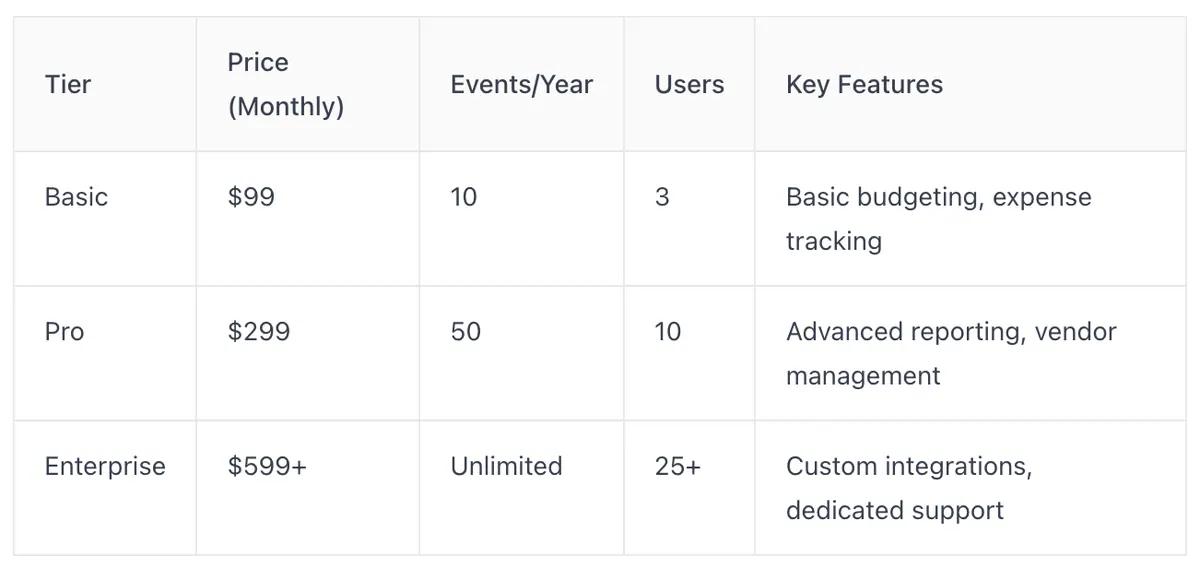
Most event budgeting software comes with tiered subscription plans. These tiers usually differ based on the number of events you can manage, the number of users who can access the system, and the features included. For large concerts, you'll likely need a higher-tier plan to accommodate the scale of your operations. Pay close attention to the limits of each tier; exceeding those limits can result in unexpected overage charges. For example, a basic plan might only allow for a certain number of transactions or reports, which won't cut it for a major concert.
Consider this example:
Identifying Hidden Fees and Charges
It's crucial to read the fine print and identify any potential hidden fees. Some common hidden charges include:
- Transaction fees: Some platforms charge a fee for each transaction processed through the system.
- Overage fees: As mentioned earlier, exceeding the limits of your subscription tier can trigger overage fees.
- Setup fees: Some providers charge a one-time fee to set up your account and configure the software.
- Support fees: Premium support options might come at an additional cost.
- Integration fees: Integrating the software with other systems (like ticketing platforms or CRM) could incur extra charges.
Always ask for a complete breakdown of all potential costs before committing to a specific software. Don't be afraid to negotiate, especially if you're a large-scale client.
Value Proposition for Large Events
Ultimately, the value of event budgeting software lies in its ability to streamline financial processes, reduce errors, and provide better insights into your event's profitability. For large events, this value is amplified. A good software can help you:
- Track expenses in real-time: Knowing where your money is going at all times is critical for staying on budget.
- Manage multiple revenue streams: Concerts often have diverse revenue sources (ticket sales, sponsorships, merchandise, etc.), and the software should be able to handle them all.
- Generate accurate reports: Detailed reports can help you identify areas where you can cut costs or increase revenue.
Consider the return on investment (ROI). While the software might have a significant upfront cost, the time and money it saves in the long run could make it a worthwhile investment. Look for software that offers features specifically designed for large events, such as custom reporting, advanced user permissions, and integration with other event management tools.
Leveraging Data for Informed Decision-Making