Planning a concert can seem like a lot, right? From figuring out where to have it to making sure everyone stays safe and has a good time, there are a bunch of moving parts. It’s not just about the music; it’s about the whole experience. We’ll break down how to put together a solid plan for your next event, covering everything from the big picture down to the little details that make a difference.
Understanding the Foundation of Your Event Site Plan
Getting a concert off the ground means more than just booking a band. It starts with a solid plan, and that plan begins with understanding the basics of your chosen space. Think of it like building a house, you wouldn't start hammering nails without a blueprint, right? The same goes for putting on a show.
Defining concert goals and objectives
Before you even think about where the stage will go, you need to know what you're trying to achieve. Are you aiming for a massive, sold out stadium show, or a more intimate club experience? What's the overall vibe you want to create? Knowing your goals helps shape every other decision. For instance, if your objective is to introduce a new artist to a local market, your site plan might focus on smaller, accessible venues with good acoustics. If it's a major festival, you're looking at much larger scale considerations, including how to manage thousands of people moving around.
- What's the primary purpose of this concert? (e.g., revenue generation, community building, artist promotion)
- Who is your target audience? (Demographics, interests, expectations)
- What kind of atmosphere are you aiming for? (High-energy, relaxed, family-friendly)
- What are your key performance indicators for success? (Ticket sales, social media buzz, attendee satisfaction)
Setting clear objectives from the outset provides a compass for all subsequent planning phases. It prevents scope creep and keeps the team focused on what truly matters for the event's success.
Venue selection criteria for optimal experience
Once you know your goals, you can start looking at places. The venue isn't just a backdrop; it's a major factor in how the concert runs and how people feel about it. You need to consider things like:
- Capacity: Does it fit the number of people you expect without feeling overcrowded or empty?
- Accessibility: How easy is it for attendees to get to and from the venue? Think public transport, parking, and general road access. This is a big part of the attendee experience
- Existing Infrastructure: What's already there? Sound systems, lighting, restrooms, power, and backstage areas can save you a lot of hassle and money. A venue with a good setup can make a huge difference
- Acoustics and Sightlines: Can people actually hear and see the performance well from most spots? This is pretty important for a concert!
- Permitting and Local Regulations: What hoops do you need to jump through with the city or local authorities? Some venues have easier processes than others
Choosing the right spot is about balancing these factors to match your concert's specific needs. It’s not just about picking the biggest or the cheapest, it’s about the best fit for your event's vision and your audience. For outdoor events, comprehensive risk assessments should begin 90 to 120 days prior to the event. This allows ample time for organizers to coordinate necessary security measures and ensure a safe and successful gathering.
Leveraging CAD mapping for layout precision
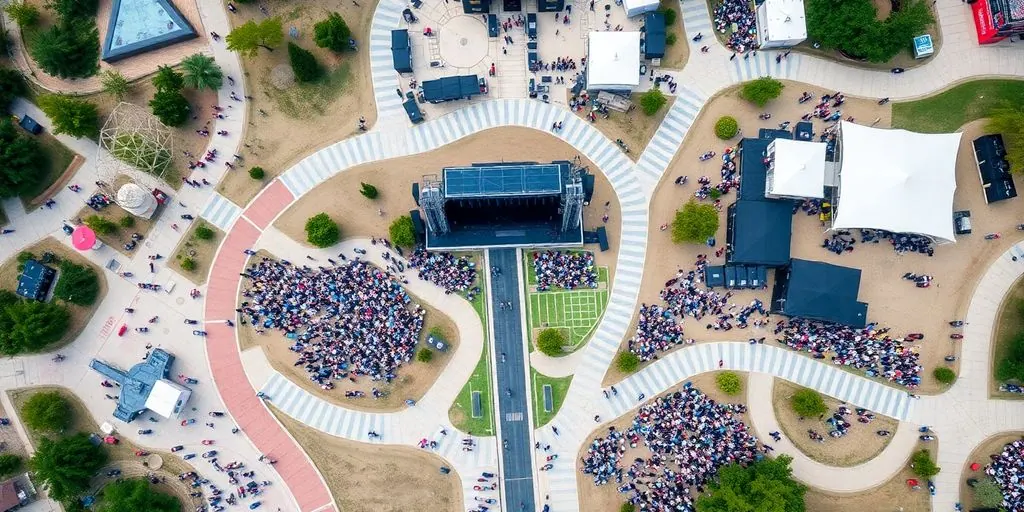
Okay, so you've picked a venue. Now, how do you actually lay everything out? This is where Computer-Aided Design (CAD) maps come in. These aren't just fancy drawings; they're detailed blueprints that show you exactly how everything will fit. You can map out:
- Stage placement: Where does the stage go for the best view and sound?
- Seating and standing areas: How will you arrange the crowd?
- Entry and exit points: Making sure people can get in and out smoothly and safely is key
- Vendor and amenity locations: Where will food trucks, restrooms, and merchandise booths be?
- Emergency routes: Planning for the unexpected is always smart
Using CAD helps you visualize the entire event space before anyone even sets foot in it. It helps identify potential problems, like bottlenecks or poor sightlines, early on. This kind of detailed planning can save you a lot of headaches and money down the line, especially when you're dealing with complex sites like sports stadiums that need careful field protection. It’s about making sure the physical space works for the music and the people enjoying it.
Financial Modeling for Concert Viability
When you're planning a concert, figuring out the money side of things is pretty important. It's not just about booking a cool band; it's about making sure the whole thing makes financial sense. You've got to look at all the costs and then figure out how you're going to bring in enough money to cover them and hopefully make a profit.
Developing a pro forma for event revenue
A pro forma is basically a financial forecast. It's a document where you lay out all the money you expect to spend and all the money you think you'll get. For a concert, this means listing out things like artist fees, venue rental, sound and lighting equipment, marketing costs, and staff wages. On the income side, you'll project how many tickets you think you'll sell and at what price. You also need to think about other ways to make money, like selling food and drinks, merchandise, or getting sponsors.
Creating a detailed pro forma helps you see if the concert is likely to be profitable before you spend a lot of money.
Analyzing event ticket sales and revenue streams
Ticket sales are usually the biggest chunk of income for a concert. But you can't just guess how many tickets you'll sell. You need to consider the artist's popularity, the venue's size, and what people in the area are willing to pay. Different ticket prices for different seats or experiences can also bring in more money. Beyond tickets, think about other revenue sources. Food and beverage sales can add up quickly, especially if you have good options. Merchandise, like t-shirts or posters, is another common way to boost income. Sponsorships are also a big deal; companies might pay to have their name associated with your event, which can significantly offset costs.
Here's a look at potential revenue streams:
- Ticket Sales
- Food and Beverage Sales
- Merchandise Sales
- Sponsorships and Advertising
- Parking Fees
Securing sponsorships and partnerships
Getting sponsors involved can really help make your concert financially viable. Companies might want to sponsor your event to get their brand in front of a large audience. You'll need to put together a proposal that shows them why sponsoring your concert is a good idea for their business. This could involve offering them prominent logo placement on stage or marketing materials, naming rights for a specific area like a fan zone, or opportunities to set up booths at the event. Building good relationships with sponsors can lead to repeat business for future events too.
When you're putting together your budget, remember to be realistic. It's better to underestimate income and overestimate expenses a little bit. This way, you won't be caught off guard if things don't go exactly as planned. Having a bit of extra money set aside for unexpected costs is always a smart move.
Logistical Planning for Seamless Operations
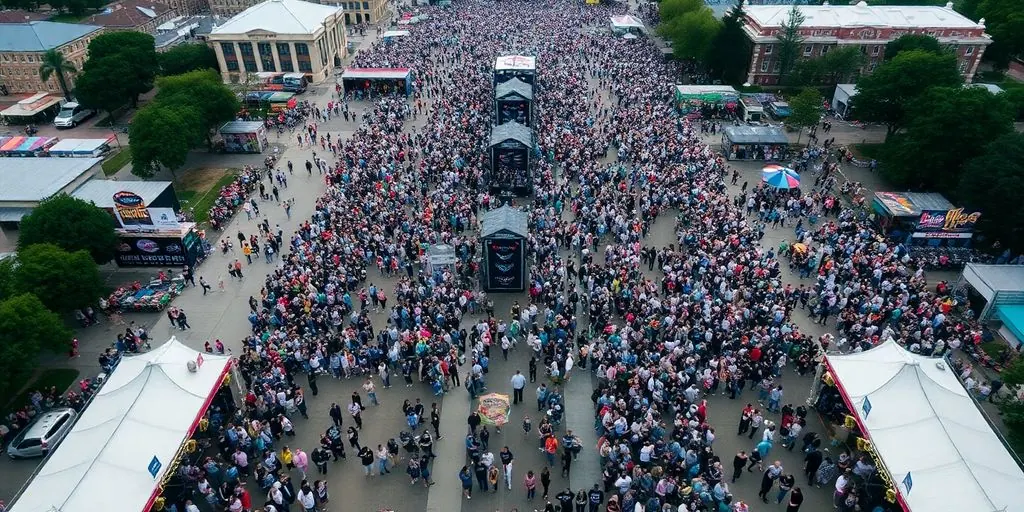
Getting the nitty gritty details sorted is what makes a concert run smoothly. It’s all about the behind-the-scenes work that fans never see but definitely feel if it goes wrong. Think about how everything gets in and out of the venue, and how the space itself is prepped.
Managing load in and load out procedures
This is where the heavy lifting happens, literally. Getting stages, sound systems, lighting rigs, and all the other gear onto the site and then back off again needs a solid plan. You’ve got to figure out the best routes for trucks, especially if you’re using a sports field that needs protection.
- Map out truck routes: Decide where big trucks can drive without damaging the ground or blocking important areas. This includes planning for access points and staging areas.
- Schedule arrival times: Stagger when different crews and equipment show up to avoid a traffic jam of gear
- Coordinate with venue staff: Work with the people who know the venue best to understand any limitations or specific requirements
- Plan for teardown: Just as important as setup, have a clear plan for how everything comes down efficiently and safely
The goal is to get everything set up and then removed with minimal disruption and maximum safety. It’s a complex dance of timing and space.
Field protection strategies for sports venues
If your concert is in a stadium or on a sports field, protecting that playing surface is a big deal. You don’t want to be the reason the grass is ruined. This means thinking about how to cover the field and where to put heavy equipment.
- Ground cover: Use specialized materials to protect the turf from heavy foot traffic and equipment. Think plywood, specialized mats, or even temporary flooring systems
- Weight distribution: Plan where to place heavy items like stages and sound towers to spread out the weight and avoid concentrating it in one spot
- Drainage: Consider how rain or spills might affect the field and plan for drainage solutions
Coordinating vendor and activation placements
Vendors, sponsors, and any special fan zones all need their own spots. Placing them thoughtfully helps with crowd flow and makes sure everyone can find what they need or want to see.
- Map out vendor locations: Decide where food trucks, merchandise stands, and sponsor booths will go, keeping in mind power needs and foot traffic
- Designate activation areas: If sponsors have interactive displays or fan zones, give them clear, accessible spaces
- Consider sightlines: Make sure vendor booths or activations don’t block views of the stage for ticket holders
- Plan for utilities: Ensure vendors have access to power, water, and waste disposal as needed
Prioritizing Safety and Crowd Management
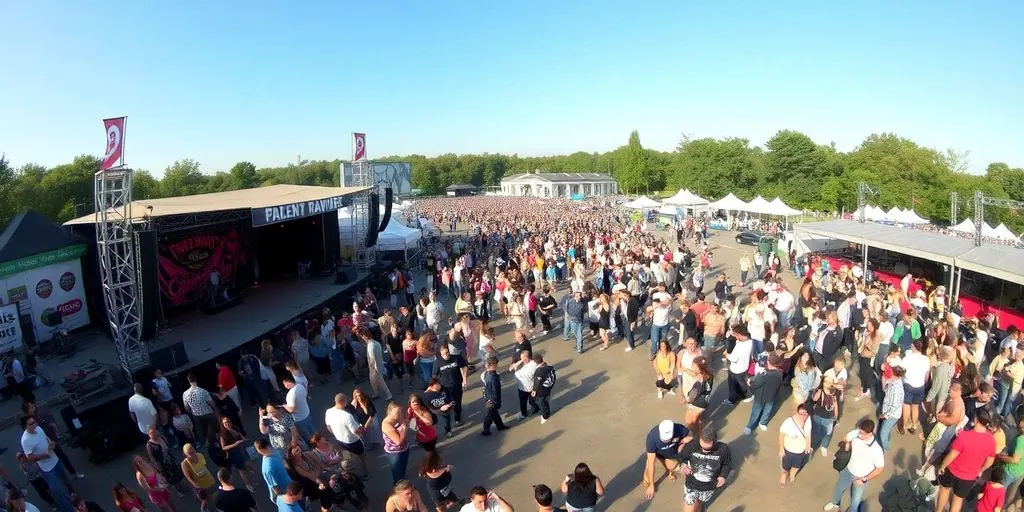
When you're putting on a concert, the last thing you want is for anyone to get hurt or for things to get out of hand. That's where a solid plan for safety and managing the crowd comes in. It’s not just about having security guards; it’s about thinking through every possible scenario and making sure everyone, from the performers to the folks in the back row, feels secure.
Implementing robust security measures
Security is the first line of defense. This means more than just having people in uniform. It involves a layered approach, starting with a thorough risk assessment to figure out where potential problems might pop up. Think about entry points, stage areas, and even restrooms, anywhere a crowd might gather or bottleneck. Visible security presence can deter trouble before it starts.
Here’s a breakdown of what goes into good security planning:
- Access Control: Making sure only ticketed individuals get in and that prohibited items are identified and managed at entry points. This includes bag checks and pat-downs if necessary
- Perimeter Security: Securing the entire event space to prevent unauthorized entry and keep attendees contained within the designated area
- Zone Management: Dividing the venue into different zones (e.g., general admission, VIP, backstage) and assigning specific security personnel to each to monitor and control movement
- Surveillance: Using cameras where appropriate to monitor crowd behavior and identify any issues quickly
Developing emergency evacuation protocols
Even with the best planning, emergencies can happen. Having a clear, well-rehearsed evacuation plan is non-negotiable. This plan needs to be communicated to all staff and readily available to attendees through clear signage and announcements.
- Clear Exit Routes: Identifying and clearly marking all emergency exits. These routes should be kept free of obstructions at all times
- Assembly Points: Designating safe assembly points outside the main venue area where people can gather after evacuating
- Communication Systems: Having reliable ways to alert everyone in case of an emergency, whether it's through a public address system, visual cues, or staff communication
- Staff Training: Training all staff, including volunteers and security, on their specific roles during an evacuation. They need to know how to guide people calmly and efficiently
A well practiced emergency plan can make the difference between a manageable situation and a dangerous one. Everyone on site needs to know what to do and where to go.
Ensuring adequate staffing for crowd control
Having enough people on hand to manage the crowd is key to preventing issues before they escalate. This isn't just about security; it includes ushers, ticket takers, and general event staff who can guide attendees and respond to minor problems.
- Staff-to-Attendee Ratio: Determining the right number of staff based on the expected crowd size and venue layout. A common guideline is one staff member for every 100-250 attendees, but this can vary
- Staff Roles and Responsibilities: Clearly defining what each staff member is responsible for, from directing people to their seats to monitoring specific areas for overcrowding or disturbances
- Communication Tools: Equipping staff with radios or other communication devices so they can quickly report issues and coordinate responses. This is vital for effective crowd management.
- Training and Briefing: Conducting thorough pre-event briefings to ensure all staff understand the site layout, emergency procedures, and their specific duties. This preparation helps them act confidently and effectively
Enhancing the Fan Experience Through Planning
When we talk about putting on a concert, it's easy to get caught up in the big stuff like booking the band or sorting out the sound system. But honestly, the little things you do in the planning phase can make a huge difference in how much people enjoy themselves. It’s all about making sure everyone has a good time from the moment they arrive until they head home.
Optimizing venue capacity and sightlines
First off, let's think about where everyone's going to be. Using CAD maps, like the ones you'd use for planning out a sports field, is super helpful here. It lets you figure out the best spot for the stage so that as many people as possible can see and hear clearly. You don't want folks stuck behind a pillar or too far back to even see the artist's face. We need to look at the whole space, from the front row to the very back, and make sure the layout works for everyone. It’s about fitting people in comfortably, not just cramming them in. Think about how many people can actually fit without it feeling like a sardine can. This is where knowing your venue's actual usable space really comes into play.
Planning for accessibility and amenities
Now, we need to make sure everyone can get around and has what they need. This means thinking about people with disabilities, are there ramps? Accessible restrooms? Is there enough space for wheelchairs? But it's not just about accessibility, it's about general comfort too. Where are the restrooms, and are there enough of them? What about food and drink options? Having a variety of vendors and making sure they're spread out can cut down on long lines. Also, consider shade or shelter if the weather might be an issue. Little touches like water stations can be a lifesaver on a hot day.
Creating engaging fan zones and activations
Beyond just watching the show, people want to do things. This is where fan zones and special activations come in. Think about interactive displays, photo booths, or areas where people can just chill out. Maybe partner with local businesses or sponsors to create unique experiences. It could be anything from a charging station for phones to a place where fans can try out new music gear. These little extras give people something to do between sets or even before the main act starts. It makes the whole event feel more like a festival and less like just sitting in a seat. It’s a great way to build buzz and give people something to talk about after the concert is over.
Making the fan experience great isn't just about the music itself. It's about the entire journey from getting to the venue to leaving. Small, thoughtful details can turn a good concert into a memorable one.