More and more, businesses are seeing how important it is to connect with the people right around them. It’s not just about selling stuff; it’s about becoming a real part of the neighborhood. This approach, called community-first branding, can really help a business grow and keep customers coming back. When a brand focuses on its local community, it builds strong ties, earns trust, and creates a loyal following. Let's look at how this works and why it matters, especially for community-first event branding.
Key Takeaways
- Local brands are different from global ones because they focus on a specific area and its people, not a huge market. They care more about quality and fitting in with local culture.
- Building real connections means talking to people in the area, understanding their culture, and making them proud of where they live. This helps a brand become a true part of the community.
- To do well in a local market, you need to really study the people there. Then, you can make your messages fit them perfectly and work with other local businesses.
- When a business acts like a good neighbor, it earns trust and loyalty. This makes its reputation better and helps it become a known and respected part of the community.
- Focusing on the community can save money, build better relationships, and make social media work better. It also helps a business grow, stay steady during tough times, and keep its products relevant for longer.
Understanding Community-First Branding
Defining Local Brands
What exactly is a local brand? It's more than just a business with a physical location in your town. It's about a business deeply intertwined with the community's identity. A true local brand understands the unique needs, values, and aspirations of the people it serves. Think of the corner bakery that knows everyone's name or the hardware store that sponsors the little league team. These brands aren't just selling products; they're selling a sense of belonging and shared experience.
Distinguishing Local from Global Brands
Global brands aim for universal appeal, often standardizing their products and marketing across different regions. Local brands, on the other hand, thrive on differentiation. They celebrate the unique aspects of their community, tailoring their offerings and messaging to reflect local culture and preferences. It's the difference between a chain restaurant serving the same menu everywhere and a family-owned diner featuring locally sourced ingredients and regional specialties. Local brands prioritize personal connections and community involvement over mass-market reach.
The Power of Localism
Why does localism matter? People are increasingly seeking authentic experiences and meaningful connections. They want to support businesses that give back to their communities and share their values. Local brands can tap into this desire by:
- Creating a sense of community around their products or services.
- Supporting local causes and initiatives.
- Building personal relationships with customers.
- Offering unique products or services that reflect local culture.
By embracing localism, brands can build stronger customer loyalty, enhance their reputation, and drive sustainable growth. It's about becoming an integral part of the community fabric, not just another business operating within it.
Building Authentic Local Connections
Engaging Residents and Businesses
Okay, so you want people to actually care about your brand, right? It's not just about slapping a logo on something and calling it a day. It's about getting involved. Think about sponsoring the local little league team, or hosting a booth at the town fair. The goal is to show up where the people are. It's about being present and supportive. Reach out to other businesses too. Maybe you can do a cross-promotion with the bakery down the street or partner with the hardware store for a community event.
Embracing Local Culture and Character
Every town has its own vibe, its own quirks. Don't try to force your brand to be something it's not. Instead, celebrate what makes the community unique. Is there a local artist whose work you can feature? A historical landmark you can highlight? Use local slang in your marketing (but, like, do it right). People can spot a phony from a mile away.
Fostering Community Pride and Alignment
People want to feel good about where they live. Your brand can play a part in that. Support local initiatives, like park cleanups or food drives. Highlight the positive aspects of the community. Show that you're not just there to make a buck, but that you actually care about the place and the people. Think about how your brand can contribute to the overall well-being of the community. Maybe you can offer a scholarship to a local student or donate a portion of your profits to a local charity. It's about building community and making a positive impact.
It's not enough to just say you're local. You have to be local. That means understanding the values, the traditions, and the aspirations of the community. It means being a good neighbor and a responsible citizen. It means putting people before profits. When you do that, you'll earn the trust and loyalty of the community, and that's something that no amount of advertising can buy.
Strategic Approaches to Local Market Penetration
In-Depth Local Market Research
To really make an impact, you can't just guess what people want. You need to do some serious digging. Local market research local marketing strategies means understanding the specific needs, preferences, and quirks of your target area. It's about getting to know your neighbors, not just seeing them as potential customers. This involves surveys, focus groups, and even just hanging out at local spots to get a feel for the vibe. It's more than demographics; it's about understanding the culture.
Tailoring Brand Messages for Resonance
Once you know your audience, you need to speak their language. This isn't just about translating your existing ads; it's about crafting messages that feel authentic and relevant to the local community. Think about the tone, the imagery, and the values you're communicating. A message that kills in New York might flop in a small town in Iowa. It's about making your brand feel like it belongs there.
Forming Strategic Local Partnerships
Don't try to do it all alone. Partnering with other local businesses can be a game-changer. It's about finding businesses that complement yours and working together to reach a wider audience. Think about cross-promotions, joint events, or even just recommending each other to your customers. It's about building a network and supporting each other. These local partnerships can really boost your visibility.
Building relationships with other local businesses is a great way to get your name out there. It shows you're invested in the community and willing to work with others to make it better. It's a win-win for everyone involved.
Here's a simple example of how partnerships can boost reach:
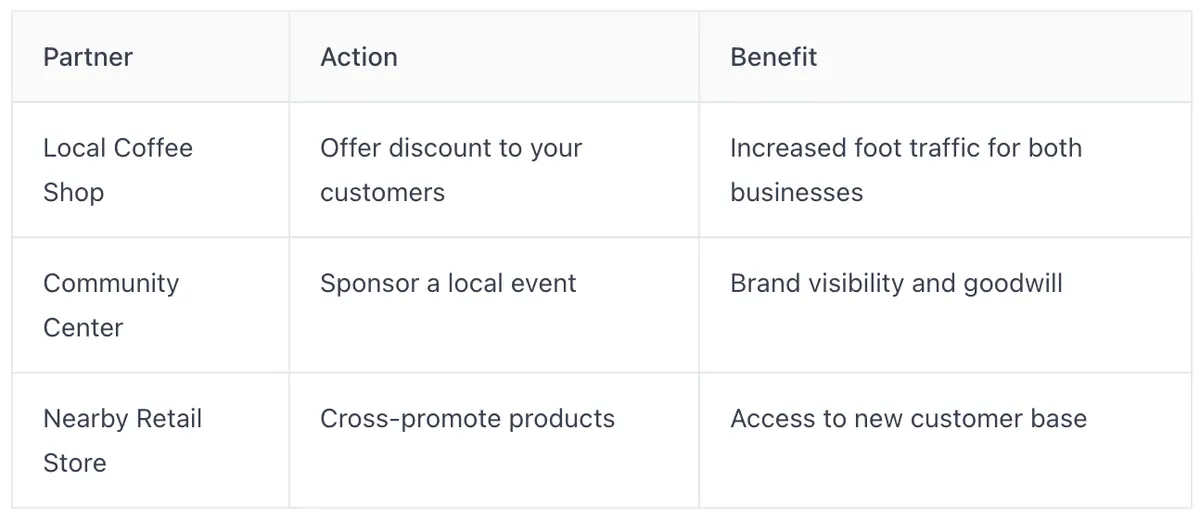
Here are some ways to form partnerships:
- Attend local networking events.
- Reach out to businesses you admire.
- Offer something of value in return.
- Be genuine and build relationships.
Cultivating Trust and Loyalty Within the Community
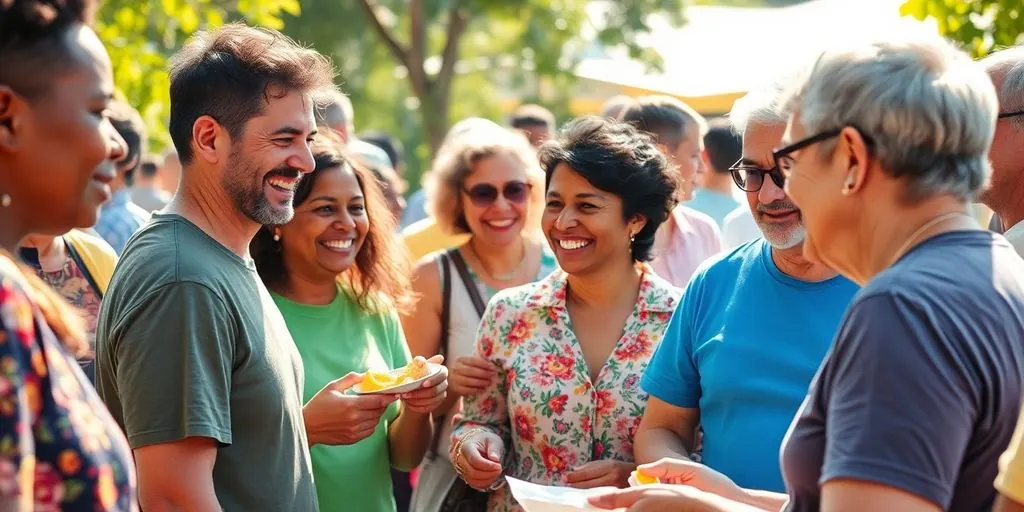
Communities stick with brands that make them feel part of the story. By showing up where people live, listen, and act on what they say, a local brand can turn casual buyers into true supporters.
Becoming an Integral Part of the Community
Get out from behind the screen. Attend local fairs, sponsor a little league team, or host a casual meet-up at a coffee shop. People notice when you’re around and genuinely interested.
- Volunteer at local events or fundraisers.
- Offer your space for neighborhood gatherings.
- Partner with nearby schools or charities on small projects.
These steps help you blend in, learn what matters, and earn goodwill over time.
Inspiring Trust and Elevating Loyalty
A community that feels seen will stick with you for the long haul. Start by listening first, then follow up fast. When someone raises a concern or asks a question, a quick answer tells them you care.
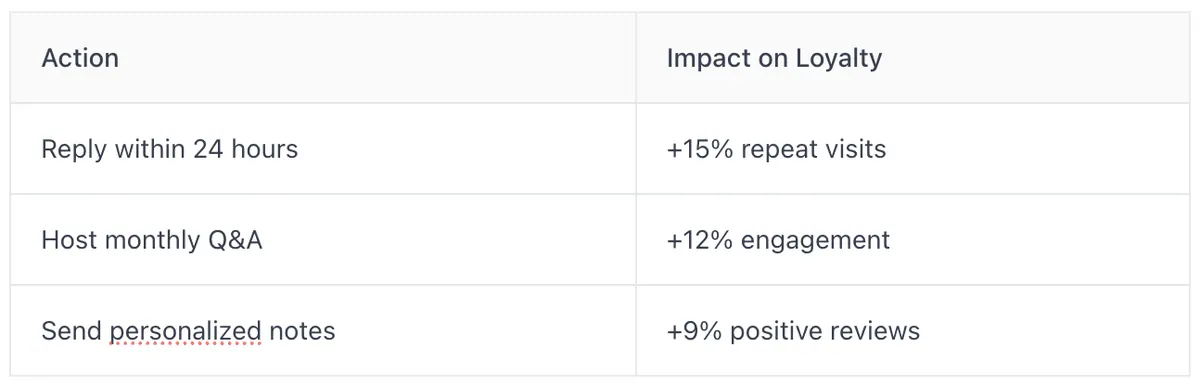
A few easy wins:
- Track open issues and close them in days, not weeks.
- Share real stories from customers.
- Reward long-time supporters with small perks.
Boosting Credibility and Reputation
Deliver on your word, every single time. Show up, stick to quality, and be open about what you do and don’t know. That kind of transparency turns first-time buyers into word-of-mouth fans.
When people trust you, they talk about you, often to friends who’ve never even heard of your brand.
Keep your promises, admit mistakes, and fix them fast. Over time, your name will carry weight around town.
The Advantages of a Community-Centric Model
Cost-Effective Brand Establishment
Going local can seriously cut down on your marketing spend. Instead of throwing money at broad, national campaigns, you're focusing on a smaller, more defined area. Word-of-mouth spreads like wildfire in close-knit communities, and that's free advertising you can't buy. Plus, you can get creative with local events and sponsorships that don't break the bank. It's about being smart, not just loud.
Enhanced Relationship Building
Community-first branding is all about making real connections. It's not just about selling stuff; it's about becoming a part of people's lives. When you're involved in local events, supporting local causes, and actually listening to what people have to say, you build trust. And trust is the foundation of any good relationship, business or otherwise. People are more likely to support a brand they feel connected to.
Effective Social Media Engagement
Social media is a powerful tool, especially when you're targeting a local audience. You can run targeted ads, share local news and events, and engage with customers on a personal level. It's about being present and responsive. When people see you're actively involved in the community, they're more likely to follow you, share your content, and become loyal customers. It's a two-way street, not just a megaphone.
Focusing on community engagement can lead to more authentic interactions online. People appreciate seeing a brand that cares about more than just profits. It's about building a digital community that reflects the real-world community you're serving.
Driving Growth Through Community Engagement