The way we put on events is changing fast. For anyone planning or marketing events, keeping up with new tech is a big deal. We're going to see some cool stuff in event technology that will totally change how we plan, run, and go to events. Let's look at the big event tech trends 2025 has in store.
Key Takeaways
- Immersive audiovisuals, including AR and VR, will become more common, moving beyond just lights and sound.
- AI will help with planning, promotion, and even talking to attendees through chatbots, making things run smoother.
- Having all your event tools in one place will be key for easier management and better data use.
- Using data to understand how people interact with your event will help you make better decisions and improve future events.
- Keeping attendee information safe and following privacy rules will be more important than ever.
Leveraging Immersive Audiovisual Experiences
Forget about just basic lights and sound; 2025 is all about making attendees feel like they're truly part of the event. We're talking about audio that surrounds you, stages that change shape with projections, and visuals that completely transform a room. It's about creating a whole atmosphere, not just background noise. Think about how rapid evolution of AV technology, offering key takeaways for the events industry. Experts shared insights on the latest advancements and their impact on event experiences. This means using things like 360-degree sound systems and projection mapping that makes walls disappear or become part of the show. It’s a big step up from what we used to see.
Beyond Basic Lighting and Sound
Basic lighting and sound setups are no longer enough. In 2025, events will lean heavily into immersive AV experiences. Think 360-degree audio, dynamic stage designs, and projection mapping that transforms spaces. With professional sound and creative lighting, planners can create unforgettable sensory environments.
Integration with Augmented and Virtual Reality
AR and VR are becoming mainstream tools for corporate events, product launches, and brand activations. Expect to see more VR networking lounges and AR-enhanced product demos. Seamless AV integration will be key to making these experiences feel natural and impactful. Brands are using AR for product demos where you can see digital models in the real world, and VR for storytelling that puts attendees in a different place entirely. Gamified mixed reality experiences are also popping up, like AR scavenger hunts.
Creating these kinds of experiences requires careful planning and the right technology partners. It's not just about having the latest gear; it's about how it all works together to tell a story or achieve a goal.
Here are some ways AV is getting more immersive:
- 360-Degree Audio: Sound that comes from all directions, making the audio feel more real.
- Projection Mapping: Using projectors to create illusions on surfaces, like buildings or stage sets.
- Interactive Visuals: Screens or projections that react to attendee movement or input.
- Dynamic Lighting: Lights that change color, intensity, and movement in sync with the event's content.
The Rise of AI in Event Management
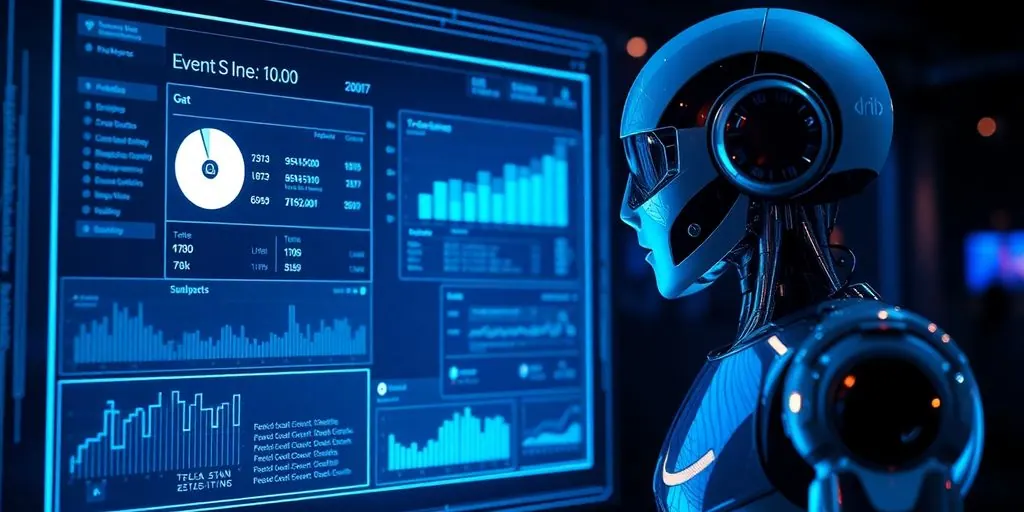
Artificial intelligence is really changing the game for event planners. It's not just about fancy new gadgets anymore; AI is becoming a practical tool that helps with a lot of the grunt work. Think about all those repetitive tasks that eat up so much time, AI can handle them. This means event professionals can focus more on the creative and strategic parts of putting on a great event. The integration of AI is making event management more efficient and attendee experiences more personalized.
AI-Powered Event Planning, Promotion, and Automation
AI tools are stepping in to automate things like creating initial drafts for promotional copy, scheduling social media posts, and even managing attendee communications. This frees up planners to concentrate on bigger picture items. For instance, AI can help generate speaker biographies, translate session descriptions into multiple languages, and even draft post-event summaries. It's a huge time saver and helps keep things consistent across the board. Plus, AI can look at past attendee data to spot patterns and make educated guesses about what might work best for future events, like suggesting optimal session timings or popular topics. This kind of predictive capability is a real game-changer for event planning strategies.
Enhancing Attendee Support with AI Chatbots
Remember when getting quick answers at an event meant finding a staff member? AI chatbots are changing that. These digital assistants can provide instant, human-like responses to attendee questions, 24/7. Whether it's about session schedules, venue maps, or dietary options, chatbots can handle a surprising amount of inquiries. This not only improves the attendee experience by providing immediate support but also reduces the workload on on-site staff. Some advanced chatbots can even offer personalized recommendations based on an attendee's profile or past interactions, making the event feel more tailored to each person. It's like having a helpful guide available at everyone's fingertips, improving overall attendee engagement.
AI is moving beyond simple Q&A. We're seeing it used for more complex tasks like personalized itinerary building and even providing real-time feedback analysis during sessions. This level of intelligent assistance is really what sets apart a good event from a great one.
Centralized Event Technology Ecosystems
Remember the days of juggling a dozen different apps and spreadsheets to run an event? Yeah, me neither, but it wasn't that long ago. Now, the big push is towards having everything in one place. Think of it like a central hub for all your event needs, registration, scheduling sessions, sending out marketing emails, keeping track of who's who, and even figuring out how well the event went afterward. This move to integrated platforms isn't just about making life easier; it's about making things run smoother and more accurately. When all your event data lives in one system, it's way easier to see what's working, automate repetitive tasks, and make smart decisions on the fly. Plus, it cuts down on those annoying tech headaches and compatibility problems you get when trying to make different software talk to each other. It's all about creating a more unified and efficient event management process.
Streamlining Operations with Integrated Platforms
Moving to a single, connected system means your team can spend less time wrestling with technology and more time focusing on the actual event. Imagine registration, attendee communication, and agenda management all happening within the same software. This kind of integration means fewer errors and a much clearer picture of your event's progress. It simplifies how you improve the planning and execution, making sure everyone involved is on the same page. This unified approach helps prevent miscommunications and reduces the chances of things falling through the cracks.
Data-Driven Decision-Making Through Unified Systems
When all your event data is in one spot, you get a much clearer view of what's happening. You can track attendee engagement more effectively, see which marketing efforts are paying off, and understand attendee behavior throughout the event. This unified data allows for more informed decisions, helping you refine your strategies for future events. It’s about using the information you have to make your next event even better, rather than guessing what might work.
Having a centralized system means you're not just collecting data; you're making it work for you. It transforms raw numbers into actionable insights that can guide everything from session scheduling to post-event follow-up, ultimately boosting your event's success.
Here’s a quick look at what a centralized system can help manage:
- Registration and Ticketing
- Attendee Communication
- Session Scheduling and Agendas
- Marketing Campaigns
- On-site Management
- Post-Event Reporting and Analytics
This consolidation is key to staying competitive and creating truly memorable experiences. It’s about having a solid foundation of event management software that supports all aspects of your event lifecycle.
Data Analytics for Enhanced Event Outcomes