Getting help from volunteers can really make a difference for your cause. People are looking for ways to give their time, whether it's students, company groups, or even those doing community service. All these folks can help your mission move forward. With just a few simple steps, you can use the skills of short-term volunteers and even get them to stick around for a long time.
Key Takeaways
- Make it simple for volunteers to join in and help out.
- Always show volunteers you appreciate their time and effort.
- Treat every volunteer like they're really important, because they are.
- Help short-term volunteers see how they can become long-term team members.
- Think about starting a volunteer-to-staff conversion program to find great people.
Streamlining Volunteer Engagement
Volunteers are the lifeblood of many organizations, but managing them effectively can be a challenge. It's not enough to just have people willing to help; you need systems in place to make their contributions as impactful as possible. Let's look at some ways to make volunteer engagement smoother and more productive.
Creating Project Boxes for Efficiency
Imagine a world where volunteers can jump right into a task without hunting for supplies or figuring out the setup. That's the idea behind project boxes. These are pre-packed containers with everything needed to complete a specific task. Think of it like a pre-portioned meal kit, but for volunteering. This saves time, reduces confusion, and makes it easy for anyone to contribute, regardless of their experience. Need the project boxes refreshed with supplies? That’s a great job for individual volunteers.
Scheduling Dedicated Volunteer Workdays
Instead of relying on sporadic help, consider setting aside specific days or times dedicated to volunteer work. This creates a sense of routine and allows you to plan projects more effectively. It also makes it easier for volunteers to commit their time, knowing that there's a regular opportunity to contribute. Plus, it builds camaraderie among the team.
Here's a simple schedule example:
- Mondays: Sorting and organizing donations
- Wednesdays: Preparing mailings
- Saturdays: Community outreach events
Assigning Volunteer Team Leaders
For larger projects or events, having volunteer team leaders is essential. These individuals act as point people, providing guidance, answering questions, and ensuring that tasks are completed efficiently. They can also help to motivate and support their fellow volunteers. This not only lightens the load for staff but also provides leadership opportunities for dedicated volunteers. For event volunteers, assign a volunteer team leader for each role, station, or activity. Provide team leaders with clear instructions and have them oversee their team’s performance.
Think of volunteer team leaders as your on-the-ground managers. They're the ones who can quickly address issues, provide support, and keep everyone on track. By empowering volunteers in this way, you create a more efficient and engaged team.
Cultivating a Culture of Gratitude
It's easy to get caught up in the day-to-day tasks and forget to acknowledge the people who make it all possible. When working with volunteers, it's especially important to cultivate a culture of gratitude. A little appreciation can go a long way in building loyalty and encouraging continued support. It's about making them feel valued, not just used.
Connecting Tasks to Mission Impact
Volunteers want to know their time is making a difference. Don't just assign tasks; explain how those tasks contribute to the bigger picture. Show them how stuffing envelopes helps fund programs, or how cleaning up the park improves the community. When volunteers understand the mission impact, they're more invested and feel a greater sense of purpose. It transforms a mundane chore into a meaningful contribution.
Expressing Sincere Appreciation
Saying "thank you" might seem obvious, but it needs to be genuine. Make eye contact, use their name, and be specific about what you're thanking them for. A generic "thanks for your help" doesn't carry the same weight as "Thank you, Sarah, for staying late to help us finish the project. We really appreciate your dedication." Sincerity is key. Consider small, thoughtful gestures too, like providing snacks or drinks during their shift. It's the little things that show you care.
Recognizing Contributions Publicly
Public recognition can be a powerful motivator. Consider these options:
- Volunteer of the Month: Highlight a standout volunteer in your newsletter or on social media.
- Team Shout-Outs: Acknowledge the efforts of a whole team during a meeting or event.
- Personalized Certificates: Create certificates of appreciation for specific achievements.
Public recognition not only makes the recognized volunteer feel good, but it also inspires others to step up and contribute. It creates a positive feedback loop and reinforces the value of their contributions. It also helps with volunteer retention.
It's about creating an environment where volunteer engagement is valued and celebrated.
Treating Volunteers Like VIPs
It's easy to fall into the trap of seeing volunteers as just free labor, but that's a huge mistake. To build a strong, dedicated team, you need to treat your volunteers like the valuable individuals they are. Showing them they're appreciated goes a long way in fostering long-term commitment.
Offering Special Amenities
Think about what makes a guest feel welcome and valued. Can you offer designated parking spots close to the entrance? How about providing refreshments like water bottles, coffee, or snacks during breaks? Small gestures can make a big difference in how volunteers perceive their experience. It shows you've thought about their comfort and convenience.
Providing Insider Gear and Swag
Everyone loves a little swag! Consider providing volunteers with branded t-shirts, hats, or other items they can wear with pride. This not only makes them feel like part of the team but also turns them into walking advertisements for your organization. It's a win-win!
Creating a Welcoming Environment
First impressions matter. Make sure someone is there to greet volunteers when they arrive, offer a brief orientation, and answer any questions they may have. A friendly and organized welcome sets the tone for a positive and productive experience. A smile and a warm greeting can make all the difference.
Remember, volunteers are giving their time and energy freely. Creating a VIP experience shows them that you value their contribution and are committed to making their time worthwhile. This investment in your volunteers will pay off in increased engagement, retention, and a stronger sense of community.
Fostering Long-Term Commitment
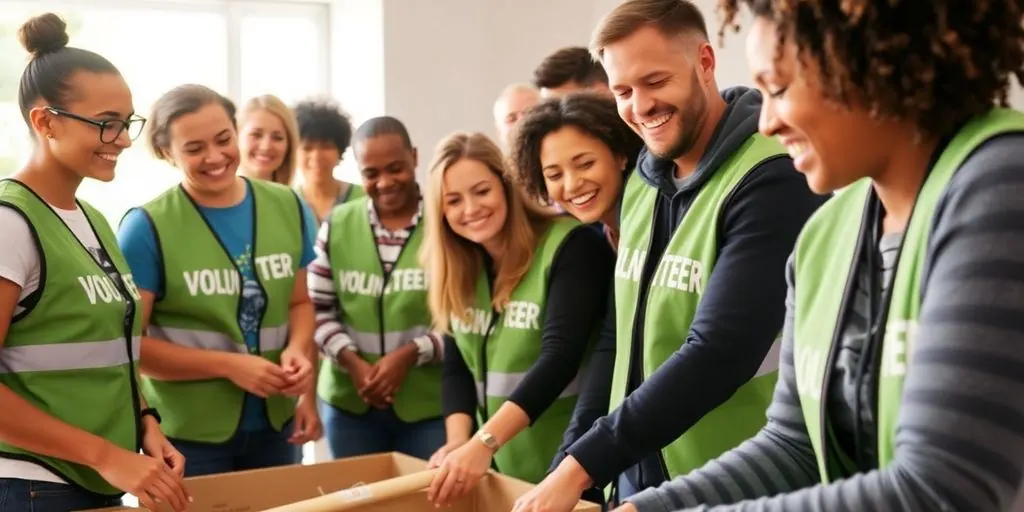
It's easy to think of volunteers as just short-term help, but the real magic happens when you turn those temporary helpers into dedicated, long-term team members. It's about more than just filling slots; it's about building relationships and creating a community.
Transforming Short-Term Experiences
Think about how you can make that first volunteer experience amazing. Don't just throw people into tasks without context. Instead, give them a clear understanding of why their work matters. Make sure they feel valued and appreciated from day one. A positive initial experience is way more likely to turn someone into a regular volunteer.
Building a Sense of Belonging
People stick around when they feel like they're part of something bigger than themselves. Create opportunities for volunteers to connect with each other. Maybe organize social events, team-building activities, or even just casual coffee breaks. The stronger the sense of community, the more likely volunteers are to stay involved.
Encouraging Repeat Participation
Don't just assume volunteers will automatically come back. Actively encourage them to return. Send personalized invitations to future events, highlight upcoming opportunities that match their interests, and make it easy for them to sign up again. Consider a simple system like this:
- Send a thank-you email immediately after their first shift.
- Follow up a week later with a list of upcoming volunteer opportunities.
- Offer a small perk for volunteers who sign up for multiple shifts.
It's all about making volunteers feel like they're not just cogs in a machine, but valued members of the team. When they feel appreciated and connected, they're much more likely to stick around and contribute their time and talents in the long run.
Effective Communication Strategies
Communication is key to keeping volunteers engaged and informed. It's not just about sending emails; it's about making sure everyone feels connected and valued. If people don't know what's going on, they're less likely to stick around.
Establishing Clear Communication Methods
First, figure out the best way to talk to your volunteers. Not everyone checks email regularly, and some might prefer text messages or a group chat app. Ask your volunteers about their preferred method during onboarding. Having a central place for information, like a volunteer portal or a shared document, can also be super helpful. Make sure everyone knows where to find important updates and how to reach the right people with questions.
Sending Timely Reminders
Life gets busy, and people forget things. Sending reminders about upcoming shifts, events, or deadlines is a simple way to show you care and keep things running smoothly.
Here's a simple schedule you can follow:
- One week before: Initial reminder
- Two days before: Gentle nudge
- Day of: Friendly confirmation
Providing Consistent Updates
Keep volunteers in the loop about what's happening with the organization and how their work is making a difference. Share success stories, project updates, and any changes to policies or procedures.
Regular updates show volunteers that their contributions matter and that they're part of something bigger than themselves. This can be a simple weekly email, a monthly newsletter, or even just a quick announcement during volunteer gatherings.
Developing Volunteer-to-Staff Conversion Programs

It's no secret that finding and retaining good employees can be tough. But what if you already had a pool of dedicated, mission-aligned individuals ready to step up? That's where volunteer-to-staff conversion programs come in. These programs are designed to identify high-potential volunteers and provide them with the training and support they need to transition into paid staff roles. It's a win-win: you get committed employees who already understand your organization's culture, and volunteers get the chance to advance their careers while continuing to support a cause they care about.
Identifying High-Potential Volunteers
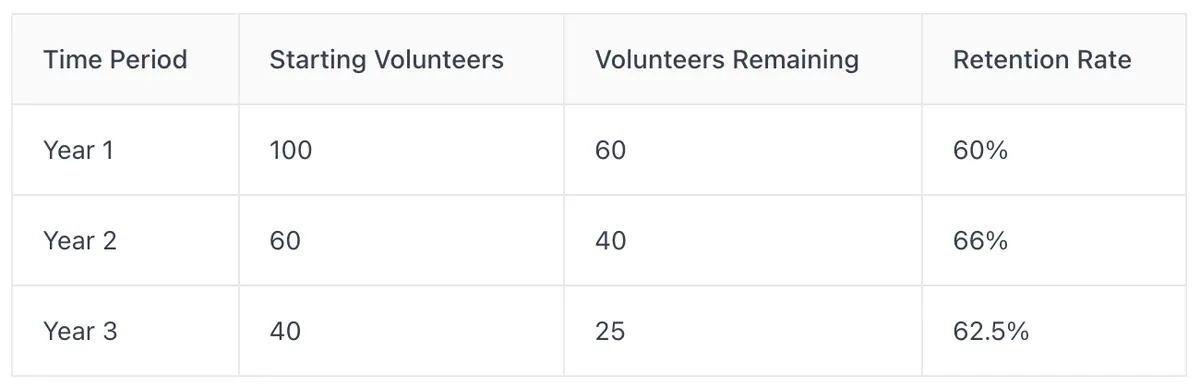
Not every volunteer is going to be a good fit for a staff position, so it's important to have a system for spotting those who have the potential. Look for volunteers who consistently go above and beyond, demonstrate leadership qualities, and show a genuine passion for your organization's mission. Keep an eye out for those who take initiative, are reliable, and possess strong communication and problem-solving skills. Consider implementing a formal nomination process where staff can recommend volunteers they believe would excel in a staff role. Don't forget to check in with your volunteer retention rates to see if your current strategies are working.
Offering Training and Development
Once you've identified potential candidates, it's time to invest in their development. This might involve providing them with additional training, mentoring opportunities, or shadowing experiences. Tailor the training to the specific skills and knowledge they'll need to succeed in a staff role. For example, if a volunteer is interested in a fundraising position, you could provide them with training on grant writing or donor relations. Consider offering workshops on topics such as project management, communication, and leadership. The goal is to bridge the gap between their volunteer experience and the requirements of a paid position.
Creating Pathways for Advancement
It's not enough to simply offer training; you also need to create clear pathways for volunteers to advance into staff roles. This means developing a transparent hiring process and clearly communicating the opportunities available within your organization. Consider creating a formal volunteer-to-staff conversion program with defined steps and requirements. Make sure volunteers are aware of the program and understand the criteria for eligibility. When a staff position becomes available, actively encourage qualified volunteers to apply. By creating clear pathways for advancement, you'll not only attract and retain top volunteer talent but also build a stronger, more committed workforce.
By investing in your volunteers and providing them with opportunities for growth, you can transform them into valuable members of your staff. This not only strengthens your organization but also empowers individuals to make a greater impact on the world.
Measuring Program Success
It's easy to get caught up in the day-to-day of managing volunteers, but it's important to step back and see if your efforts are actually paying off. Are you keeping volunteers around? Are they happy? Are they making a difference? These are the questions we need to answer.
Tracking Volunteer Retention Rates
Volunteer retention is a big deal. It costs less to keep a volunteer than to recruit a new one. A good way to see if you are doing well is to track how long volunteers stay with you. Here's a simple way to visualize it: