Planning a concert can feel like a lot, especially when it comes to the money side of things. You want to make sure you have enough cash for everything, from the band to the sound system, but also that you're not spending more than you can bring in. This guide is all about making event budgeting less of a headache. We'll break down how to figure out all the costs, predict your income, and keep your finances in check so your show is a hit without breaking the bank.
Understanding Your Concert Budget Essentials
Putting on a concert, whether it's a small local gig or a large-scale festival, means you've got to get your finances in order. It's not just about booking a band and selling tickets; there's a whole lot of money stuff that goes into making it happen smoothly. Think of a concert budget breakdown as your event's financial roadmap. It shows you where the money's coming from and where it's all going. Without this, you're basically flying blind, and that's a fast track to trouble.
Defining a concert budget breakdown
A concert budget breakdown is basically a detailed list of all the money you expect to spend and all the money you think you'll make for a specific show. It's not about your venue's regular bills, but strictly about the costs and income tied to that one event. This breakdown helps you see the whole financial picture, spot problems before they pop up, and make smarter choices about how to spend your money to actually make a profit. It’s your event's financial command center, guiding every dollar.
Key components for venue budgets
When you're building a budget for a concert at your venue, you need to be super clear about what's an expense and what's income for that specific event. Don't mix in your venue's everyday operating costs. Focus only on what's directly related to the concert. This keeps your numbers clean and makes it easier to see if the show itself is making or losing money. It's all about the event's financial health, not the venue's overall health.
Critical expense categories
Concert costs can really add up, and they change depending on the kind of show you're putting on. But there are some common things you'll almost always have to pay for. It’s smart to have a checklist so you don't forget anything important. Reviewing past shows is a great way to make sure you're not missing any costs. This helps you plan better for the future and avoid nasty surprises.
Here’s a look at some common expense areas:
- Talent Costs: This includes the artist's fee and any money paid to their agent
- Logistics: Think about getting the artist to your venue, that means transportation, hotels, and maybe even meals
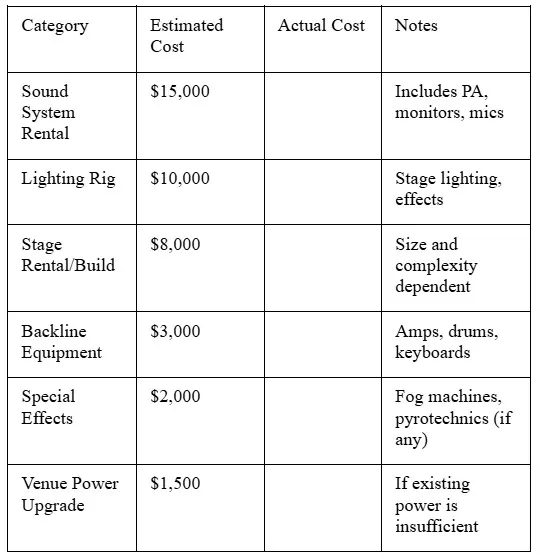
- Technical Needs: Sound systems, lighting, maybe even stage upgrades, these can be big costs
- Staffing: You'll need people to work the event, like security, ticket takers, and ushers
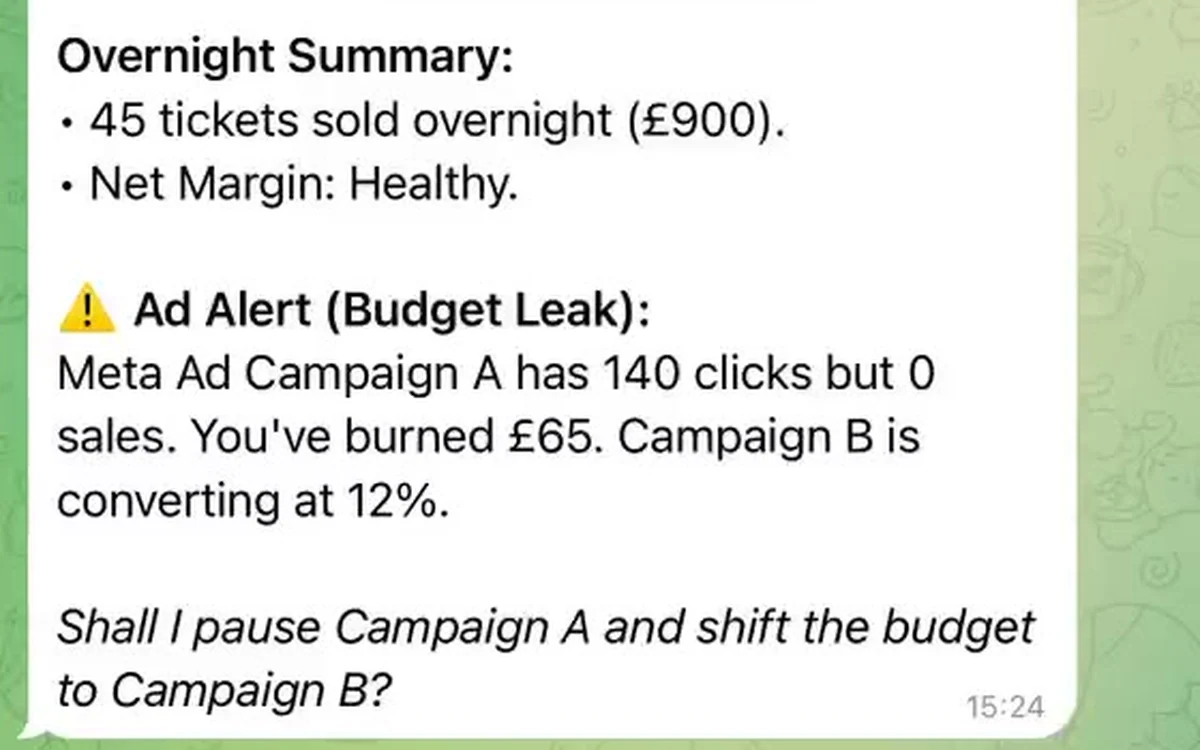
- Marketing: Getting the word out costs money, from online ads to posters
- Venue Enhancements: Sometimes you need to make temporary changes to your space for a specific show
- Insurance and Permits: Don't forget the paperwork and protection you need to operate legally
It's always better to be a little too careful with your money estimates than not careful enough. Having a bit of extra cash set aside for unexpected things is way better than running out of money halfway through planning. This careful approach helps make sure your event is a financial success and gives you peace of mind.
Forecasting Revenue Streams For Concert Success

So, you've got your expenses figured out, but what about the money coming in? That's where forecasting revenue streams comes in. It's not just about selling tickets, though that's a big part of it. You've got to think about all the ways people might spend money at your event.
Maximizing event ticket sales
Ticket sales are usually your main income source. You need to figure out how many tickets you can realistically sell and at what price. Look at past shows for similar artists or at your venue. Did they sell out? How many tickets were sold last minute? This data can help you set better prices and plan your sales strategy. Don't forget about different ticket types, like early bird specials or VIP packages. These can bring in extra cash and create buzz.
Concessions and merchandise potential
Think about what people buy at concerts besides tickets. Food and drinks are a big one. You can either sell them yourself or work with vendors and take a cut. Merchandise is another area. This could be t-shirts with your venue's logo or posters. Sometimes, artists get a bigger cut of their own merchandise sales, so check your contracts. It's all about finding that balance.
Leveraging sponsorships and partnerships
Sponsorships and partnerships are one of the most powerful ways to boost event revenue without increasing ticket prices. Many companies are eager to associate their brand with memorable experiences and get in front of your audience.
This could take the form of stage sponsorships, where a company’s branding is featured prominently, or area sponsorships, such as VIP lounges, bars, or photo booths. You can also offer activation opportunities, letting sponsors set up booths, host interactive activities, or give away samples to engage directly with fans.
The key is to align with brands that match your event’s audience and vibe. This creates a win, win situation: sponsors get exposure and engagement, while you generate additional revenue and potentially reduce costs.
For maximum impact, create tiered sponsorship packages (e.g., gold, silver, bronze) so different sized businesses can participate. Including options like social media shoutouts, logo placement on tickets, or mentions during the event can make your offer even more attractive.
Exploring ancillary services
Ancillary services are an underrated but effective way to add extra revenue streams to your event. These are the “little things” that fans are often willing to pay for because they improve their experience and convenience.
Consider practical services such as paid parking, coat check, or secure lockers for guests who don’t want to carry their belongings around. These can be especially valuable at larger venues or outdoor events.
You can also think about experience enhancing add ons, like a photo booth, charging stations, fast track entry, or even exclusive lounge access. These small touches create memorable moments for fans and can be monetized without feeling like a hard sell.
Though individually these fees may seem small, they can add up to a significant amount over the course of the event, especially with large attendance. Plus, they provide opportunities to partner with vendors or sponsors who can operate or brand these services, adding yet another revenue stream.
Detailed Expense Planning For Event Budgeting

When planning a concert, getting the expenses right is super important. It's not just about the big stuff, you've got to think about all the little details too. This section breaks down the major cost areas so you can build a solid budget and avoid nasty surprises down the road.
Talent costs and logistics
This is often the biggest chunk of your budget. It includes not just the artist's fee but also their travel, accommodation, and any riders they might have. Don't forget about the support acts and any session musicians needed. It's wise to get quotes from multiple agents or managers to ensure you're getting a fair deal. Remember to factor in any deposits required upfront.
- Artist Fees: The main payment to the headliner and any supporting acts
- Travel & Accommodation: Flights, hotels, ground transportation for the artists and their crew
- Riders: Specific requests from the artist, which can range from backstage catering to specific equipment
- Local Crew: Hiring local sound engineers, stagehands, and other support staff
Always read the artist's contract carefully. It will outline exactly what is expected and what costs are associated with their performance. Missing a detail here can lead to unexpected expenses.
Technical requirements and venue enhancements
This covers everything needed to make the concert sound and look great. Think about the sound system, lighting, staging, and any special effects. You'll also need to consider any modifications or enhancements required for the venue itself, like extra power, temporary structures, or improved restroom facilities. Getting detailed quotes for AV equipment rental and stage construction is a good idea.