Managing a big event can feel like juggling a dozen things at once, especially when you're dealing with doors, security, and keeping the fans happy. It’s a lot to handle, and things can get stressful fast. When you have thousands of people all in one place, keeping track of everything from who gets in to making sure everyone stays safe is a huge job. Good planning and knowing how to handle unexpected problems are key to making sure the event runs smoothly and everyone has a good time.
Establishing a Robust Security Framework
Setting up a solid security framework is the first big step in managing any event, especially when things get hectic. It’s not just about having guards; it’s about having a plan that covers all the bases before anything even happens. Think of it as building a strong foundation for your entire operation. Without this, you’re just reacting to problems, which is never a good look.
Conducting thorough risk assessments
Before you even think about hiring staff or setting up barricades, you need to figure out what could go wrong. This means looking at your venue, the type of event, the expected crowd, and any past incidents. What are the weak spots? Where could trouble start? A good risk assessment identifies potential threats, like overcrowding in certain areas, unauthorized access points, or even weather related issues. It’s about being realistic and anticipating problems before they pop up.
Here’s a quick look at common risk areas:
- Venue Layout: Are there bottlenecks? Are emergency exits clear?
- Crowd Demographics: What’s the age range? Are there known rivalries?
- Event Type: Is it a high-energy concert or a more subdued conference?
- External Factors: Proximity to roads, potential for protests, weather forecasts
A proactive approach to identifying and addressing potential security vulnerabilities is key. It’s better to spend time planning for what might happen than scrambling when it does happen.
Developing comprehensive security plans
Once you know what the risks are, you need a plan to deal with them. This isn't a one-size-fits-all thing; your plan needs to be tailored to your specific event. It should detail everything from how you’ll control entry and exit points to how your security team will communicate. Think about staffing levels, equipment needed, and clear procedures for different scenarios. A well thought out plan makes sure everyone knows their role and what to do when things get intense.
Key components of a security plan include:
- Access control: How will you check tickets and credentials?
- Crowd flow management: How will you guide people through the venue?
- Communication protocols: How will staff talk to each other (radios, apps)?
- Incident response: What’s the procedure for medical issues, disturbances, or evacuations?
- Staffing ratios: How many security personnel are needed per attendee?
Coordinating with event organizers and authorities
Security isn't just an internal job. You absolutely have to work closely with the people putting on the event and any local authorities, like the police or fire department. They have valuable insights and resources. Sharing your risk assessments and security plans with them allows for a coordinated effort. This collaboration helps ensure that everyone is on the same page, especially when it comes to emergency response. Open communication channels are vital for a smooth and safe event. It’s about building a partnership to protect everyone involved.
This coordination typically involves:
- Pre-event meetings: Discussing potential issues and responsibilities
- Information sharing: Providing details about expected attendance and crowd behavior
- Joint planning sessions: Aligning security strategies with public safety needs
- Onsite liaison: Having a point person from each group to communicate during the event
Optimizing Crowd Management Strategies
Keeping a large gathering moving smoothly and safely is a big job. It’s not just about having people in place; it’s about actively guiding the flow and anticipating where problems might pop up. Think of it like directing traffic, but with people who are often excited, maybe a little tired, and sometimes not thinking straight.
Controlling people flow with barricades and lanes
This is where the physical setup really matters. Using barricades isn't just about keeping people out of certain areas; it's about creating clear paths. When you set up effective lanes for entry, exit, and movement within the venue, you guide people naturally. This helps prevent those moments where everyone suddenly tries to go the same way, causing jams. It’s about making it obvious where people should go, reducing confusion and the chance of people getting pushed around.
- Design clear entry and exit points. Make sure these are wide enough for the expected crowd size
- Use directional signage. Simple arrows can make a huge difference in guiding people
- Create dedicated pathways for different needs, like VIP access or staff movement
Monitoring high traffic areas for potential issues
Certain spots in any venue naturally draw more people. Think about the main stage, popular food vendors, or restrooms. Security needs to pay extra attention to these zones. It’s about watching for signs that things are getting too crowded, like people getting too close together or looking uncomfortable. Early detection is key here. If you see a spot getting packed, you can send in more staff to help manage the flow or open up another nearby area to spread people out.
Keeping an eye on these busy spots means you can often fix a potential problem before anyone even notices it's happening. It’s proactive, not reactive.
Implementing strategies to prevent overcrowding
Overcrowding is a serious risk. It can lead to people getting hurt, especially if there’s a sudden surge. Strategies to prevent this include limiting the number of people allowed in specific zones at any given time. This might mean using ticketing for certain areas or having staff actively manage capacity. If a particular area is full, you need a plan to redirect people to less crowded spaces. This requires good communication among the security team so they know when and where to send people.
- Capacity management: Set clear limits for different zones and stick to them
- Zone rotation: If possible, open up adjacent areas to spread people out
- Information dissemination: Use screens or announcements to let people know about less crowded areas
Ensuring Effective Onsite Security Operations
Security is one of the most important elements of any successful event. It’s not just about preventing problems, it’s about creating an environment where guests feel safe and comfortable. Effective on-site security means having clear protocols, well-trained staff, and the right technology in place to monitor crowds, manage access points, and respond quickly if something goes wrong. When done right, security works quietly in the background, allowing attendees to focus on enjoying the event.
Screening attendees and checking credentials
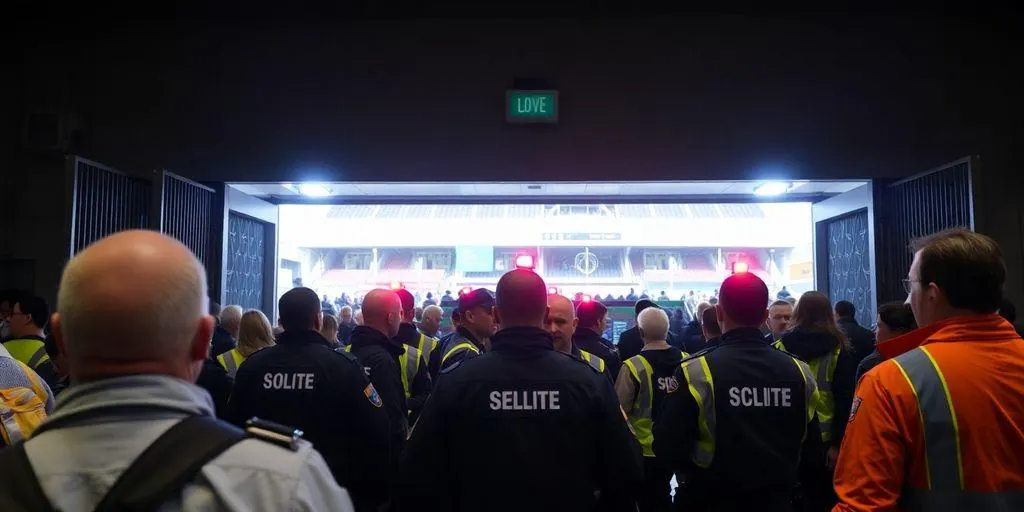
This is where the rubber meets the road, folks. Getting people into the venue safely and efficiently is a big deal, especially when you've got thousands of folks trying to get in at once. It’s not just about checking a ticket; it’s about making sure everyone who’s supposed to be there, is there, and everyone who shouldn’t be, isn’t. We’re talking about making sure the right people have the right access. This means having a clear process for checking IDs, tickets, and any special passes. Think about having different lines for different ticket types or for people who have pre-cleared certain checks. It helps keep things moving and reduces bottlenecks. A well-trained staff member at the entry point can spot potential issues before they even become problems. It’s all about being sharp and knowing what to look for.
Patrolling the venue and observing behavior
Once people are inside, the job isn't done. Security personnel need to be visible and actively moving around the venue. This isn't just about looking tough; it's about being present and observant. You want your team to be the eyes and ears, noticing anything that seems out of place. Are people congregating in odd spots? Is there any unusual tension building? Are folks following the rules, or are they pushing boundaries? This kind of situational awareness is key. It means being aware of the crowd's mood and identifying potential flashpoints before they erupt. Think of it like a constant, low-level scan of the environment.
Managing high energy zones and restricted areas
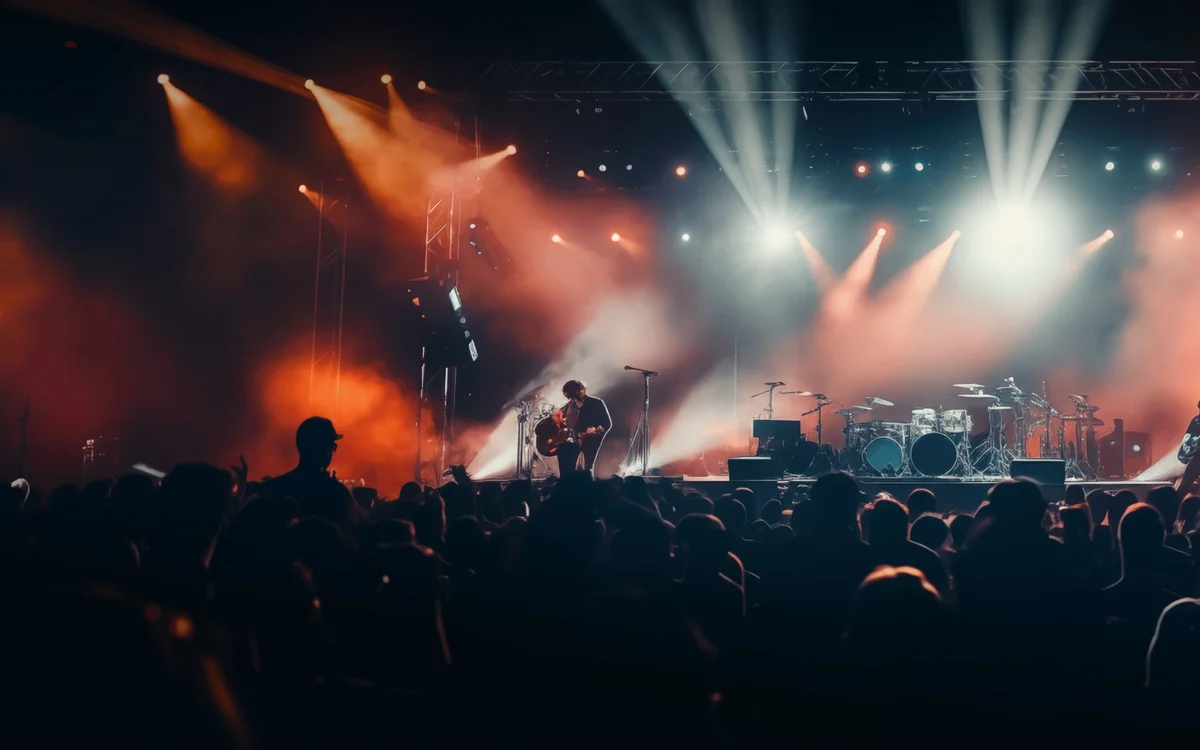
Some areas are naturally going to be more intense than others. Think about the front of the stage at a concert or a particularly popular exhibit. These are high-energy zones where things can get a bit wild. Security needs to be extra vigilant here, managing the flow of people and making sure no one gets pushed around too much. On the flip side, you've got restricted areas, places like backstage, VIP lounges, or control rooms. Access to these spots needs to be super tight. Only authorized personnel should be allowed in, and that means strict credential checks at every entry point to these zones. It’s about layers of security to protect sensitive areas and people.
Here’s a quick rundown of what to focus on:
- Clear identification: Ensure all security staff and authorized personnel have easily visible identification
- Zone awareness: Understand which areas are high-traffic, high-energy, or restricted, and tailor your presence accordingly
- Communication: Maintain constant communication between patrolling staff and command centers
- De-escalation: Train staff in basic de-escalation techniques to handle minor disturbances
It’s easy to get caught up in the excitement of an event, but security’s job is to remain calm and focused. Their presence and actions can significantly influence the overall safety and experience for everyone attending.
Implementing Advanced Security Technology
When you're managing a big event, especially when things get hectic, having the right tech on your side makes a huge difference. It's not just about having cameras; it's about using them smartly and connecting everything so your team knows what's happening, right now.
Utilizing surveillance for real time monitoring
Think of surveillance cameras as your eyes all over the venue. Modern systems go way beyond just recording. They can use analytics to spot unusual activity, like a group of people suddenly moving in one direction or someone lingering in a restricted zone. This lets your security team respond before a small issue becomes a big problem. It's about seeing potential trouble spots as they develop, not after the fact. We're talking about high definition feeds that can zoom in on details, giving your operators a clear picture of what's going on, from entry gates to the main stage.
Employing metal detectors and bag scanners
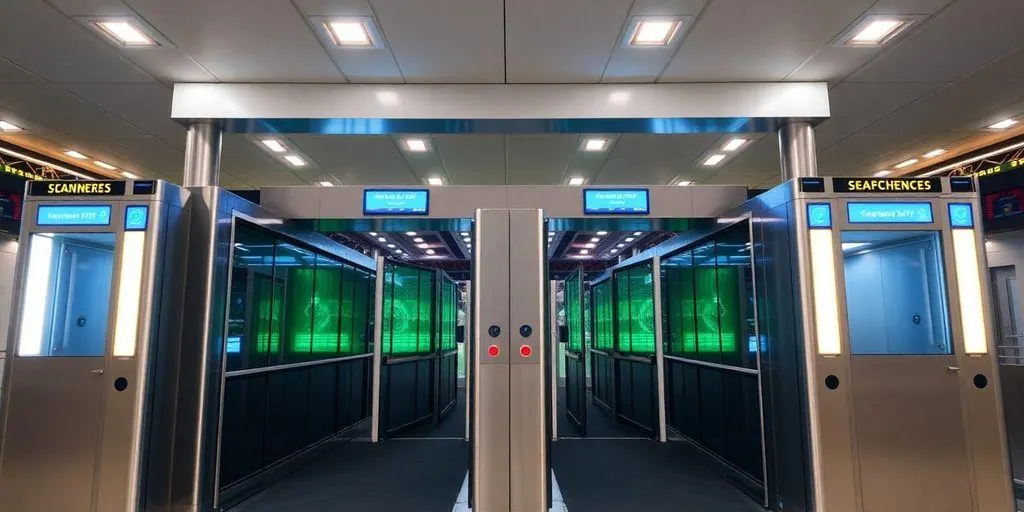
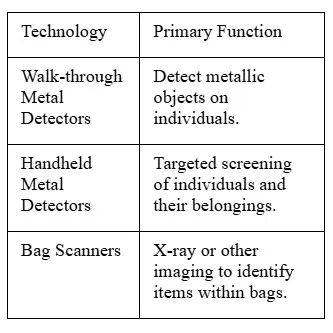
These are your first lines of defense at entry points. Metal detectors, especially the newer walk-through ones, are pretty standard now. But don't forget about handheld wands for secondary checks. For bags, advanced scanners, similar to what you see at airports, can quickly identify prohibited items without needing to open every single bag. This speeds up entry while still being thorough. It’s a balance between efficiency and making sure everyone is safe.
Here’s a quick look at what these tools can do:
Leveraging communication devices for coordination
Having everyone on the same page is key. Reliable communication devices are non negotiable. This means more than just walkie-talkies. Think about encrypted radios, secure mobile apps, and even dedicated communication channels for different teams (security, medical, operations). Clear, instant communication prevents confusion and allows for rapid deployment of resources when needed. If there's an incident, your team needs to talk to each other without delay or interference. It’s the backbone of a coordinated response.
The goal with technology isn't to replace human judgment, but to give your team better information and faster ways to act on it. It’s about making smart decisions based on real-time data, not just gut feelings.
Preparing for and Responding to Emergencies