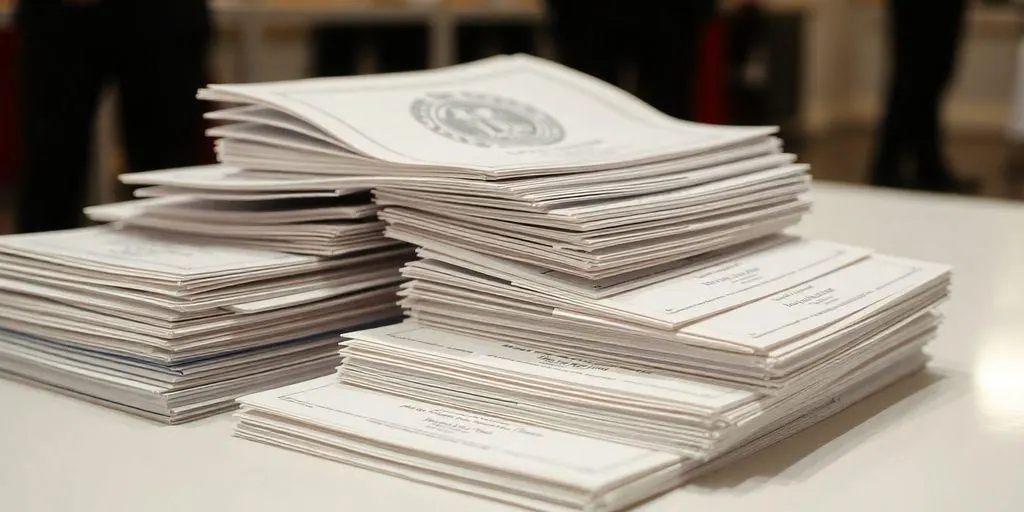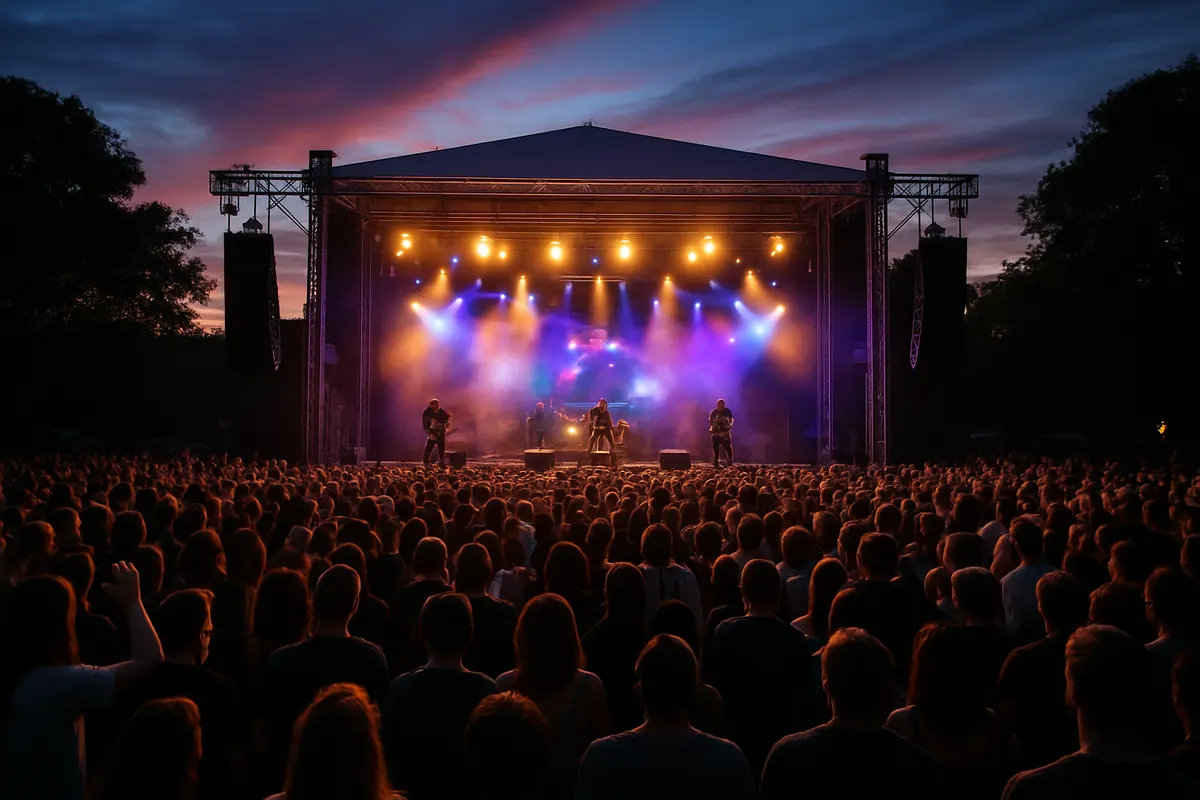
So, you're getting ready for a trade show or event, and you've got your booth design all figured out. That's great! But have you thought about the paperwork? It sounds boring, I know, but honestly, getting the right Event Permits and insurance sorted out is super important. It's like the behind the scenes stuff that keeps everything running smoothly and stops potential headaches down the road. Think of it as your safety net, making sure your show doesn't get shut down or hit with unexpected fees.
Understanding Essential Event Permits
Getting your event paperwork in order might not sound like the most exciting part of planning a show, but trust me, it's super important. Think of permits as the official OK to operate, making sure everything is safe and follows the rules. Without them, you could face fines, or worse, your whole event could get shut down before it even starts. It’s all about making sure your space is safe for everyone who walks through the door.
Navigating fire safety and occupancy permits
Most events, especially indoor ones with lots of people, need fire safety and occupancy permits. These permits basically say your venue is up to code for the number of people expected. It’s not just about having enough exits, it’s about making sure the space can handle the crowd safely. For example, the City of Austin requires specific life safety standards for trade shows, meaning you have to submit detailed floor plans showing booth layouts and exits. These plans need to be reviewed by local authorities, and sometimes inspections are needed to confirm everything is as it should be. If your booth involves anything a bit unusual, like cooking demos or special electrical setups, these permits become even more critical. You'll often need to show that materials used, like fabrics for displays, are flame-retardant. It’s a good idea to check with your venue early on what specific fire safety requirements they have.
Securing special activity permits
Beyond the general safety permits, you might need additional ones if your booth is doing something out of the ordinary. This could be anything from live cooking demonstrations and operating machinery to using special effects or selling products directly. For instance, if you're planning to cook food for attendees, you'll likely need a permit for that specific activity, which might involve health department checks. Similarly, if you're showcasing large equipment, there are permits to ensure it's set up and operated safely. Some places might even require a sales tax permit if you plan to sell items at the event. It’s best to think about all the activities planned for your booth and then check with the event organizers or local authorities about what extra permits might be necessary. Getting a permit for a special event often involves submitting a request form, and upon approval, you'll receive a contract that includes an insurance form.
The role of documentation and insurance in permits
When you apply for permits, you'll almost always need to provide supporting documents. This usually includes things like your event floor plan, a list of activities, and proof of insurance. Having a solid general liability insurance policy is often a requirement for getting permits, typically with coverage amounts like $1 million to $2 million. This insurance acts as a safety net, protecting you if something unexpected happens, like an accident or injury at your booth. You’ll also need to keep records of all your permits, applications, and insurance certificates handy. This organized documentation is super helpful during the event for any spot checks and makes future planning much easier. It’s wise to keep all these papers organized and accessible throughout the show.
Proactive Permit Compliance for Exhibitors
Getting your permits sorted out before the show even starts is a smart move. It really cuts down on stress later. Think of it like prepping for a big project, the more you do upfront, the smoother things go. This means getting familiar with the general rules for booths, like what you can and can't bring in, and then really digging into the specifics for the location you're exhibiting in. Sometimes there are rules about using union workers for certain jobs, or special licenses if you're selling things directly. Being on top of this stuff means fewer surprises and a much better experience for everyone involved.
Familiarizing with general booth guidelines
Every event has its own set of basic rules for how booths should be set up. These often cover things like the maximum height your booth can be, how much space it can take up, and where it can be placed. It’s also important to know about any prohibited items or activities. These guidelines are usually in the exhibitor manual provided by the event organizers. Reading this thoroughly is your first step to making sure your booth fits within the event's framework.
Addressing location specific rules
Beyond the general guidelines, each venue or city might have its own unique requirements. This could include things like needing specific permits for electrical work, or rules about food and beverage service if you plan to offer samples. Some places might require you to use only licensed local contractors for certain setup tasks, or have specific fire safety regulations that go beyond the basic requirements. It’s worth checking with the event organizers or the venue directly to understand these location-specific details. For example, some convention centers require all fabric materials used in a booth to be certified as flame-retardant.
Maintaining organized documentation
Keeping your paperwork in order is just as important as getting the permits themselves. You'll want to have a dedicated folder or binder that includes copies of all submitted applications, approval letters, inspection reports, and your insurance certificates. This makes it easy to pull up any document if someone from event management or a safety inspector asks for it during the show. Having everything neatly organized not only helps during the event but also makes planning for future shows much simpler, as you'll have a clear record of what was needed and approved.
Keeping all your permits and related documents in one accessible place is key. It’s not just about having them, but being able to present them quickly if asked. This shows you’re prepared and respect the event’s regulations.
Here’s a quick checklist to help you keep track:
- Copies of all submitted permit applications
- Approved permits and any associated licenses
- Certificates of Insurance (COIs) meeting event requirements
- Inspection reports or sign offs
- Any variance or special permission letters
- Contact information for your permit liaison or event manager
Insurance: Your Shield Against Liability
Look, nobody likes dealing with paperwork, right? But when it comes to putting on a show, especially a trade show or a big event, insurance isn't just some extra thing to think about. It's actually a pretty big deal. It’s your safety net, protecting you and your business if something goes wrong. Think of it like this: you wouldn't drive a car without insurance, and you probably shouldn't run an event without it either.
Obtaining a certificate of insurance
So, what's the first step? You need a Certificate of Insurance, or COI. This is basically a summary of your insurance policy. It shows what kind of coverage you have, how much it's for, and when it's active. It's like your insurance ID card. You'll need to get this from your insurance provider. Make sure the business name on the COI exactly matches the name you use for your business, like on your contracts or licenses. If it doesn't match, it can cause problems. It’s easy to forget to update this, but it’s important. You can find more details on what's needed for specific situations, like excavation work, with resources for excavation contractor insurance.
Understanding coverage requirements
What kind of insurance do you actually need? That depends on your event, but generally, you'll want General Liability insurance. This covers things like injuries to people or damage to property that might happen because of your event. Sometimes, you might need other types of coverage too, depending on what you're doing. For example, if you're serving food or alcohol, you might need liquor liability. It's always a good idea to talk to your insurance agent about what's best for your specific event. They can help you figure out the right amount of coverage, too. For events in Canada, K&K offers insurance protection, with a minimum General Liability premium of $2,500.
The importance of additional insured status
This is a big one that trips people up. Often, the venue or the main event organizer will want to be listed on your insurance policy as an "Additional Insured." What does that mean? It means they get some of the same protection from your policy that you do. If someone gets hurt at your booth and decides to sue, they could sue you and the venue. By being listed as an additional insured, the venue is covered by your insurance. This is usually done with an endorsement, which is like an add-on to your main policy. Without this, your insurance might not meet the contract requirements, even if the rest of your policy looks good. It’s a common mistake to miss this, so always double-check your policy documents or ask your agent to confirm it's included. Having this status shows you're prepared and reduces risk for everyone involved.
Custom Booths and Contractor Compliance
When you're designing a custom booth, things get a bit more involved than just a standard setup. You've got to think about materials, who's building it, and making sure everyone's playing by the rules. It's not just about looking good; it's about safety and avoiding a whole lot of trouble.
Meeting flame retardant Material Standards
This is a big one, especially for anything that goes up, like canopies or backdrops. Most venues, and definitely the fire marshal, want to see proof that your materials won't go up like a torch. You'll need to get a flame-retardant certificate for your booth materials. This usually means working with suppliers who can provide this documentation. If your booth has any kind of ceiling or overhead structure, you might also need to think about things like smoke detectors or even sprinkler system compliance, depending on the venue and local codes. It’s best to check the exhibitor manual for your specific show to see what’s required.
Registering Exhibitor Appointed Contractors (EACs)
If you're not using the official show decorator for everything, and instead hire your own crew, your Exhibitor Appointed Contractors, or EAC,s you have to tell the show organizers. This usually needs to be done well in advance, often 30 days or more before the event starts. Both you and the EAC need to submit paperwork. This includes things like your company details and the contractor's information. It’s a way for the organizers to keep track of who’s working on the show floor and to make sure everyone is properly vetted.
Ensuring contractor insurance meets requirements
This ties right into the EAC point. When you register your EAC, you’ll both need to provide proof of insurance. The show organizers will have specific requirements for this insurance. It needs to cover the work the contractor is doing, from setting up your booth to taking it down. This protects you, the EAC, and the event organizers from liability if something goes wrong. You’ll typically need a Certificate of Insurance (COI) that lists the show organizer and the venue as additionally insured. It’s a good idea to get this sorted out early, as insurance applications can sometimes take a bit of time.
Keeping all this documentation organized is key. Think of it as your shield against unexpected problems. Having copies of flame retardant certificates, EAC registrations, and insurance policies readily available can save you from a lot of stress if an inspector comes by or if there's a question about your setup.
Here’s a quick rundown of what you might need:
- Flame Retardant Certificates: For all fabric, drapery, and wood components
- EAC Registration Forms: Submitted by both you and your chosen contractor
- Certificates of Insurance (COIs): Showing adequate coverage and listing required parties as additionally insured
Getting these details right upfront means you can focus on what you do best, showcasing your products and services, without worrying about paperwork headaches.
The Application and Approval Process
Getting your event permits sorted out can feel like a maze, but it's really about following a process. Think of it like building something, you need the right plans and approvals before you start construction. The application and approval phase is where you lay that groundwork.
Submitting applications and floor plans
First things first, you need to figure out exactly what paperwork the event organizers and the local authorities require. This usually starts with the exhibitor manual provided by the event. Don't just skim it; read it carefully. If you're unsure about anything, reach out to the event organizers directly. They're there to help clarify requirements. For example, if your booth involves cooking or serving food, you'll almost certainly need health permits. If you're setting up any kind of temporary structure, like a stage or a special display, expect to need permits for that too. Local rules can be quite different from one city or state to another, so doing your homework is a big deal. Missing even one permit could cause major headaches, maybe even stop your participation.
When you submit your application, it's not just about filling out forms. You'll often need to include detailed floor plans. These aren't just sketches; they need to show where everything goes, your booth layout, exits, any cooking equipment, stages, and fire safety features. The more detail you provide, the easier it is for the authorities to approve your plans. It's like giving them a clear picture of what you intend to do.
Scheduling inspections and securing approvals
Once your applications are in, the next step is getting them approved, which often involves inspections. The timing for these inspections can really vary. It depends on the type of permit and the local rules. Some permits might be quick, while others take longer. It's best to schedule these as soon as possible after submitting your application. You want to make sure all approvals are in hand before the event even starts, and that they cover the entire duration of your participation.
It’s always a good idea to keep a copy of everything you submit and any correspondence you have with the permitting agencies. This way, if there’s a question later on, you have proof of what was submitted and approved.
Here’s a general idea of what to expect:
- Application Submission: Get your forms and floor plans in. Aim to do this well in advance, think weeks, not days
- Review Period: Authorities will review your submission. This is where they check if everything meets the codes
- Inspection Scheduling: If required, you'll schedule a time for an inspector to visit your booth or the venue
- Approval: Once everything checks out, you'll receive your official permit
Adhering to Submission Deadlines
This is probably the most important part: deadlines. Most places want applications submitted anywhere from 30 to 90 days before the event. Some specialized permits, like those for electrical work or anything involving pyrotechnics, might need even more lead time. Don't wait until the last minute. Starting the process early, even just to have a conversation with the permitting agency, can save you a lot of stress. It gives you time to correct any mistakes and handle unexpected issues. Missing a deadline can mean you can't participate, plain and simple.
Onsite Management of Event Permits