Getting people to come to your event is one thing, but making sure they have a good time and want to come back is another. That's where the post-event survey comes in. It's not just about asking 'Did you like it?' It's about figuring out what made your event a hit and what fell flat, so you can do even better next time. Think of it as your secret weapon for making every event a sellout.
Leveraging Post-Event Survey Insights
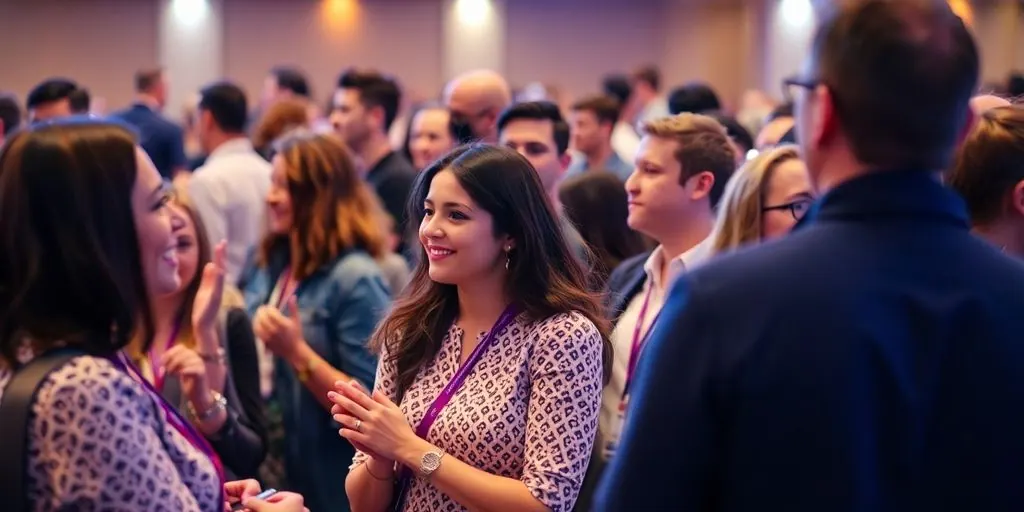
So, the event is over. Now what? You've put in all the work, and people showed up. But the real magic happens after the event, when you start digging into what everyone thought. Post-event surveys are your secret weapon for figuring out what went right and, more importantly, what needs a tweak for next time. It’s not just about collecting opinions; it’s about gathering intel that directly shapes your future events.
Understanding attendee satisfaction
This is where you get the lowdown on whether people actually enjoyed themselves. Were they happy with the venue? Did the speakers hit the mark? Was the food decent? Asking direct questions about their experience helps you see the event through their eyes. Knowing how satisfied your attendees were is the first step to making them want to come back.
Here’s a quick look at what you might want to ask:
- How would you rate your overall satisfaction with the event?
- Did the event meet your expectations?
- How likely are you to recommend this event to a friend or colleague?
Identifying areas for improvement
Nobody’s perfect, and that includes event planning. Surveys are your chance to find out what didn’t quite work. Maybe the WiFi was spotty, or the schedule felt a bit rushed. These aren't complaints; they're opportunities. Pinpointing these weak spots means you can fix them before the next event rolls around.
Think about questions like:
- What was your favorite part of the event?
- What could we have done better?
- Were there any technical issues you encountered?
Gauging event impact
Beyond just satisfaction, you want to know if your event actually did anything. Did it help people learn something new? Did it change how they feel about your brand? Did it connect them with the right people? Measuring this impact shows the real value your event provided.
Consider asking:
- What was your biggest takeaway from the event?
- How did this event influence your perception of our organization?
- Did you make any valuable connections at the event?
Crafting Effective Post-Event Surveys
Alright, so you've wrapped up your event, and now it's time to figure out what worked and what didn't. That's where your post-event survey comes in, but just sending out a generic questionnaire isn't going to cut it. You need to actually craft a survey that gets people talking and gives you the good stuff.
Designing specific and engaging questions
Forget those one-size-fits-all templates. Your survey needs to be tailored to the event you just hosted. Think about the unique elements, was it the venue, a specific speaker, the networking opportunities, or maybe the food? Ask about those things directly. Instead of a vague "How was the event?", try something like "How satisfied were you with the Q&A session with our keynote speaker?" or "On a scale of 1 to 5, how would you rate the variety of food options available?". This level of detail is what helps you pinpoint exactly what made your event a hit or a miss. The more specific your questions, the more actionable your feedback will be. You can find some great examples of specific questions to get you started here.
Customizing surveys for each event
This ties right into the last point. Every event is different, right? A tech conference will have different needs and expectations than a local community fair. So, your survey should reflect that. If you had breakout sessions, ask about those. If it was a virtual event, inquire about the platform's usability. A little customization goes a long way in making attendees feel heard and understood. It shows you're not just going through the motions; you genuinely care about their experience.
The importance of timely distribution
Timing is everything. You want to send out your survey while the event is still fresh in everyone's minds. Think within 24 to 48 hours after the event concludes. If you wait too long, people forget the details, or their feedback might be influenced by other things. It's like asking someone about a movie they saw a month ago, the impact is lessened. Sending it out promptly increases the chances of getting honest, detailed responses. If you don't get enough responses initially, don't be afraid to send a polite reminder a few days later.
Maximizing Survey Response Rates
Getting people to actually fill out those post-event surveys can feel like pulling teeth sometimes, right? You put in all this work planning the event, and then you're left hoping someone will take a few minutes to tell you what they thought. But it doesn't have to be a struggle. There are some smart ways to get more eyes on your survey and, more importantly, more honest answers.
Implementing strategic incentives
Let's be real, everyone likes a little something extra. Offering a small reward can make a big difference in getting those survey responses. Think about what your attendees would appreciate. Maybe it's a discount on their next ticket, early access to recordings, or even a chance to win a prize. It doesn't have to be huge, just enough to show you value their time and feedback.
- Discount on future events: A classic for a reason. It encourages repeat business
- Entry into a prize draw: People love the chance to win something bigger
- Exclusive content access: Offer early access to session recordings or bonus materials
The power of follow up reminders
Not everyone will see that first email, or maybe they just got busy. Sending a polite reminder or two can really boost your response rate. Just don't overdo it, nobody likes being spammed. A good strategy is to send a reminder a few days after the initial survey, and maybe one more a week later if needed. Keep the reminder message short and sweet, reminding them of the value of their feedback.
Timing is everything. Send your survey soon after the event while the experience is still fresh in everyone's mind. Then, follow up strategically to catch those who missed the first go-around.
Ensuring anonymity for honest feedback
People are more likely to be candid when they know their responses are private. Make it clear that the survey is anonymous. This helps attendees feel comfortable sharing their true thoughts, both good and bad. You want to hear what really worked and what didn't, and anonymity is key to getting that unfiltered feedback. It’s about improving, not pointing fingers.
Key Takeaways for Higher Response Rates:
- Keep it brief: Long surveys get abandoned. Aim for clarity and conciseness
- Make it easy: Ensure the survey is mobile-friendly and loads quickly
- Personalize (where possible): A simple
Analyzing and Acting on Feedback
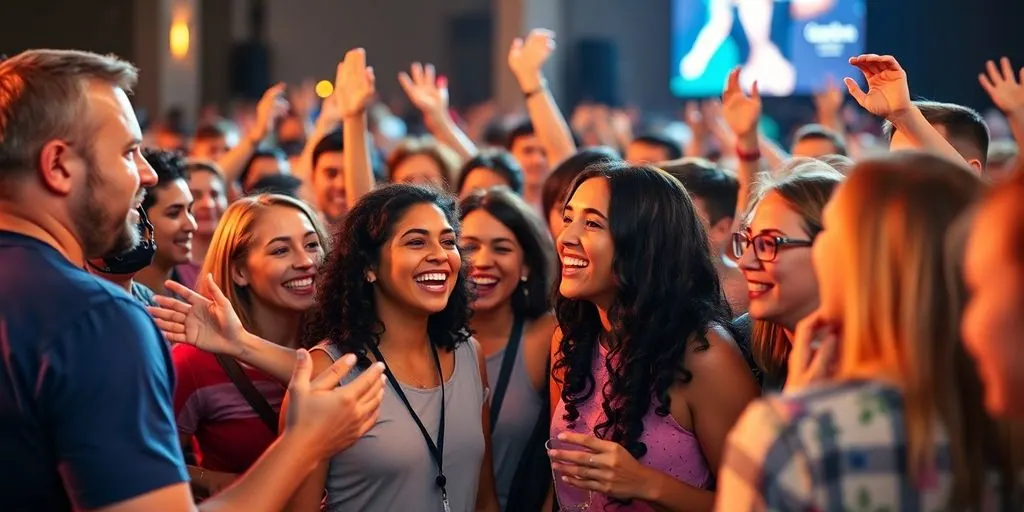
So, you’ve sent out your post-event surveys and the responses are starting to roll in. That’s fantastic! But honestly, the real work begins now. It’s not enough to just collect this feedback; you’ve got to actually do something with it. Think of this data as your event’s report card. It tells you what got an A+ and what needs a bit more study time.
Evaluating what worked well
First off, let’s celebrate the wins. Look through the survey results and pick out the things attendees consistently loved. Was it the keynote speaker? The venue? The networking opportunities? Pinpointing these successes is super important. It tells you what to keep doing, and maybe even do more of, for your next event. This is the stuff that makes people come back.
Here’s a quick look at common positives:
- Speaker Quality: Did attendees find the speakers engaging and informative?
- Networking: Were there enough opportunities for people to connect?
- Venue & Logistics: Was the location easy to get to, and were things like registration smooth?
- Content Relevance: Did the topics covered hit the mark for your audience?
Addressing constructive criticism
Now for the tougher part: the feedback that points out areas for improvement. Don’t shy away from this. This is where the real growth happens. If multiple people mentioned the coffee line was too long, or that a particular session ran over time, that’s actionable information. It’s not about dwelling on the negatives, but about understanding them so you can fix them next time. Remember, attendees are telling you how to make their experience better, which ultimately helps you sell more tickets.
Treat negative feedback not as a personal attack, but as a free consultation on how to improve. It’s a chance to refine your process and make your next event even stronger.
Translating data into future success
So, you’ve identified the good and the not-so-good. What’s next? You need to turn these insights into a concrete plan. This means looking at the patterns in the feedback and deciding on specific changes. For example, if networking was a hit, maybe you dedicate more time or space to it next year. If a specific topic got a lot of interest, perhaps you build a whole new event around it.
Here’s a simple way to think about it:
- Categorize: Group similar feedback points together (e.g., all comments about food, all comments about speakers)
- Prioritize: Decide which issues are most important to address based on how many people mentioned them and their impact on the attendee experience
- Action Plan: For each priority item, decide exactly what you will do differently next time. Assign responsibility if you have a team
Building Loyalty Through Post-Event Engagement
Your event might be over, but the work of keeping attendees interested and coming back for more is just beginning. Think of it as keeping the party going, even after the music stops. This is all about making people feel connected to your event and your brand long after they’ve left. It’s not just about getting them to attend once; it’s about turning them into regulars.
Maintaining momentum after the event
Once your event wraps up, don't just disappear. Send out a sincere thank you note to everyone who attended. Share highlights from the event, maybe some great photos or short video clips. This keeps the positive vibes going and reminds people of the good time they had. It’s like giving them a little souvenir of the experience.
Fostering online communities
Creating a space where attendees can keep talking to each other and to you is a smart move. This could be a private Facebook group, a Slack channel, or even just a dedicated section on your website. Here, people can share their own photos, discuss what they learned, and connect with others who share similar interests. This ongoing interaction builds a sense of belonging and makes your event feel like more than just a one-off occasion. It becomes a community they want to be a part of.
Utilizing feedback for future event marketing
Remember those post-event surveys? The feedback you get is pure gold for marketing your next event. If people loved the networking opportunities, highlight that in your next campaign. If they suggested a new topic, see if you can include it. Use testimonials from happy attendees in your promotional materials. This shows potential new attendees that your event is well-received and constantly improving based on what people actually want.
Here’s a quick look at how feedback can shape future marketing:
- Highlighting Popular Sessions: If survey data shows a specific speaker or workshop was a huge hit, make sure to feature them prominently in ads for the next event
- Addressing Concerns: If attendees mentioned issues with registration or venue access, use your marketing to show how you’ve improved these areas
- Showcasing Attendee Success: Share anonymized success stories or quotes from attendees about how the event helped them, whether it was career advancement or new business connections
Building loyalty isn't just about the event itself; it's about the relationships you build before, during, and especially after. Keep the conversation going, make people feel heard, and they'll be lining up for your next event.