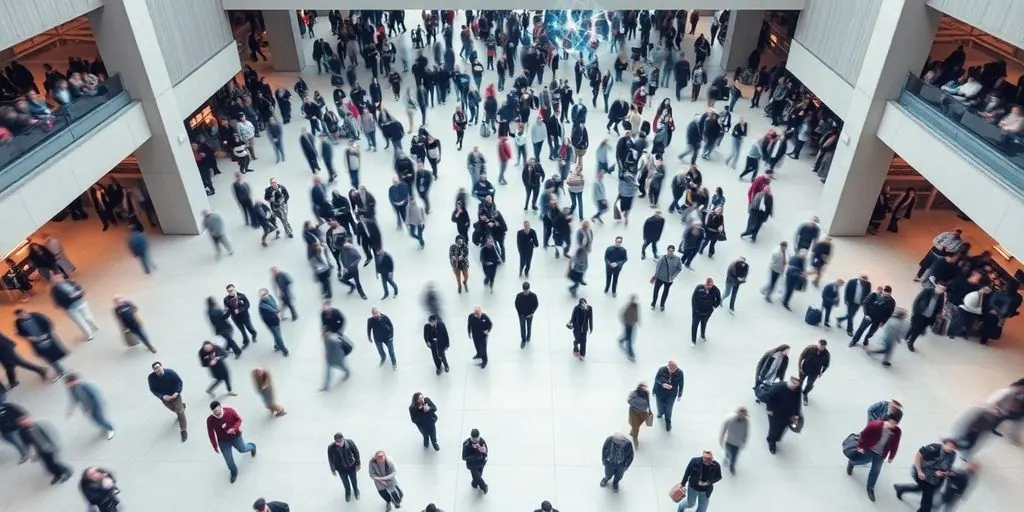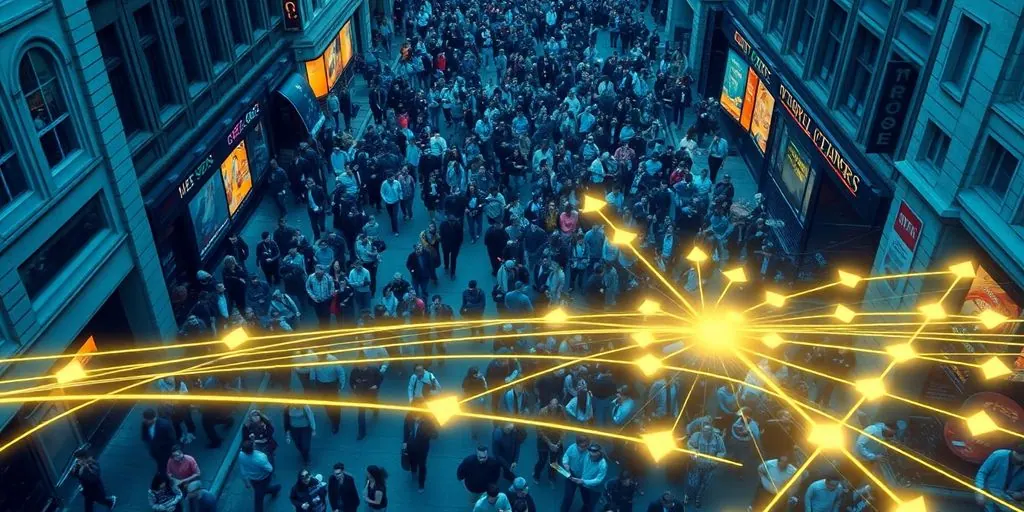
Imagine being able to see into the future of a bustling event, knowing exactly where crowds might gather and how to keep everyone moving smoothly. That's not science fiction anymore. With AI, we can now predict how large groups of people will behave. This helps prevent those annoying bottlenecks and makes sure everyone stays safe and has a good time. It's all about using smart technology to make big gatherings work better for everyone involved.
Key Takeaways
- AI agents help manage crowds by watching and understanding what's happening in real-time, then using that info to guess what might happen next.
- Using AI for crowd behavior forecasting helps us figure out when and where things might get too busy, so we can plan ahead and use our resources wisely.
- AI video analysis makes public spaces safer by spotting unusual actions and helping emergency teams respond fast.
- AI helps event planners make better decisions about venue layouts and entry/exit plans, which makes events run smoother and safer.
- Even with all the good stuff, using AI for crowd management has its own set of challenges, like privacy concerns and making sure the data is good, so human oversight is still important.
Understanding AI Agents in Crowd Management
What Are AI Agents?
AI agents are basically smart software designed to do things that usually need a human brain. Think making decisions, solving problems, and learning from what happens. In crowd management, these agents look at data, guess how crowds will act, and then put plans in place to handle big groups of people well. They use algorithms and machine learning to process tons of data super fast. This helps them spot patterns that people might miss, so they can see problems coming and fix them before they get bad. AI crowd management software is a game changer.
Real-Time Monitoring and Analysis
One of the best things about AI agents is that they can watch and analyze data as it's happening. They use sensors, cameras, and other tools to get info on how many people there are, how they're moving, and where things are getting crowded. Then, they use this data to make quick decisions. This means you can react right away to problems, like telling people to go a different way if one area is too packed, or sending more staff to help where it's busy. This helps stop problems before they start, making events safer and smoother.
Predictive Modeling and Behavioral Insights
AI agents are great at guessing what will happen next. They use old data and current trends to predict the future. In crowd management, this means they can guess how people will act and spot possible dangers. For example, they can predict when the busiest times will be for entering and leaving, so organizers can get ready and make sure people don't have to wait too long. They can also give you insights into behavior by looking at data and finding trends.
Effective crowd management is super important for keeping people safe and happy at any event. If crowds aren't managed well, it can lead to problems like long lines, overcrowding, and even dangerous situations like stampedes. By using AI agents, event organizers can lower these risks and make sure everyone has a better time.
Leveraging AI for Predictive Crowd Behavior Forecasting
AI isn't just about reacting to what's happening now; it's about figuring out what's going to happen next. In crowd management, this predictive capability is a game-changer. By analyzing data, AI can forecast crowd behavior, allowing for proactive measures that prevent bottlenecks and ensure safety. It's like having a crystal ball, but instead of magic, it's powered by algorithms.
Anticipating Peak Congestion Times
One of the most impactful uses of AI is predicting when and where crowds will be at their largest. Think about it: a concert venue, a busy train station, or even a popular shopping district. AI can analyze historical data, event schedules, weather forecasts, and even social media trends to anticipate peak congestion times. This allows organizers to adjust staffing, security, and traffic flow in advance, preventing overcrowding and potential hazards. For example, AI and ML are used to predict congestion times at entry and exit points, allowing organizers to adjust security measures and optimize traffic flow accordingly.
Optimizing Resource Allocation
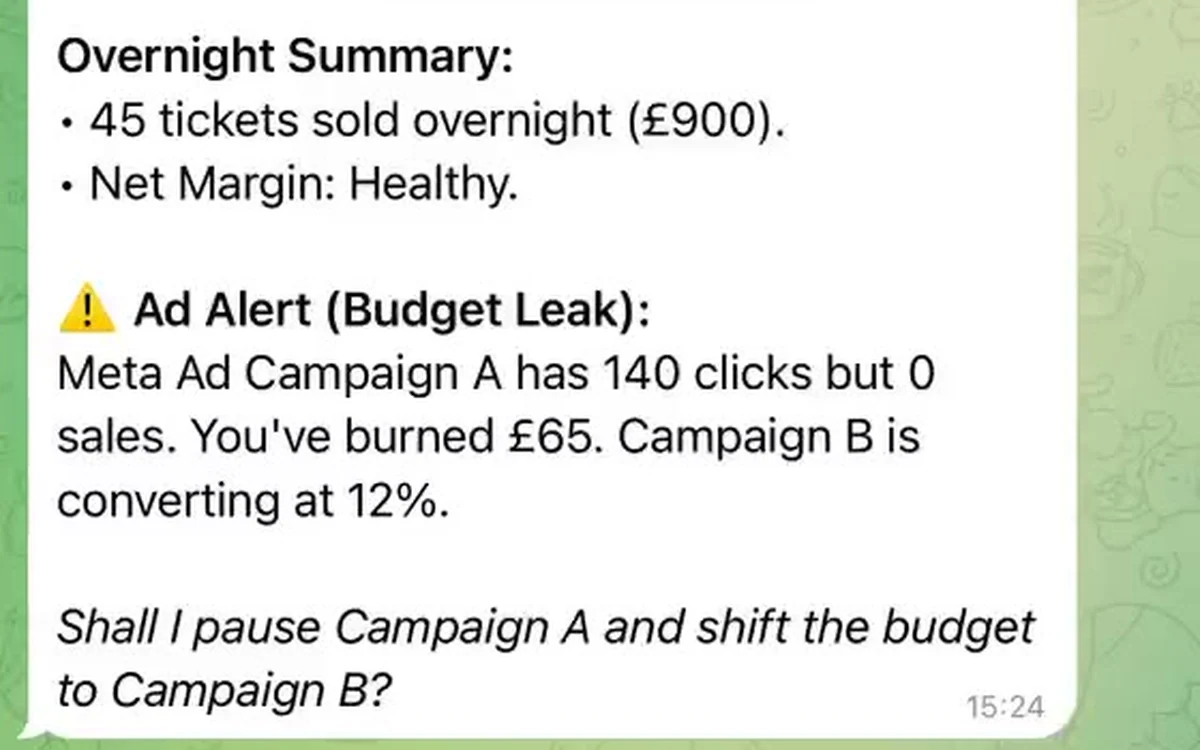
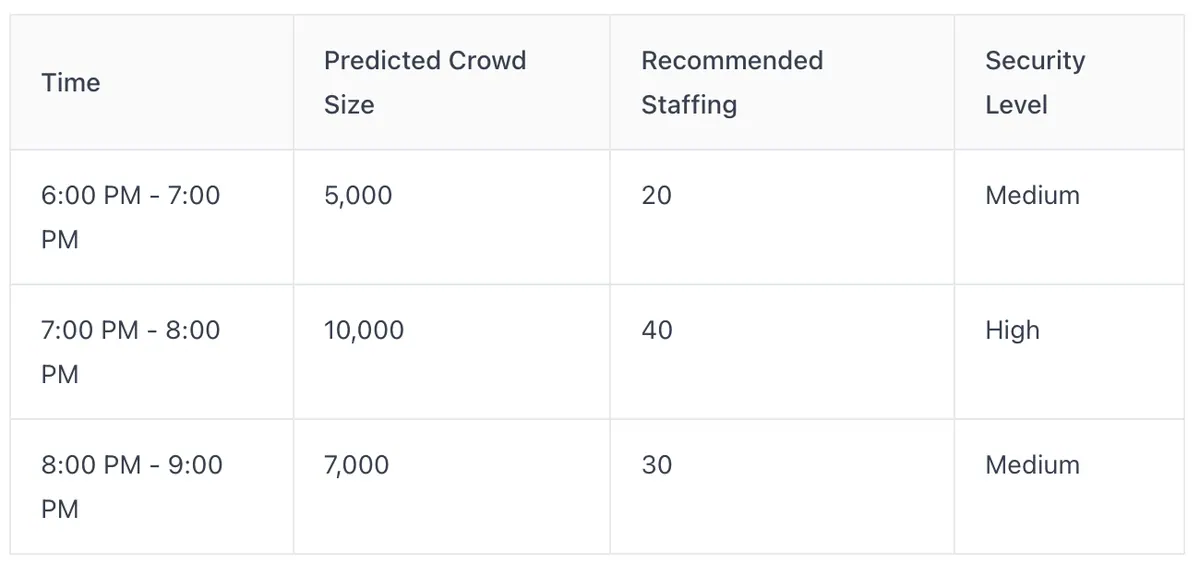
Knowing when and where crowds will gather is only half the battle. The other half is using that information to allocate resources effectively. AI can help optimize resource allocation by determining the optimal number of staff, security personnel, and even the placement of amenities like restrooms and food vendors. This ensures that resources are available where they're needed most, improving the overall experience for attendees and reducing operational costs.
Consider this scenario:
Proactive Intervention Strategies
AI doesn't just predict; it enables proactive intervention. By identifying potential risks and bottlenecks before they occur, AI allows for the implementation of strategies to mitigate those risks. This could involve rerouting traffic, adjusting entry and exit points, or even sending targeted messages to attendees via mobile apps. The goal is to prevent problems before they escalate, ensuring a safe and enjoyable experience for everyone.
Imagine a scenario where AI detects a potential bottleneck forming near a concert stage. Instead of waiting for the situation to worsen, the system automatically adjusts the lighting to guide people away from the congested area, while also sending messages to nearby attendees suggesting alternative routes. This proactive approach can prevent a dangerous situation from developing.
Enhancing Public Safety with AI Video Analytics
Real-Time Crowd Monitoring for Public Safety
AI-driven video analytics is super useful for keeping an eye on crowds in real-time. It lets authorities spot overcrowding, track how people are moving, and see any risky behavior. Think about big events like concerts or sports games. Video analytics systems can give live updates on how dense the crowd is, pointing out possible bottlenecks or areas that are too packed. By watching these things as they happen, event planners and security can quickly send help or guide people to safer spots, which lowers the chance of accidents or stampedes. Plus, these systems can also pick up on weird behavior, like sudden rushes or people running, which could mean there's an emergency. This early warning system means people can step in quickly, keeping everyone safer. This is especially useful for crowd density.
Detecting Abnormal Behavior
In places like airports, train stations, and shopping centers, it's really important to keep an eye on big groups of people. AI-powered video analytics helps security teams watch these areas all the time, spotting anything suspicious or any possible dangers. For example, if someone hangs around in a restricted area, leaves a bag unattended, or acts strangely, the AI system can immediately tell security to check it out. By giving instant alerts for unusual behavior, AI in video analytics helps stop potential security problems, making sure the public is safe. Also, AI systems can compare people against databases or security lists, quickly finding people of interest. This is super helpful in busy places where it's hard for people to watch everything effectively. Real-time threat detection is a game changer.
Supporting Emergency Response with Live Data
During emergencies, like fires, natural disasters, or public unrest, AI video analytics becomes a key tool for managing large groups of people. By looking at how crowds are behaving in real-time, AI systems can figure out the safest ways to get people out and guide them accordingly. For example, if one exit gets blocked or too crowded, the AI system can suggest other routes, which helps prevent panic and makes the evacuation smoother. AI video analytics also lets emergency responders see how big the crowd is, how fast they're moving, and how dense they are, so they can focus on the areas that need help right away. This real-time information is super important for keeping large groups safe, lowering casualties, and handling emergencies more effectively. It's all about live data.
AI video analytics is changing how we handle public safety. It's not just about watching; it's about understanding and reacting quickly to keep people safe. This technology is becoming more and more important in our daily lives.
Optimizing Event Management and Crowd Flow
Event management is a tough job, especially when you're dealing with lots of people. AI can really help make things smoother and safer. It's not just about counting heads; it's about understanding how crowds move and anticipating problems before they happen. Let's look at how AI can change the game.
Balancing Crowd Flow and Improving Safety
AI helps event organizers keep things moving smoothly and safely. It's all about preventing bottlenecks and making sure everyone has a good experience. Think about a concert: AI can monitor crowd density in real-time and suggest opening up new entry points or redirecting people to less crowded areas. This keeps the flow going and reduces the risk of overcrowding. Effective crowd management is key.
- Real-time monitoring of crowd density.
- Automated alerts for potential bottlenecks.
- Dynamic adjustment of entry and exit points.
Data-Driven Venue Layouts
AI can analyze data from past events to help organizers design better venue layouts. This means thinking about where to put stages, food vendors, and restrooms to minimize congestion and maximize flow. It's not just about guessing; it's about using data to make informed decisions. For example, if data shows that a particular area always gets crowded after a certain act, organizers can adjust the layout to alleviate that issue in future events. Data-driven decisions are the best decisions.
Streamlining Entry and Exit Protocols
Getting people in and out of an event quickly and safely is crucial. AI can help streamline entry and exit protocols by predicting peak times and identifying potential bottlenecks. This allows organizers to open additional gates or adjust security protocols as needed. AI-driven systems can also provide real-time updates to attendees via mobile apps or digital signage, guiding them to less crowded entry points and reducing congestion. This not only enhances the attendee experience but also improves overall safety. Consider these points:
- Predicting peak entry and exit times.
- Optimizing security checkpoint locations.
- Providing real-time updates to attendees.
AI can also help with emergency planning. By simulating different scenarios, organizers can identify potential evacuation routes and develop strategies to quickly and safely move people out of the venue in case of an emergency. This proactive approach can save lives and minimize injuries.
Addressing Challenges in AI Crowd Management
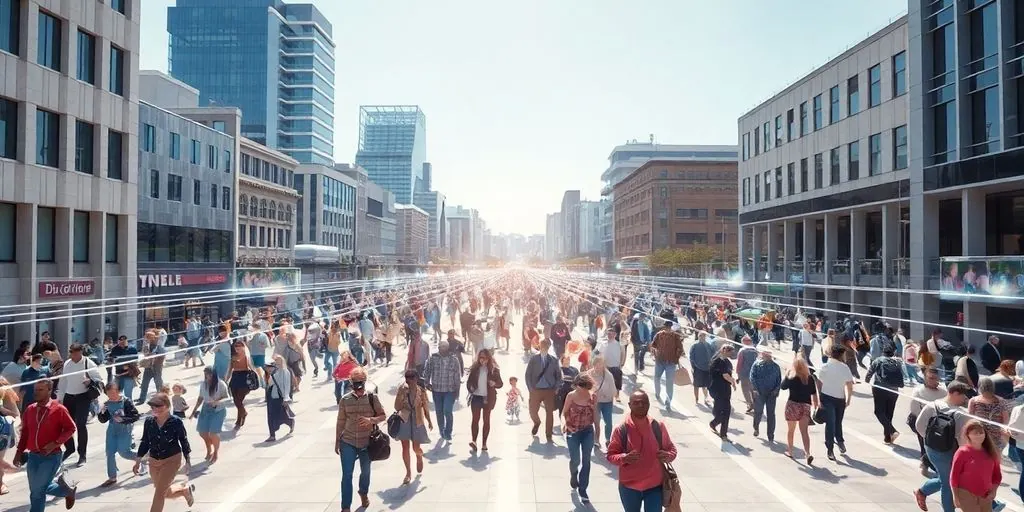
AI in crowd management offers great promise, but it's not without its hurdles. We need to think about the ethical side, the tech limitations, and how to keep humans in the loop. It's not just about cool algorithms; it's about using them responsibly.
Ethical Considerations and Data Privacy
One of the biggest worries is data privacy. Using AI often means collecting and analyzing personal data, like through facial recognition or location tracking. This raises serious questions about how that data is stored, used, and protected. It's important to be upfront with people about what data is being collected and why. Event organizers need to follow data protection rules, like GDPR, and be clear about how they're using the information. Transparency builds trust.
Technical Limitations and Data Quality
AI isn't perfect. Its predictions are only as good as the data it gets. If the data is bad or incomplete, the AI will make mistakes. For example, if the AI cameras have poor image quality, the system might misinterpret crowd density. It's important to invest in good data collection and keep updating the AI with new information. Also, AI systems can be expensive to set up and maintain, which can be a barrier for some organizations.
Ensuring Human Oversight
AI can help, but it shouldn't be the only decision-maker. Humans need to be involved to check the AI's work and make sure decisions are fair and reasonable. AI can spot patterns, but humans can understand context and make judgments that AI can't. It's about finding the right balance between AI and human expertise.
It's important to remember that AI is a tool, not a replacement for human judgment. We need to use it carefully and ethically to make sure it benefits everyone.
The Future of AI in Crowd Management