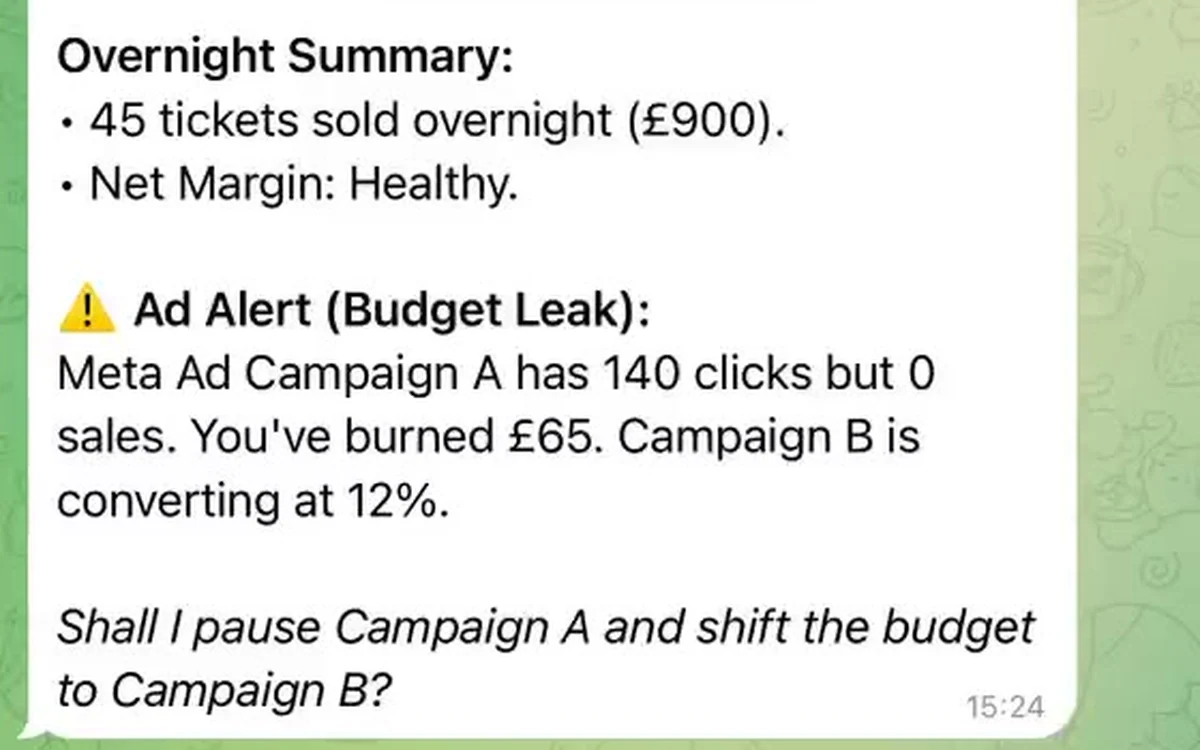
Getting tickets for a big event can feel like a battle sometimes, right? Everyone's trying to snag a spot, and if you're not careful, you could end up losing money or missing out entirely. This article is all about the common slip-ups people make during a Ticket On-Sale, from pricing blunders to marketing fails. We'll break down what can go wrong and how you can avoid those costly mistakes.
Understanding The Event Ticket On Sale Process

Getting tickets for popular events can feel like a battle, and understanding how the whole process works is the first step to actually winning. It’s not just about clicking fast; there are a lot of moving parts that can trip you up if you’re not paying attention. Many people think it’s just a free for all, but there’s a lot more to it than that.
Common pitfalls during an event ticket on sale
So, you’re ready to buy tickets, but what can go wrong? Plenty, unfortunately. One big issue is not being prepared. People often don’t have their payment info ready, or they’re not logged into the ticketing account beforehand. This wastes precious seconds when tickets are flying off the digital shelves. Another common problem is getting stuck in a virtual queue for ages, only to find out your desired seats are gone by the time you get through. And let’s not forget the dreaded website crash. High traffic can bring even the most robust systems to their knees, leaving you staring at an error message instead of your tickets.
Navigating high demand event ticket on sales
When a show is super popular, like a major artist’s tour, the demand can be insane. You’re often competing with thousands, sometimes millions, of other fans. It’s not uncommon for only a small fraction of seats to be available during the initial public sale. A lot of tickets are often held back for fan clubs, special credit card holders, or sponsors. This means even if you’re online the second sales start, you might not get tickets because they weren’t available to the general public in the first place. It’s a bit like a lottery, and sometimes, you just don’t get lucky.
Key factors for a successful event ticket on sale
To increase your chances of scoring tickets, a few things really help. First, be organized. Have your payment details ready and be logged into your ticketing account before the sale even begins. Second, know your options. Are you flexible on seating location or price? Having a backup plan can be useful. Third, understand the sale process itself. Some sales have presales, some use lotteries, and some have different tiers of access. Knowing these details beforehand can make a big difference. It’s also helpful to be aware of when tickets are released; sometimes, more tickets become available closer to the event date.
It’s easy to get frustrated when buying tickets, but a little preparation can go a long way. Thinking ahead about your strategy and what you’re willing to accept can save you a lot of hassle and disappointment.
Pricing Errors That Impact Event Ticket Sales
Pricing tickets can feel like walking a tightrope. Get it wrong, and you could leave a lot of money on the table, or worse, alienate your potential audience before they even get a chance to buy. It’s not just about picking a number; it’s about understanding what the market will bear and what your event is truly worth.
The danger of overpricing event tickets
Look, nobody wants to feel like they’re being ripped off. When ticket prices are set too high, people notice. They might compare it to similar events, or maybe they just look at their own budget and decide it’s not worth it. This can lead to a lot of unsold seats, which is a direct hit to your revenue. Plus, if people think your event is overpriced, they might not even consider it for future shows. It’s a reputation killer, plain and simple. We've seen ticket prices climb faster than inflation over the years, and fans are definitely paying attention.
Underpricing event tickets and its consequences
On the flip side, underpricing is also a problem. You might sell out quickly, which feels good, but you’re essentially giving away potential profit. Think about it: if fans are willing to pay more, and you didn't ask for it, that’s money that could have gone back into making the event even better or into your pocket. Sometimes, promoters get a bit too optimistic about demand and then realize they’ve priced too low, leading to a scramble to adjust. It can confuse people and make them feel like the value isn't consistent. It’s a tricky balance to strike, and getting it wrong means you’re not maximizing your event's financial potential. For instance, some sales and promotions might silently continue applying discounts if not properly managed, chipping away at profits.
Dynamic pricing mistakes to avoid
Dynamic pricing, where ticket costs change based on demand, is a hot topic. While it can help capture more revenue when demand is high, it’s also a source of fan frustration. If prices jump significantly after someone has already committed or is in the process of buying, it can feel unfair. Artists and promoters need to be careful about how and when these price changes happen. Constantly tweaking prices during an on-sale period can lead to confusion and backlash. It’s often better to set a price and stick with it, or at least communicate any changes very clearly. Some artists choose not to use dynamic pricing at all, preferring a more straightforward approach. If you do decide to use it, make sure your system is robust and that the price adjustments are handled transparently. It’s a tool that needs careful handling, and missteps here can really damage fan trust. Remember, fans often just want to know if they got a ticket, not necessarily how the price fluctuated throughout the day.
Here are some common pricing errors:
- Not setting clear expiration dates for promotions: This can lead to ongoing discounts that eat into profits
- Failing to audit pricing systems: Even a few incorrect markdowns per day can add up significantly over time
- Ignoring market feedback: Pricing tickets without considering what similar events are charging or what your audience can afford is a big mistake
Pricing errors aren't just about leaving money on the table; they can also create legal issues if consumer protection regulations aren't followed. Keeping your pricing system clean and accurate is key to avoiding both financial and legal headaches.
Marketing Missteps for Event Ticket On-Sales
When you're trying to sell tickets, especially for a big event, how you get the word out really matters. It's not just about having tickets available; it's about making sure the right people know about them and how to get them. Messing up the marketing side of things can mean fewer people show up, or worse, that tickets end up sitting unsold, costing you a lot of money.
Insufficient online exposure for event tickets
Think about it: most people today find out about events online. If your ticket sale information isn't showing up where people are looking, you're basically invisible. This means not just posting on your own social media, but also considering targeted ads, event listing sites, and maybe even partnerships with fan pages or relevant blogs. If you're only relying on a single platform or a few old-school methods, you're missing out on a huge chunk of potential buyers. It’s like having a great product but keeping it hidden in a back room.
The importance of professional visuals
People are visual creatures. When they see an ad or a post about tickets, the first thing they notice is how it looks. Blurry photos, poorly designed graphics, or just plain boring images won't grab anyone's attention. You need visuals that are clear, exciting, and professional. This doesn't always mean hiring an expensive design firm, but it does mean putting some effort into making sure your promotional materials look good. A well-designed graphic or a sharp photo can make a big difference in how many people actually stop to read about your ticket sale.
Leveraging open houses for ticket events
Sometimes, especially for local events or community gatherings, an in-person approach can really help. An open house or a preview event before tickets go on sale can generate buzz and answer questions directly. It gives people a chance to see the venue, meet organizers, and get excited about what's coming. This personal touch can be very effective, especially if you're trying to build a community around your event. It also provides an opportunity to gather feedback and address any concerns people might have before the main ticket sale even begins.
Operational Failures During Event Ticket On Sales