We all look forward to the energy and excitement of outdoor events, but there’s one unpredictable factor that can make or break the experience: the weather. Inclement weather planning for outdoor events plays a huge role in whether people decide to show up, stick around, or skip out on outdoor gatherings entirely. A sudden downpour, blistering heat, or strong winds can quickly change everyone’s plans, leaving even the most carefully organized event feeling empty. Most of us make our decisions based on forecasts and whatever’s happening in the sky that day. Crummy conditions don’t just mess with comfort or safety, event logistics and the vibe of a crowd can flip in a heartbeat if the weather turns. We keep refreshing our weather apps, fingers crossed, but at the end of the day, what’s outside really decides who shows up.
Key Takeaways
- Bad weather really changes how many people show up and how comfortable they are.
- Event planning has to be flexible for changing weather.
- People often decide to go or not go at the last minute, based on the forecast.
- Different events handle weather differently; some are more sensitive than others.
- Weather can hit event finances hard, affecting ticket sales and local businesses.
How Weather Conditions Directly Affect Attendance
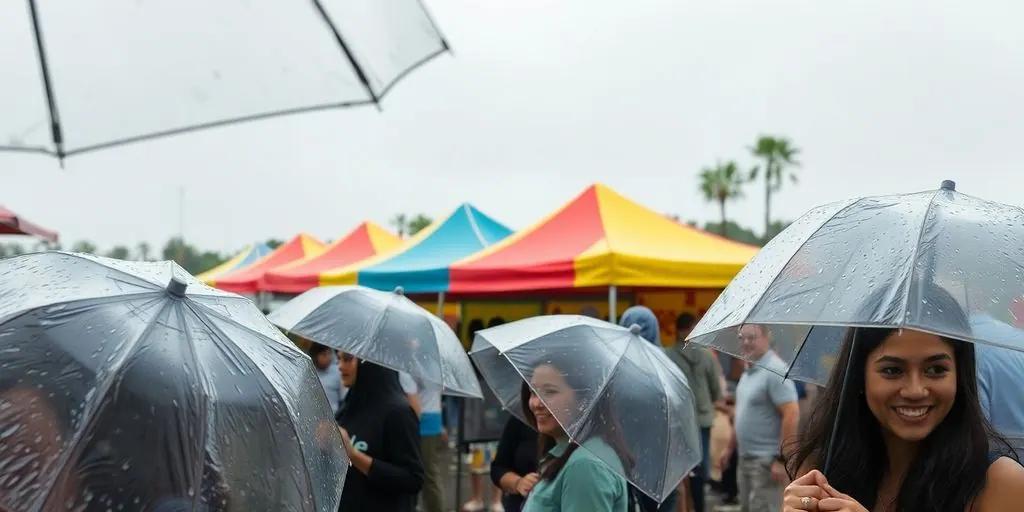
Our decision to attend an outdoor event often depends on the weather. When conditions become extreme, too hot, cold, wet, or windy, we naturally consider our comfort, safety, and how much fun we'll actually have before leaving the house.
Temperature Extremes: Too Hot or Too Cold
When it's sweltering, most of us retreat indoors to escape the heat. High temperatures can lead to dehydration, sunburn, and general discomfort, making hours at an outdoor event unappealing. It's not just about sweat and sticky clothes, there are real health risks, especially for kids and older adults. Icy winds and cold snaps? Not much better. Shivering through a concert or market isn't anyone's idea of fun. Turnout drops fast when the forecast calls for uncomfortable temperatures. Organizers often notice ticket sales lagging when extreme weather looms. Mild, pleasant days, though, tend to bring out bigger crowds. So, both heat and cold can mess with attendance, sometimes making us change our minds at the last minute and stay home. Consider climate change risks when planning your event.
Rain and Thunderstorms: The Unwelcome Guests
Rain and thunderstorms are notorious for dampening spirits and driving people away. Few want to sit through a downpour, even if they're equipped with umbrellas and raincoats. Thunderstorms bring the added threat of lightning, making outdoor gatherings downright dangerous.
I remember one outdoor concert I went to last summer. The music was great, but halfway through, a thunderstorm rolled in. Everyone scattered, seeking shelter under trees or running to their cars. The concert was canceled, and the whole experience was a soggy disappointment.
- Cancellations are common.
- Reduced visibility is a problem.
- Slips and falls increase.
Unexpected Wind and Its Mischief
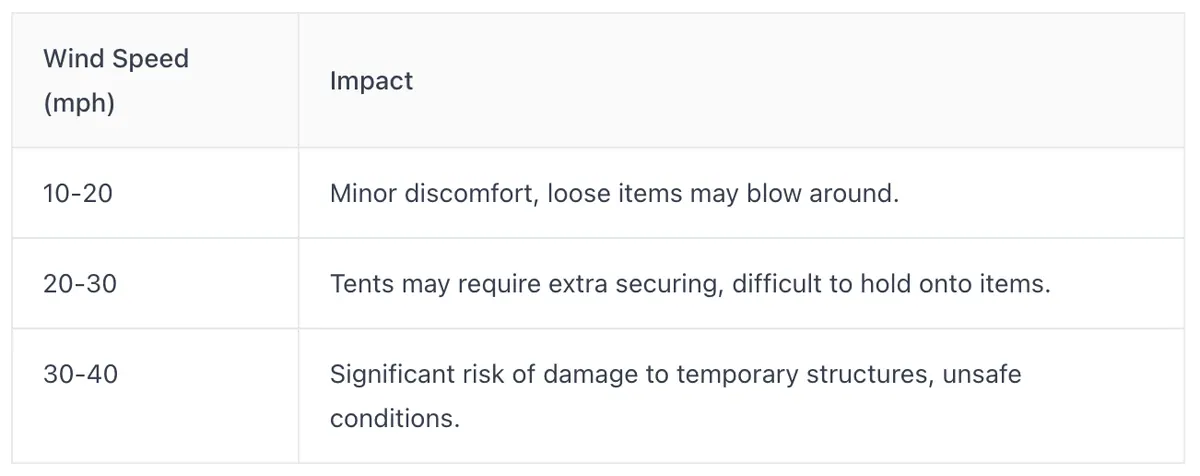
Unexpected wind can be more than just a nuisance; it can create safety hazards and disrupt event setups. Strong gusts can topple tents, blow away decorations, and make it difficult for vendors to operate. High winds can also make it uncomfortable for attendees, especially if they're trying to enjoy food or drinks.
Here's a quick look at how wind speed can affect an event:
Event Logistics Shaped by Weather
We all love the idea of outdoor events, but let's be real, the weather can totally mess things up. Weather has a huge impact on whether people show up, stay, or just bail on outdoor events. A sudden downpour, crazy heat, or strong winds can change everything, even if the event was super well-planned.
Most of us check the forecast and look outside before deciding what to do. Bad weather doesn't just make things uncomfortable or unsafe, it can flip event logistics and the whole vibe in a heartbeat. We're constantly refreshing our weather apps, hoping for the best, but at the end of the day, the weather decides who actually shows up.
Venue Adjustments and Cancellations
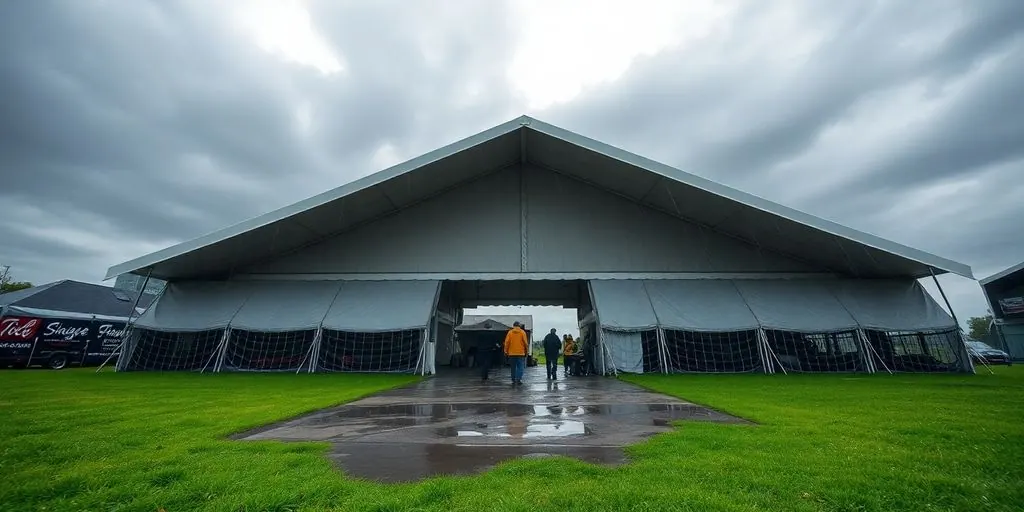
As event planners, we know weather can force us to switch venues, delay start times, or just cancel. Rain, heat, or surprise wind gusts push us to set up tents, rent canopies, or move things inside if we can. Last-minute changes shrink available space or cut down seating, which means guest flow needs a total rethink. Sometimes, severe storms or snow just make it impossible, or unsafe, for crews and guests to gather. Then we’re stuck juggling refunds, rescheduling, or maybe offering digital alternatives. It’s a headache, but safety and comfort always take priority. Good weather data is a lifesaver. We rely on phone alerts and detailed forecasts, not just crossed fingers. Sticking with reputable sources helps us keep everyone in the loop and cut down on confusion. For more on prepping for unpredictable weather, check out this event planning and weather guide.
Transportation and Parking Woes
Weather problems can start even before guests arrive. Heavy rain, snow, or ice can delay transportation, disrupt vendor deliveries, or reduce turnout. We scramble to figure out alternative routes, set up shuttle services from far-off parking spots, or warn people about possible delays. Parking lots can turn into mud pits, making it tough for cars to get in and out. Here's a quick look at how weather can impact travel:
- Rain: Reduced visibility, slippery roads, increased accidents. Expect delays.
- Snow/Ice: Road closures, extremely hazardous conditions. Public transport disruptions are common.
- Heat: Overheating vehicles, tire blowouts. Can cause traffic jams.
It's important to communicate these issues clearly and quickly. Use social media, email, and even signage to keep everyone informed and safe.
On-Site Operations and Safety Protocols
Weather can really mess with on-site operations. Setting up and taking down equipment becomes way harder in the rain or wind. Electrical equipment needs extra protection, and you have to make sure everything is secured to prevent accidents. Power outages are always lurking. Backup generators aren’t optional, they’re essential. If weather throws us a curveball, our tech crews have at least a few backup plans on deck. Every adjustment helps us keep things running, no matter what.
Type of Event and Weather Sensitivity
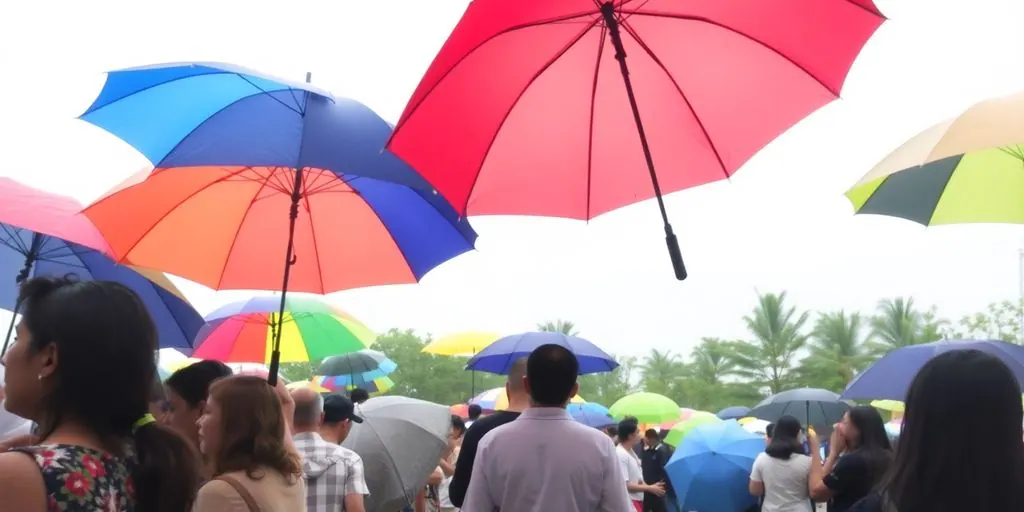
Different outdoor events react in their own way to weather. How attendees respond depends on the event type, what’s at stake, and how flexible the activities are. Some events are more weather-sensitive than others.
Sports vs. Music Festivals
Let’s be real, everyone knows someone who’ll watch their team play football in the pouring rain, but that same friend will bail on a music festival if storms are brewing. Sports fans are loyal and often willing to tough it out. Stadiums and big sports venues usually have partial covers or can shift game times to dodge weather issues. Music festivals, though, are sprawling outdoor productions with open stages, sensitive gear, and crowds, so storms mean extra risks. Electrical hazards and muddy grounds can cause delays or outright cancellations, which is a big safety and revenue concern. Some festival fans come ready with ponchos and boots, but severe or unpredictable weather often sends people home early or keeps them away. Sports enthusiasts might stick it out, but festival organizers usually won’t gamble with safety or comfort. For more information, check out this event planning and weather guide.
Family and Community Gatherings
Neighborhood barbecues and local fairs are even more sensitive to bad weather. These events are often run by volunteers or small groups, so weather-proofing is limited. Community tents just can’t compete with stadiums. Attendance at family reunions, outdoor weddings, or school carnivals drops fast if rain threatens. Not many of us want to sit through Grandma’s anniversary toast under a leaky tent. Hot, humid weather brings health risks, especially for older adults and kids, putting a damper on festivities.
When the weather turns, it’s not just about comfort, heat exhaustion, slick surfaces, and cancellations become real issues, and turnout almost always shrinks. We’ve all been to an event where attendance “depends on the weather,” and, honestly, that’s usually how it goes.
When planning a family gathering, always have a backup plan. If the weather looks iffy, consider moving the event indoors or postponing it to another day. This will help ensure that everyone stays comfortable and safe, and that the event is a success.
Long-Term Planning and Weather Trends
When planning outdoor events, it's more than just checking the short-term forecast. Looking at past weather and understanding typical patterns can help avoid problems and increase attendance.
Historical Weather Patterns and Attendance
Looking at old weather data is a smart move when predicting event success. Things like rain frequency, heatwaves, or unexpected cold snaps can give you a heads-up on potential issues. For example, if your town always has storms every third weekend in July, you can plan for tents or choose a different date. Most planners I know check at least the last decade of weather records, looking for unusual years. Using climatological forecasting can help you make informed decisions.
Past bad weather sticks in people’s minds. Even if the forecast is good, memories of muddy parking lots and traffic jams can keep people away. Showing you're prepared helps rebuild trust. Sometimes, when things seem risky, offering perks to ticket holders can encourage them to come.
Seasonal Preferences and Scheduling
The season affects more than just rain or sun; it shapes what people want to do. Outdoor concerts are popular in late spring, and autumn markets are packed when the air turns crisp. Matching your plans to the season gives you a better chance at higher turnout and happier guests.
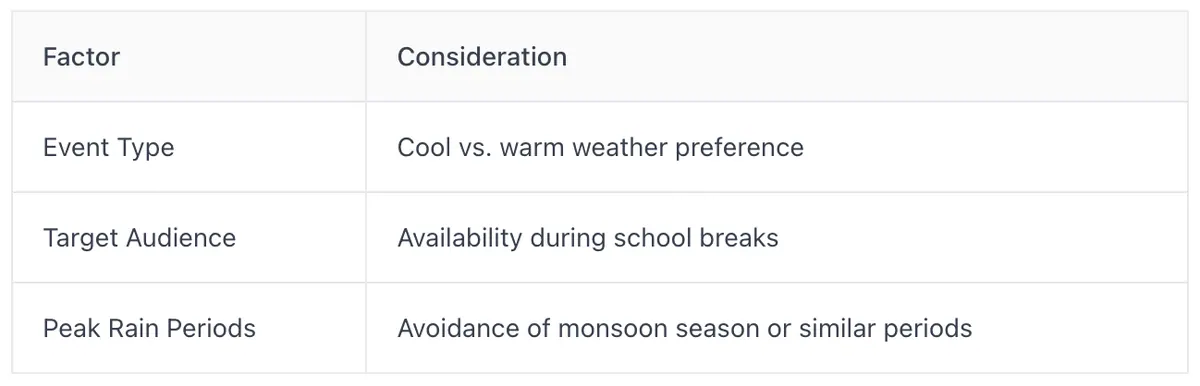
Consider these basics:
- Event Type: Is it better in cool or warm weather?
- Target Audience: Are families available during school breaks?
- Peak Rain Periods: Should you avoid monsoon season?
We pay attention to temperature, humidity, and daylight. July afternoons? Too hot, so we plan sunset events. Holidays and school breaks are also important.
Here's a quick cheat sheet: