Planning events can be a lot of work, right? From figuring out where to hold it to making sure everyone signs up, there's just so much to do. Sometimes it feels like you're drowning in little tasks. But what if there was a way to make all that easier? That's where event operations automation comes in. It's all about using smart tools to handle the routine stuff, so you can focus on making your event really great. This helps you save time, money, and even makes things better for the people attending.
Key Takeaways
- Automation makes event planning faster and more accurate.
- Using automated tools helps cut down on costs.
- Attendees get a better experience with things like quick check-ins and personal messages.
- Data from automated systems helps you make smart choices for current and future events.
- Picking the right automation tools and testing them out is important for success.
The Strategic Imperative of Event Operations Automation
Event operations automation isn't just a nice-to-have anymore; it's a strategic necessity for staying competitive and maximizing success in today's fast-paced event landscape. Think of it as the engine that drives efficiency and innovation, allowing event professionals to focus on what truly matters: creating memorable experiences. It's about shifting from reactive firefighting to proactive planning, and that shift can make all the difference.
Boosting Efficiency Through Automation
Automation streamlines workflows, eliminating bottlenecks and freeing up valuable time. Imagine not having to manually compile attendee lists or send out individual confirmation emails. That's the power of automation. It allows event teams to handle more events with the same resources, or even fewer, without sacrificing quality. It's about doing more with less, and doing it better. This also helps in automated event registration.
Reducing Costs with Streamlined Workflows
Time is money, and manual processes eat up a lot of both. By automating repetitive tasks, event operations automation directly reduces labor costs. But the savings don't stop there. Automation minimizes errors, which can lead to costly mistakes. Plus, it optimizes resource allocation, ensuring that you're not overspending on things like staffing or equipment. It's a smart investment that pays off in the long run.
Enhancing Collaboration Across Teams
Event planning often involves multiple teams working together, from marketing and sales to logistics and operations. Automation facilitates seamless communication and collaboration by providing a centralized platform for sharing information and tracking progress. No more endless email chains or confusing spreadsheets. Everyone stays on the same page, which reduces misunderstandings and improves overall efficiency.
Event operations automation is not just about saving time and money; it's about creating a more agile, responsive, and data-driven event organization. It's about empowering your team to focus on creativity, innovation, and delivering exceptional experiences for attendees.
Transforming Event Planning with Automation
Event planning can be a whirlwind of details, deadlines, and dependencies. But what if you could take a breath and let technology handle some of the heavy lifting? That's the promise of event operations automation. It's not about replacing the human touch; it's about freeing up your time and energy to focus on the creative and strategic aspects of event management. By automating repetitive tasks, centralizing information, and streamlining processes, you can transform event planning from a stressful scramble into a smooth, efficient operation.
Automating Repetitive Tasks for Accuracy
Let's face it: some tasks in event planning are just plain tedious. Think about manually entering attendee data, sending out individual confirmation emails, or updating spreadsheets with the latest RSVP counts. These are the kinds of tasks that automation can handle with ease, and with far greater accuracy. By using tools that automate these processes, you not only save time but also reduce the risk of human error. This ensures that your data is clean, your communications are consistent, and your event runs like clockwork. For example, event ticketing software can handle ticket sales, secure payment processing, and attendee list management.
Centralized Platforms for Seamless Management
Imagine having all your event information in one place: attendee lists, vendor contracts, schedules, budgets, and communication logs. That's the power of a centralized event management platform. Instead of juggling multiple spreadsheets, email threads, and documents, you can access everything you need from a single dashboard. This makes it easier to track progress, identify potential problems, and collaborate with your team.
A centralized platform also improves communication and transparency. Everyone involved in the event has access to the same information, which reduces confusion and ensures that everyone is on the same page.
Streamlining Event Planning Processes
Automation isn't just about individual tasks; it's about streamlining entire event planning processes. From initial concept to post-event analysis, automation can help you optimize every stage of the event lifecycle. For example, you can use automated workflows to manage vendor selection, contract negotiation, and payment processing. You can also automate the creation of event schedules, speaker briefings, and attendee communications. By streamlining these processes, you can reduce bottlenecks, improve efficiency, and ensure that your event is delivered on time and within budget.
Here's a simple example of how automation can streamline the event planning process:
- Automated Task Management: Use project management software to assign tasks, set deadlines, and track progress.
- Automated Communication: Set up automated email sequences to keep attendees informed about event updates and important information.
- Automated Reporting: Generate reports on key metrics, such as attendee registration, session attendance, and feedback scores.
Elevating the Attendee Experience Through Automation
Let's be real, attendees are the lifeblood of any event. If they're not having a good time, what's the point? Event operations automation isn't just about making things easier for the organizers; it's also about making the experience better for everyone who attends. Automation can transform a good event into a great one by focusing on the attendee journey.
Personalized Communication at Scale
Forget generic emails that get lost in the inbox shuffle. Automation allows for personalized communication that actually resonates with attendees. Think tailored welcome messages, session recommendations based on interests, and follow-up surveys that feel like a genuine conversation. It's about making each attendee feel seen and valued, even when dealing with hundreds or thousands of people. This can be achieved by using AI to improve virtual event engagement.
Automated Reminders and Notifications
No one likes missing a key session or forgetting about an important deadline. Automated reminders and notifications are a simple but effective way to keep attendees informed and engaged. Send out reminders about upcoming sessions, notify them of schedule changes, or even provide real-time updates during the event. It's all about providing the right information at the right time, without overwhelming them. This also reduces the workload for event staff, who can focus on more important tasks.
Optimizing Check-in and Reducing Wait Times
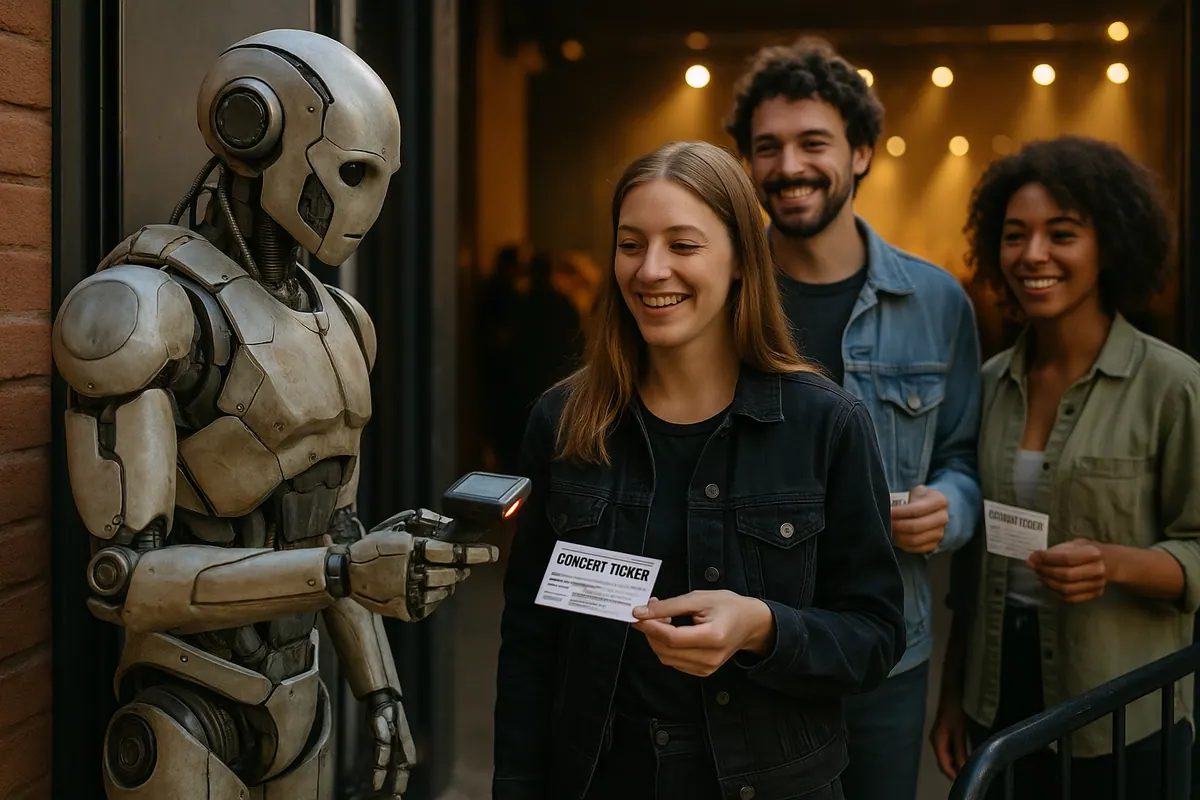
Long lines and chaotic check-in processes are a surefire way to start an event off on the wrong foot. Automation can streamline the check-in process, making it quick and painless for attendees. Think self-service kiosks, mobile check-in options, and automated badge printing. By reducing wait times and improving efficiency, you can create a positive first impression and set the stage for a great event. Consider using event ticketing software to manage ticket sales and registrations, which can significantly reduce manual effort and enhance the overall attendee experience.
Automation isn't just about efficiency; it's about creating a more enjoyable and engaging experience for attendees. By focusing on personalization, communication, and convenience, you can transform your event into something truly memorable.
Data-Driven Decisions with Event Operations Automation
Gaining Insights from Attendee Behavior
Understanding what attendees do at your event is super important. It's not just about counting heads; it's about seeing how they interact. What sessions did they attend? Which booths did they visit? What did they engage with on the event app? All this data can be gold. By tracking attendee behavior, you can see what's working and what's not. This helps you make better choices for future events. For example, if a particular session was packed, you know to offer similar content next time. If a certain area of the exhibit hall was empty, you can rethink the layout.
Real-time Reporting for Informed Choices
Having data is great, but having it now is even better. Real-time reporting lets you see what's happening as it happens. This means you can make changes on the fly. Is registration backing up? Open another line. Is a speaker running late? Send out a notification. Real-time data empowers you to be proactive, not reactive. This is especially useful for large events where things can change quickly. It's like having a finger on the pulse of your event, allowing you to adjust and optimize in real-time. You can use data-driven event planning to monitor progress.
Leveraging Data for Future Event Success
All the data you collect from your events is an investment in the future. It's not just about making the current event better; it's about making all your future events better. By analyzing past event data, you can identify trends, understand attendee preferences, and predict future behavior. This allows you to plan events that are more engaging, more relevant, and more successful. Think of it as a feedback loop: each event informs the next, leading to continuous improvement. You can use this data to improve [CRM for event management software].
Data analysis can reveal surprising insights. For example, you might discover that attendees from a certain industry are more likely to engage with specific types of content. Or that a particular marketing channel is more effective at driving registrations. These insights can help you fine-tune your event strategy and maximize your ROI.
Key Areas for Event Operations Automation
Event operations automation touches many aspects of event management. It's not just about cutting costs; it's about making things run smoother and giving you more time to focus on the important stuff. Let's look at some key areas where automation can make a real difference.
Automating Event Registration and Ticketing
Managing event registration and ticketing can be a real headache. Think about it: manually handling ticket sales, processing payments, and keeping track of attendee information. It's time-consuming and prone to errors. Automating this process can free up a significant amount of time and reduce the risk of mistakes. Using event ticketing software can streamline the entire process, allowing attendees to register and pay online, automatically updating attendee lists, and sending out confirmation emails. This not only makes things easier for you but also provides a better experience for your attendees. It's like having an online box office that's open 24/7.
Streamlining Event Promotion Efforts
What's the point of planning a great event if nobody knows about it? Event promotion is crucial, but it can also be a lot of work. Automating some of your promotion efforts can help you reach a wider audience and save time. For example, you can use tools to schedule social media posts, automate email marketing campaigns, and track the performance of your promotions. This allows you to see what's working and what's not, so you can adjust your strategy accordingly.
Managing Attendee Lists with Automation
Keeping track of who's attending your event can be a logistical nightmare, especially for large events. Manually managing attendee lists is not only time-consuming but also increases the risk of errors. Automation can help you manage attendee lists more efficiently. With the right tools, you can automatically update attendee lists as people register, track attendance at different sessions, and even send out personalized communications based on attendee information. This makes it easier to manage your event and provide a better experience for your attendees.
Event management automation is essential. If you find yourself buried under a mountain of manual tasks, your capacity to craft exceptional experiences is bound to suffer. Embracing automation is not just about efficiency; it's about creating better events.
Optimizing Revenue and ROI with Automation
Improving Revenue Through Automated Processes
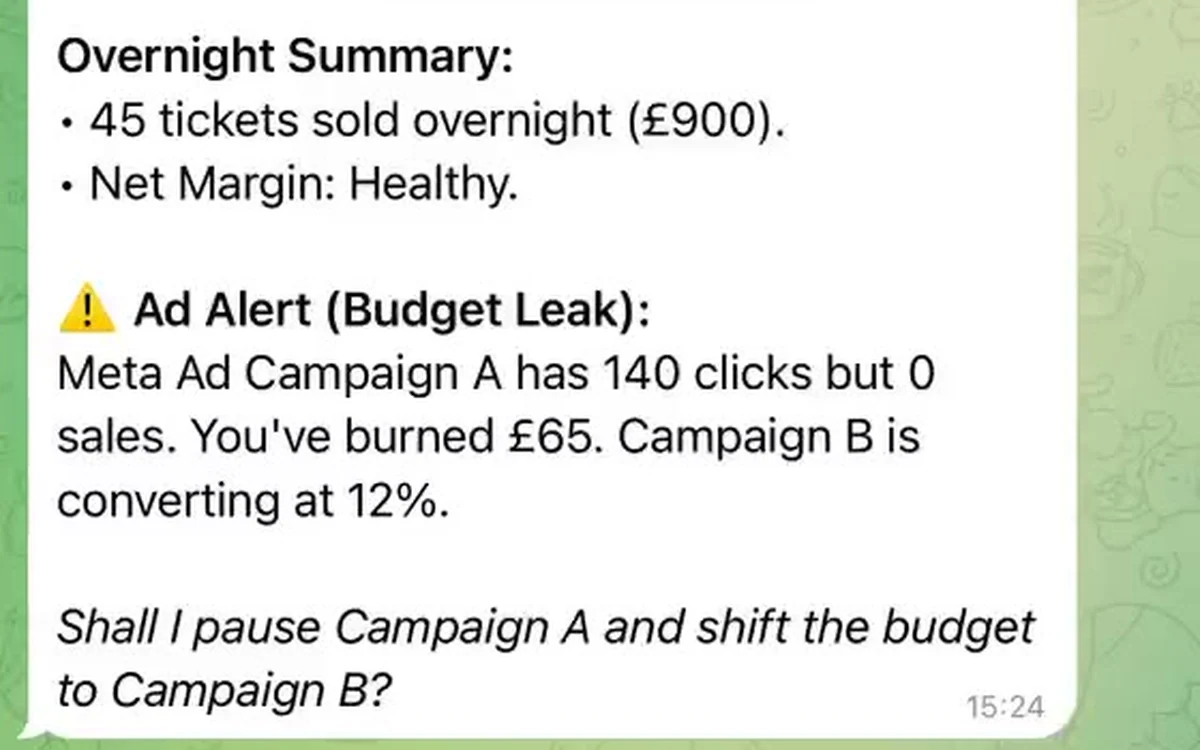
Okay, so let's talk money. Event automation isn't just about making things easier; it's about boosting your bottom line. Think about it: automated ticketing systems mean fewer abandoned carts because people can buy tickets anytime, anywhere. Automated email sequences can upsell VIP packages or merchandise. It's like having a tireless sales team working 24/7.
Maximizing Return on Investment
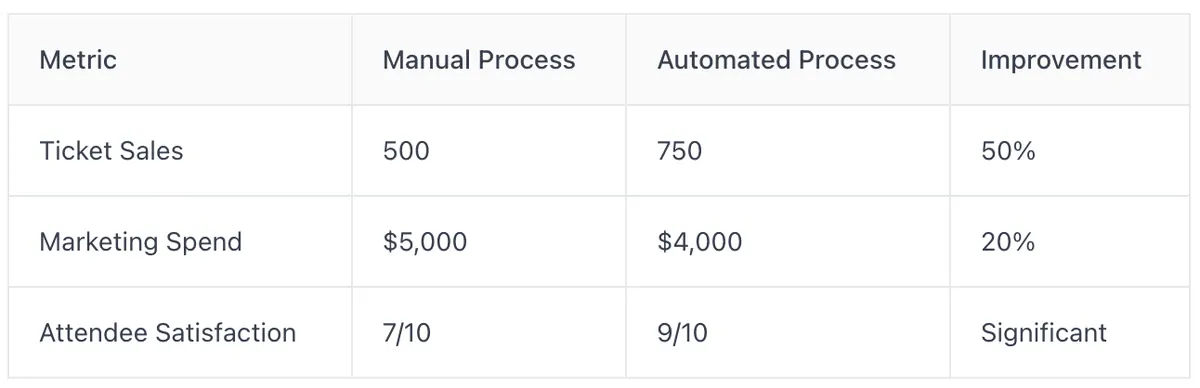
ROI, or Return on Investment, is the name of the game. Automation helps you track every dollar spent and earned. It's not just about the big picture; it's about the details. Which marketing channels brought in the most attendees? Which sessions were the most popular (and therefore, worth investing in more next time)? Automation gives you the data to make smart choices.
Here's a quick example:
Driving Results with Event Operations Automation
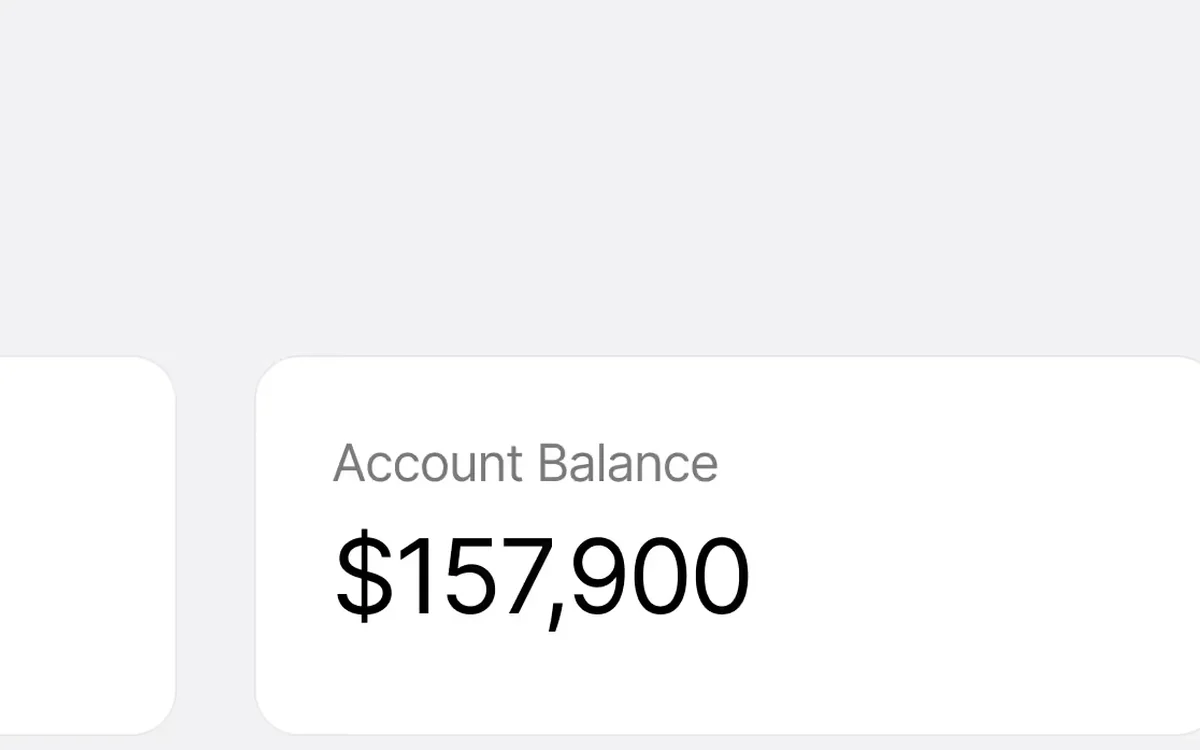
Ultimately, event operations automation is about getting real results. It's about more attendees, happier sponsors, and a healthier bank account. It's about using technology to make your events not just good, but great. It's about making data-driven decisions that lead to better outcomes, event after event. It's about creating a cycle of improvement, where each event builds on the successes of the last.
By automating repetitive tasks, you free up your team to focus on what really matters: creating amazing experiences for your attendees. That's where the magic happens, and that's where you'll see the biggest return on your investment.
Implementing Effective Event Operations Automation
It's one thing to understand the potential of event operations automation, and another to actually make it work for you. Let's talk about how to put these ideas into practice.
Choosing the Right Automation Tools
Selecting the correct tools is the first hurdle. Don't just jump at the shiniest new platform; consider your specific needs. Think about the size of your events, the complexity of your workflows, and your budget. A small non-profit might not need the same enterprise-level solution as a large corporate event planner. Look for tools that integrate well with your existing systems, like your CRM or event ticketing software. It's also a good idea to check out user reviews and case studies to see how well a tool has worked for others in similar situations.
Testing and Iterating Automation Workflows
Automation isn't a "set it and forget it" kind of thing. You need to test your workflows thoroughly before going live. Start with a small pilot program or a test event to identify any glitches or areas for improvement. Gather feedback from your team and attendees, and be prepared to make adjustments. This iterative approach is key to streamlining event planning processes and ensuring that your automation is actually making things easier, not harder.
Aligning Automation with Event Objectives
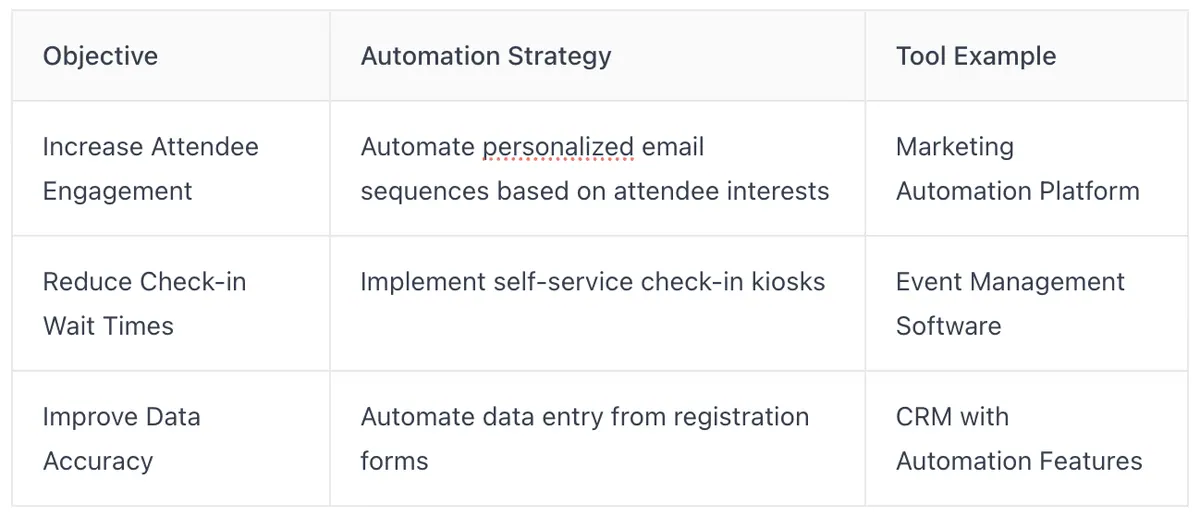
Automation for automation's sake is pointless. Every automated process should directly support your event objectives. Are you trying to increase attendance? Improve attendee engagement? Reduce costs? Make sure your automation efforts are aligned with these goals. For example, if your goal is to boost engagement, you might focus on automating personalized communication and interactive elements. If it's about cutting costs, look at automating tasks like data entry and reporting. This alignment will help you gain insights from attendee behavior and measure the true ROI of your automation initiatives.
It's important to remember that automation is a tool, not a magic bullet. It requires careful planning, implementation, and ongoing monitoring to be effective. Don't be afraid to experiment, but always keep your event objectives in mind. With the right approach, automation can transform your event operations and help you achieve new levels of success.
Here's a simple example of how to think about aligning automation with objectives: