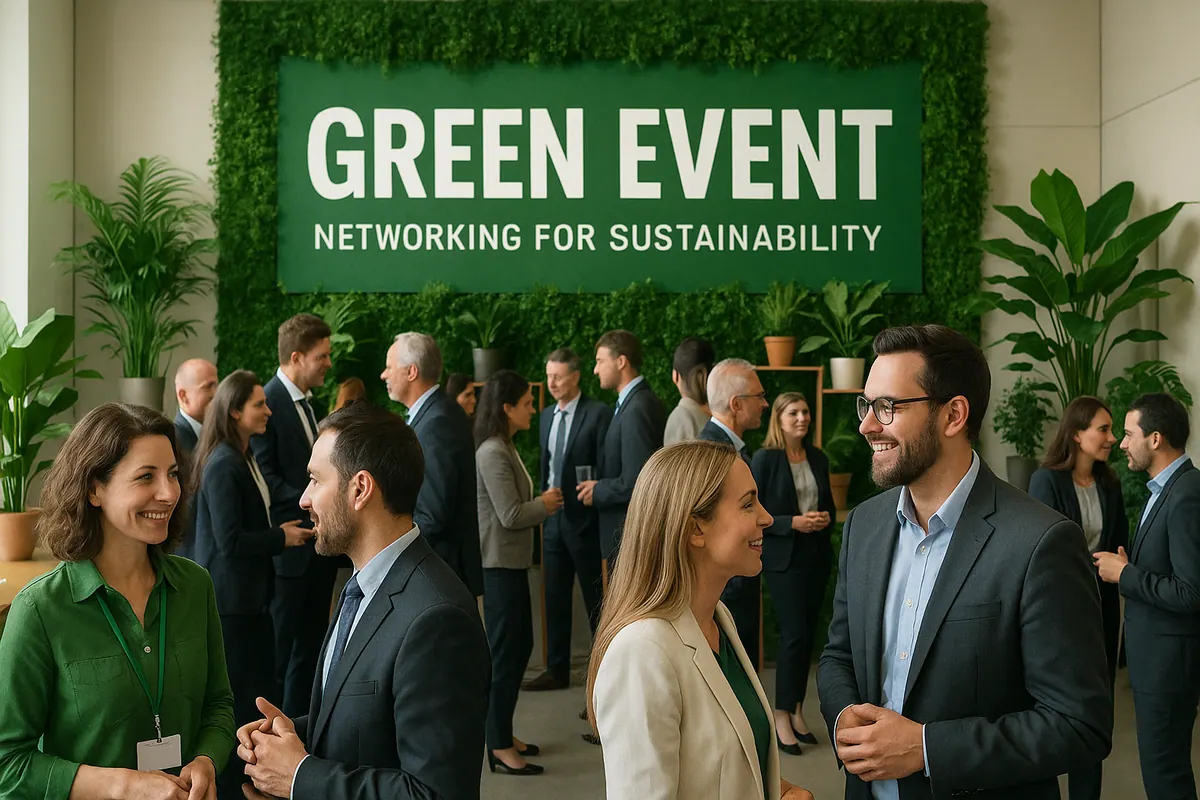
The world of events is changing. People are more aware of environmental issues, and Europe has new rules about being green. This means event planners and venues need to step up their game. We're talking about everything from how much trash an event makes to where the food comes from. This article will look at what these new rules mean and how event businesses can make sure they're doing things the right way. It's not just about following rules; it's about doing good business and helping the planet.
Key Takeaways
- New European rules, like the Corporate Sustainability Reporting Directive, make companies report on their environmental impact, which affects event planning.
- Event businesses need to cut down on carbon emissions, manage waste better, and pick suppliers who also care about the environment.
- Being diverse, including local communities, and treating employees well are big parts of being a sustainable event business.
- Things like the Event Industry Council Sustainability Standards and ISO 20121 Certification help event businesses show they are serious about being green, and eco-certification requirements for EU event venues are becoming more important.
- Being sustainable isn't just about following rules; it helps businesses get more clients, build a good name, and stay competitive.
The Environmental Imperative
The environmental impact of meetings, events, and conferences is hard to ignore. From the carbon emissions produced by travel to the sheer amount of waste from single-use items, our industry leaves a big mark on the planet. It's our job as professionals to lessen these effects by using sustainable practices.
Carbon Footprint Reduction
Cutting down on carbon emissions is super important. This means picking venues that are energy efficient, pushing for public transportation, and using virtual or hybrid event options to cut down on travel. Think about it: fewer flights, less gas, and a smaller environmental impact overall. We can also look at WTO Members to help with decarbonization.
Waste Management
Reducing, reusing, and recycling should be the norm. Instead of printed materials, go digital. Use reusable or compostable stuff, and make sure there are good waste sorting options available. It's about making smart choices that add up to less waste ending up in landfills.
- Use digital signage instead of printed banners.
- Provide water stations instead of bottled water.
- Partner with local composting services.
Sustainable Sourcing
Where we get our stuff matters. Choosing local and sustainable suppliers can make a big difference. This means looking for vendors who are committed to eco-friendly practices and ethical sourcing. It's about supporting businesses that are doing their part to protect the planet.
Think about the food you serve at events. Can you source it locally? Are there sustainable catering options available? These small choices can have a big impact.
The Social Dimension

Beyond just the environment, the social side of sustainability is super important. Our industry needs to be inclusive, fair, and supportive of the communities where we do business.
Diversity and Inclusion
We need to commit to diversity in who speaks, who's on panels, and who attends our events. It's about making sure everyone feels heard and respected. This also means making sure events are accessible for people with disabilities. Here are some ways to improve:
- Actively seek out diverse speakers and panelists.
- Provide accessibility options for attendees with disabilities.
- Create a code of conduct that promotes respect and inclusivity.
Community Engagement
Getting involved with local communities is a big deal. This could mean using local suppliers, involving community members in planning, or even organizing community service as part of the event. It's about giving back and making a positive impact. For example, the CSRD's influence on event planning highlights the importance of community engagement.
Events can leave a lasting positive impact on the communities that host them. By focusing on local partnerships and initiatives, we can ensure that our events contribute to the well-being of the areas where they take place.
Employee Welfare
It's important to make sure everyone working at an event is treated fairly and supported. This includes organizers and on-site staff. Fair labor practices and support for well-being are essential. Here are some things to consider:
- Providing fair wages and benefits.
- Offering training and development opportunities.
- Creating a safe and healthy work environment.
Governance and Ethical Conduct
Good governance and ethical behavior? Super important for sustainability. We, as event industry folks, need to hold ourselves to high standards. It's about doing the right thing, even when no one is looking.
Transparent Reporting
We need to be open about our sustainability efforts. This means sharing data on things like our carbon footprint, how much waste we're producing, and the impact we're having on the community. No hiding anything! Think of it like this:
- Publish an annual sustainability report.
- Share key metrics on your website.
- Be ready to answer questions from stakeholders.
Ethical Partnerships
It's not enough for us to be sustainable; we need to work with others who are too. Ethical partnerships are key. This means choosing suppliers and vendors who share our commitment to sustainability. Do your homework!
Partnering with organizations that share your values is essential. Make sure they have the same commitment to sustainability and ethical practices as you do.
Continuous Improvement
Sustainability isn't a one-time thing; it's a journey. We need to always be looking for ways to improve. This means staying up-to-date on the latest best practices and being willing to try new things. Here's how:
- Attend industry conferences and workshops.
- Read up on the latest research.
- Talk to other event professionals about what they're doing.
ESG Legislation in Europe and Its Influence on the Meeting and Event Industry
The European Union is really pushing for sustainability, and that means big changes for everyone, including the meeting and event industry. New rules are coming into play, and if you're not ready, you're going to be left behind. It's not just about feeling good anymore; it's about following the law and staying competitive.
Understanding the Corporate Sustainability Reporting Directive
The Corporate Sustainability Reporting Directive (CSRD) is a game-changer. It basically forces companies to be way more open about their environmental and social impact. This isn't some optional thing; it's a legal requirement. Companies have to report on everything from their carbon footprint to how they treat their employees. And guess what? That includes the events they host. If you're an event organizer, your clients are going to be asking some tough questions. This is where understanding ESG data becomes important.
Impact on Event Organizers and Planners
So, how does all this affect event organizers? Well, for starters, you need to start thinking about sustainability in every aspect of your events. That means:
- Choosing venues with green certifications.
- Reducing waste and using recyclable materials.
- Sourcing food and beverages locally.
- Offering virtual and hybrid options to minimize travel.
It's not just about ticking boxes; it's about making real, meaningful changes. Clients will want to see proof that you're taking sustainability seriously. They'll want data on carbon emissions, waste reduction, and social impact. If you can't provide that, they'll go somewhere else.
Integrating ESG Principles into Operations
Okay, so how do you actually integrate ESG principles into your operations? Here are a few ideas:
- Develop a sustainability policy: This should outline your commitment to ESG and set specific goals for improvement.
- Train your staff: Make sure everyone understands ESG principles and how they apply to their jobs.
- Track your progress: Measure your environmental and social impact and report on your progress regularly.
And remember, it's not a one-time thing. It's about continuous improvement. The world is changing fast, and you need to stay ahead of the curve. By embracing ESG principles, you can not only comply with regulations but also create more sustainable and successful events. It's a win-win for everyone.
Industry Standards and Certifications
To really show you're serious about sustainability, it's not enough to just say you are. You need to back it up with recognized standards and certifications. Think of them as a way to prove you're doing what you say you're doing, and that you're committed to doing it right.
Event Industry Council Sustainability Standards
The Event Industry Council (EIC) has put together some pretty thorough sustainability standards. These standards give you a framework for managing events in a sustainable way. They cover everything from the initial planning stages to how you communicate about the event, and even the day-to-day operations. If you follow these standards, you can be sure your events are responsible when it comes to the environment, social issues, and the economy.
ISO 20121 Certification
ISO 20121 is an international standard specifically for sustainable event management. It's a practical guide for figuring out and dealing with the negative impacts events can have on society, the economy, and the environment. Getting ISO 20121 certification shows that you're serious about sustainability and that you're always trying to get better.
MPI Resources and Training
The Meeting Professionals International (MPI) website is a goldmine of information on sustainability. They have best practices, case studies, and training materials. Using these resources can help you stay up-to-date and put effective sustainability plans into action. MPI also provides certificates, such as the "Going Local" certificate, which focuses on incorporating local resources and reducing the carbon footprint of events.
It's important to remember that these standards and certifications aren't just about ticking boxes. They're about making a real commitment to sustainability and creating events that have a positive impact. It's about showing your clients, your employees, and the world that you care about the future.
Meeting the Evolving Expectations
Delegates and attendees are getting more aware and concerned about sustainability. They want the events they go to show their values and help the world. The event industry needs to step up and put ESG principles into how things are done.
Communication and Education
It's important to clearly tell people about your sustainability plans. Let them know how they can help, like cutting down on waste or joining carbon offset programs. For example, you could have signs that explain how to properly sort recycling at the event. Or, you could send out an email before the event that gives tips on how to travel more sustainably.
Feedback Mechanisms
Put systems in place to hear what attendees think and expect about sustainability. Use this info to keep making things better. I mean, how else are you going to know if you're doing a good job? You could use surveys, suggestion boxes, or even just talk to people during the event.
Innovation and Leadership
Lead by example. Come up with new ideas in areas like sustainable event tech, green venue design, and socially responsible programming. Inspire others in the industry to do the same.
It's not enough to just do what everyone else is doing. You need to be thinking about what's next and how you can make your events even more sustainable. This could mean using new materials, finding new ways to reduce waste, or even just changing the way you think about events.
Why Sustainability is Critical for Business Success