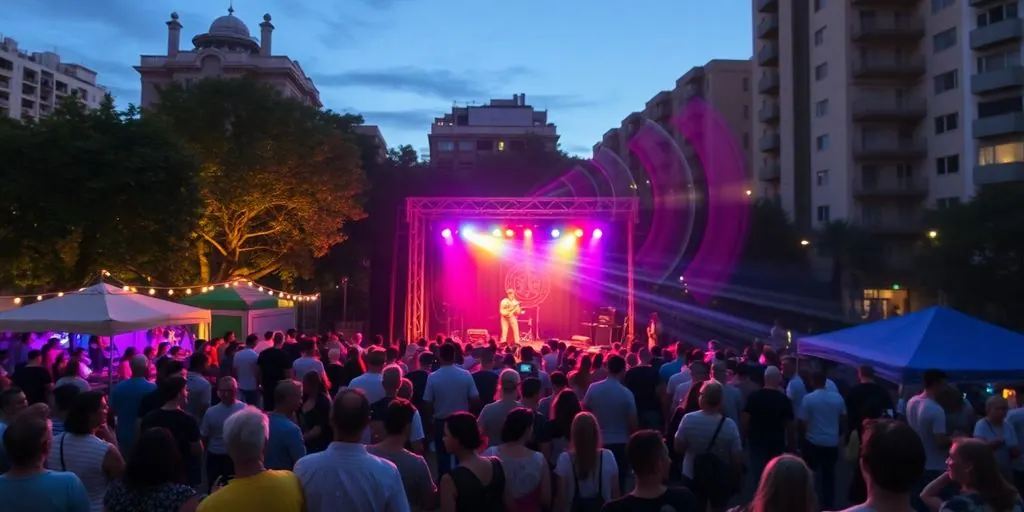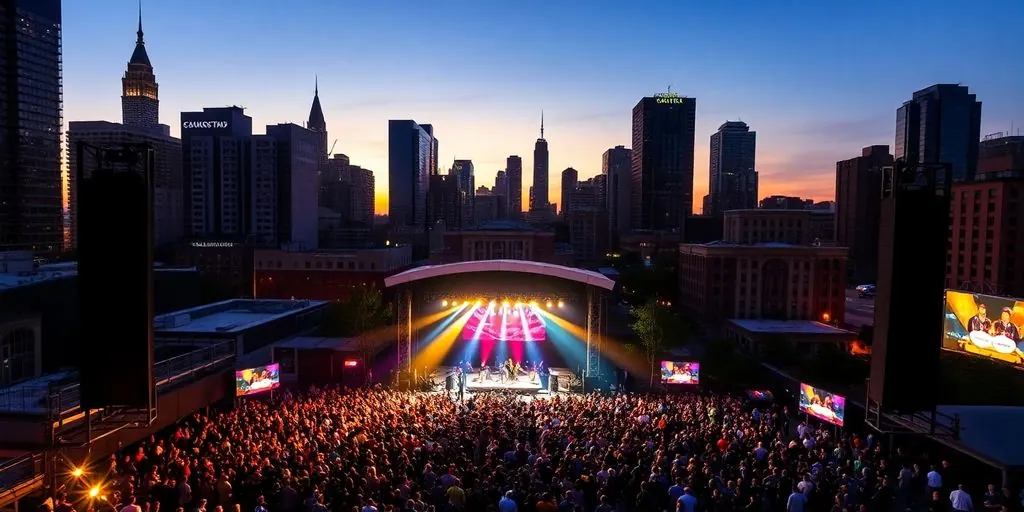
Planning an outdoor event in the city can be tricky, especially when it comes to noise. Nobody wants to upset the neighbors, but you also want your event to be a success. This article will walk you through how to handle noise rules, making sure your event goes off without a hitch and everyone stays happy. We'll cover everything from getting the right permits to keeping sound levels in check, so you can throw a great party without any unexpected headaches.
Key Takeaways
- Getting the right noise permit for outdoor events is a must. It keeps you out of trouble and shows you care about the community.
- Thinking about noise early in your event planning helps a lot. Pick the right spot and use things like green spaces or barriers to keep sound down.
- There are ways to keep noise levels low. Things like checking sound with experts, picking the right building materials, and adding soundproofing can make a big difference.
- Dealing with noise complaints means talking things out. Sometimes, working with the community or using mediation can solve problems before they get big.
- New tech can help manage sound in real-time. This means you can adjust noise levels as needed, making sure your event stays within the rules.
Understanding Noise Permit Compliance for Outdoor Events
Defining Noise Pollution in Urban Settings
Okay, so what is noise pollution anyway? It's more than just loud music. In a city, it's any sound that's disruptive or annoying, and it can come from construction, traffic, or, you guessed it, outdoor events. The key is understanding that what one person considers acceptable, another might find unbearable. It's all about context, time of day, and the specific location. Think about it: a street performer might be fine during the day, but at 2 AM? Not so much. The city has to balance the needs of residents with the desire for a vibrant urban life. This is where noise control bylaw comes in.
The Role of Local Ordinances and Bylaws
Local ordinances and bylaws are the rules of the game. They set the limits on how loud you can be and when. These rules aren't just suggestions; they're the law. They often specify decibel limits at certain times and locations. For example, construction noise might be allowed during the day but severely restricted at night. Event planners need to know these rules inside and out. Ignorance isn't an excuse, and violating these ordinances can lead to hefty fines or even the shutdown of your event. It's also worth noting that these bylaws can vary significantly from one city to another, or even between different neighborhoods within the same city. So, do your homework! Here's what you need to do:
- Check the specific regulations for your event location.
- Understand the permitted hours for amplified sound.
- Be aware of any special restrictions for residential areas.
Navigating Permit Application Processes
Getting a noise permit can feel like jumping through hoops, but it's a necessary evil. The application process usually involves submitting a detailed plan of your event, including the expected noise levels and mitigation strategies. You'll likely need to specify the type of sound equipment you'll be using, the hours of operation, and the steps you'll take to minimize noise impact on the surrounding community. Be prepared to provide detailed information and answer questions from city officials. It's also a good idea to start the application process well in advance of your event, as it can take time to get approved. Here's a tip: building a good relationship with the local authorities can make the process smoother.
Remember, the goal isn't just to get a permit; it's to be a good neighbor. By taking proactive steps to minimize noise pollution, you can help ensure that your event is a success and that the community is happy to have you. This proactive approach can prevent future noise disputes and foster a positive relationship with the community.
Strategic Urban Planning for Noise Control
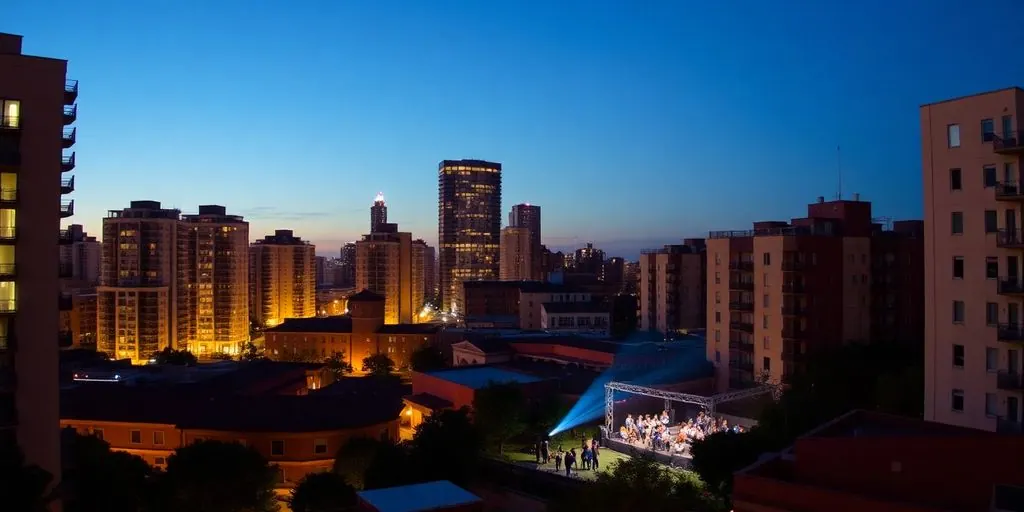
Urban planning plays a big part in how noisy our cities are. It's not just about where buildings go, but also how they're built and what's around them. Let's look at some ways to make cities quieter through smart planning.
Zoning Regulations and Event Locations
Zoning is a key tool. It's about separating noisy activities from quiet ones. Think about it: you don't want a rock concert next to a hospital. Strategic zoning reduces noise by putting industrial areas away from residential zones. Even mixed-use areas need rules about when businesses can be loud.
Incorporating Green Spaces as Sound Buffers
Green spaces aren't just pretty; they're useful! Parks and gardens can soak up sound. Trees and plants act like natural walls. They can help lower the noise from traffic or factories. It's like giving the city a pair of earmuffs. Green spaces improve the look and feel of a place, too.
Designing Effective Noise Barriers
Sometimes, you need a physical barrier. Walls, berms (those dirt mounds), and fences can block sound. These are good for shielding neighborhoods from highways or airports. They either bounce the sound away or absorb it. The right materials make a big difference. Think of it as building a soundproof fort around your community.
Urban planning is a powerful tool in the fight against noise pollution. From strategic zoning and green spaces to transportation planning and noise regulations, a well-thought-out urban design can significantly reduce noise levels and enhance residents’ quality of life.
Mitigation Strategies for Event Planners
Event planners often find themselves in a tricky spot, balancing the excitement of an event with the need to keep noise levels reasonable. It's not just about avoiding fines; it's about being a good neighbor and ensuring everyone has a positive experience. Let's look at some practical ways to manage sound at your next event.
Acoustical Consulting and Noise Assessment
Before you even send out invitations, consider bringing in an acoustical consultant. These pros can conduct a thorough noise assessment of your event site. They'll analyze potential noise sources, predict sound levels at different locations, and recommend specific mitigation measures. Think of it as a sound check for your entire event plan. This proactive approach can save you headaches down the road.
Optimizing Building Orientation and Materials
If your event involves structures, give some thought to how they're positioned. The orientation of a stage or tent can significantly impact how sound travels. Also, consider the materials you're using. Hard surfaces reflect sound, while softer materials absorb it. Using sound-absorbing panels or drapes can make a big difference, especially in enclosed spaces. Strategic placement and material selection are key to controlling sound dispersion.
Implementing Soundproofing Measures
Soundproofing isn't just for recording studios; it can be a lifesaver for event planners too. Here are a few ideas:
- Barriers: Physical barriers like walls or fences can block sound from reaching sensitive areas.
- Sound Blankets: These can be hung around noisy equipment or stages to dampen sound.
- Strategic Landscaping: Believe it or not, trees and shrubs can act as natural sound buffers. Green spaces can help.
Soundproofing doesn't have to be expensive or complicated. Even small changes can have a noticeable impact on noise levels.
Consider these points when planning your next event. It's about being proactive and thoughtful about how your event impacts the surrounding environment. By taking these steps, you can create a memorable event without causing a disturbance.
Addressing Community Concerns and Disputes