Planning an event in Indonesia means you need a solid way to handle tickets. It's not just about selling them; it's about making the whole process smooth for you and your guests. This guide is here to help you figure out the best ticketing software Indonesia has to offer, making your event planning a lot less stressful and a lot more successful. We'll cover what these tools do, what features to look for, and some popular choices.
Key Takeaways
- Ticketing software simplifies event management by handling ticket sales, registration, and payments.
- Look for features like flexible pricing, easy payment processing, and integration with other tools.
- When choosing a provider, consider how much you can customize the platform and what their fees are.
- Good ticketing software helps you reach more people, makes check-in easier, and gives you data to improve future events.
- Popular options like Remo, Eventtia, and Ticketleap offer different benefits depending on your event's needs.
Understanding Ticketing Software for Indonesian Events
So, what exactly is this ticketing software we keep talking about? Think of it as your event's digital front desk and sales counter, all rolled into one. It's a tool built to help anyone putting on an event, whether it's a big concert or a small workshop, manage and sell tickets without losing their mind.
These platforms handle a lot of the nitty-gritty stuff. They process payments, send out confirmations so your attendees know they're all set, and often give you data about who's buying tickets, like where they're from or their age group. This info can be super helpful for figuring out how to make your next event even better for your crowd.
Basically, without this kind of system, managing ticket sales, refunds, and getting the right tickets to the right people can get really complicated, really fast. Ticketing software automates a lot of that, freeing you up to focus on the fun stuff, like making your event awesome.
What is Event Ticketing Software?
An event ticketing platform is a tool designed to help an event organizer manage and sell tickets for virtual or in-person events easily. The software will usually handle all things related to registration and ticketing, from processing ticket payments to sending out confirmation messages or invoices. Most of these platforms also provide data insights and analytics that planners can use to access relevant information like customers' age, location, and feedback. This data will go a long way in helping organizers tailor the event to their audience.
Key Functions of Ticketing Platforms
Ticketing platforms do more than just sell tickets. They are designed to streamline the entire process for both the organizer and the attendee. Here are some of the main things they do:
- Ticket Sales and Management: This is the core function. It includes setting up different ticket types (like early bird, VIP, general admission), managing inventory, and processing payments securely. You can often set specific dates for when tickets go on sale or when prices change.
- Registration and Attendee Tracking: Once tickets are sold, the software keeps a record of who bought them. This makes it easy to manage your guest list, track sales numbers, and prepare for check-in.
- Communication: Many platforms allow you to send automated emails to attendees. This could be for ticket confirmations, event updates, or even post-event thank you messages. Good communication keeps attendees informed and happy.
- Reporting and Analytics: You get data on ticket sales, attendee demographics, and sometimes even how people found out about your event. This information is gold for understanding your audience and planning future events. For example, you might find that a particular age group is your most frequent buyer, influencing your marketing strategy. This is where understanding your event ticketing solutions becomes important.
Essential Features for Ticketing Software Indonesia
When you're planning an event in Indonesia, picking the right ticketing software makes a big difference. You want something that handles the nitty-gritty so you can focus on the fun stuff, like making your event awesome. Let's break down what you really need.
Ticket Flexibility and Pricing Options
Think about how you want to sell tickets. Can you offer different types, like early bird specials or VIP packages? Good software lets you set up various price points and even create limited-time discounts. This flexibility helps you manage demand and appeal to different groups of people. For instance, offering a student discount or a group rate can bring in more attendees. It’s also handy if you can easily manage refunds or ticket transfers directly through the platform.
Seamless Payment Processing
Nobody likes a clunky checkout. Your ticketing software needs to accept payments smoothly. This means supporting popular local payment methods in Indonesia, like bank transfers, e-wallets, and credit cards. A quick and easy payment process means fewer people abandon their carts. It’s also important that the system is secure, so your attendees feel safe sharing their payment details. Having a reliable payment terminal integrated is a big plus.
Integration Capabilities
Your ticketing software shouldn't be a standalone island. It should play nice with other tools you use. Think about connecting it to your email marketing service to send updates to ticket buyers, or to a CRM to keep track of attendee information. If you're running virtual or hybrid events, integration with streaming platforms is also key. For example, some event management software like Zoho Backstage offers good integration with other Zoho applications, streamlining your workflow. Being able to export attendee data easily is also a must for analysis or follow-up.
Choosing software that connects well with your existing tools saves a lot of headaches down the line. It means less manual data entry and a more unified approach to managing your event from start to finish.
Evaluating Ticketing Software Providers

When you're looking for the right ticketing software for your event in Indonesia, it's not just about the flashy features. You really need to dig into the companies behind the platforms. Think of it like picking a partner for your event, you want someone reliable and who understands what you need. So, how do you actually pick the right provider? Let's break down a few key things to consider.
Assessing Platform Customization
First off, can you make the software work for your specific event? Some platforms are pretty rigid, meaning you get what you get. Others let you tweak things, like how your ticket pages look or how the registration process flows. If you have a specific brand image you want to maintain, or a unique ticket structure, you'll need a platform that can bend a little. It’s worth checking if you can add your own logo, change colors, or even set up custom questions during checkout. Don't just assume; ask or look for examples.
Understanding Fee Structures
This is a big one. Ticketing software companies make money in different ways. Some charge a flat fee per ticket sold, others take a percentage of the ticket price, and some might have a monthly subscription. You also need to watch out for extra fees, like payment processing fees or fees for using certain features. It’s really important to get a clear picture of the total cost. A platform might look cheap at first glance, but those hidden fees can add up quickly, eating into your event's profit.
Here’s a quick look at common fee types:
- Per-Ticket Fee: A set amount charged for every ticket sold.
- Percentage Fee: A portion of the ticket's sale price.
- Payment Processing Fee: Charged by the payment gateway (like credit card processors).
- Subscription Fee: A recurring charge for using the platform, sometimes with different tiers.
Evaluating Customer Support
What happens when something goes wrong? Or when you just have a question about setting up your event? Good customer support can make a huge difference. You want to know if they have support available when you actually need it, are they open during Indonesian business hours? What kind of support do they offer? Is it email only, or do they have phone support or live chat? It’s a good idea to read reviews or even test their support before you commit. Having responsive support can save you a lot of headaches during the busy event planning period.
Picking the right ticketing software provider is about more than just the price tag. It's about finding a tool that fits your event's needs, your budget, and provides the backup you need to run a smooth operation. Take your time with this decision; it's a key step towards a successful event.
Leveraging Ticketing Software for Event Success
Boosting Audience Reach and Engagement
Getting people to know about your event is half the battle, right? Ticketing software can really help here. Think about using it to send out targeted emails to past attendees or people who showed interest in similar events. Many platforms let you create custom registration forms, which is great for collecting attendee info. This data is gold! You can use it to understand who's coming and tailor your marketing. The goal is to make potential attendees feel like this event is made just for them.
Using ticketing software to its full potential means thinking beyond just selling tickets. It's about building a connection with your audience from the very first click.
Streamlining Registration and Check-in
Nobody likes a long, confusing sign-up process. Good ticketing software makes it super simple for people to buy tickets. You can set up different ticket types, like early bird specials or VIP packages, all in one place. When the event day arrives, checking people in should be quick. Many systems offer QR code scanning or a simple attendee list lookup, which makes getting everyone inside a breeze. This smooth process leaves a good first impression.
Utilizing Data Analytics for Insights
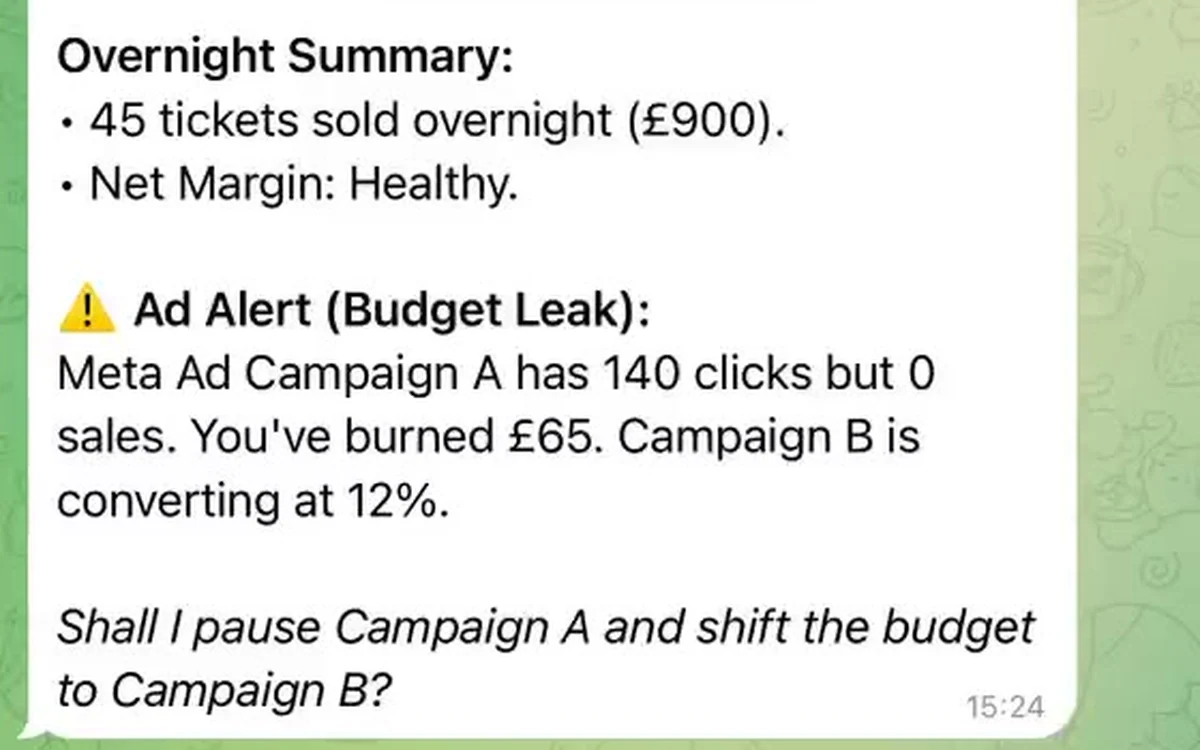
This is where things get really interesting. Your ticketing software collects a ton of data about who buys tickets, when they buy them, and sometimes even where they're coming from. Looking at this information can tell you a lot. For example, you might see that most tickets are sold in the week leading up to the event, or that a particular promotion brought in a lot of people. This kind of insight helps you plan future events better. You can use AI for event ticket sales to predict demand and adjust your strategies accordingly. It’s like having a crystal ball for your event planning!
Here’s a quick look at what kind of data you might get:
- Ticket Sales Trends: When are most tickets sold?
- Demographics: Who is buying tickets (age, location, etc.)?
- Promotion Performance: Which marketing efforts are bringing in the most buyers?
- Ticket Type Popularity: Which ticket options are the most sought-after?
Popular Ticketing Software Options for Indonesia