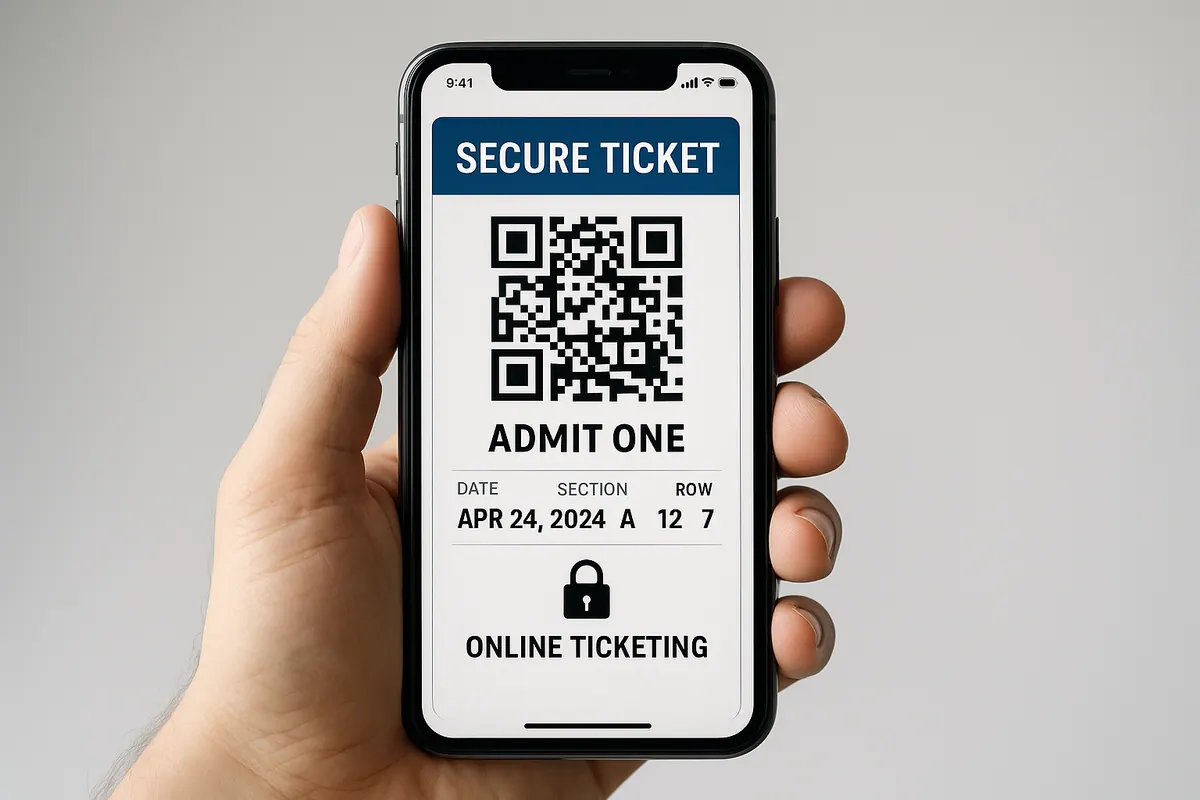
The world of digital tickets is changing fast. New tech and what customers want are pushing things forward. This article looks at some big opportunities that are reshaping the ticket industry. We'll check out new ways to get people involved, better security, and how ticketing pros can use these ideas. The future of secure digital ticket solutions looks pretty good.
Key Takeaways
- Keeping digital tickets safe means watching things in real time, using encryption, and asking for multiple ways to prove who you are.
- Moving to cloud-based systems helps ticket companies get past old problems and makes things more flexible.
- Smart venue mapping tools can help sell more tickets and make customers happier by making seating better.
- Using games and cool experiences can get fans more excited about events and buying tickets.
- Knowing your customers helps you make their event experience special, which can lead to them coming back again and again.
Safeguarding the Future: Proactive Fraud and Cybersecurity Measures
It's a digital world, and that means cybersecurity is more important than ever, especially when dealing with something like digital tickets. We need to be serious about protecting customer data and making sure our systems are secure. It's not just about avoiding problems; it's about building trust with our customers. Think about the time, money, and stress you save by stopping attacks before they happen.
Real-Time Monitoring for Secure Digital Ticket Solutions
Real-time monitoring is like having a security guard watching everything that happens on your system. It helps catch suspicious activity right away. This means you can stop fraud attempts and other security issues before they cause big problems. It's about being proactive and staying one step ahead of potential threats. This is especially important in the ticketing fraud world, where things can change fast.
Encryption and Multi-Factor Authentication
Encryption and multi-factor authentication (MFA) are two big tools in the security toolbox. Encryption scrambles data so that even if someone gets their hands on it, they can't read it. MFA adds an extra layer of security by requiring users to prove who they are in more than one way. Think of it like this:
- Encryption: Locks the data in a safe.
- MFA: Requires two keys to open the safe.
- Regular Audits: Checks the safe regularly for damage.
Protecting Customer Data and Maintaining Trust
Protecting customer data is not just a technical issue; it's a matter of trust. If customers don't trust you to keep their data safe, they won't use your services. Here's how to build and maintain that trust:
- Be transparent about your security practices.
- Follow industry best practices for data protection.
- Respond quickly and effectively to any security breaches.
Data breaches can be incredibly damaging, not just financially but also to a company's reputation. Investing in robust security measures is an investment in the long-term health and success of the business.
Elevating Operations with Cloud-Based Technologies
Overcoming Legacy System Limitations
Okay, so picture this: you're stuck with these old legacy ticketing systems. They're slow, clunky, and about as flexible as a brick. Seriously, trying to get them to do anything new is like pulling teeth. They rely on manual processes, which means more errors and wasted time. Plus, they can't handle the amount of data we're dealing with today. It's like trying to run a marathon in flip-flops, not gonna happen. The shift to cloud technology is not just an upgrade; it's a complete game-changer.
Unparalleled Flexibility with Cloud Technology
Cloud tech is where it's at. It's like having a super-powered engine under the hood. You can scale up or down as needed, integrate new features easily, and access your data from anywhere. Think about it: mobile access, social media integration, advanced analytics, all working together. It's a whole new world of possibilities.
Real-Time Data Analysis and Informed Decision-Making
With cloud-based systems, you're not just collecting data; you're actually using it. Real-time data analysis means you can see what's happening right now and make decisions based on facts, not guesses. Want to know which seats are selling best? Need to adjust your marketing strategy on the fly? No problem. It's all at your fingertips.
Moving to the cloud isn't just about keeping up; it's about getting ahead. It's about being able to adapt to change, innovate faster, and provide a better experience for your customers. It's the future of ticketing, plain and simple.
Here's a quick look at the benefits:
- Improved efficiency
- Better customer experience
- Increased revenue
Optimizing Seating with Smart Venue Mapping
Revolutionizing Booking with Predictive Analytics
I was just reading about how things are changing with event tickets, and it's pretty wild. Remember the days of just picking a seat and hoping for the best? Now, predictive analytics are changing everything. These tools look at past sales data, event popularity, and even weather forecasts to suggest the best seats for you. It's like having a personal seating advisor, which is kind of cool. It helps venues sell more tickets, and it helps us get better seats. Win-win, right?
Addressing Common Seating Challenges
Okay, let's be real, we've all been there. You're trying to book tickets with friends, and suddenly there's that one orphan seat that nobody wants. Or maybe you're trying to book a whole table, but the system won't let you. These are common problems, and smart venue mapping is trying to fix them. It's not perfect, but it's getting better. I think the goal is to make booking tickets less of a headache. I'm all for that.
Maximizing Venue Capacity and Customer Satisfaction
So, how does all this smart venue mapping stuff actually help? Well, for venues, it's about selling more tickets and maximizing venue capacity. For us, it's about having a better experience. Think about it:
- Easier booking process
- Better seat selection
- Less stress
It's about making sure every seat is filled and that everyone has a good time. It's a big change from the old way of doing things, and I think it's a change for the better. I'm excited to see where it goes from here. Maybe someday, booking tickets will actually be fun!
Unleashing Engagement Through Gamification and Experiential Marketing
Integrating Game Mechanics for Enhanced Fan Engagement
Okay, so think about it: buying tickets can be kinda boring, right? But what if it wasn't? What if getting tickets was actually fun? That's where gamification comes in. By adding game-like elements to the ticket-buying process, you can seriously boost how much fans interact with your platform. Think loyalty programs where you earn points for buying tickets or sharing stuff on social media. Or maybe badges for attending certain events. It's all about making it more than just a transaction.
Transforming the Ticket Purchase Process
Instead of just clicking and buying, imagine the ticket purchase as part of a bigger experience. This could mean:
- Interactive seat selection where you can virtually 'explore' the venue.
- Hidden 'easter eggs' on the site that unlock discounts or special content.
- Challenges or quizzes related to the event that give you a better chance at scoring good seats.
By turning the ticket purchase into a game, you're not just selling tickets; you're selling an experience. And that's way more appealing to fans.
Building Anticipation with AR Experiences
Augmented Reality (AR) can be a game-changer. Imagine using your phone to scan a ticket and suddenly you're seeing a 3D model of the stage, or maybe even a sneak peek of the performance. It's all about building hype and getting people excited. AR experiences enhance fan engagement and can also be used to:
- Offer virtual meet-and-greets with performers.
- Create interactive scavenger hunts around the venue.
- Provide exclusive content that's only accessible through the AR experience.
It's a cool way to make the whole event feel more special, even before it starts.
Personalizing the Event Journey with Data
Utilizing Event-Goer Data for Personalization
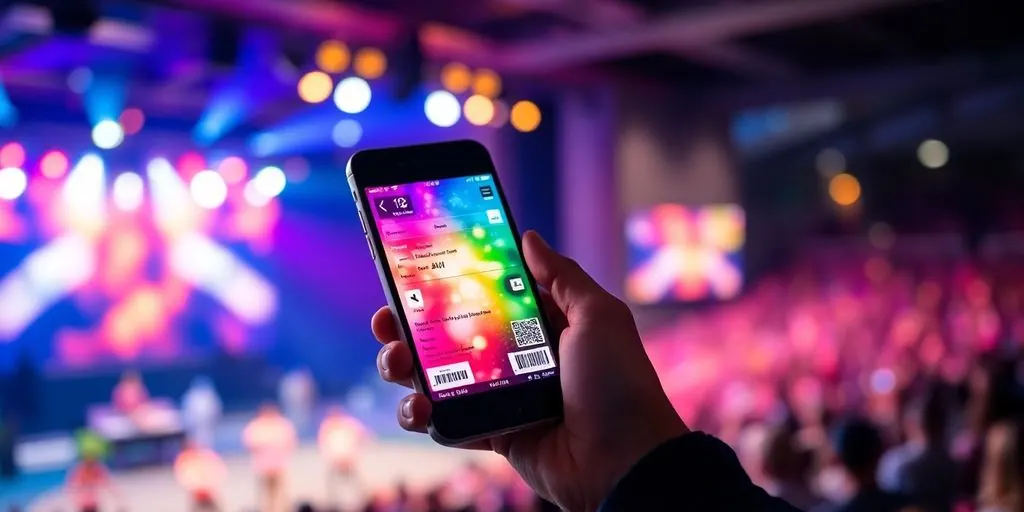
Organizers collect details like past ticket buys, age, and music or sports tastes. They then tweak messages and seat options to match those interests. By sending surveys through mobile apps at key times, teams learn what fans liked or missed.
- Purchase history to spot favorite shows
- Survey feedback on seat comfort or concessions
- Browsing patterns on the ticket platform
Predictive Analytics in Secure Digital Ticket Solutions
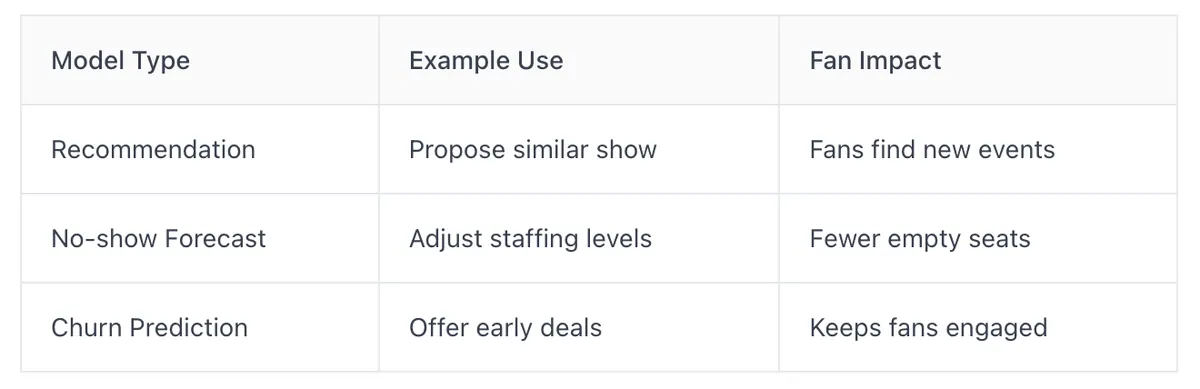
Using predictive models, platforms suggest events people might enjoy next. They also run simple math to guess no-show rates and plan seating.
Driving Loyalty and Repeat Business
A follow-up email with a small discount nudge can turn a one-time buyer into a regular. Regular, on-point messages keep people coming back. Loyalty stamps or points for every purchase add a fun, ongoing challenge.
Keep the tone friendly and helpful. Fans want to feel seen, not sold.
Mastering Cross-Selling with Strategic Insights
Boosting Revenue with Event-Goer Data
Okay, so you've got people buying tickets. Great! But are you really maximizing your revenue? Probably not. The secret sauce? Data. Understanding what your event-goers like, what they buy, and how they behave is the key to unlocking serious cross-selling potential. It's not just about randomly suggesting stuff; it's about making smart, data-driven recommendations. Think of it as having a super-powered sales assistant who knows each customer inside and out. This is where cross-selling comes in.
Offering Personalized Merchandise and Experiences
Forget generic t-shirts and keychains. People want stuff that feels special, like it was made just for them. Use the data you've collected to offer personalized merchandise. Did they buy VIP tickets? Offer them an exclusive, limited-edition print. Are they huge fans of a particular artist? Suggest a signed poster. And it's not just about physical items. Think about experiences too. Backstage passes, meet-and-greets, early access to the venue, these are all things that can significantly boost revenue and create lasting memories. It's about creating a digital ticketing experience that goes beyond just the event itself.
Creating Memorable Souvenir Tickets
In the age of digital everything, a physical souvenir ticket might seem a bit old-fashioned. But hear me out. A well-designed, high-quality souvenir ticket can be a powerful marketing tool and a great way to boost revenue. Think beyond the standard ticket stock. Use cool designs, special materials, or even augmented reality features to make them truly unique. These aren't just tickets; they're keepsakes. They're something people will hold onto, show their friends, and maybe even display. And every time they see it, they'll be reminded of your event and your brand. It's a small investment that can pay off big time. Consider offering custom passes for an even more premium feel.
Cross-selling isn't about being pushy or annoying. It's about providing genuine value to your customers by offering them products and experiences that they'll actually appreciate. When done right, it can increase revenue and build stronger relationships with your audience.
Ticketing Industry Updates and Future Trends
AI and Data Transforming Ticketing
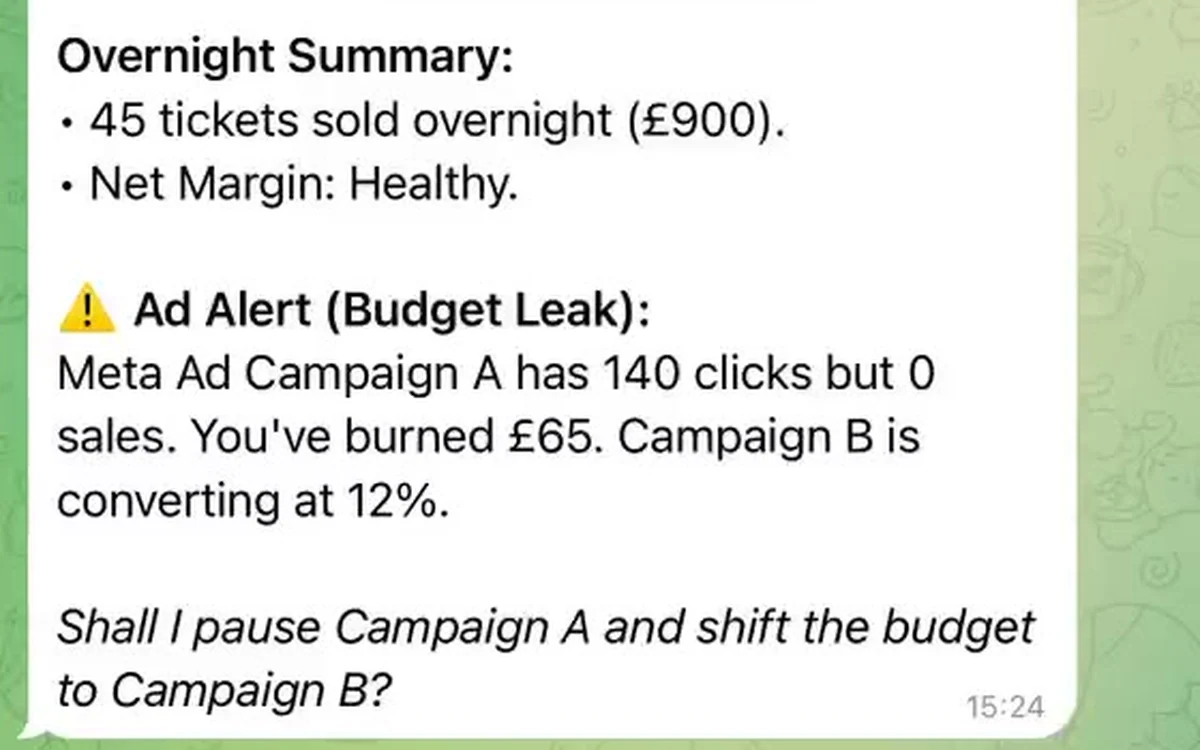
It feels like every industry is talking about AI, and ticketing is no different. AI is changing how things work, from making marketing smarter to improving customer service. The big idea is that AI can connect all the different parts of a ticketing business, making everything run more smoothly. Data is also becoming super important, and there's a push for companies to work together to use data better and make more money. It's interesting to see how these technologies are being used to improve the ticketing experience.
Addressing the Illegal Resale Market
The illegal resale market is a huge problem, costing billions. There's a big push for the EU to create rules that would help stop this. It's a tough issue because you want people to be able to resell tickets if they can't go to an event, but you also don't want scalpers jacking up prices and ripping people off. Finding a fair balance is key. Here are some things that could help:
- Better enforcement of existing laws
- New technology to track tickets
- Working with resellers to set price limits
Dealing with the resale market is tricky. You want to protect fans from getting ripped off, but you also don't want to stop people from selling tickets they can't use. It's about finding a middle ground that works for everyone.
Projected Industry Growth and Emerging Technologies
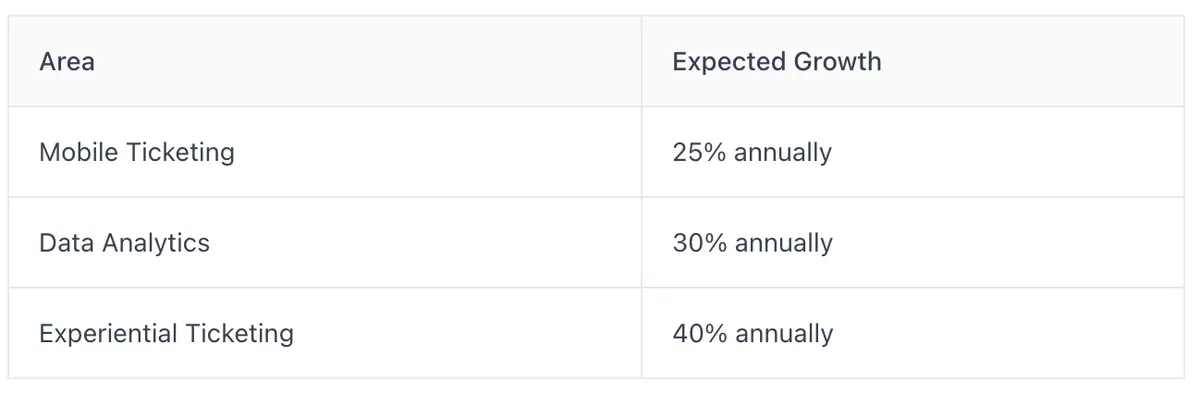
The ticketing industry is expected to grow a lot in the next few years, driven by new technologies. One report said it could jump by 184% to $1.2 trillion by 2032. Mobile ticketing is becoming more common, and things like virtual reality and augmented reality are starting to play a role in how people buy tickets and experience events. It's an exciting time to be in the industry, with lots of new possibilities on the horizon. Here's a quick look at some of the expected growth areas: