Planning a big event can be a lot of fun, but let's be real, it often leaves behind a mountain of trash. Think about all those plastic cups, paper flyers, and leftover food. It's a lot! But what if we could make these events way greener? That's what we're talking about today: how to make events, especially big ones like festivals, produce less waste. We'll look at smart ways to handle trash, use less stuff, and even how new tech can help. This isn't just about being nice to the planet; it's about making events better for everyone involved. We're aiming for zero waste, or at least getting pretty close, by using smarter systems. This is especially true for festival waste management innovation, where new ideas are always popping up.
Key Takeaways
- Smart waste systems, like special recycling spots and tech that tracks trash, can make a big difference at events.
- You can cut down on waste by going paperless with event apps and renting things instead of buying them.
- New tools, like carbon calculators and project management apps, help you plan greener events and keep track of your progress.
- Avoid common mistakes by having clear goals, talking to everyone involved, and not just focusing on one small area of sustainability.
- The future of events means more online options, using things again, buying from local sellers, and using AI to make everything more efficient.
Waste Management: Smarter Than Ever
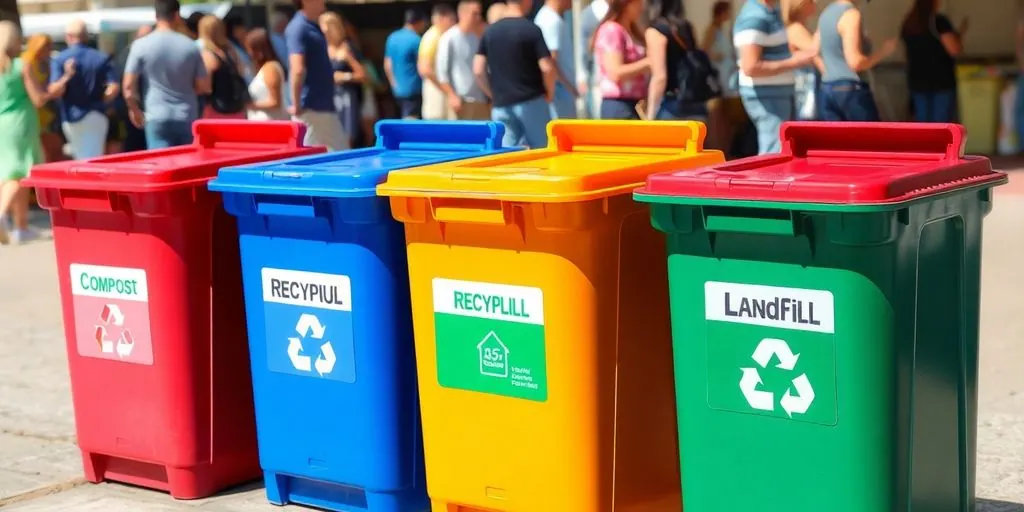
Waste management is evolving rapidly. It's not just about having a few bins anymore. We're seeing innovative tools and strategies that make waste reduction a key part of planning greener events. It's a real chance to make a difference by cutting down on waste and boosting resource recovery.
Recycling and Composting Stations
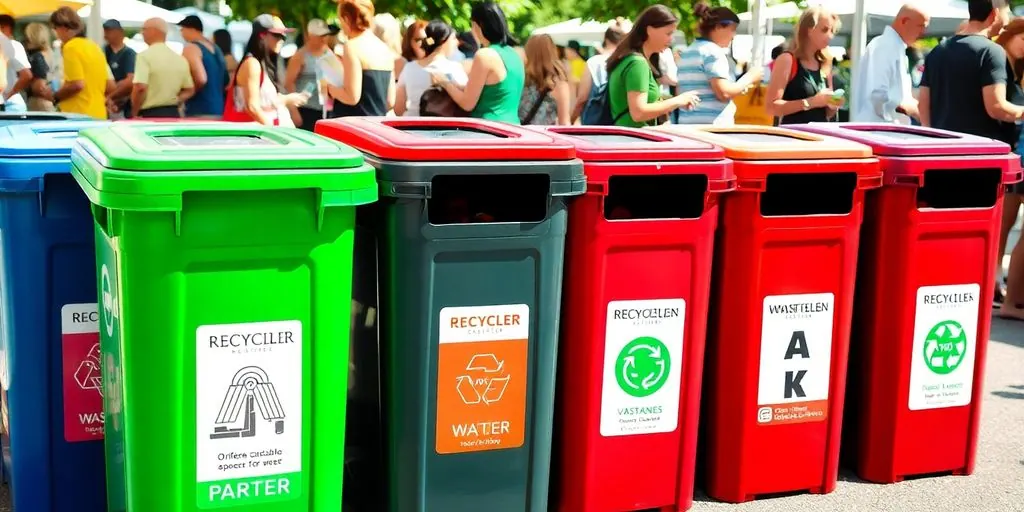
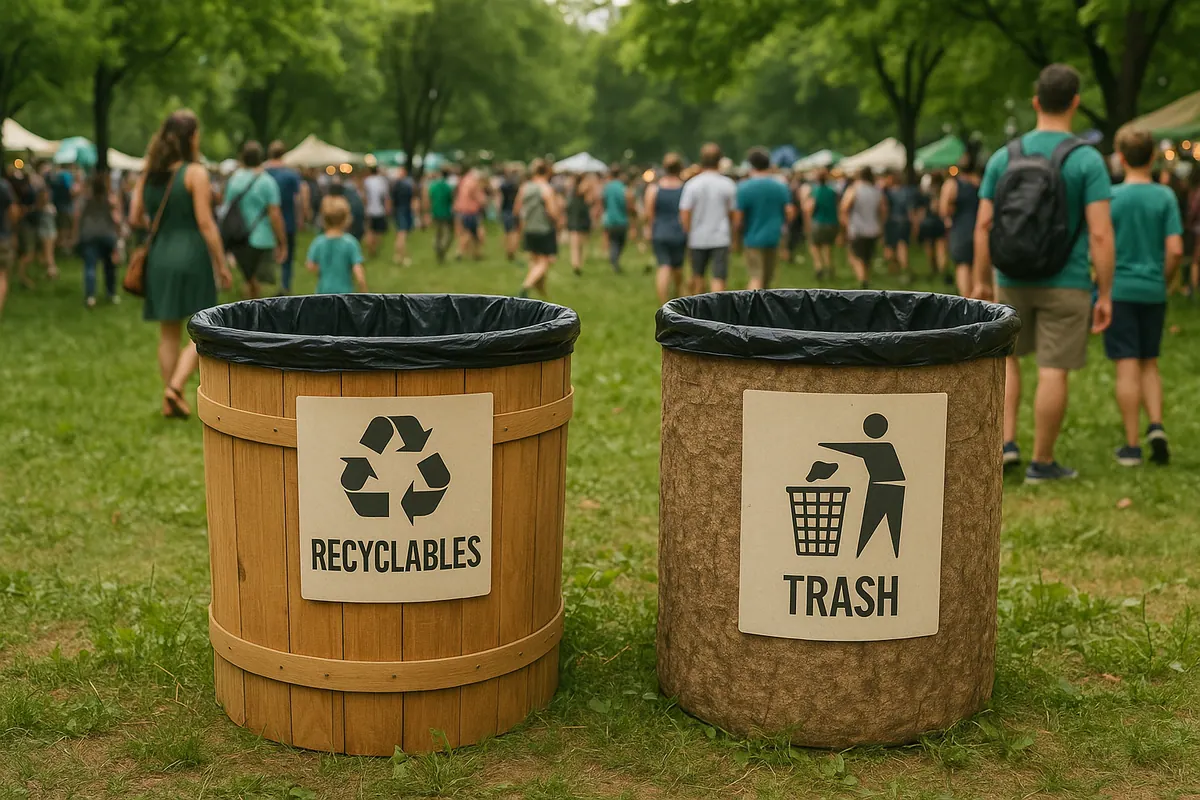
Setting up multi-stream waste stations is a great first step. Make sure you have separate bins for recyclables, compost, and general waste. Use big, clear signs to avoid confusion. Put these stations in places where people gather and near food areas. It's also a good idea to have staff or volunteers around to help people sort their waste correctly. Even the best system needs a little guidance.
Upcycling Initiatives
Think beyond just throwing things away. Upcycling turns waste into something new and useful. For example, old banners can become tote bags, and wood from booths can be turned into furniture. These ideas not only reduce waste but also add value.
Eclipse.global employs innovative upcycling strategies to transform event waste into valuable resources, focusing on sustainable waste management.
Smart Waste Technology
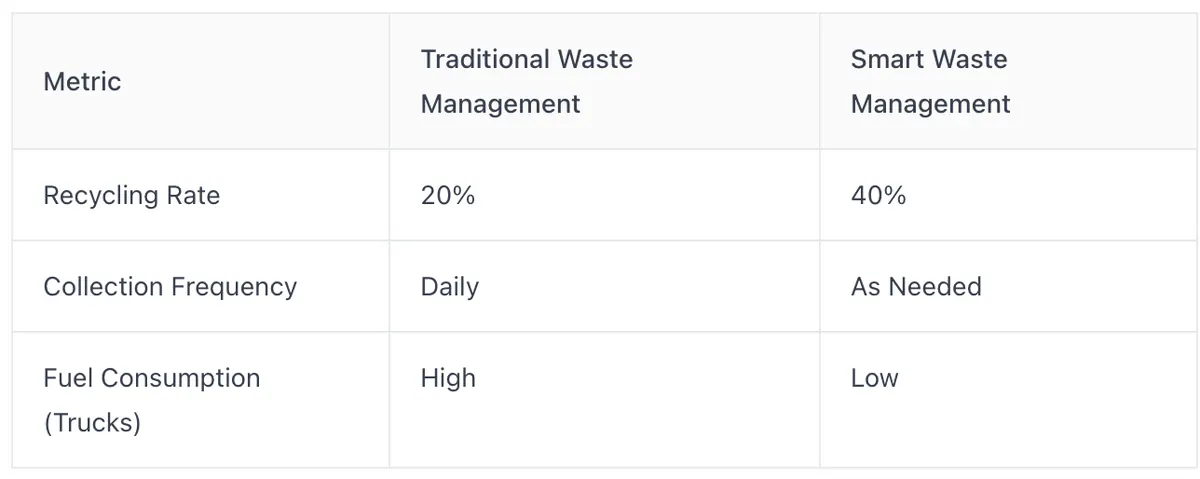
Smart bins are becoming more common. These bins use sensors to monitor how full they are, so collection trucks only come when needed. This saves fuel and reduces traffic. Some systems even reward people for recycling correctly. It's all about using technology to make waste management more efficient and engaging.
Embracing smart waste management isn't just about ticking a box; it's about fundamentally rethinking how we handle resources. By integrating technology and innovative strategies, we can significantly reduce our environmental impact and create more sustainable events.
Here's a simple table showing the potential impact of smart waste management:
Here are some key benefits of using smart waste technology:
- Reduced operational costs
- Improved recycling rates
- Lower carbon emissions
- Better data for waste management planning
Practical Sustainable Event Practices
It's time to get real about making events greener. Beyond just talking the talk, there are some seriously impactful things you can do to reduce your event's footprint. It's about making smart choices that add up to a big difference.
Go Paperless with Event Apps
Ditching paper is one of the easiest and most effective ways to cut down on waste. Think about it: programs, maps, speaker bios, feedback forms... all that paper ends up in the trash. Instead, use an event app. Attendees have everything they need right on their phones, and you can update information in real-time. No more last-minute printing panics!
Rent Instead of Buy
Buying decorations and equipment for a single event? That's a recipe for waste. Renting is a much smarter option. You get what you need, use it, and then return it. No storage headaches, no disposal issues. Plus, it often works out cheaper in the long run. Consider renting things like:
- Furniture
- Decorations
- Audio-visual equipment
Replace Bottled Water with Refill Stations
Single-use plastic bottles are a huge problem. Provide refill stations with clean, filtered water and encourage attendees to bring their own reusable bottles. You can even offer branded reusable bottles as a giveaway. It's a simple change that makes a big impact. You can also find local vendors to help with this.
Choose Plant-Based Menus When Possible
Food production has a significant environmental impact. Plant-based meals generally have a lower carbon footprint than those that include meat and dairy. Offering vegetarian or vegan options isn't just good for the planet; it also caters to a wider range of dietary needs and preferences. Consider these points:
- Source ingredients locally to reduce transportation emissions.
- Work with caterers who prioritize sustainable practices.
- Minimize food waste through careful planning and portion control.
Sustainable event planning isn't just about the big gestures; it's about making conscious choices at every level. From the materials you use to the food you serve, every decision has an impact. By embracing these practical practices, you can create events that are not only memorable but also responsible.
Tools and Technologies for Greener Events
Use Event Apps to Go Completely Paperless
Event apps are a game-changer. Ditch the paper schedules, maps, and brochures. Instead, provide attendees with a central hub for all event information right on their smartphones. This not only reduces paper waste but also makes it easier to update information in real-time, like last-minute speaker changes or room adjustments. Plus, interactive maps and personalized schedules enhance the attendee experience. It's a win-win!
Track Your Footprint Using Emissions Calculators
Want to know the true environmental impact of your event? Use an emissions calculator! These tools help you estimate the carbon footprint associated with various aspects of your event, from attendee travel and venue energy consumption to food sourcing and waste generation. Understanding your impact is the first step toward reducing it. Many calculators offer suggestions for offsetting emissions, such as investing in renewable energy projects or planting trees.
Keep Your Checklist Organized with Project Management Tools
Planning a sustainable event involves a lot of moving parts. Project management tools can help you stay organized and on track. Use them to create checklists, assign tasks, set deadlines, and track progress. This ensures that all aspects of your sustainability plan are implemented effectively. Consider features like shared calendars, document storage, and communication channels to facilitate collaboration among your team and vendors. Good organization is key to sustainable event management.
Swap Printouts for Simple QR Codes
Instead of printing out signs, posters, or informational materials, use QR codes. These codes can be scanned with a smartphone to access websites, documents, or videos. This is a simple and effective way to reduce paper waste and provide attendees with easy access to information. Place QR codes strategically throughout the event venue to guide attendees to resources, schedules, or interactive experiences.
By integrating these tools and technologies, event planners can significantly reduce their environmental impact and create more sustainable events. It's about embracing innovation and making conscious choices to minimize waste and conserve resources.
Common Pitfalls to Avoid