So, you've got people interested in your event, they've even picked out their tickets, but then... poof! They disappear before finishing the purchase. It happens all the time with event tickets, and it's super frustrating. It feels like you're leaving money on the table. But don't worry, there are ways to win those potential attendees back without being annoying. This is all about recovering those abandoned ticket sales, or what we call abandoned cart tickets, and turning those interested folks into actual ticket holders.
Understanding Event Ticket Abandonment
Event ticket sales have their own quirks compared to regular online shopping. It's not just about adding something to a cart and clicking 'buy' right away. People looking for event tickets often have more to consider, like checking their schedules, coordinating with friends, or really digging into what the event offers. This means the reasons they might leave before buying can be a bit different.
Why event registrations differ from ecommerce
Think about buying a t-shirt versus buying a ticket to a concert. With a t-shirt, you see it, you like it, you buy it. Easy. But event tickets? That's a whole other ballgame. You might need to check if your buddy can go, see if you can get a babysitter, or maybe you want to read up on the speakers before committing. Plus, event tickets are often more expensive than a typical online purchase, so people tend to take more time to think it over. It’s not just about price comparison; it’s about fitting the event into their lives. This is why understanding these differences is key to getting people to actually complete their purchase.
The financial impact of lost ticket sales
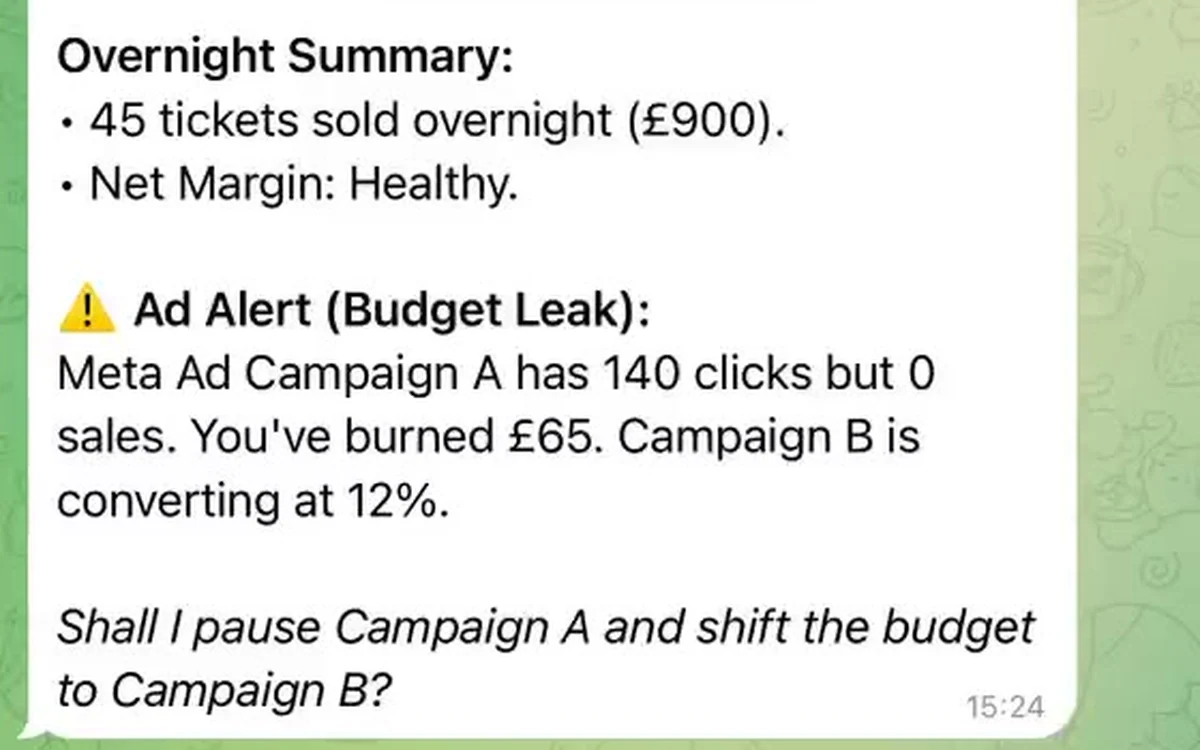
Losing a potential ticket sale isn't just a small dent in your revenue; it can really add up. When people abandon their carts, it means all the effort you put into marketing and getting them interested might not pay off. Imagine spending money on ads to bring people to your ticket page, only for them to leave without buying. That’s money down the drain. For event organizers, this can mean fewer people at the event, lower overall income, and a missed chance to build a community around your event. It’s a big deal, and tackling it head-on can make a huge difference to your bottom line. Recovering even a small percentage of these lost sales can significantly boost your event's success.
Key reasons for abandoned ticket purchases
So, why do people bail on buying tickets? It’s usually not just one thing, but a few common culprits. Understanding these can help you fix your process.
- Unexpected Fees: This is a big one. People see a ticket price, get excited, and then BAM! Extra fees pop up at the very end. Things like service charges, processing fees, or even taxes that weren't clear upfront can make people hit the back button. It feels like a bait-and-switch, and nobody likes that
- Complicated Checkout Process: If your registration form is a mile long or asks for too much information, people get tired and leave. Nobody wants to spend 15 minutes filling out forms just to buy a ticket
- Not Ready to Commit: Sometimes, people are just browsing or need to check their calendar or talk to others. Unlike a physical product that will still be there later, event tickets can sell out or get more expensive, which adds a layer of pressure
- Lack of Trust or Security Concerns: If your website looks sketchy or doesn't clearly show security measures, people might hesitate to enter their payment details
Addressing these common roadblocks upfront can dramatically improve your conversion rates and ensure more interested individuals actually become attendees. It’s about making the path to purchase as smooth as possible.
It’s important to remember that most people who abandon a ticket purchase weren't uninterested; they just hit a snag. By figuring out what those snags are and fixing them, you can significantly improve your ticket sales and make sure more people get to enjoy your event.
Crafting Effective Abandoned Cart Tickets Emails
So, someone was all set to buy tickets for your event, added them to their cart, and then… poof. They vanished. It happens, and honestly, it’s not always because they changed their mind. Maybe they got distracted, maybe the shipping cost popped up unexpectedly, or maybe they just wanted to think about it for a bit. That’s where a well-timed, thoughtful email can make all the difference. The goal here isn't to annoy people, but to gently remind them and make it super easy to finish what they started.
Timing your follow up communications
When you send that first email matters. Sending it too soon might catch them in the middle of something else, and too late means they’ve probably forgotten all about it. For event tickets, a sweet spot is usually between 30 minutes and 2 hours after they leave their cart. This window lets them know you noticed, but it’s not so fast that it feels intrusive. If they don’t bite, a second email a day or two later, and maybe a final one after 72 hours, can be effective. It’s like a gentle nudge, not a shove.
Essential elements for recovery emails
What should actually be in these emails? First off, clearly show them what they left behind. A picture of the event, the date, time, and venue are good reminders. Also, include a direct link back to their cart. If there were any technical hiccups that might have caused them to leave, offer support options, a phone number or a link to a help page. Think about what might have stopped them. Was it a surprise fee? A confusing form? Address those potential roadblocks.
Here’s a quick rundown of what to include:
- Clear reminder of the event and tickets in their cart
- Direct link to complete the purchase
- Information about the event (date, time, location)
- Customer support contact details
- Any incentives you’re offering (more on that later!)
Don't just send a generic message. Make it feel personal and helpful, like you're genuinely trying to assist them in getting to the event they were excited about
Subject lines that capture attention
Your subject line is the gatekeeper to your email. It needs to be clear and inviting. Something like "Still thinking about [Event Name]?" or "Don't miss out on your tickets!" works well. You could also try something a bit more playful, depending on your event's vibe. The key is to be direct but not demanding. A good subject line can significantly boost your open rates, helping you recover lost sales.
Personalizing Your Recovery Outreach
When someone leaves an event ticket in their cart, it's not just a missed sale; it's a missed connection. Making your follow-up feel personal, not like a generic blast, is key to bringing them back. Think about it: you've already got their attention, and they showed interest. Now, how do you make them feel seen and valued?
Beyond basic name personalization
Sure, using their name is a start, but we can go much deeper. Imagine getting an email that not only says "Hi Sarah" but also mentions the specific concert or workshop they were looking at. It shows you're paying attention. You can even reference their past attendance if they're a returning customer. This level of detail makes the message feel less like an automated alert and more like a friendly nudge from someone who knows their taste.
Highlighting specific event details
Remind them why they were interested in the first place. Did they add a ticket to a comedy show? Mention the headliner or a particularly funny-sounding act. For a conference, perhaps highlight a keynote speaker or a breakout session that aligns with their industry. Showing them the value they almost missed out on can reignite their excitement. It’s about reminding them of the experience they were about to have.
Leveraging social proof and testimonials
People trust other people. If you have reviews or testimonials from past attendees who loved the event, share them! A short quote about how amazing the atmosphere was or how much someone learned can be incredibly persuasive. You could even mention how quickly tickets are selling for this particular event, creating a sense of urgency without being pushy. It’s like saying, "Hey, everyone else is going, and they're having a great time, you should too!" This can be a powerful motivator to complete the purchase, especially when you can see positive feedback from others.
People often hesitate for many reasons, maybe they got distracted, maybe they had a question about seating, or perhaps they just needed a moment to think. Your personalized outreach should aim to address these potential hesitations directly and reassuringly.
Strategic Incentives to Drive Conversions
Sometimes, just reminding people about what they left behind isn't enough. To really get them to click that 'buy' button, you need to offer something extra. Think of it as a little nudge, a thank you for considering your event. But it's not just about throwing discounts around; it's about being smart with what you offer and when.
Creating urgency with limited time offers
People tend to act faster when they think something might disappear. Limited-time offers tap into this. You could say, 'This special price is only good for the next 24 hours' or 'Only 5 tickets left at this rate!' This creates a sense of scarcity and encourages immediate action. It’s a way to prompt a decision without being overly aggressive. Think of it like a ticking clock, it makes people pay attention and decide.
Balancing incentives and preventing misuse
Now, you don't want to give away the farm, right? Offering too much, too often, can train people to always wait for a deal, which isn't great for your bottom line. It’s important to find that sweet spot. Maybe you offer a discount on the second email in your recovery sequence, not the first. Or perhaps you reserve the best deals for people who have shown a real interest, like those who’ve visited the checkout page multiple times. You also need to make sure your offers are tracked properly, maybe with unique codes, so you know what’s working and don't end up giving discounts to people who would have paid full price anyway. It’s all about making the incentive feel special and earned, not just expected.
Optimizing the checkout experience
Let's talk about making the final step of buying a ticket as easy as possible. If your checkout process feels like a maze, people will just give up. We've all been there, right? Staring at a form that asks for way too much information, or finding out about surprise fees at the very last second. It’s enough to make anyone click away.
Simplifying registration forms
Think about how many fields you really need. Do you need their favorite color or their pet's name just to buy a ticket? Probably not. Keep forms short and sweet. Only ask for the absolute must-haves. This makes the whole process feel less like a chore and more like a quick transaction. It’s about respecting their time.
Ensuring transparent pricing and fees
Nobody likes a surprise bill at the end. Hidden fees for processing, service, or anything else are a major turn-off. Be upfront about all costs right from the start. If shipping is extra, show that early. If there's a booking fee, make it clear on the product page or in the cart, not just on the final payment screen. This builds trust and avoids that last-minute sticker shock that causes people to bail. A clear breakdown of costs helps customers feel in control.
Offering guest checkout and autofill
Forcing people to create an account before they can buy is a big mistake. Many shoppers just want to grab their ticket and go. Offering a guest checkout option is a simple way to remove a barrier. Also, think about autofill features. If you can pre-fill information based on what they’ve already entered, or allow them to use saved payment details, that’s a huge win. It speeds things up and makes the experience feel much smoother. You can find some great ideas for checkout optimization at Checkout Links.
Measuring and Refining Your Strategy