Getting your staff and volunteers ready for show day is a big deal. It's not just about telling them what to do, it's about making sure they feel good about it and know exactly how to help make the event a success. When everyone's on the same page, things just run smoother, and honestly, it makes the whole experience better for everyone involved, including the people coming to your event.
Define Roles and Responsibilities
Getting your staff and volunteers on the same page before the big day is super important. It's not just about telling people what to do, it's about making sure everyone knows their part and feels ready to play it. Think of it like a play, everyone needs to know their lines and where to stand, or the whole show falls apart.
Align volunteer talents with event needs
When you're bringing people on board, try to match what they're good at with what the event actually needs. If someone's really outgoing and loves talking to people, they'd be great at the info booth. Someone who's strong and doesn't mind physical work could be a big help with setup or breakdown. It just makes sense to put people where they'll likely do well and actually enjoy themselves. Don't just put people anywhere, ask them what they like to do or what skills they have. This way, you're not just filling a spot, you're putting the right person in the right spot.
Clearly outline expectations and duties
Once you know who's doing what, you've got to be really clear about what that means. What exactly are they supposed to do? What time do they need to be there? Who do they report to? Writing this down helps everyone. It's like a little agreement so there are no surprises. If you're asking someone to work a full day, make sure they know what they get in return, like a pass to the event or a meal. Being upfront about all this from the start helps you get volunteers who are serious about helping out.
It's better to have a few clear roles than a lot of vague ones. People need to know exactly what's expected of them to feel confident and prepared.
Assign specific tasks for event day
Beyond the general role, break down the day into smaller, manageable tasks. Instead of just saying "help at the info booth," be more specific: "Greet guests, answer questions about the schedule, and direct people to the restrooms." This makes the job less overwhelming and gives volunteers a clear sense of accomplishment as they tick off each task. It also helps if you have a list of common questions or issues they might encounter, so they're not caught off guard.
Here’s a quick look at some common roles and what they might involve:
- Info Booth: Answer questions, hand out maps, manage lost and found
- Merch Sales: Help customers, handle payments, restock items
- Green Team: Keep areas clean, empty trash bins, direct people to recycling
- Volunteer Check-in: Greet volunteers, hand out credentials, answer their questions
Mastering Event Staff Training
Getting your team ready for show day isn't just about telling them what to do, it's about making sure they feel prepared and confident. Think of it like getting ready for a big game, you wouldn't just send players onto the field without a pep talk and a clear game plan, right? The same goes for your volunteers and staff.
Comprehensive volunteer orientation sessions
This is where you lay the groundwork. An orientation session is your chance to introduce everyone to the event's vibe, its goals, and how they fit into the bigger picture. It’s not just about handing out schedules; it’s about building that initial connection. You can do this in a few ways:
- In-person meetings: Great for building team spirit, especially if you can do it a week or two before the event. It allows for direct interaction and Q&A
- Virtual webinars: Perfect for reaching a wider group or those who can't make it to a physical meeting. Make sure it’s interactive, not just a lecture
- Digital packs: A detailed handbook or a series of short videos can work too, especially for volunteers who prefer to learn at their own pace. Just make sure they confirm they’ve reviewed everything
During these sessions, cover the basics: where things are on the site map, who the key people are, what to do in an emergency, and how to communicate if they need help. The goal is to make them feel like insiders, not just temporary help.
Hands on training for critical roles
Some jobs need more than just a briefing. If someone is handling tickets, they need to know how to use the scanner. If they’re directing traffic, they need to walk the route with you. Even a quick walkthrough of a typical shift can make a huge difference.
Here’s a breakdown of what hands-on training might look like:
- Role-specific practice: For ticket scanners, practice scanning different types of tickets. For info booth staff, role-play common questions
- Equipment familiarization: Show them how to use radios, access points, or any special tools they’ll need
- Shadowing: Pair new folks with experienced team members for the first hour of their shift. It’s a low-pressure way to learn the ropes
Think about the most common issues that might pop up in a specific role and practice how to handle them. This proactive approach can prevent a lot of headaches on the day.
Pre festival briefings for team cohesion
Getting everyone together one last time before the event kicks off is a smart move. It’s a chance to reinforce key messages, answer any last-minute questions, and really get everyone hyped up. This is where you can really drive home the event's mission and values. For example, if your event is big on sustainability, remind everyone about the recycling stations and why keeping the site clean matters. When people understand the 'why' behind their tasks, they tend to be more engaged and responsible.
This final huddle helps build that sense of unity. It’s like a team huddle before the big game, everyone’s on the same page, feeling connected, and ready to go. It’s also a great time to introduce any 'floaters' or backup staff, so everyone knows who to turn to if a specific role needs extra hands.
Effective Communication Strategies
Keeping everyone in the loop is a big deal when you're getting ready for a show. Good communication stops little problems from becoming big headaches, and honestly, it just makes things run smoother for everybody involved. When your staff and volunteers know what's happening and who to talk to, they can do their jobs better and feel more confident. It’s about making sure everyone feels connected and informed, from the first planning meeting right up to the final thank you.
Pre event information dissemination
Before the big day, you need to get the right details out to your team. This isn't just about telling them when to show up. Think about sending out a welcome packet or an email that covers:
- Event Schedule: A clear timeline of what's happening and when
- Location Details: Specific arrival points, parking info, and where to check in
- Role Descriptions: A reminder of their specific duties and who their direct supervisor is
- Contact Information: Who to reach out to with questions before and on the day
It’s also a good idea to share some background on the event itself. Let them know what the event is all about, who it benefits, and why their help is so important. This kind of info helps volunteers feel more invested.
Making sure everyone has access to key information beforehand reduces confusion and allows volunteers to prepare properly. It shows you respect their time and commitment.
Onsite communication channels
Once the event is underway, you need ways to talk to your team quickly. Relying on just one method might not cut it. Consider using a mix:
- Radios or Walkie-Talkies: Great for immediate, direct communication between team leaders and key personnel
- Messaging Apps (e.g., WhatsApp, Slack): Useful for group updates and quick questions, especially if you have a dedicated event channel
- Designated Check-In Points: Having a central spot where volunteers can get information or ask questions if they're unsure
- Team Leads: Empowering specific individuals to be the go-to people for their assigned groups
The goal is to have multiple ways for people to get information and ask for help. This way, if one channel gets overloaded or isn't working, there are backups.
Post event follow up and engagement
Don't forget about your team after the event wraps up. A simple thank you goes a long way. Sending out a follow-up message or email is a good way to:
- Express Gratitude: Sincerely thank everyone for their time and effort
- Share Event Success: Let them know how the event went and the impact of their contributions
- Provide Updates: Mention any upcoming events or ways they can stay involved
- Request Feedback: Ask them about their experience and what could be improved for next time
Keeping the lines of communication open after the event helps build a stronger team for the future. It shows you value their commitment and want them to return.
Preparing for Contingencies
Even with the best laid plans, things can go sideways on event day. It's not about expecting the worst, but being ready for it. Think about what could happen and have a plan.
Planning for volunteer no-shows
It’s a fact of life, some people won't show up, no matter how much they promised. Emergencies happen, or maybe they just forget. To handle this, we build in a buffer. A good rule of thumb is to recruit about 15% more volunteers than you think you'll need. These extra folks can be your "floaters." They're trained in general tasks and can jump in wherever there's a gap. Even if everyone shows, you can usually find extra jobs for them, like helping with setup or handing out programs.
Implementing a floater system
Floaters are your secret weapon for a smooth event. They aren't assigned to one specific spot all day. Instead, they report to a central point person and are ready to move where they're needed most. This could be helping at an entrance that's suddenly swamped, filling in for someone who needs a break, or assisting with a task that's falling behind. Having a flexible team ready to adapt is key to managing unexpected rushes or staff shortages.
Flexible task reassignment protocols
Sometimes, a role might become less important, or another area might suddenly need more help. It's okay to move volunteers around, but you have to do it right. Make sure volunteers know that this is a possibility and that it's not a reflection on them. When you reassign someone, explain why and where they're going. It's also important to respect their time; don't constantly move people or extend their shifts without asking first. Clear communication here prevents confusion and keeps everyone feeling valued.
Unexpected changes are part of event work. The goal is to have a system that allows you to respond quickly without causing a lot of disruption. This means having people who can step into different roles and clear communication channels to direct them.
Boosting Volunteer Morale and Value

It's easy to get caught up in the whirlwind of show day, but remembering that your volunteers are the backbone of the event is key. Making them feel good about their contribution isn't just a nice thing to do; it directly impacts their willingness to come back and help out again. Think of it as investing in your event's future success.
Acknowledging volunteer contributions
Simple acts of thanks go a long way. A quick, genuine "thank you" after a shift can make a volunteer feel seen. For a bit more impact, consider handwritten notes or personalized emails. These small gestures show you took extra time, which really matters.
- Send thank you notes after each shift
- Mention specific contributions they made
- Share positive feedback from attendees with them
Don't underestimate the power of public recognition. A shout out on social media (with their permission, of course!) or a mention in an internal newsletter can make volunteers feel like real team members. It also gives them something to share with their own networks.
Providing incentives and perks
Beyond just saying thanks, tangible rewards can really boost spirits. Think about what makes sense for your event.
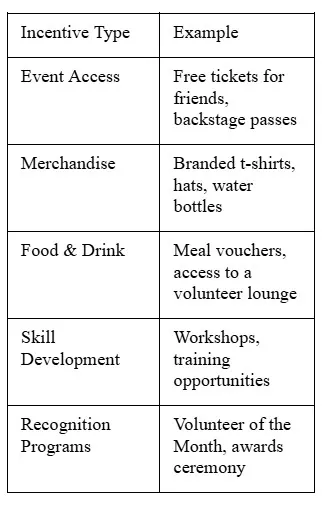
Offering perks that align with the effort volunteers put in is important. If someone commits a full day, a free t-shirt and a meal voucher feels about right. If they're there for the whole weekend, maybe a full event pass is more fitting. Be clear about what they get for their time commitment upfront.
Gathering Volunteer Feedback for Improvement
Volunteers are on the ground, seeing everything. Their insights are incredibly useful for making your event better next time. Actively ask for their thoughts.
- Create simple feedback forms. These can be digital or paper
- Hold informal debriefs after shifts. Chat with a few volunteers about how things went
- Ask specific questions. Instead of "How was it?", try "What was the smoothest part of your shift?" or "Was there anything that caused confusion?"
Once you get this feedback, actually do something with it. Let your volunteers know how their suggestions are being used. This shows you truly value their input and are committed to making the volunteer experience better for everyone.
Ensuring Smooth Event Operations