Planning events often feels like juggling a dozen things at once, right? You want people to have a good time, learn something new, and maybe even connect with each other. But there's this whole other layer to think about: making sure everyone can actually participate. Event accessibility isn't just a nice to have; it's becoming a really big deal, touching on everything from following the rules to building a better brand. Let's break down why this matters and how to get it right.
Understanding Legal Obligations for Event Accessibility
When planning any event, it's really important to know the rules about making it accessible. This isn't just about being nice, it's about following laws that protect people. Ignoring these can lead to trouble, but getting it right means more people can come and have a good time.
Navigating anti discrimination laws
Lots of laws exist to stop discrimination. In the U.S., these cover things like race, religion, sex, and importantly, disability. While these laws set a baseline, thinking beyond just the minimum is key. It’s about making sure no one feels excluded because of who they are or what they need.
- Federal Protections: Laws like the Civil Rights Act of 1964 prohibit discrimination based on several protected characteristics. While not always event-specific, they set a broad tone for fairness
- State and Local Laws: Many states and cities have their own anti-discrimination laws that might offer even broader protections or specific requirements for public accommodations, which can include events
- Beyond the Letter of the Law: True inclusivity means going beyond just what's legally required. It's about proactively creating an environment where everyone feels welcome and respected, regardless of their background or abilities
Thinking about anti discrimination laws means looking at all the ways people might be treated unfairly and actively working to prevent that. It's about fairness for everyone involved.
Ensuring ADA compliance
The Americans with Disabilities Act (ADA) is a big one for event organizers. It requires that public accommodations, including many event venues and services, are accessible to people with disabilities. This covers a lot of ground, from physical spaces to communication.
- Physical Access: This includes things like ramps for wheelchairs, accessible restrooms, and clear pathways. Venues should be checked to make sure they meet ADA standards
- Communication Access: Events need to provide information in ways that people with hearing or vision impairments can access. This might mean offering sign language interpreters, closed captioning for videos, or providing materials in large print or braille
- Reasonable Accommodations: Organizers must provide reasonable accommodations for attendees with disabilities upon request. This could range from reserved seating to allowing service animals
Adhering to digital accessibility standards
In today's world, events often have a digital component, whether it's a website, registration portal, or virtual sessions. These digital spaces also need to be accessible.
- Website Accessibility: Event websites should be usable with screen readers and keyboard navigation. This means using proper headings, alt text for images, and clear link descriptions
- Virtual Platforms: If you're hosting online sessions, the platform should support features like live captioning and screen sharing. Presenters should also be mindful of speaking clearly and describing visual content
- Content Formats: Any digital materials shared, like PDFs or videos, should be created with accessibility in mind. This means ensuring documents are tagged correctly and videos have accurate captions and transcripts
Ethical Foundations for Inclusive Event Planning
Putting on an event isn't just about logistics; it's also about doing the right thing. This means making sure everyone feels welcome and respected, no matter who they are. It’s about aligning what you do with what your organization believes in, being upfront about how things work, and creating a space where people feel safe and valued.
Aligning events with organizational values
Your event should be a reflection of your organization's core beliefs. If your company talks about community or fairness, your event needs to show that. This isn't just for show, it's about being genuine. Think about how your event's theme, speakers, and even the food choices connect back to what your organization stands for. It’s about making sure the event experience matches the mission statement, not just in words, but in action.
Prioritizing transparency and accountability
People appreciate it when you’re open about how your event is run. This includes being clear about who is sponsoring the event, how decisions are made, and what criteria are used for things like selecting speakers or awarding opportunities. It’s also important to be honest about any potential conflicts of interest that might come up. Being accountable means owning up to mistakes and showing how you plan to fix them. This builds trust with your attendees and partners.
Creating safe and respectful environments
This is a big one. It means setting clear expectations for behavior, often through a code of conduct, and making sure everyone knows what’s expected. This covers things like preventing harassment and discrimination. Your staff should be trained to handle any issues that arise calmly and effectively. It’s about making sure that every person at your event feels secure and can participate without worry. This includes considering things like:
- Providing quiet spaces for those who might need a break from sensory overload
- Having clear signage and staff available to help with directions
- Offering different ways to participate, like live Q&A or chat functions
Building an event that truly respects everyone requires a conscious effort to think about different needs and perspectives. It’s about moving beyond just meeting basic requirements and aiming to create an experience where all participants feel genuinely included and valued.
When you focus on these ethical aspects, your event becomes more than just a gathering; it becomes a positive statement about your organization and its commitment to people.
Enhancing Brand Value Through Accessibility
When you make your events accessible, it's not just about following rules or being nice. It actually makes your brand look better and can bring in more people. Think about it: if someone knows they can easily get around your venue, understand the speakers, and participate fully, they're much more likely to buy a ticket. This opens your event up to a much wider group of potential attendees who might have otherwise stayed away.
Expanding reach and audienceeEngagement
Making events accessible means you're not shutting doors on anyone. This includes people with disabilities, but also older adults who might have trouble with loud noises or bright lights, or even parents with strollers who need wider pathways. When you plan for these different needs, you naturally draw in a more diverse crowd. This diversity brings new perspectives and energy to your event, making it richer for everyone involved. It shows you care about everyone, not just a select few.
Building brand reputation and loyalty
Companies that consistently show they care about inclusion tend to build a stronger reputation. People notice when an organization goes the extra mile to make sure all its customers feel welcome and respected. This kind of positive attention can lead to people sticking with your brand over competitors. It builds trust and a sense of community around your events.
Being known as an accessible brand means people feel good about supporting you. It's a way to connect with your audience on a deeper level, showing that your values extend beyond just making a profit.
Attracting top talent through inclusive culture
Your events are often a reflection of your company culture. When you host accessible events, you're sending a clear message to current and potential employees: this is a place that values everyone. This is a big deal for people looking for jobs, especially those who need accommodations or simply want to work for a company that prioritizes fairness. It helps you stand out in the job market and attract the best people.
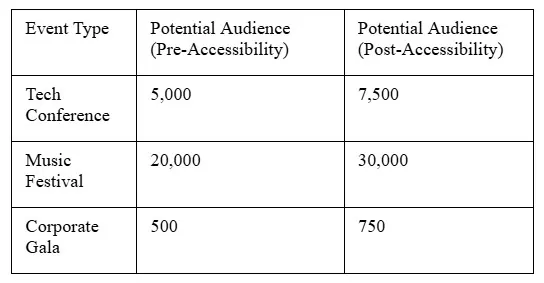
Here’s a look at how accessibility impacts audience size:
Practical Strategies for Accessible Event Design
Designing an event that works for everyone isn't just about ticking boxes, it's about thinking through the whole experience from start to finish. We need to consider all sorts of needs, not just the obvious ones. This means looking at physical access, yes, but also how people with sensory sensitivities might feel, or what happens if someone has a dietary restriction that wasn't on the initial signup. It’s about being prepared for the unexpected.
Accommodating diverse attendee needs
When we talk about diverse needs, it covers a lot of ground. Think about mobility issue,s are there ramps, elevators, and accessible restrooms? What about seating? Some folks might need a spot closer to the stage, or a place with more legroom. Then there are sensory considerations. Loud noises, bright flashing lights, or even strong smells can be overwhelming for some. Creating a quiet room or offering noise-canceling headphones can make a big difference. Dietary needs are also key. Beyond just vegetarian or vegan, consider allergies like gluten, nuts, or dairy, and make sure the food labeling is super clear. Communication is another big one. Providing sign language interpreters, live captioning for presentations, or even just ensuring clear audio can help people who are deaf or hard of hearing. For those with visual impairments, having large print materials or audio descriptions is important.
- Offer multiple ways to register and communicate information. This could include phone, email, and a web form, and providing information in various formats like large print or digital
- Plan for dietary restrictions and allergies. Collect this information during registration and work closely with caterers to ensure safe and clearly labeled options are available
- Consider sensory needs. Designate quiet spaces, manage lighting and sound levels where possible, and provide advance notice about potentially overwhelming elements
Being prepared means having backup plans. What if a ramp breaks? What if the interpreter is sick? Having a point person or a small team ready to troubleshoot these issues on the fly is a smart move.
Implementing assistive technologies and formats
Technology can be a real game changer for accessibility. Live captioning, for instance, is becoming standard for presentations, and it helps not only deaf or hard-of-hearing attendees but also those in noisy environments or people who just prefer to read along. ASL interpreters are also vital for many events. Beyond that, think about digital accessibility. Is your event website or app usable with screen readers? Are presentations provided in accessible formats beforehand? Providing transcripts for audio content or captions for videos is a must. Even simple things like using clear, sans serif fonts and good color contrast in visual materials can help a lot of people.
- Captioning and Transcription: Ensure all spoken content, whether live or recorded, has accurate captions and is available as a transcript afterward
- Sign Language Interpretation: Arrange for qualified ASL interpreters for key sessions and announcements if your audience includes deaf or hard of hearing individuals
- Accessible Digital Materials: Make sure websites, apps, and presentation slides are compatible with assistive technologies like screen readers and keyboard navigation
Ensuring venue and wayfinding accessibility
The venue itself is a huge part of the puzzle. Is it easy to get to via public transport? Are there accessible parking spots? Once inside, are the pathways clear of obstructions? Signage is another area that often gets overlooked. Clear, large print signs with good color contrast can help everyone, especially people with visual impairments or cognitive differences, navigate the space. Think about the flow of people, are there bottlenecks? Is there enough space for wheelchairs or scooters to move around comfortably? Providing a map of the venue, perhaps with accessible routes highlighted, can be really helpful. It’s about making sure no one feels lost or excluded just because they can’t easily figure out where to go.
- Physical Access: Verify that the venue has ramps, elevators, accessible restrooms, and clear, wide pathways
- Clear Signage: Implement large-print, high-contrast signage with simple language for directions and room identification
- Information Hubs: Establish clearly marked information desks or points of contact where attendees can ask for assistance with wayfinding or other needs
The Business Imperative of Event Accessibility
Thinking about events as just a fun gathering or a place to share information is missing a big piece of the puzzle. When we talk about the business side of things, making events accessible isn't just a nice to have; it's actually a smart move that can really help your company. It's about making sure everyone can join in and get value from what you're offering.
Unlocking innovation through inclusive solutions
When you start planning an event with accessibility in mind from the get go, you often find yourself coming up with new and better ways to do things. Think about it: adding captions to videos helps people who are in noisy places or aren't native speakers, right? That's a win for lots of people, not just those who are deaf or hard of hearing. It’s like those ramps on sidewalks, they help people with wheelchairs, but they also make it easier for folks with strollers or rolling luggage. This idea, sometimes called the "curb cut effect," means that making things accessible often makes them better for everyone.
Plus, focusing on accessibility can push your team to learn new tech, train staff more thoroughly, and get creative with problem-solving. This kind of thinking can really boost innovation across the board.
Driving revenue and economic profit
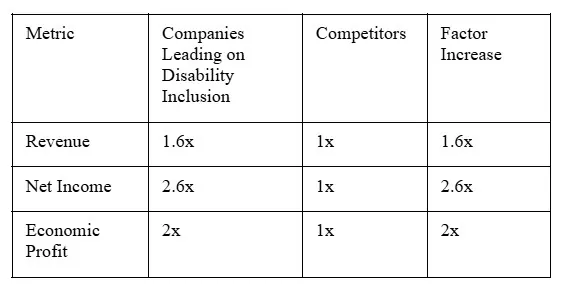
Let's talk numbers. A lot of people have disabilities, like a significant chunk of the population worldwide. And guess what? They have spending power. If your event isn't accessible, you're basically turning away potential customers or attendees. Studies show that companies that really focus on disability inclusion tend to make more money and have more loyal customers than those that don't. It's not just about being fair; it's about tapping into a market that might otherwise be overlooked.
Here’s a quick look at what that can mean:
Leveraging Accessibility for Competitive Advantage
In today's world, people are paying attention to how companies act. When your events are known for being inclusive and welcoming to everyone, it builds a really positive image for your brand. It shows you care about more than just the bottom line. This can make people more likely to choose your products or services over a competitor's. It also makes your company a more attractive place to work. Think about it, if you're looking for a job, wouldn't you rather work for a company that clearly values everyone?
Making accessibility a core part of your company culture, not just a box to tick for legal reasons, makes a real difference. It signals to everyone, employees, customers, and partners, that your organization is forward-thinking and genuinely committed to inclusivity. This kind of reputation is hard to buy and can give you a serious edge.
Fostering Collaboration for Accessibility