Getting ready for an art show is exciting, but dealing with the paperwork, especially when it comes to insurance and venue requirements, can be a real headache. You've poured your heart into your creations, and the last thing you want is a minor incident to turn into a major financial mess. This guide breaks down the essentials of an Artist Settlement, covering what you need to know about insurance, venue demands, and how to protect your business so you can focus on what you do best, creating and selling your amazing art.
Understanding Artist Settlement Basics
So, you're heading to an art show, booth all set up, ready to sell your amazing creations. But before you can even think about that first sale, there's the nitty-gritty of the artist settlement. It sounds a bit formal, but really, it's just the agreement that lays out how the money from your sales at the show gets handled. Think of it as the financial handshake between you and the show organizer.
What constitutes an artist settlement?
An artist settlement is basically the contract or agreement that details the financial terms for artists participating in an art show or exhibition. It spells out how much of the sales revenue the organizer takes, what fees you might owe, and when and how you'll get paid. It's the roadmap for all the money stuff, making sure everyone's on the same page about the financial flow from your booth to your bank account.
Key components of a successful settlement
A good settlement agreement is clear and covers all the important bases. You want to know exactly what's expected of you and what you can expect in return. Here are some things that usually make the cut:
- Sales Commission: This is the percentage of your total sales that the show organizer will keep. It can vary a lot, so know this number upfront
- Booth Fees: The cost to rent your space at the show. Sometimes this is separate from the commission, sometimes it's bundled
- Payment Schedule: When will you actually get your money? Some shows pay out immediately after the event, others might take a week or two
- Sales Reporting: How will sales be tracked? Will you be using a specific POS system, or will you be reporting your own sales?
- Return Policy: What happens if a customer wants to return an item? Who handles it, and how does it affect your payout?
It's always a good idea to have a written agreement. Verbal agreements can get messy, and when money is involved, clarity is your best friend. Make sure you read it carefully before you sign anything.
Navigating the artist settlement process
Getting through the settlement process smoothly is all about preparation and communication. Here’s a general idea of how it usually goes:
- Review the Agreement: Before the show even starts, take a good look at the settlement terms. If anything is unclear, ask the organizer for clarification. Don't be shy about this!
- Track Your Sales: Keep meticulous records of every sale you make. This is super important for accuracy when it's time to settle up
- Submit Your Sales Report: Follow the organizer's instructions for reporting your sales. This might involve filling out a form or using a specific software
- Receive Your Payout: Once the organizer processes everything, you'll get paid the amount you're owed, minus any commissions or fees
- Reconcile: Double check the payment you receive against your sales records and the settlement agreement. If something doesn't add up, bring it to the organizer's attention right away
Essential Insurance for Art Show Vendors
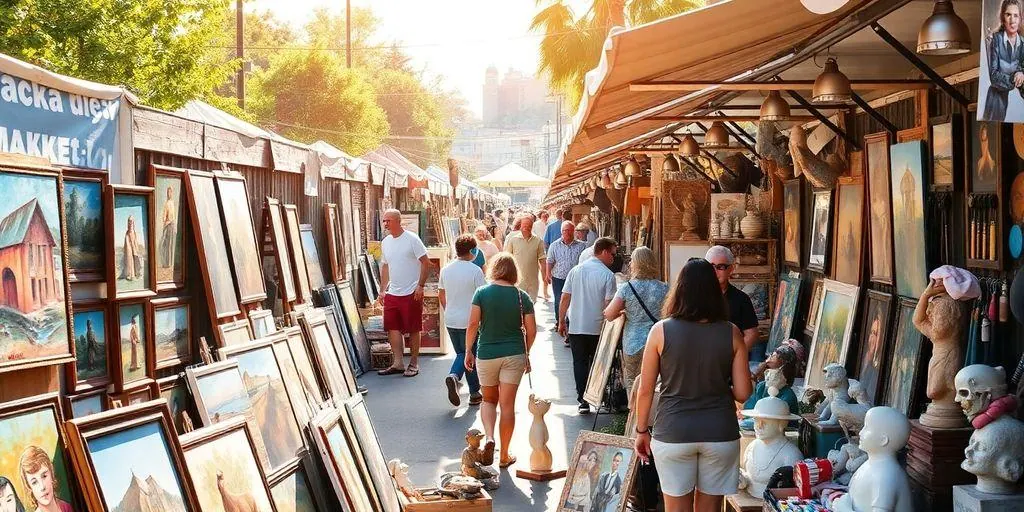
Setting up your booth at an art show is exciting, but it also comes with risks. You're interacting with the public, displaying your work, and potentially selling items that could cause harm. That's where specialized insurance comes in. Think of it as your business's safety net, protecting you from unexpected financial hits.
General liability protection for your booth
This is the big one. General liability insurance covers you if someone gets hurt or their property gets damaged because of your booth or your actions at the show. For example, if a customer trips over a power cord you've laid out, or if your display stand topples over and breaks someone's phone, this coverage can help pay for their medical bills or the cost to replace their item. It also covers legal fees if you're sued over such an incident. It's the most common type of protection for vendors.
Product liability for your creations
What if someone has an allergic reaction to your handmade soap, or a piece of your jewelry breaks and causes a cut? Product liability insurance is designed for situations like these. It protects you if your actual product causes injury or damage to a customer. This is especially important if you sell items like skincare products, food, or anything with small parts.
Coverage for damage to rented premises
Sometimes, your display might accidentally damage the venue itself. Maybe a heavy display case scratches the floor, or you accidentally knock over a wall fixture. Coverage for damage to rented premises helps pay for repairs to the venue's property that you might be responsible for. It’s a smaller part of the overall picture, but it’s good to know you’re covered if something like that happens.
Protecting Your Art Business from Claims