So, you're planning a concert and need a place to hold it. It sounds simple enough, right? Pick a spot, book it, and you're good to go. But honestly, finding the right Concert Venue is way more involved than just picking a building. You've got to think about how many people can actually fit, if the sound is going to be decent, and what's *really* in that contract you're about to sign. It’s a whole process, and getting it wrong can really mess up your show.
Understanding Venue Capacity For Your Concert
When you're planning a concert, figuring out how many people your venue can actually hold is super important. It's not just about cramming as many bodies as possible into a space. You want people to be comfortable, safe, and able to enjoy the music without feeling like they're in a sardine can. Getting the capacity wrong can lead to a bad experience for your fans and potential trouble with venue management or even local authorities.
Assessing attendee numbers
First off, you need a realistic idea of how many people are likely to show up. This isn't just a guess; it involves looking at past events, your marketing reach, and ticket sales projections. Remember that different types of concerts might draw different crowd sizes. A local band's gig will likely have a different attendance than a touring act.
Here’s a quick way to think about it:
- Standing Room Only: This usually allows for the highest density of people. You'll need to check venue fire codes and their own policies
- Seated Events: This is more straightforward. You count the available seats. But don't forget about space for aisles and accessibility
- Mixed Seating/Standing: This is common for concerts, where you might have a seated area and a standing area. You need to calculate both
It's also wise to consider the flow of the crowd. Where will people enter, exit, and move around? A venue that looks big enough on paper might feel cramped if the layout isn't practical for a moving audience.
Flexible seating arrangements
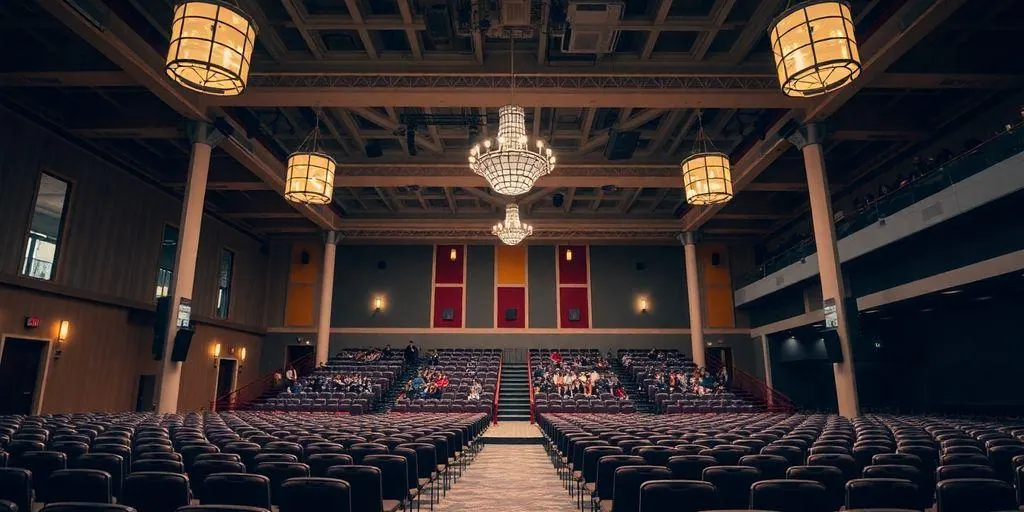
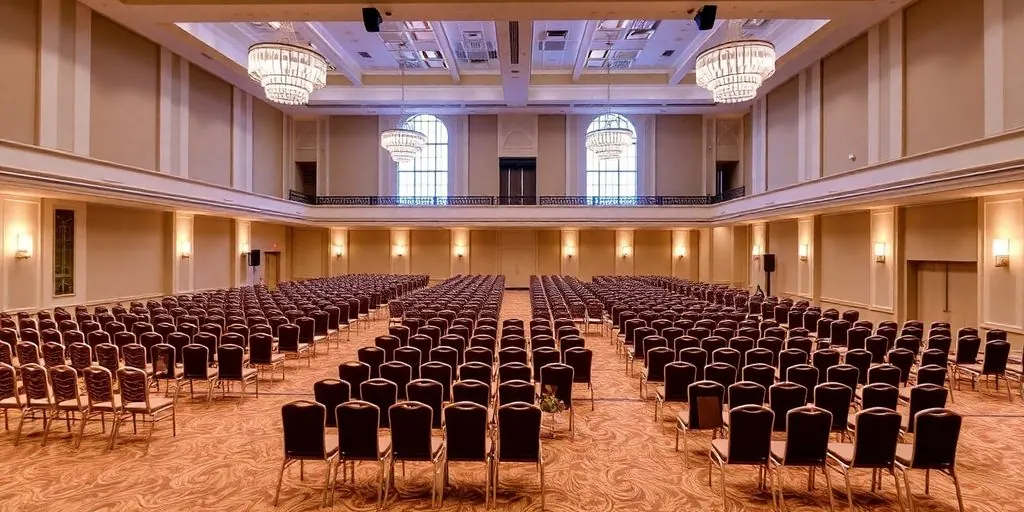
Not all concerts are the same, and neither are seating needs. Some venues offer a lot of flexibility, which is a big plus. Can they switch from a theater style setup (rows of chairs facing the stage) to a more open standing area? Maybe you need some tables and chairs for VIP guests or a chill out zone.
Think about:
- Theater Style: Good for maximizing seated audience
- Banquet Style: Useful if you're offering a meal or want more intimate table settings
- Cocktail Style: Open space with high-top tables, encouraging mingling
- General Admission (Standing): Best for high energy shows
Being able to adapt the space means you can tailor the concert experience to your specific needs and the type of artist you're hosting. It’s worth asking the venue about their setup options and any associated costs.
Accommodating breakout sessions
While less common for a typical concert, some larger events or festivals might include workshops, Q&A sessions with artists, or smaller acoustic sets. If this is part of your plan, you'll need to consider if the venue has smaller rooms or areas that can be used for these 'breakout' activities. These spaces don't need to be huge, but they should be comfortable and equipped with basic amenities like chairs and perhaps a small sound system. It’s about providing different experiences within the larger event, and the venue’s ability to support this can really add value for your attendees.
Location, Location, Location: Accessibility For Concerts
When planning a concert, where you hold it really matters. It's not just about the stage or the sound system, it's about getting people there and making it easy for them. Think about it, if your venue is a pain to get to, people might just skip it, no matter how great the band is.
Proximity to transportation hubs
Making it easy for attendees to reach your concert is key. Look for venues that are close to major public transport stops. If your city has a good subway or bus system, a spot near a station is a big plus. This helps people who don't drive, and it can also cut down on traffic and parking headaches for everyone. It's also good to check how far away the nearest airport or train station is, especially if you're expecting guests from out of town. A venue that's a quick ride from these hubs makes travel much simpler for them.
Convenient lodging options
If your concert is a multi-day event or if you're expecting many out-of-town guests, having hotels nearby is a lifesaver. Attendees will appreciate not having to travel far after a long day of music. See if the venue has partnerships with local hotels, or at least check what options are within walking distance or a short taxi ride. This convenience can be a deciding factor for people booking their trips.
Adequate parking facilities
Even with good public transport, many people will still drive. You need to know what the parking situation is like. Does the venue have its own lot? If so, how big is it? If not, are there plenty of parking garages or street parking options nearby? It's also worth asking if the venue offers any kind of parking validation or discounts. If parking is scarce or expensive, it can really put a damper on the experience before the music even starts. You might even consider arranging for a shuttle service from a larger, off-site parking area if needed.
Here's a quick look at what to consider:
- Public Transport: Proximity to bus routes, subway stations, or train lines
- Airport/Train Station Access: Travel time and ease of access for out of town guests
- Hotel Availability: Number and type of hotels within a reasonable distance
- Parking: On-site capacity, nearby garages, and potential costs
Choosing a location that's easy to get to and offers good amenities for travelers can make a huge difference in attendance and overall guest satisfaction. It shows you've thought about their experience from the moment they decide to come.
Essential Amenities and Services For A Concert Venue
When planning a concert, the venue's amenities and services can make or break the attendee experience. It's not just about having a space; it's about what that space can do for your event. Think about what you need to make the show run smoothly and keep your audience happy.
Integrated audio visual capabilities
Good sound and visuals are non-negotiable for a concert. Look for venues that come equipped with a solid sound system, including microphones, speakers, and a mixing board. Don't forget about lighting, stage lighting can really set the mood. Having these systems built-in saves you a ton of hassle and money on rentals. It's also a huge plus if the venue has technicians on staff who know the equipment inside and out. They can troubleshoot issues on the fly, which is a lifesaver during a live performance. You'll want to confirm the quality and compatibility of the AV equipment with your specific performance needs.
Reliable WiFi connectivity
In today's world, reliable internet is almost as important as electricity. Attendees might want to share their experience on social media in real time, or perhaps you have special interactive elements planned. For the venue staff and any technical crews, a stable connection is vital for communication and running the event. Make sure the venue can handle a large number of simultaneous connections without slowing down. It’s worth asking about the network's capacity and if there are any limitations on bandwidth.
Catering and beverage packages
While not every concert requires full catering, having options available can be a big draw for attendees, especially for longer events or festivals. Some venues have in-house kitchens and offer various food and drink packages. It’s a good idea to see what kind of menus they provide and if they can accommodate dietary restrictions. If the venue doesn't have its own catering, check if they allow outside caterers and what their policies are. Having food and drinks readily available onsite makes things much more convenient for everyone involved.
Don't just assume that the basic package covers everything you need. Always ask for a detailed breakdown of what's included in any catering or beverage service, and be prepared to discuss custom options if necessary. It's better to clarify these details upfront to avoid surprises later.
Navigating Budget and Hidden Costs
When you're planning a concert, the venue cost is usually the first thing that pops into your head. But let's be real, that initial price tag is often just the tip of the iceberg. There are a bunch of other expenses that can sneak up on you if you're not careful. It's all about digging into the details and asking the right questions before you sign anything.
Detailed venue rental fees
Okay, so the venue rental fee is the big one, right? But what exactly does that number cover? Does it include tables and chairs, or are those extra? What about basic setup and cleanup? Some places might throw in a sound system or some lighting, but often, that's a separate charge. You really need to get a clear breakdown. Ask for a list of everything that's included in the base price and then get quotes for anything you'll need beyond that. It’s helpful to compare what different venues offer for their base rate.
Understanding overtime charges
This is a big one that catches people out. Most venues have a set time frame for your rental. If your event runs even a little bit over, you can get hit with some serious overtime fees. These charges can add up fast, sometimes doubling the hourly rate. So, know your end time and plan your schedule tightly. It’s also smart to ask exactly what the overtime rate is and if there’s any grace period. Sometimes, a small extension might be negotiable, but you need to know the cost upfront.
Negotiating service fees
Beyond the rental fee, venues often add on service charges. These can be a percentage of your total bill or a flat fee per person. They might cover things like staffing, security, or basic maintenance. The tricky part is that these fees aren't always clearly stated in the initial quote. Always ask for a full list of all potential fees, including any service charges, administrative fees, or even cleaning fees. Don't be afraid to ask what these fees are for and if they are negotiable. Sometimes, bundling services or committing to a longer rental period can help reduce these extra costs. It’s worth a shot!
It's easy to get excited about a venue's look and feel, but a thorough review of the contract and all associated costs is absolutely necessary. Don't let a beautiful space blind you to potential budget pitfalls.
The Impact of Ambiance and Acoustics
When you're planning a concert, the vibe and how everything sounds are a pretty big deal. It's not just about having a place for people to stand; it's about creating an experience. The look of the place, the lighting, and especially how the music or speeches carry through the room can really make or break your event.
Matching venue aesthetics to event theme
Think about what kind of concert you're putting on. Is it a fancy classical performance, a high energy rock show, or a chill acoustic set? The venue's style should match. A place with exposed brick and a vintage feel might be perfect for a folk band, while a modern space with clean lines could suit an electronic music act. You don't want the venue's look to clash with the music. Sometimes, a venue's existing decor is great, but other times you might need to bring in your own decorations to get the right feel. It's all about making sure the visual elements support the overall mood you're trying to create for your audience.
Optimizing sound quality
This is where acoustics come into play, and it's super important for any concert. You need to make sure the sound is clear and balanced, no matter where someone is sitting or standing. Bad acoustics can ruin a performance, making it hard to hear lyrics or instruments, or causing annoying echoes. When you check out a venue, try to get a feel for how sound travels. Are there lots of hard surfaces that might bounce sound around? Or is it a space that naturally absorbs sound well? It's a good idea to test the sound system if possible, maybe by playing some music or having someone speak into a microphone. You want to avoid that muffled or echoey sound that can really detract from the performance. Understanding how noise conditions can affect your event is key [5e87].
Effective lighting solutions
Lighting does more than just let people see; it sets the mood. For a concert, you might want dramatic lighting for certain moments, softer lights for quieter parts, or bright, dynamic lights to get the crowd going. Adjustable lighting is your best friend here. You want to be able to control the intensity and color to match the music and the energy of the performance. Think about how the lighting will look from the stage and from the audience's perspective. Good lighting can make a performance feel more professional and engaging. It's worth asking the venue about their lighting setup and what options you have for customization. Sometimes, the venue has basic lighting, but you might need to bring in special effects or stage lighting to really make your concert shine.
Decoding Venue Contracts and Policies
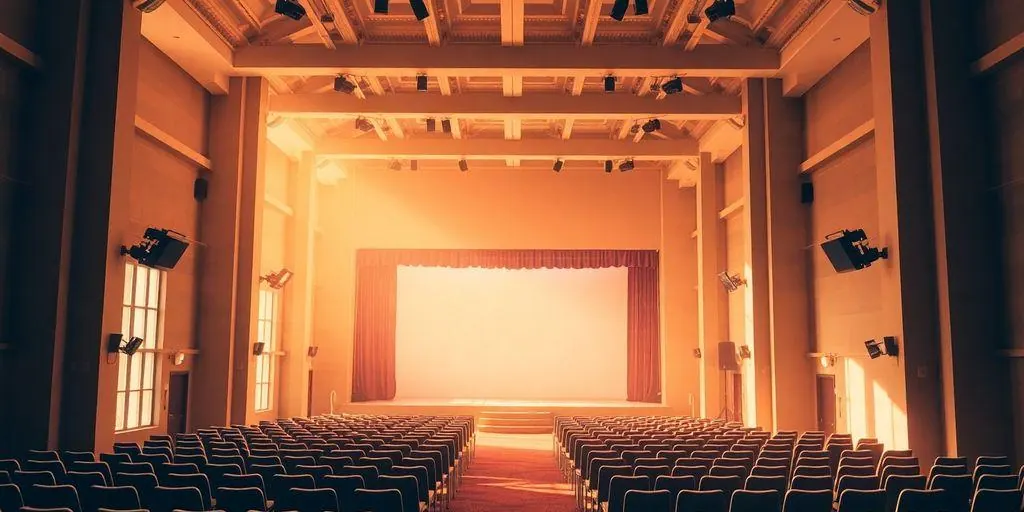
So, you've found a place that looks great, fits your budget, and seems to tick all the boxes. Awesome! But before you sign on the dotted line, we really need to talk about the contract. This is where things can get a little tricky, and honestly, it’s probably the most important part of the whole venue selection process. Ignoring the fine print here can lead to some serious headaches and unexpected costs down the road. Think of it as the final boss battle of venue hunting.
Reviewing cancellation and rescheduling terms
Life happens, right? Sometimes, despite your best efforts, you might need to change your event date or, in a worst-case scenario, cancel altogether. The contract will lay out exactly what happens in these situations. You need to know the deadlines for making changes and what kind of penalties you’ll face. Some venues might let you reschedule for free if you give them enough notice, while others might charge a hefty fee or keep your deposit. It’s also worth checking if they offer any flexibility if an event is canceled due to unforeseen circumstances like extreme weather or a public health crisis. Always ask for clarification on these points; don't just assume.
Identifying attrition clauses
This one’s a bit more specific, especially if your event involves booking hotel rooms or a certain amount of food and beverage. An attrition clause basically means that if you don’t meet a minimum spending or usage requirement, you’ll still have to pay for it. For example, if you book 100 hotel rooms but only 70 get used, the contract might say you’re on the hook for the remaining 30. It’s super important to understand these minimums and how they’re calculated. If you’re not confident you’ll hit them, try to negotiate them down or get a clearer picture of what’s expected.
Understanding liability and insurance requirements
This section deals with who is responsible if something goes wrong. What happens if someone gets injured at your event? What if there’s damage to the venue? The contract will outline the venue’s liability and, more importantly, what kind of insurance you need to have. Most venues will require you to carry event liability insurance and might even ask to be named as an additional insured on your policy. This protects both you and the venue. Make sure you know exactly what coverage is needed and factor the cost of obtaining this insurance into your overall budget. It’s better to be over-prepared than to face a massive bill later.
Conducting Thorough Site Visits