Putting on a show, whether you're the artist or the venue, involves a lot of moving parts. It’s easy to get caught up in the excitement, but overlooking the details in contracts can lead to big headaches later on. Think of event contracts as the roadmap for your gig. They lay out exactly what everyone expects, from when the doors open to how the money gets split. Making sure these agreements are clear and fair from the start is key to a successful event.
Understanding Core Event Contracts Elements
When you're booking a gig, whether you're the artist or the venue, getting the basics down on paper is super important. It's not about distrust; it's about making sure everyone knows what's expected and avoiding those awkward "I thought you meant..." moments later on.
Defining performance details
This is where you nail down the nitty-gritty of the actual show. Think about the date and time, obviously, but also the exact start and end times for the performance itself. What kind of show is it? Is it a full concert, a background set, or something else? Knowing the venue's address and who to contact there is also key. Don't forget to specify when the artist needs to arrive (call time) and when sound checks will happen. Getting these details clear upfront means fewer surprises on the day of the event.
Clarifying compensation structures
Money talk. How much is the artist getting paid? Is it a flat fee, or is it tied to ticket sales? Sometimes, especially for community events, the pay might be a bit different, maybe a donation or a percentage. You also need to figure out when the payment happens. Is it all upfront, a portion before and a portion after, or entirely after the show? And how will they get paid? Check, direct deposit, cash? It's also wise to mention if taxes are included or will be added on.
Establishing basic logistics
Beyond the performance itself, there are other practical things to sort out. This includes things like the duration of the set, as mentioned before, but also any specific technical needs the artist might have. Are there any special instructions for the venue, like specific stage setup requirements or access needs? It's all about making the day run smoothly for everyone involved. A clear list of what's expected logistically can save a lot of headaches.
Navigating Artist and Venue Rights
When you're putting on a show, whether you're the artist or the venue owner, you've got to think about who owns what and what everyone's allowed to do with it. It’s not just about the performance itself; it’s about what happens before, during, and after.
Granting rights for recordings and assets
So, is the venue planning to record the show? This could mean video, audio, or even just snapping some photos. If they are, the contract needs to spell out that the artist is giving them permission to do so. This is often called a 'grant of rights.' It should also say what the venue can do with those recordings, like post them on their social media or website. On the flip side, the artist usually lets the venue use their name, photos, and maybe even some music to promote the gig. It's all about making sure both sides agree on how their image and work will be used. You'll want to check if these uses seem fair and reasonable from the artist's point of view. Don't forget about publishing rights, too; that's a whole other layer to consider.
Addressing merchandise sales
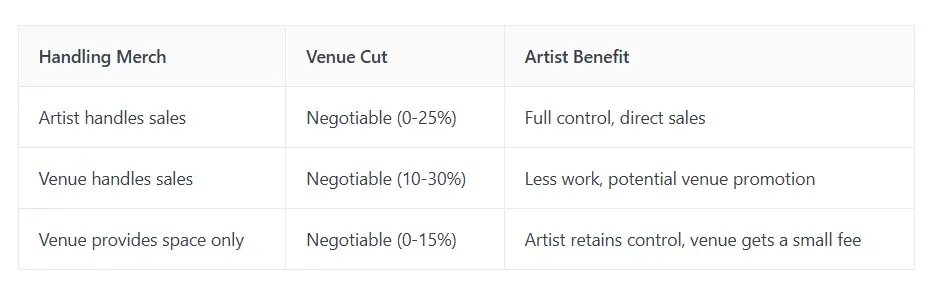
Merchandise is a big deal for artists, and venues often want a piece of that action. The contract needs to be clear about who's handling the merch table. Is it the artist's crew, or is the venue taking charge? Sometimes, venues will ask for a percentage of the merchandise sales, even if they aren't the ones actually selling the items. This has become a pretty common point of discussion in the live music world, so make sure it's ironed out.
Here’s a quick look at common merch arrangements:
Defining use of artist's name and likeness
This ties into the 'granting rights' part, but it's worth its own mention. How can the venue use the artist's name, logo, or photos in their advertising and promotional materials? Are they allowed to use them indefinitely, or only for a specific period related to the event? The artist needs to be comfortable with how their brand is being represented. It’s a good idea to have a list of approved promotional assets that the venue can use. This helps prevent any misunderstandings down the road. You can find more details on artist agreements at Edwards Creative Law.
It’s really important to be specific here. Vague terms about using an artist’s name can lead to problems later. Think about exactly what photos are okay, what wording can be used, and where it can be published. Both parties should review and agree on these details before the contract is signed.
Addressing Contingencies in Event Contracts

Things don't always go according to plan, right? That's why it's smart to think about what happens when the unexpected pops up. We're talking about stuff like bad weather, equipment failures, or even if someone just can't make it.
Cancellation and default clauses
This is where you spell out what happens if either the artist or the venue has to back out. It’s not just about saying "sorry, can't make it." You need to define what constitutes a cancellation and what the consequences are. For instance, if the venue cancels last minute, what does the artist get? Usually, it involves the return of any deposit and maybe some extra compensation for lost time and expenses. On the flip side, if the artist cancels, the venue might be entitled to keep the deposit and potentially sue for damages if they can prove they lost money because of the cancellation. It’s a two-way street, and the contract needs to make that clear.
Force majeure provisions
This is a fancy legal term for "acts of God" or things completely outside anyone's control. Think major natural disasters like hurricanes, earthquakes, or even widespread power outages that make the event impossible. A good force majeure clause basically says that if something like this happens, neither party is at fault, and obligations are suspended or canceled without penalty. It’s important to list specific examples of what qualifies, so there’s no confusion later. For example, a contract might state:
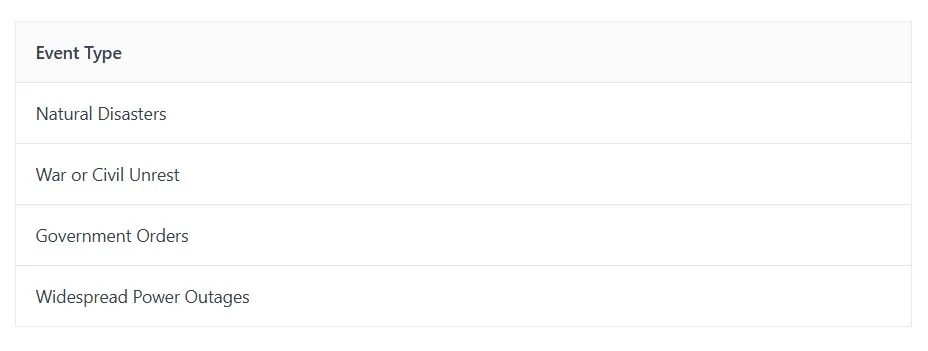
It’s really about acknowledging that some things are just bigger than any contract. The goal is to protect both parties from being unfairly punished when circumstances are truly beyond their control.
Handling unforeseen difficulties
Beyond the big, dramatic stuff, there are smaller, more common issues. What if the venue's sound system isn't what was agreed upon? Or what if extreme heat makes it unsafe for the artist to perform outdoors? These are the kinds of things you need to anticipate. For outdoor events, a clause might require the client to provide a safe, shaded area or an indoor backup plan. If the artist feels conditions are unsafe, they should have the right to stop performing without penalty, and the contract should support that. Documenting these conditions with photos or videos can be really helpful if there’s a dispute later. It’s about setting expectations and having a plan for when reality doesn't quite match the vision.
Key Considerations for Hospitality and Technical Needs
When you're booking a gig, it's not just about the music itself. You've got to think about what you'll need to actually do the show and what you'll need to be comfortable while you're there. This covers everything from the gear you'll use to the snacks and drinks provided.
Artist hospitality and per diems
This is all about making sure the artist is taken care of. It can include things like providing a place to stay if the gig is out of town, or covering travel costs. A per diem is also common, which is a set amount of money given to the artist each day to cover food and other personal expenses. It's basically a daily allowance. Sometimes, the contract will specify certain food or drink items that should be available backstage, this is often part of the artist's rider, which is a list of requirements for the performance.
Backline, sound, and lighting agreements
This section gets into the technical stuff. What equipment, known as backline, will the venue provide for the artist to use? This could be anything from drum kits to amplifiers. It's also important to clarify who is responsible for the sound system and lighting. Are they standard for the venue, or will they be tailored to the artist's specific needs? Clear communication here prevents a lot of headaches on show night. If the venue's equipment isn't up to par, or doesn't meet the artist's technical requirements, it can really impact the performance. Sometimes, artists bring their own specialized gear to guarantee a certain quality or to avoid compatibility issues.
Accommodation and travel arrangements
If the performance requires travel, the contract needs to spell out who handles the arrangements and who pays for them. This could mean the venue books and pays for flights and hotels directly, or they might reimburse the artist for expenses they incur. It's good to have details like the type of accommodation (e.g., a specific star rating for hotels) and the mode of transport specified. This avoids any confusion about what's covered and what the artist is expected to arrange themselves.
Financial Aspects of Event Contracts
Let's talk about the money side of things, because honestly, that's usually what matters most to everyone involved. When you're booking an artist or a venue, the financial agreements need to be crystal clear. You don't want any surprises down the line, especially when it comes to getting paid or paying up.
Payment Schedules and Methods
This is where you figure out exactly when and how the money changes hands. Is it a lump sum? Are there installments? Will it be a check, a wire transfer, or maybe even cash (though that's less common for bigger deals)? It's also important to consider if the payment is due before the event, on the day of, or even after. For artists, getting at least a portion upfront can be a lifesaver, especially for travel and setup costs. Venues might prefer payment closer to or after the event, but it's all about negotiation.
- Payment Timing: Before, during, or after the performance?
- Payment Method: Check, wire transfer, direct deposit, etc.
- Currency: Specify the currency if dealing internationally
Deposit and guarantee terms
Deposits are pretty standard. They show that both parties are serious about the commitment. A deposit secures the date for the artist and the venue. Guarantees are a bit different; they're a minimum amount the artist is assured to receive, regardless of ticket sales. If the show does really well, the artist might get a percentage of the door on top of the guarantee. This needs to be clearly laid out,what's the deposit amount, when is it due, and what happens to it if the gig is canceled?
A common point of contention is the refundability of deposits. If the artist cancels, the deposit is usually returned. But what if the venue has to cancel? The contract should specify if the deposit is returned, and under what conditions.
Late payment interest and penalties
What happens if someone doesn't pay on time? This is where late fees or interest come into play. It's not about nickel and diming, it's about incentivizing timely payments and compensating the party that's waiting for their money. You'll want to agree on an interest rate, often a percentage per month, and when it starts accruing. This clause protects both the artist and the venue from cash flow issues caused by delayed payments
Managing Liability and Insurance in Event Contracts