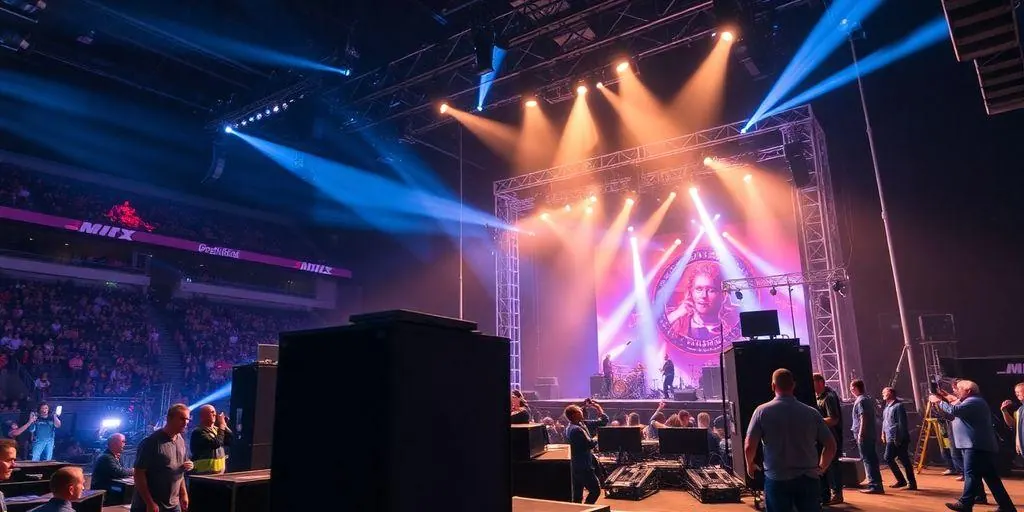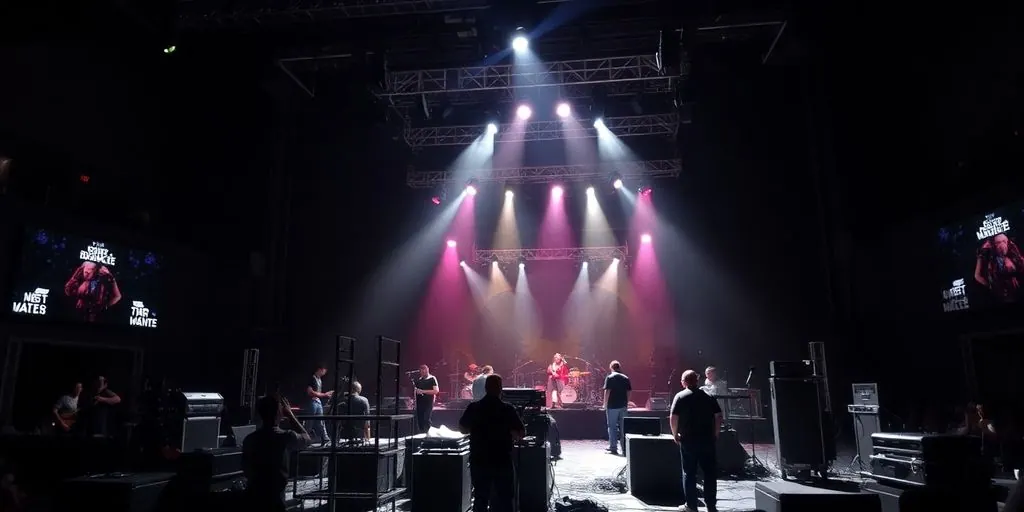
Getting a concert from the first truck rolling in to the last piece of gear leaving is a huge undertaking. It's not just about the music; it's a whole operation. Think of it like building a temporary city that has to be perfect for a few days and then vanish without a trace. This guide breaks down that whole process, from the initial planning to the final sweep of the grounds, focusing on how good Event Operations makes everything run smoothly. We'll cover how to get all the different teams and equipment onto the site without chaos, how to make sure everything is safe and ready before the first fan arrives, and how to pack it all up efficiently afterward.
Mastering the Production Timeline
Getting the timing right for a concert load-in is like conducting a symphony, everything needs to fall into place, and if one instrument is off, the whole performance can suffer. It’s not just about getting gear on stage; it’s about a carefully orchestrated sequence of events that makes the magic happen.
Developing a detailed production schedule
Think of this as your event's DNA. A solid production schedule maps out every single task, from the first truck rolling in to the last piece of equipment being packed away. It’s not just a list, it’s a living document that details who does what, when, and where. We’re talking about specific times for stage construction, power hookups, sound and lighting rig setup, vendor arrivals, and even crew breaks. Breaking down the entire process into manageable chunks helps everyone understand their role and the overall flow. It’s the difference between organized chaos and actual chaos.
- Day 1: Site fencing, stage deck assembly, initial power runs
- Day 2: Main stage structure, rigging, sound system deployment
- Day 3: Lighting grid setup, backline delivery, video wall installation
- Day 4: Vendor load-in, final power distribution, technical checks
Establishing key milestones and responsibilities
Within that big schedule, you need to identify critical checkpoints, or milestones. These are the big wins that tell you you're on track. For example, a milestone might be "Main stage structure complete by Tuesday 5 PM" or "All audio equipment tested and operational by Wednesday noon." Assigning clear responsibility for each milestone means there’s no confusion about who’s accountable for hitting those targets. It gives teams clear goals and makes it easier for the site manager to track progress and identify any areas that are falling behind. Regular, brief check-ins, like a quick morning huddle, keep everyone aligned and allow for immediate adjustments if needed.
A well defined schedule with clear ownership prevents tasks from being overlooked and ensures that dependencies are managed effectively. It’s the backbone of a smooth operation.
Incorporating timeline buffers for contingencies
Let’s be real, things rarely go exactly as planned. Trucks get stuck in traffic, a piece of equipment might be faulty, or the weather could decide to throw a curveball. That’s where buffers come in. These are extra pockets of time built into the schedule to absorb unexpected delays. Aiming to finish major setup tasks a day or two before the event starts is a smart move. This buffer time can be used for those last minute fixes, thorough inspections, or even just to give the crew a breather before the show. It’s like having a safety net; if everything goes perfectly, you get extra time for sound checks or final touches. If something goes wrong, that buffer prevents a small delay from snowballing into a major crisis.
Coordinating Vendor and Contractor Arrivals
Getting all the different teams and their gear to the site without a hitch is a big part of making the whole operation run smoothly. You've got staging crews, sound and lighting folks, tent suppliers, artist teams, food vendors, and a whole lot more. The trick here is to spread out when they all show up and start setting up. This way, everyone can get their work done without tripping over each other.
Staggering vendor setup for optimal workflow
Think of it like a carefully planned dance. You don't want everyone arriving at once. A good approach is to create a schedule that might stretch over a few days. For instance, the main stage construction crews might come in on day one and two. Then, on day three, you bring in the power and HVAC teams to get generators and air conditioning hooked up. Finally, on day four, the marketplace vendors can set up their stalls once the basic infrastructure is ready. This staggered approach helps avoid traffic jams with trucks and makes sure the essential groundwork is done before other groups need it.
Implementing a vendor check-in system
Before anyone even pulls up, make sure every vendor knows exactly where to go. This means telling them which gate to use, where they can park or unload their trucks, and who they should report to when they get there. Sending out a simple map or clear directions beforehand can really cut down on confusion on the day. It’s a good idea to have someone, or a small team, dedicated to handling vendor arrivals. This person should have the production schedule and site map handy. They can greet incoming crews at a checkpoint, verify their credentials, and then guide them to the right spot on-site or to a designated holding area. A solid check-in process like this keeps things orderly, no lost trucks or confused crews blocking others.
- Day 1: Stage and production crews arrive for structural setup
- Day 2: Continue stage build; sound and lighting rigging begins
- Day 3: Power, water, and HVAC contractors arrive to connect utilities
- Day 4: Vendor load-in for booths and concessions; artist backline arrives
Communicating site access and reporting procedures
Clear communication is key. Make sure all vendors have the necessary information about site access well in advance. This includes:
- Specific entry gate(s) for their type of vehicle
- Designated unloading zones
- Contact person for on-site assistance
- Any required permits or documentation
Providing this information in a clear, concise document or email before the event helps prevent last-minute issues and ensures a more organized arrival process for everyone involved. It sets a professional tone from the start.
Managing Heavy Equipment and Site Operations
When you're bringing in a festival, you're basically running a construction site for a bit. Think forklifts moving gear, boom lifts getting lights up high, or cranes putting big stage roofs in place. This whole part of load-in needs someone experienced in charge. It’s a good idea to get an experienced Site Operations Manager, or maybe a site safety manager, to oversee all the heavy machinery. This person figures out when and where things like forklifts, telehandlers, or cranes are being used. They also make sure these operations don't mess with other work happening nearby. For instance, if a crane is lifting a stage roof on Tuesday morning, the site ops manager might tell other crews to stay clear of that area until the lift is done. They keep an eye on the whole site so a delivery truck doesn't try to drive through a spot where a cherry-picker is in the air.
Appointing an experienced site operations manager
This manager is your go-to for all things heavy equipment. Their main job is to create a schedule for when and where machinery like forklifts, telehandlers, or cranes will be active. They also need to make sure these operations don't clash with other tasks happening around the site. It’s about having someone with a big-picture view to prevent conflicts, like a delivery truck trying to pass through an area where a lift is in progress.
Ensuring certified operators for machinery
Safety first, always. Make sure only people with the right certifications are driving heavy equipment. No exceptions. Even if you're short on staff, never let someone without training operate a forklift, the risks are just too high. Everyone working on site during the build should wear the right safety gear. This includes hard hats, steel toed boots, and high visibility vests, especially when heavy machines are moving. The Site Operations Manager should also hold daily safety talks with all the crew leads each morning. They’ll go over what heavy operations are planned for the day, set up radio communication channels and hand signals between operators and spotters, and remind everyone about emergency procedures.
Establishing safety protocols and exclusion zones
To keep people safe, it’s important to set up barricades or caution tape around areas where cranes or forklifts are working. This creates exclusion zones. These zones stop people from wandering under loads that are being lifted or walking into the blind spots of machines that are backing up. Proper management of who is using what equipment, when, and where helps cut down on accidents and keeps the build moving on schedule.
The site needs to be clearly marked out before any trucks arrive. Using a detailed site map, mark out where everything will go on the ground with chalk or flags. This includes stage corners, vendor tents, and fence lines. These markings are super important because they turn your paper plan into real spots on the ground, so crews know exactly where to build. When the stage crew unloads trusses, they’ll see the marked outlines and place things correctly, saving time and avoiding confusion.
Conducting Final Checks Before Showtime
Alright, the big moment is almost here. The crowd is buzzing, the artists are ready, but before you can officially say "showtime," there are a few more things that absolutely need to happen. Think of this as the final polish, the last chance to catch anything that might have slipped through the cracks during the whole setup process.
Comprehensive site walk-throughs
This is where you and your core team get to physically inspect everything. Don't just glance; really look. Walk every inch of the venue. Are all the stages solid? Is the power stable and properly connected? Have the lighting and sound systems been fully tested, and are they working as expected? Is all the signage clear and correctly placed? And super important: are those emergency exits completely clear of any equipment, trash, or anything else that could block them? It’s about making sure the physical space is safe and ready for hundreds, maybe thousands, of people.
Holding a pre-opening production meeting
This is your last chance to get everyone on the same page before the doors open. Gather all your department heads, site operations, production, security, vendor coordination, you name it. Each person should give a quick confirmation that their area is good to go. The site ops manager confirms the build is done, the security chief confirms all access points are managed, and so on. It’s the official sign-off that the build phase is complete and you’re transitioning into show mode. This meeting helps catch any last-minute issues and confirms everyone knows their role during the event itself. It’s a good idea to have the latest version of the show flow printed and distributed backstage at this point, maybe using a real-time tool to keep everyone updated.
Confirming transition to show mode
Once that final meeting wraps up and everyone has given their green light, you officially switch gears. The focus shifts from building and setting up to running the actual event. This means the production team is now in show mode, ready to manage the performances and the audience. It’s about handing over the reins from the build crew to the show crew. You want to make sure that the artists are checked in and backstage well before their set time, just like you'd find on a showtime checklist.
The transition from load-in to show mode is a critical handover. It’s the culmination of all the planning and hard work during the setup phase, and a well-executed transition means the event can start smoothly and safely, without the lingering issues of the build process.
Here’s a quick rundown of what to confirm:
- All technical systems are live and tested: Sound, lights, video, comms, everything should be operational
- Staffing is in place: All crew members, security, and vendors are in their designated positions
- Contingency plans are understood: Key personnel know the procedures for common issues like weather or technical failures
- Communication channels are open: Radios are working, and key staff are connected
- Artist readiness: Performers are on-site, sound-checked, and ready for their cue
Executing an Efficient Load-Out Strategy
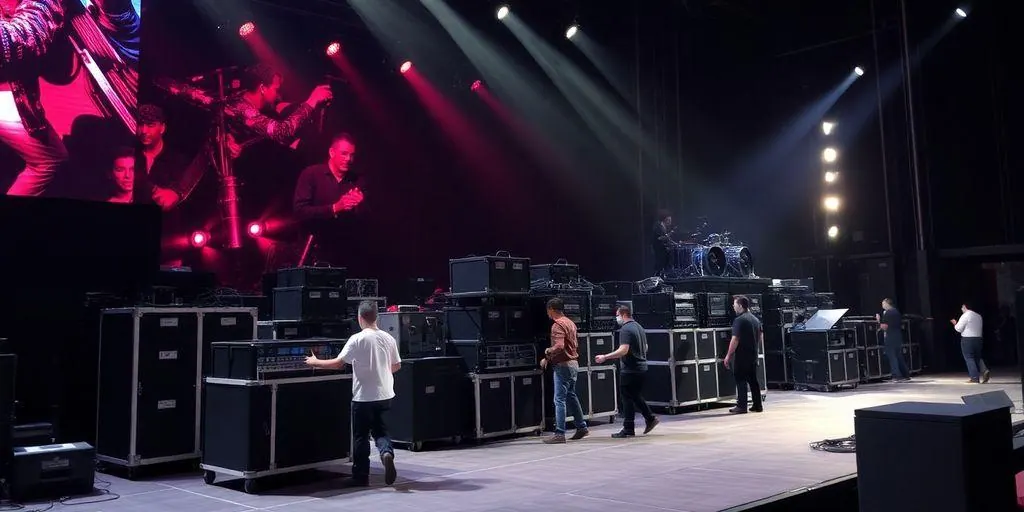
Alright, so the show's over, the crowd's gone home, and now it's time for the big clean-up. This is the load-out, or as some folks call it, the 'strike.' It might not be as glamorous as the opening act, but getting this part right is super important. If you mess this up, you can end up with extra costs, unhappy vendors, and a venue that's not too pleased. So, let's talk about how to make this whole process go smoothly.
Developing a detailed strike timeline
Think of your load-out plan as the reverse of your load-in. You need to know exactly what needs to happen, in what order, and when. This isn't just a vague idea; it's a minute-by minute or hour by hour breakdown. What happens right after the last song? Who packs up the sound gear, and when? When do the trucks need to be loaded and gone? Having this detailed schedule helps everyone know their job and keeps things moving. It’s like a reverse blueprint for the whole event.
Here’s a sample of what that might look like:
- Hour 0-1 (Post-Event): Attendees leave. Security does a sweep. Any immediate exit infrastructure can be taken down. The overnight crew clocks in
- Hour 1-4: Start with the high-priority stuff. AV teams break down sound and lights. Artist gear gets packed and out first. Festival signs and decorations come down. Smaller tents start to get dismantled
- Hour 4-8: Major stage structures begin to come down. Larger tents are taken apart. Vendor booths that are no longer needed are cleared
- Hour 8-12: Continue with structural teardown. Equipment is loaded onto trucks according to a pre-planned manifest
Utilizing fresh crew for overnight shifts
Trying to get the same crew who worked all day to also do the entire teardown is a recipe for disaster. They're tired, they're probably not thinking straight, and that's when mistakes happen, or worse, accidents. Hiring a separate, rested crew specifically for the overnight load-out is a game-changer. These folks come in fresh, they're briefed on the plan, and they can work efficiently through the night. This not only speeds things up but also keeps your main crew from burning out. It’s a smart way to manage energy and safety.
Coordinating rental returns and site Restoration
Once everything is packed and loaded, your job isn't quite done. You need to make sure all the rented gear gets back to the suppliers on time. Missing a deadline can mean extra fees. Plus, you have to leave the venue looking as good as, or better than, you found it. This means cleaning up any trash, fixing any minor damage, and making sure all areas are clear according to your contract. Don't forget to budget time and money for this, it’s part of the deal.
Leaving a venue clean and tidy is not just good manners; it's good business. It helps you get your deposit back, keeps the venue happy for future events, and shows respect for the space you used.
It’s all about finishing strong. A well executed load-out shows professionalism and respect for everyone involved, from the crew to the venue owners.
Learning from Real-World Event Operations