Building a strong group of supporters for your brand, especially in a local area, can feel like a big job. It's not just about getting a bunch of followers; it's about making real connections and finding people who truly believe in what you do. This article will walk you through how to build a community from the ground up, focusing on how community ambassador programs for local promotion can make a big difference.
Key Takeaways
- Figure out what your audience wants and needs right from the start.
- Focus on building good relationships with a few people rather than chasing huge numbers.
- Find and support people who can become your best promoters.
- Make content that really speaks to your local audience.
- Always ask for feedback and use it to make things better.
Laying the Foundation: Defining Your Community's Vision
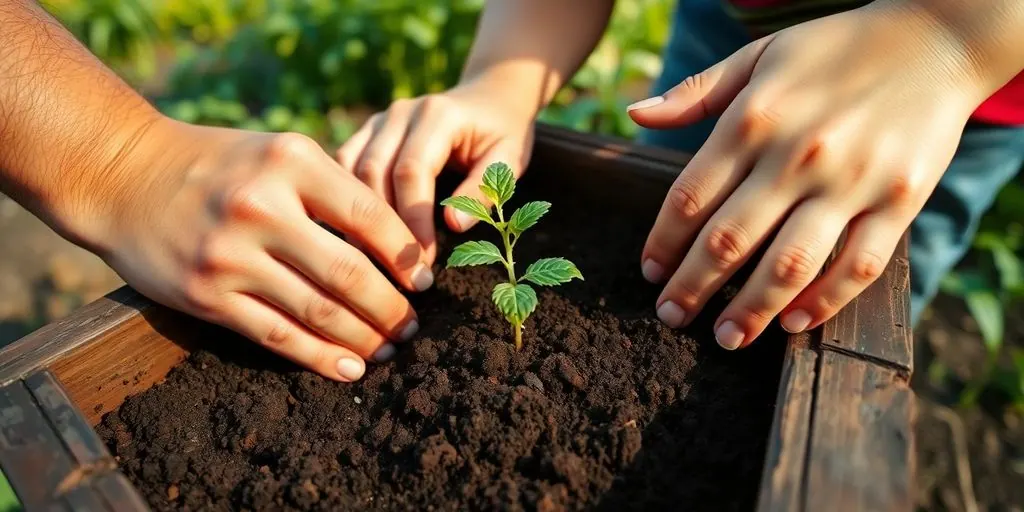
Before you start gathering people, it's super important to figure out what your community is all about. What's its purpose? What makes it different? This stage is all about setting the stage for success. It's like planning a house, you wouldn't start building without blueprints, right? Same goes for a community. You need a solid vision.
Understanding Your Audience's Needs
First off, you gotta know who you're building this community for. What are their pain points? What are they hoping to get out of being part of something bigger? Really understanding your audience is the first step. It's not enough to just assume you know; you need to do some digging. Think about:
- What questions do they have?
- What kind of content do they enjoy?
- What problems are they trying to solve?
By understanding their needs, you can tailor your community to be exactly what they're looking for. This makes them more likely to stick around and actively participate. It's all about providing value.
Learning from Successful Community Models
Don't reinvent the wheel! There are tons of successful communities out there. Take a look at what they're doing right. What platforms are they using? How do they delegate roles? What kind of content do they share? Learn from their wins (and their mistakes!). Here's a few things to consider:
- What are the community guidelines?
- How do they handle moderation?
- What kind of events or activities do they host?
Identifying What to Avoid in Community Building
Just as important as knowing what to do is knowing what not to do. What are some common pitfalls that communities fall into? Maybe it's a lack of moderation, or a toxic environment, or just plain boring content. Whatever it is, make a list of things you want to avoid at all costs. Think about:
- Ignoring member feedback
- Failing to establish clear guidelines
- Letting negativity run rampant
Avoiding these mistakes can save you a lot of headaches down the road. It's all about creating a positive and engaging space for your members. Remember, a healthy community is a happy community.
Cultivating Engagement: Building Relationships from the Ground Up
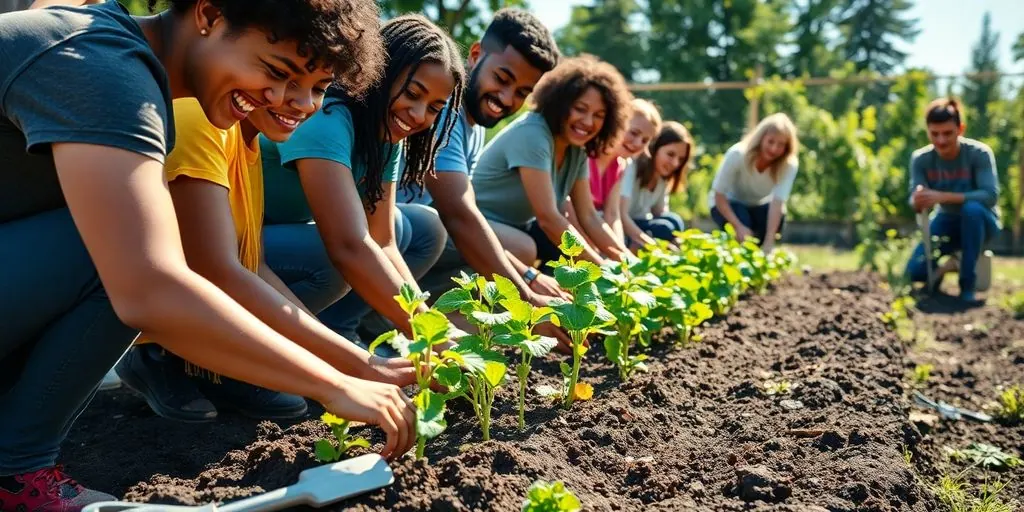
Okay, so you've got a vision for your community. Now comes the fun part: actually getting people involved and making them care. It's not just about throwing content out there and hoping something sticks. It's about building real relationships, one interaction at a time. Think of it like tending a garden, you can't just plant seeds and walk away. You need to water, weed, and nurture it to see it grow.
The Value of a Vested Audience
Having a small, dedicated group of followers who genuinely believe in what you're doing is way more valuable than a huge crowd of passive observers. It's like the difference between having a room full of acquaintances and a close circle of friends. Those friends are the ones who will show up when you need them, offer support, and spread the word about what you're doing. A vested audience is your core group of brand ambassadors, the people who will champion your cause and help you grow organically. They're not just numbers; they're real people with real passion.
Prioritizing Direct Engagement Over Large Numbers
It's tempting to chase big numbers, but focusing on direct engagement is where the magic happens. Think quality over quantity. A smaller, more engaged community will always be more valuable than a massive, inactive one. Social media can feel like a platform to preach from when your audience grows too big too rapidly. Instead of broadcasting to the masses, focus on having conversations. Respond to comments, ask questions, and create opportunities for members to connect with each other. This creates a sense of belonging and makes people feel like they're part of something special. Consider these points:
- Personalized responses to comments and messages.
- Creating polls and Q&A sessions to encourage participation.
- Hosting live events or webinars for direct interaction.
Building a community is not a sprint; it's a marathon. It takes time, effort, and a genuine desire to connect with people on a deeper level. Don't get discouraged if you don't see results overnight. Keep showing up, keep engaging, and keep building those relationships. The rewards will be worth it.
Fostering a Committed Group of Promoters
Your most engaged community members can become your biggest advocates. These are the people who are genuinely excited about what you're doing and want to share it with the world. Give them the tools and opportunities to do so. This could involve:
- Providing them with exclusive content to share.
- Featuring them in your marketing materials.
- Creating a referral program that rewards them for bringing in new members.
Think of it as building a street team for your brand. These promoters are your boots on the ground, spreading the word and building excitement within their own networks. By empowering them, you're not only expanding your reach but also building a stronger, more resilient community. Remember to tailor your social media platform to fit your audience.
Recruiting Your Core: Empowering Community Ambassadors
It's time to find those key people who will help your community grow. It's not just about numbers; it's about finding the right people who believe in what you're doing and are willing to help spread the word. Think of them as your core team, your advocates, your community ambassadors.
Defining Ideal Community Members
Before you start recruiting, you need to know what you're looking for. What qualities make someone a good community ambassador? Are they active participants? Do they embody the values of your community? Do they have a knack for farm ambassador program? Think about the skills, personality traits, and level of commitment you want in your ideal member. It's also a good idea to think about what you don't want. What behaviors or attitudes would be detrimental to the community? Having a clear picture of your ideal member will make the recruiting process much easier.
Establishing Values and Expectations for Ambassadors
Once you know who you're looking for, it's important to set clear expectations. What do you expect from your ambassadors? What are the values they should uphold? This isn't about creating a rigid set of rules, but rather about establishing a shared understanding of what the community stands for. Make sure your values are clear and easy to understand. This could involve:
- Creating a simple code of conduct.
- Outlining the responsibilities of ambassadors.
- Providing training or resources to help them succeed.
It's important to communicate these values and expectations clearly from the outset. This will help ensure that everyone is on the same page and that your ambassadors are representing the community in a way that aligns with your vision.
Spreading the Word Through Empowered Promoters
Now it's time to get the word out! But don't just rely on traditional advertising or marketing tactics. Instead, focus on empowering your existing community members to become advocates. Encourage them to invite their friends, share content, and participate in discussions. The best way to spread the word is through word-of-mouth, and your empowered promoters can be your most effective marketing tool. Consider these strategies:
- Make it easy for members to invite others.
- Provide them with shareable content.
- Recognize and reward their efforts.
By empowering your community members, you can create a ripple effect that extends far beyond your initial reach. Remember, a healthy community is characterized by active participation and a shared sense of purpose.
Crafting Compelling Content: Resonating with Your Local Audience
Okay, so you've got your community humming along. Now, how do you keep them engaged? It all boils down to content. Not just any content, but stuff that actually speaks to them, makes them feel seen, and keeps them coming back for more. Think of it as feeding the beast, but with delicious, locally-sourced snacks instead of whatever random junk food is lying around.
Tailoring Content for Each Social Network
Let's be real, what works on TikTok is probably going to flop on LinkedIn. You can't just copy-paste the same message across all platforms and expect magic. Each [social media marketing strategy](#a51d] has its own vibe, its own audience, and its own best practices.
- Facebook: Great for community building, sharing longer stories, and hosting groups.
- Instagram: Visuals are key! Think photos, short videos, and engaging stories.
- Twitter: Quick updates, news, and conversations. Keep it concise.
- LinkedIn: Professional content, industry insights, and career-related discussions.
Utilizing Storytelling for Emotional Connection
Data and facts are cool, but stories? Stories stick. They create an emotional connection that makes people care. Think about it: are you more likely to remember a statistic or a compelling narrative about someone overcoming a challenge? Exactly. Use storytelling to show the human side of your brand.
People connect with people, not logos. Share stories about your team, your customers, and the impact you're making in the community. Make it real, make it relatable, and make it memorable.
Showcasing Customer Success and Behind-the-Scenes Glimpses
Nothing builds trust like social proof. Let your customers do the talking! Share their success stories, highlight their achievements, and show how your product or service has made a difference in their lives. And don't be afraid to pull back the curtain and give people a peek behind the scenes. Show them how things are made, introduce them to your team, and let them see the real you. It's all about building authenticity and transparency. This is a great way to build thriving social media communities.
Structuring Success: Delegating Roles and Gathering Feedback
It's time to get organized! You've built a community, now you need to make sure it runs smoothly. This means setting up clear roles and actively listening to what your members have to say. A well-structured community is a thriving community.
Designating Community Management Roles
Think of your community like a small company. You need people responsible for different tasks. Start by identifying key roles. Who will be the main point of contact? Who will handle moderation? Consider assigning a dedicated community manager or even a team to oversee things. This ensures someone is always available to answer questions, address concerns, and keep the community on track. It's also a good idea to have backup personnel in case the primary person is unavailable. This helps maintain consistency and responsiveness.
Appointing Ambassadors and Moderators
Ambassadors and moderators are your front-line support. They are active members who can help guide new users, answer questions, and enforce community guidelines. Choose people who are passionate about your brand and respected within the community. Clearly define their responsibilities and give them the tools they need to succeed. For example, moderators need the ability to remove inappropriate content and ban disruptive users. Ambassadors can help promote events and create content. Having a good team of moderators is essential for maintaining a positive and productive environment.
Collecting and Embracing Member Feedback
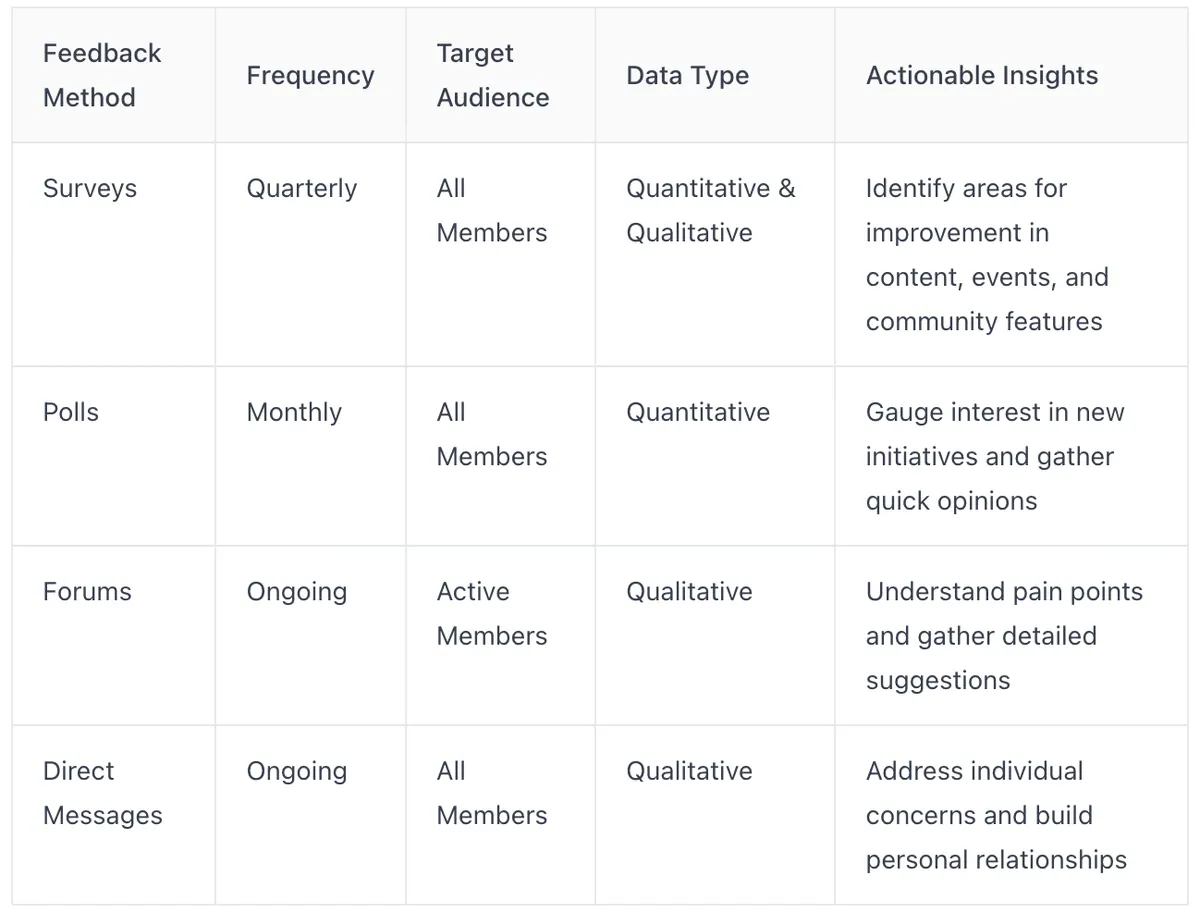
Your community members are your best source of information. What do they like? What do they dislike? What could be improved? Actively solicit feedback through surveys, polls, and direct communication. Make it easy for members to share their thoughts and ideas. And most importantly, listen to what they have to say. Use their feedback to make changes and improvements to your community. This shows that you value their opinions and are committed to creating a better experience for everyone.
Gathering feedback isn't just about fixing problems; it's about building a stronger relationship with your community. When members feel heard, they're more likely to stay engaged and become loyal advocates for your brand.
Here are some ways to collect feedback:
- Surveys: Use online survey tools to gather structured feedback on specific topics.
- Polls: Quick polls can be used to gauge opinions on a variety of issues.
- Forums: Create dedicated forum threads for feedback and suggestions.
- Direct Messages: Encourage members to reach out directly with their thoughts and concerns.
Rewarding Participation: Building a Culture of Appreciation
It's easy to overlook the importance of showing appreciation in your community. People want to feel valued, and recognizing their contributions is a great way to keep them engaged. It's not just about handing out rewards; it's about creating a culture where everyone feels seen and appreciated. This can lead to increased loyalty and a more active community overall. Let's look at some ways to make this happen.
Acknowledging Active Community Members
One of the simplest things you can do is acknowledge active members. This could be as simple as a shout-out in a newsletter or a mention during a community meeting. Recognizing their efforts shows that you're paying attention and that their contributions matter. It's also a good idea to highlight specific achievements or contributions. For example, if someone consistently answers questions in the forum, give them a shout-out for being a helpful resource. If someone shares valuable content, feature it prominently. This kind of recognition can go a long way in motivating people to continue participating. Don't underestimate the power of a simple "thank you"! It can make a big difference in how people feel about being part of the community. Make sure to follow up and share a summary of key takeaways.
Implementing Recognition Systems Like Badges
Consider implementing a more formal recognition system, such as badges or points. These systems can provide a tangible way to reward members for their contributions. Badges can be awarded for various activities, such as:
- Answering questions
- Sharing content
- Participating in discussions
- Reaching milestones (e.g., being a member for a year)
Points can be accumulated and redeemed for rewards, such as:
- Exclusive content
- Early access to new features
- Discounts on products or services
Gamification can be a powerful tool for driving engagement, but it's important to make sure the rewards are meaningful to your community. A well-designed recognition system can encourage members to be more active and contribute more often. It also adds an element of fun and competition to the community. Regularly feature outstanding community members in your newsletters or on social media. Highlighting their stories or contributions can serve as great motivation.
Encouraging Continued Engagement and Loyalty
Ultimately, the goal of rewarding participation is to encourage continued engagement and loyalty. When members feel valued and appreciated, they're more likely to stick around and contribute to the community over the long term. This creates a positive feedback loop, where active members attract new members, and the community continues to grow and thrive. It's important to remember that recognition is not a one-time thing. It's an ongoing process that requires consistent effort. Make sure you're regularly acknowledging and rewarding members for their contributions, and you'll create a community where everyone feels valued and appreciated. A healthy community is characterized by active participation, mutual respect among members, and a shared sense of purpose. It's important to acknowledge the people who helped get it off the ground. These are the people who believed in your vision and helped create it. They're the ones who'll be your most loyal and active members, so it's essential to show them that you care about their contributions.
Rewarding participation isn't just about giving out prizes; it's about building a culture of appreciation. When members feel valued, they're more likely to stay engaged and contribute to the community. This creates a positive cycle that benefits everyone involved.
Measuring Impact: Analyzing Data for Continuous Improvement
It's easy to get caught up in the day-to-day of community building, but it's important to take a step back and see what's actually working. Are your efforts paying off? Are you reaching the right people? Data analysis is how you find out.
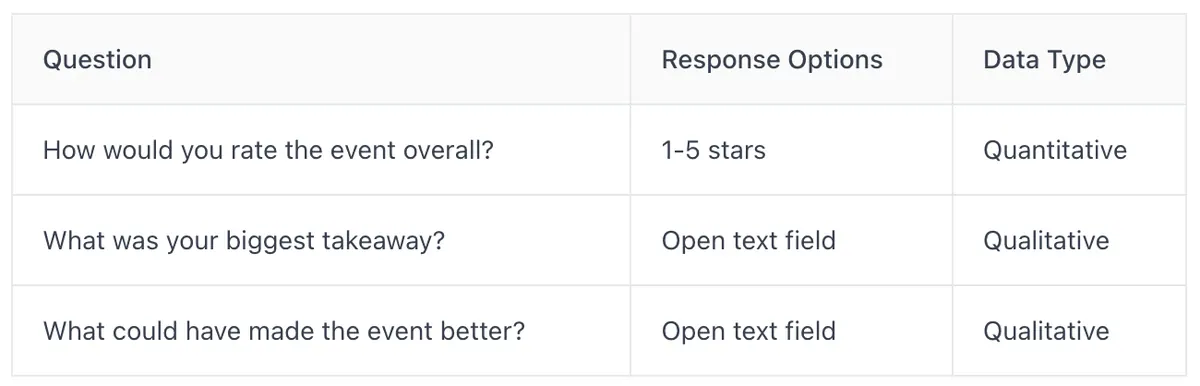
Conducting Post-Event Surveys
Surveys are your direct line to understanding how people felt about specific events or initiatives. Don't just ask if they liked it; dig into the details. What did they find most useful? What could be improved? Keep the surveys short and focused to maximize response rates. I like to use a mix of multiple-choice and open-ended questions to get both quantitative and qualitative data. For example: