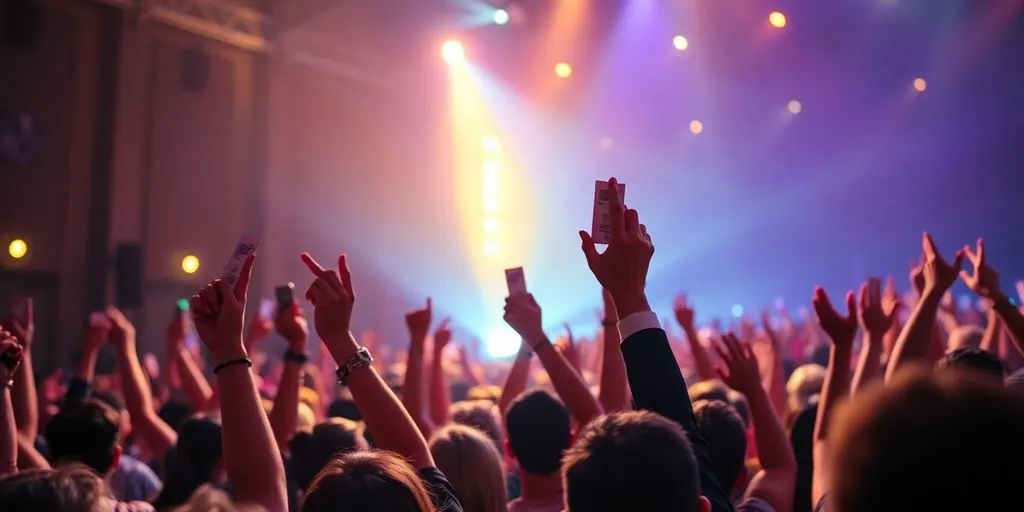
Selling out your event isn't just luck, it's about smart planning. If you want to see those ticket numbers climb and truly increase ticket conversions, you need a solid plan. This guide breaks down how organizers can get more people to buy tickets, from knowing who you're selling to, to making the buying process easy. Let's get your event sold out.
Understanding Your Audience to Increase Event Ticket Conversions
Selling out your event isn't just about having a great idea; it's about knowing who wants to come and why. When you really get your potential attendees, you can talk to them in a way that makes them say, "Yes, I need to be there!" It’s like having a conversation with a friend about something you’re both excited about.
Identifying ideal event ticket buyers
First off, who are these people who are most likely to buy a ticket? Think about who benefits most from your event. Are they students looking for career tips, families wanting a fun day out, or professionals networking? Try to picture them. What are their interests outside of your event? What kind of music do they like? What are their hobbies? Knowing this helps you figure out where to find them and what to say. For instance, if you're organizing a tech conference, your ideal buyer might be a software developer aged 25-40 who follows industry leaders on LinkedIn and reads tech blogs.
Analyzing past attendee behavior
Looking back at who came to your previous events can tell you a lot. Did a certain type of person buy more tickets? Did people from a specific city attend more often? Check your sales data. See which ticket types sold out first. Maybe your early bird tickets were a huge hit, or perhaps a specific package deal got snapped up quickly. This kind of information is gold. It helps you refine your approach for the next event. You can even look at how people interacted with your event page, did they spend more time on the speaker bios or the venue details? This kind of data can really inform your event ticket pricing strategy.
Tailoring your messaging
Once you know who you're talking to and what they care about, you can adjust how you talk about your event. Don't use the same message for everyone. If you're targeting young professionals, your language might be more direct and focused on career growth. For a family event, you'll want to highlight fun activities and kid friendly aspects.
Here’s a quick way to think about it:
- For the Busy Parent: Focus on convenience, family fun, and making memories. Mention specific activities for kids
- For the Young Professional: Highlight networking opportunities, skill-building sessions, and career advancement
- For the Hobbyist: Emphasize unique experiences, expert insights, and connecting with like minded people
The key is to speak directly to their needs and desires. Make them feel like the event was created just for them. This personal touch makes a big difference in getting them to click that buy button.
Crafting Compelling Event Pages
Your event page is often the first real look people get at what you're offering. It's not just a place to buy tickets; it's your main sales pitch. Making it good is a big deal for selling out.
Highlighting unique event value
What makes your event stand out? Think about the core experience. Is it a specific speaker, a rare performance, or a unique networking opportunity? You need to spell this out clearly. Don't just list features; explain the benefit to the attendee. For example, instead of saying 'Networking session,' try 'Connect with industry leaders and find your next collaborator.' Your event page should answer the question: 'Why should I be there?'
Utilizing high quality visuals
People are visual creatures. Blurry photos or generic stock images just won't cut it. Use clear, engaging pictures or videos that show the energy and atmosphere of your event, or the quality of your product/service. If you have past event photos, pick the ones that really capture the excitement. Good visuals grab attention and make people want to be part of the experience. Think about what would make you stop scrolling.
Optimizing event descriptions for clarity
This is where you get into the details, but keep it simple. Use short paragraphs and bullet points to break up text. Make sure the date, time, and location are super obvious. Include an agenda if it helps people understand the flow. What problems does your event solve? What will attendees learn or gain? Be direct and avoid overly technical terms. You want people to quickly grasp what the event is about and why they need a ticket.
People often skim online content. Make the most important information easy to find. Use headings and subheadings within your description to guide the reader's eye. Think about the journey of someone who knows nothing about your event, what do they need to know first, second, and third?
Strategic Pricing and Promotions
Getting your ticket prices right is a big deal for selling out. It’s not just about picking a number; it’s about making people feel like they’re getting a good deal while still making sure you cover your costs and make a profit. Think about what your event offers and what people are willing to pay. Smart pricing can make a huge difference in how many tickets you move.
Implementing tiered event ticket options
Not everyone wants the same thing from an event, right? Some people want the full VIP treatment, while others are happy with general admission. Offering different ticket levels lets you cater to a wider range of buyers and their budgets. You can have a basic ticket, a mid-tier option with a few extras, and a premium package with all the bells and whistles. This way, people can choose what fits them best, and you can often charge more for those added benefits. It’s a good way to increase your average ticket price without alienating potential attendees.
Leveraging early bird discounts
Getting people to commit early is a win-win. You get a clearer picture of your sales numbers sooner, which helps with planning. For attendees, an early bird discount feels like a reward for being organized and deciding quickly. It creates a sense of urgency, too, people know the discount won’t last forever. This strategy can really kickstart your sales and build momentum. You can find more on effective ticket sales strategies that include this approach.
Creating bundle offers
Bundling can be a great way to add perceived value and encourage people to buy more. Think about combining tickets with merchandise, food and drink vouchers, or access to special workshops. For example, a music festival might offer a weekend pass bundled with a t-shirt and a drink token. This makes the overall package seem more attractive than buying each item separately. It’s a good way to upsell and make your event feel like a complete experience, not just a single ticket.
People often buy based on perceived value. If your pricing and package deals make them feel like they're getting more for their money, they're much more likely to complete the purchase.
Streamlining the Purchase Journey
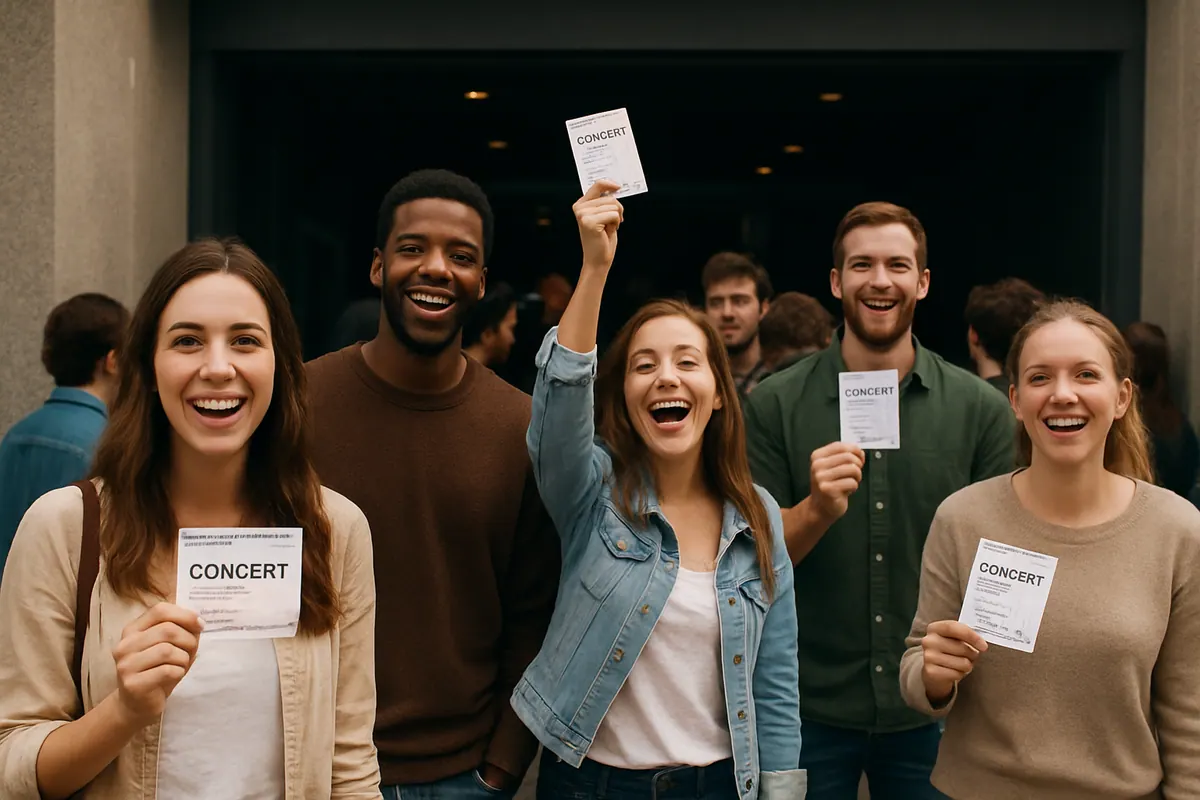
Making it easy for people to buy tickets is a big deal. If the process is a hassle, they'll just leave. We want them to get to the checkout and finish the purchase without any hiccups. A smooth buying experience means more sales.
Simplifying the checkout process
Think about the last time you bought something online and the checkout took forever. Too many steps, too much information requested, or confusing buttons can really turn people off. We need to cut out all the unnecessary fields. Just ask for what's absolutely needed to complete the sale. Maybe you can let people buy tickets without creating an account first. That's a big one for a lot of folks. Keep the pages clean and focused on just buying the ticket.
Ensuring mobile friendly event ticketing
Imagine this, a fan sees your event ad while scrolling through Instagram. They’re on the train, earbuds in, coffee in hand. Hype kicks in, they’re ready to grab a ticket before it sells out, but the moment they click through, the excitement fades. The page takes forever to load. The buttons are too small to tap. The checkout form asks for way too much. Frustrated, they close the tab. Sale lost.
This is exactly why mobile friendly ticketing matters. For many fans, their phone is the only ticket booth they’ll ever use. If the process isn’t smooth, you’re not just losing convenience, you’re losing customers.
Here’s how to keep it seamless:
- Think thumbs first. Big, clear buttons. Easy to-read text. No pinching or zooming
- Keep it fast. Slow-loading pages are deal breakers. Compress images and trim steps
- Simplify checkout. Guest checkout, autofill, and progress bars keep the process stress free
- Offer one-tap payments. Apple Pay, Google Pay, or e-wallets turn hesitation into instant action
- Build trust. Security badges, clear confirmation screens, and instant receipts reassure buyers
- Don’t forget accessibility. High contrast, error messages that help, and screen reader support mean more people can buy
- Delight with extras. Add-to-calendar buttons, SMS reminders, and wallet tickets show you care beyond the sale
At the end of the day, mobile friendly ticketing isn’t just about a clean design. It’s about removing every obstacle between your fans and their spot at your event. The easier it is to buy, the faster they’ll be dancing in front of your stage.
Offering multiple payment methods
People have different ways they like to pay. Some use credit cards, others prefer digital wallets like Apple Pay or Google Pay, and some might even want to use PayPal. The more options you give them, the better. It removes a potential roadblock. If someone doesn't have their credit card handy but has their phone with a digital wallet, they can still buy a ticket. It's about meeting people where they are.
Leveraging Marketing Channels Effectively