So, you just wrapped up an event, right? Maybe you met some cool people, learned a few things, or even pitched something big. But here’s the deal: the real magic doesn't happen at the event itself. It happens after. How you follow up can totally change if those connections turn into something real or just fade away. It’s all about having a solid event follow-up strategy. Let's talk about how to make your post-event moves count.
Key Takeaways
- Send thank-you notes fast to keep connections fresh.
- Share useful stuff like articles or recordings to keep people interested.
- Make your messages personal, maybe even with a quick video.
- Plan out your follow-ups so you don't forget anyone.
- Always ask for feedback to make your next follow-up even better.
Crafting Your Initial Event Follow-Up Strategy
So, you've just wrapped up an event, great! But the real work starts now. It's easy to think the event itself is the finish line, but it's really just the starting block for building lasting relationships. How you follow up in those crucial first few days can make or break the connections you made. Let's talk about how to make a solid first impression after the event.
Sending Immediate Thank-You Messages
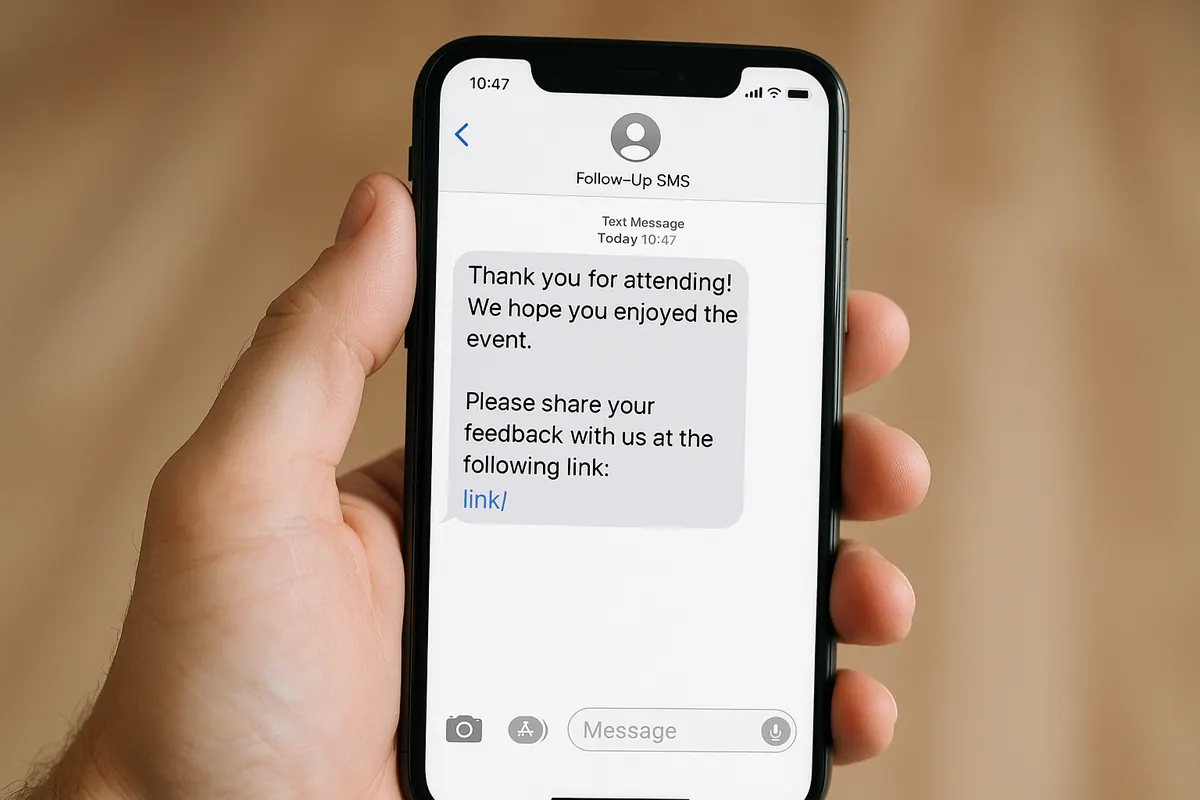
The speed of your thank-you is almost as important as the message itself. Think about it: people are still buzzing from the event, their minds are fresh with the conversations they had. A quick, personalized thank-you email shows you value their time and remember your interaction. Don't just send a generic blast; reference something specific you discussed. It makes a huge difference. You can even set up a trade show campaign to automate some of the initial steps.
Connecting on Professional Social Platforms
LinkedIn is your friend. Seriously. It's the perfect place to solidify those new connections. But don't just hit 'connect' and run. Add a personalized message referencing the event and something you talked about. "Great chatting about AI in marketing at the conference!" is way better than a generic invite. It shows you were paying attention and are genuinely interested in staying in touch. Plus, it keeps you top-of-mind as they scroll through their feed.
Highlighting Key Event Takeaways
Remind people of the value they got from attending. Share a brief summary of the key points discussed, or a link to a relevant article or resource. This reinforces their decision to attend and positions you as a helpful, knowledgeable contact. It's not just about you; it's about providing continued value. Consider including a short video message, personalized messages add a human touch and can be incredibly effective.
Sustaining Engagement Through Content and Collaboration
After the initial flurry of thank-you notes and LinkedIn requests, it's time to think about the long game. How do you keep those event connections warm and turn them into something real? It's all about providing ongoing value and showing you're serious about building relationships.
Providing Value Through Relevant Content
Don't just disappear after the event! Keep the conversation going by sharing stuff your new contacts will actually find useful. This could be articles related to event topics, industry news, or even a blog post you wrote yourself. The key is to make it relevant to their interests and the discussions you had at the event. Think of it as continuing the event's conversation, not just blasting them with sales pitches.
Expressing Intent for Future Collaboration
Following up with people after an event is a great way to build connections. It shows you're interested in working together. Send a personalized email expressing your excitement about potential projects. This can lead to new opportunities and strengthen your professional network. It's all about making that initial contact and seeing where it goes.
Offering Exclusive Resources
Think about what you can offer that others can't. Maybe it's access to a special report, a free consultation, or a discount on your services.
Here are some ideas:
- A free e-book related to the event's theme.
- A checklist or template that helps them implement what they learned.
- An invitation to a private online community.
Providing exclusive resources shows you're willing to go the extra mile and invest in the relationship. It's a great way to stand out from the crowd and make a lasting impression.
Offering something special can really set you apart. It shows you value their time and are committed to helping them succeed.
Personalizing Your Event Follow-Up Strategy
It's easy to send out a generic email blast after an event, but to really make an impact, you need to personalize your approach. People can tell when they're just another name on a list. Personalization shows you value their individual presence and contributions. It's about making them feel seen and heard, which goes a long way in building lasting relationships.
Utilizing Personalized Video Messages
Forget the plain text email for a moment. Think about sending a short, personalized video. It doesn't have to be fancy, just a quick message thanking them for attending, mentioning something specific you discussed, and reiterating your interest in connecting further. People respond well to seeing a face and hearing a genuine voice. It's more engaging than reading text, and it shows you put in extra effort.
Acknowledging Shared Connections
Did you both meet someone interesting at the event? Do you have mutual contacts? Mentioning shared connections is a great way to build rapport. It creates a sense of familiarity and trust. It's like saying, "Hey, we're part of the same tribe." It can be as simple as:
- "I enjoyed chatting with [Mutual Contact's Name] at the event as well."
- "I noticed we're both connected to [Mutual Contact's Name] on LinkedIn."
- "[Mutual Contact's Name] mentioned you might be at the event, and I'm glad I got to connect!"
Tailoring Content to Individual Interests
Don't send everyone the same follow-up content. Pay attention to what they were interested in during the event. Did they ask a lot of questions about a specific topic? Did they attend a particular session? Send them articles, resources, or even just a quick note related to their interests. This shows you were listening and that you care about their specific needs.
Personalizing your follow-up isn't just about adding a name to an email. It's about showing genuine interest in the individual and building a real connection. It takes more time and effort, but the payoff in terms of stronger relationships and increased engagement is well worth it.
Implementing a Structured Event Follow-Up Timeline
It's easy to let event follow-ups fall by the wayside, but having a plan is key. A structured timeline keeps you consistent and shows you're serious about building relationships. Think of it as your roadmap to turning event connections into lasting partnerships.
Creating a Drip Campaign for Consistent Communication
A drip campaign is your secret weapon for staying top-of-mind without being annoying. It's a series of automated emails sent out at specific intervals after the event. Start with a thank you, then share some event highlights, and finally, offer a piece of content. It's all about providing value over time.
Here's a simple example:
- Day 1: Thank you email
- Day 3: Share a key takeaway from the event
- Day 7: Offer a relevant blog post or resource
- Day 14: Invite them to connect on LinkedIn
Scheduling Proactive Follow-Up Meetings
Don't just rely on email. If you had a great conversation with someone at the event, schedule a follow-up meeting. This shows you're genuinely interested in continuing the discussion. Send a personalized invite, referencing something specific you talked about at the event. It makes all the difference.
Developing a Comprehensive Follow-Up Sequence
Think beyond just emails and meetings. A comprehensive follow-up sequence includes a mix of different touchpoints. Consider social media engagement, personalized video messages, and even old-fashioned phone calls. The goal is to create a multi-faceted approach that resonates with different people.
A well-planned follow-up sequence isn't just about sending messages; it's about building relationships. It's about showing people that you value their time and that you're committed to creating a mutually beneficial connection. It's about turning a one-time event into a long-term partnership.
Leveraging Digital Channels for Event Follow-Up