Getting the word out about a music event can be tough. You can put up flyers and post on your own social media, but sometimes it feels like you're just shouting into the void. That's where working with people who already have a local following comes in. This whole idea of local influencer co-branding is about teaming up with creators in your city to get your event in front of the right people. It's not just about paying for a post; it's about building a real connection that gets their audience excited to come.
Identifying The Right Local Influencers For Your Music Event
Finding the right local influencers can really make or break your music event. It's not just about picking someone with a lot of followers; it's about finding someone who genuinely connects with your target audience and believes in what you're doing. Think of it as finding a brand ambassador who actually lives the lifestyle your event promotes.
Aligning influencer aesthetics with your event's brand and genre
It's super important to make sure the influencer's vibe matches your event's brand. If you're throwing a chill indie music festival, you probably don't want an influencer known for promoting heavy metal concerts. Look for influencers whose personal brand and content style naturally align with the music genre and overall atmosphere of your event. This makes the partnership feel more authentic and less like a forced advertisement. Check their past posts, the brands they've worked with, and the kind of content they usually create. Do they fit the aesthetic?
Analyzing engagement metrics beyond simple follower counts
Don't get too caught up in follower counts. An influencer with 10,000 highly engaged followers is often more effective than someone with 100,000 followers who don't really interact with their content. Look at their engagement rate (likes, comments, shares) relative to their follower count. Are people actually responding to what they post? Do they have a higher audience engagement? Also, check the quality of the comments. Are they genuine interactions, or just generic responses? Tools like social media analytics platforms can help you dig deeper into these metrics.
Vetting influencers for authenticity and community trust
Authenticity is key. People can spot a fake endorsement a mile away. You want influencers who genuinely love the music and the local scene. Here's how to check:
- Look for genuine passion: Do they regularly attend local music events? Do they talk about local artists in their content?
- Check for transparency: Are they upfront about sponsored content? Do they disclose partnerships?
- Read the comments: What are people saying about them? Do they seem trustworthy and relatable?
Partnering with an influencer who has a strong, trusting relationship with their audience is way more valuable than working with someone who just has a large following. It's about finding someone who can genuinely influence their audience's decisions, not just broadcast to them.
It's also a good idea to do a quick Google search to see if they've been involved in any controversies or scandals. You want to make sure their reputation is squeaky clean before you associate them with your event.
Crafting Authentic Local Influencer Co-Branding Content
It's time to get real. You've found your influencers, now what? The key is making content that doesn't feel forced. People can smell a fake partnership a mile away. Let's make sure your co-branding efforts feel as natural as possible.
Co-creating behind the scenes and exclusive pre event content
Give your audience a sneak peek! Partner with influencers to create content that shows what goes on before the big day. This could be anything from setting up the stage to artist soundchecks. Exclusivity is the name of the game. Think about:
- Interviews with the artists
- A day-in-the-life of the event organizers
- Quick tours of the venue
This kind of content makes people feel like they're getting something special, something they wouldn't see anywhere else. It builds anticipation and makes them more likely to buy a ticket. Effective concert public relations builds excitement for live music events.
Encouraging user generated content with branded hashtags and contests
Get your audience involved! The best way to do this is through user-generated content (UGC). Create a unique, branded hashtag for your event and encourage attendees to use it when they post photos and videos. Run contests where people can win prizes for the best content. This does a few things:
- It creates a sense of community
- It provides you with tons of free content to share
- It increases your event's visibility
User-generated content is gold. People trust it more than traditional advertising. It's authentic, it's real, and it's coming straight from your target audience.
Developing a narrative that resonates with the local music sScene
Don't just promote your event; tell a story. What makes your event special? What's the vibe? What's the connection to the local music scene? Work with influencers to craft a narrative that speaks to the heart of your target audience. This could involve:
- Highlighting local artists and their stories
- Showcasing the history of the venue
- Emphasizing the event's contribution to the community
Make sure the narrative feels genuine and reflects the values of your brand and the influencers you're working with. If you do that, you'll create content that truly connects with people.
Amplifying Reach Across Key Social Media Platforms
It's not enough to just create content; you need to make sure it actually reaches people! This means understanding the nuances of each social media platform and tailoring your co-branded content accordingly. Think of it as speaking different languages, what works on TikTok might completely flop on Facebook. The key is strategic distribution and engagement.
Tailoring co-branded content for Instagram, TikTok, and Facebook
Each platform has its own unique audience and content style. For Instagram, focus on high-quality visuals and engaging stories. Think behind-the-scenes glimpses of the event setup or short video snippets of the artists. TikTok is all about short, catchy videos that can go viral. Use trending sounds and participate in relevant challenges to increase visibility. Facebook is great for building community and sharing more detailed information about the event. Create a Facebook Event page and use targeted ads to reach potential attendees. Remember to promote an event on social media with eye catching graphics.
Here's a quick breakdown:
- Instagram: Visually appealing content, stories, reels, behind the scenes
- TikTok: Short, engaging videos, trending sounds, challenges
- Facebook: Event pages, detailed information, targeted ads, community building
Hosting interactive live sessions and Q&As with your chosen influencers
Live sessions are a fantastic way to connect with your audience in real-time. Partner with your chosen influencers to host Q&A sessions, behind-the-scenes tours, or even mini-performances. This gives fans a chance to interact directly with the influencers and get excited about the event. Make sure to promote the live sessions in advance and encourage viewers to ask questions. This can significantly boost engagement and create a buzz around your music event.
Using targeted ads to boost influencer led promotions
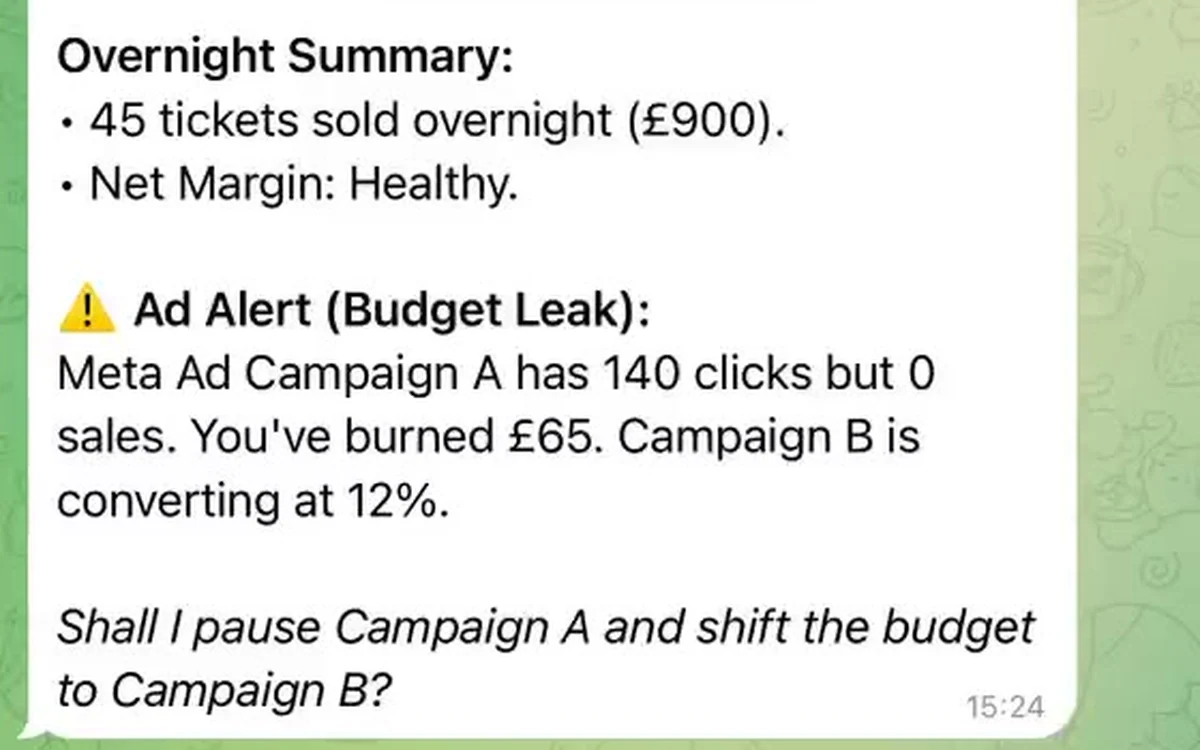
Organic reach is great, but sometimes you need a little extra push. Targeted ads can help you reach a wider audience and ensure that your influencer-led promotions are seen by the right people. Use platform-specific targeting options to reach users based on their interests, demographics, and behaviors. For example, you could target people who have liked similar music events or who follow artists that are performing at your event. Data reveals ads targeting similar profiles can lead to a 20% increase in attendee registration rates.
Don't just throw money at ads without a plan. Carefully consider your target audience, ad creative, and budget to maximize your return on investment. A well-executed ad campaign can significantly amplify the reach of your influencer co-branding efforts.
Structuring Mutually Beneficial Partnership Agreements
It's easy to get excited about influencer co-branding, but let's be real: without a solid agreement, things can go south fast. You need to make sure everyone is on the same page from the start. This isn't just about being nice; it's about protecting your event and making sure you both get what you expect from the deal.
Defining Clear Deliverables, Timelines, And Compensation
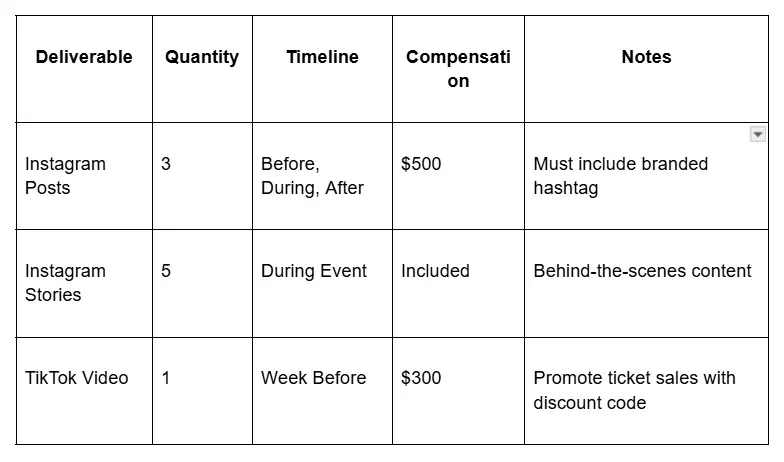
The first step is to spell out exactly what you expect from the influencer. This includes the number of posts, the type of content (videos, stories, etc.), and when everything needs to be published. Don't leave anything up to chance. A vague agreement is a recipe for disaster. Also, be upfront about how much you're paying and when they'll get paid.
Here's a basic example of how you might structure deliverables: