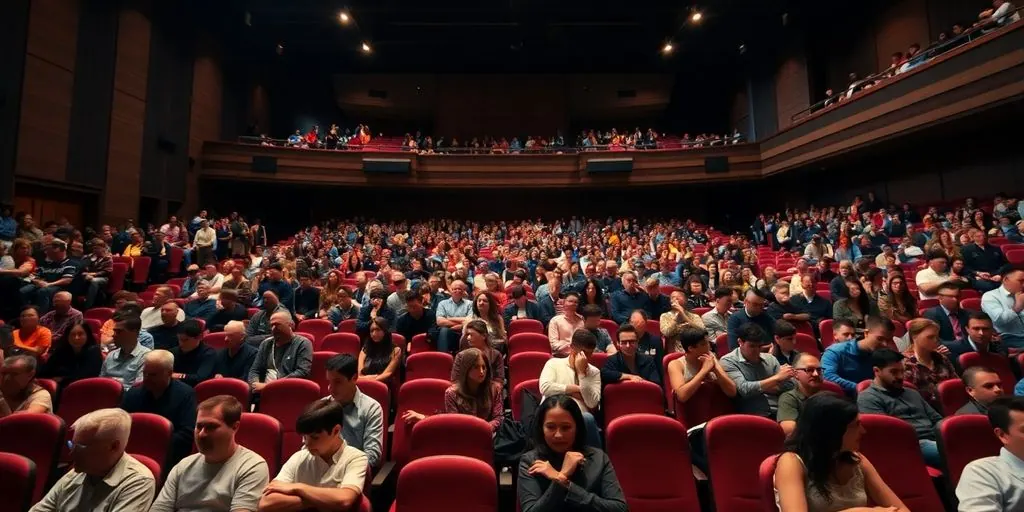
Ever planned an event only to be met with a sea of empty chairs? It’s a tough feeling, and honestly, it can really mess with your confidence. Lots of things can lead to low attendance, maybe your marketing missed the mark, or the event just didn't connect with the right people. But don't worry, we've got some solid ideas to help you pack the house next time. It’s all about having a smart plan, a good sell-out event strategy, and knowing how to make people excited to be there.
Key Takeaways
- Figure out who your event is really for and what they want. Knowing your audience's needs and desires is the first step to getting them to buy tickets.
- Tell a story with your marketing. Make people feel like they're part of something exciting as the event gets closer, building anticipation.
- Price your tickets smartly. Use tactics like early bird deals and premium options to encourage people to buy and feel like they're getting a good deal.
- Make signing up easy. A simple, mobile-friendly registration process reduces frustration and stops people from backing out.
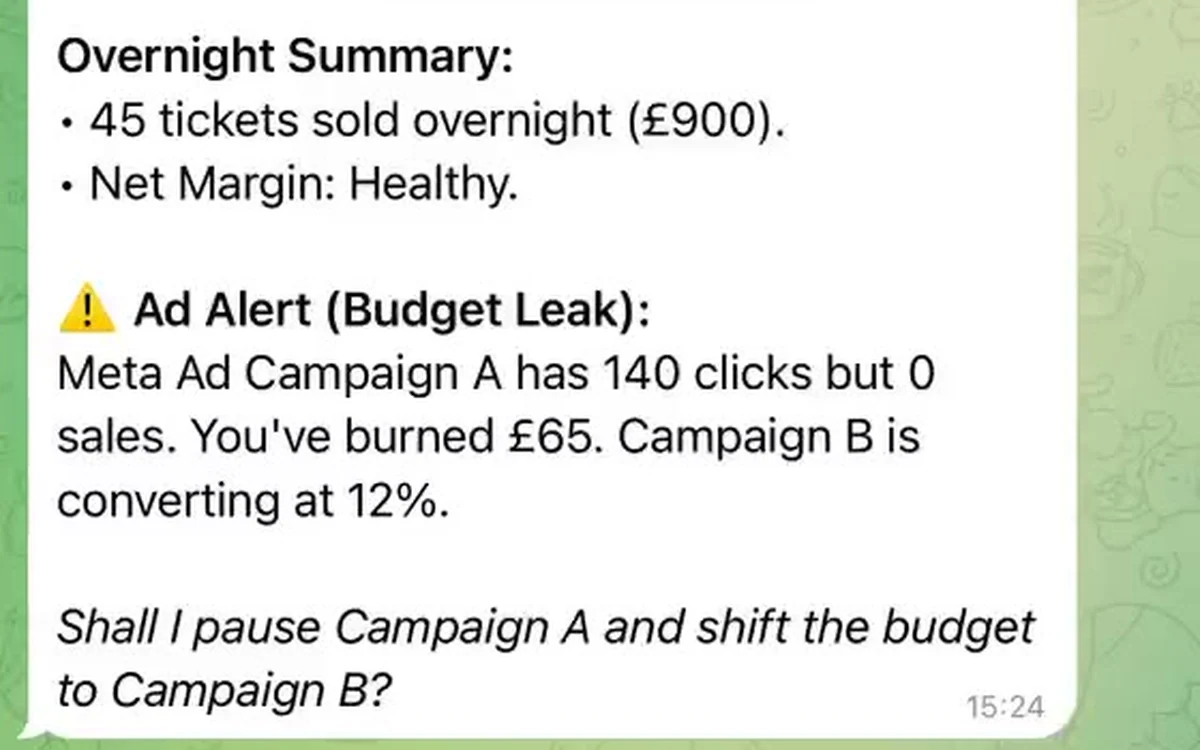
- Don't give up on people who showed interest but didn't buy. Gentle reminders, special offers, and targeted ads can bring them back.
Understanding Your Audience for a Sell-Out Event Strategy
Getting people to buy tickets isn't just about shouting about your event from the rooftops. It's about knowing who you're talking to and what makes them tick. If you don't understand your audience, you're just guessing. Think about it, would you try to sell a steak dinner to a vegan? Probably not. The same applies to events. You need to really get inside the heads of the people you want to attend.
Identify Your Ideal Attendee's Motivations
People don't just show up to events for the free coffee, though that's a nice bonus. They're looking for something more. Maybe they want to learn a new skill, network with industry leaders, or simply escape their daily grind. You need to figure out what drives them. Are they trying to get ahead in their career? Are they looking for inspiration? Or maybe they just want to connect with like-minded individuals. Understanding these motivations is key to crafting messages that actually grab their attention. For example, if your event is about business growth, your audience might be looking for strategies to increase profits or find new clients. We found that understanding these deeper drivers can really change how you approach your marketing. It's about connecting with their aspirations, not just listing event features.
Uncover Audience Pain Points and Desires
Beyond what they want, what are their problems? What keeps them up at night related to your event's topic? Maybe they're struggling with a specific software, feeling overwhelmed by industry changes, or worried about falling behind their competitors. Your event should offer a solution, a way to ease that pain or fulfill that desire. For Sarah, a marketing manager we looked at, her pain point was feeling outpaced by AI, and her desire was to be seen as an innovative leader. Your marketing should speak directly to these issues. It’s like offering a cool drink on a hot day, it’s exactly what they need when they need it most. This is where you can really make your event stand out.
Define Your Target Audience Persona
Once you've done your digging, it's time to create a picture of your ideal attendee. This isn't just a demographic profile; it's a full-blown character sketch. Give them a name, a job title, and a backstory. What are their daily challenges? What are their biggest goals? Where do they hang out online? What kind of content do they consume? Having a clear persona, like Sarah the Marketing Manager, helps you tailor every aspect of your event promotion. You can even create a simple table to keep track:
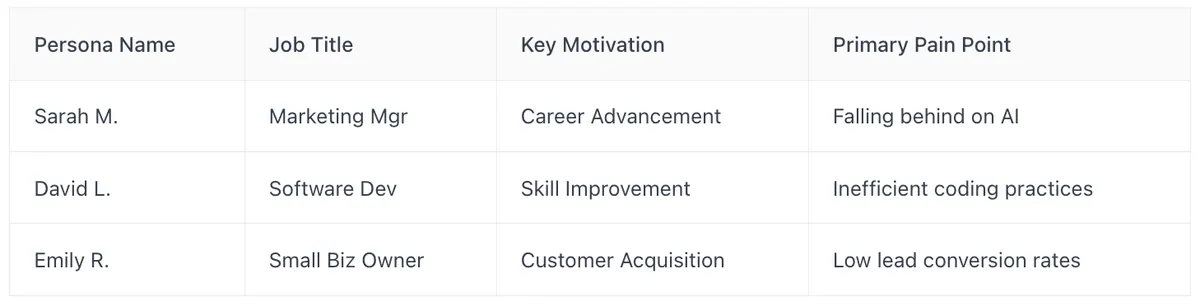
Knowing your audience inside and out means you're not just selling tickets; you're offering a solution to a problem they actually have. It makes your marketing feel less like an advertisement and more like a helpful suggestion from a friend. This approach helps build trust and makes people more likely to buy.
By truly understanding who you're trying to reach, you can build an event strategy that speaks directly to their needs and desires, making it much easier to fill every seat. It’s about making your event the obvious choice for them. This is how successful festival ticket sales happen, by focusing on the people who want to be there. See how to build a strategy.
Crafting Compelling Event Narratives
Think of your event's marketing like a good movie or a binge-worthy series. People don't just show up for the plot; they get invested in the characters, the journey, and the emotional arc. Your event needs that same kind of narrative pull to get people to commit. It’s about more than just listing speakers or dates; it’s about building a story that pulls potential attendees through each stage of their decision-making process.
Build Anticipation Through Progress Updates
Keep your audience engaged by sharing behind-the-scenes peeks and updates as your event planning progresses. This could be anything from announcing a keynote speaker to showing off the venue setup. Think of it like releasing trailers for a movie, each update should give a little more information and build excitement. Sharing these milestones makes people feel like they're part of the event's journey before it even begins. It’s a great way to keep your event top-of-mind and build momentum.
Develop a Story That Guides Decision Stages
Every potential attendee goes through a process before buying a ticket. Your marketing needs to guide them through this. Start with a hook that grabs their attention, then provide details that show the value and relevance to them. Address any doubts they might have, and finally, present a clear call to action. This journey should feel natural, like following a compelling story from beginning to end. Your event's narrative should speak directly to their aspirations or pain points.
Highlight Key Moments in Your Marketing Journey
Identify the critical points in your marketing timeline where you can make a big impact. This might be the initial announcement, the release of the full agenda, or a special early-bird discount. Treat these moments like plot twists in your story. Make sure each one is well-promoted and clearly communicates the value proposition. These key moments are opportunities to convert interest into action, turning passive observers into registered attendees. You can find more event marketing ideas to help with this here.
People aren't just buying a ticket; they're investing in an experience that can change their perspective or advance their goals. Your event's story is what makes that investment feel worthwhile and exciting.
Strategic Pricing for Maximum Ticket Sales
When it comes to getting people to buy tickets for your event, how you price things really matters. It’s not just about picking a number; it’s about making that number work for you. Think about it, people are always looking for a good deal, and they also want to feel like they’re getting something special. We’ve found that playing with prices in certain ways can make a big difference in how many tickets we sell.
Leverage Psychological Pricing Tactics
This is where we get a little clever. You know how things are often priced at $9.99 instead of $10? That’s a classic example of psychological pricing. That tiny bit less makes it feel cheaper, even though it’s almost the same. We use this by ending our prices in .99 or .95. It tricks the brain just a little bit into thinking it’s a better deal. Another trick is offering a premium option. If you have a standard ticket and then a VIP ticket that costs way more, the standard ticket suddenly looks much more reasonable. It makes people feel like they’re making a smart choice by picking the less expensive one, even if they might have been okay with the higher price initially. It’s all about how the numbers look and feel to the buyer.
Implement Early Bird Specials for Urgency
People tend to put things off, right? So, we create a reason for them to buy now. Early bird specials are perfect for this. We offer a discount for tickets bought before a certain date. This does two things: it gives a reward to people who plan ahead, and it creates a sense of urgency. When the deadline for the early bird price is approaching, people who were on the fence suddenly feel like they need to act fast before the price goes up. It’s a great way to get a chunk of sales in early and build momentum. We usually announce these specials pretty clearly, so everyone knows when the deal ends.
Offer Premium Options to Enhance Value
This ties back to the psychological pricing, but it’s more about giving people choices that make the main ticket seem even better. We might offer a basic ticket, a standard ticket, and then a premium or VIP ticket. The premium ticket usually comes with extra perks, maybe a better seat, a special welcome gift, or access to an exclusive area. By having these higher-priced options, we not only make more money from those who buy them, but we also make the standard ticket look like a really good deal in comparison. It helps people justify their purchase and feel like they’re getting good value for their money, no matter which ticket they choose. It’s a smart way to cater to different budgets and desires, and it often helps us maximize revenue with commission-free ticket sales strategies.
Pricing isn't just about covering costs; it's a powerful tool to influence buyer behavior and drive sales. By understanding how people perceive numbers and value, we can set prices that encourage more people to click that 'buy' button.
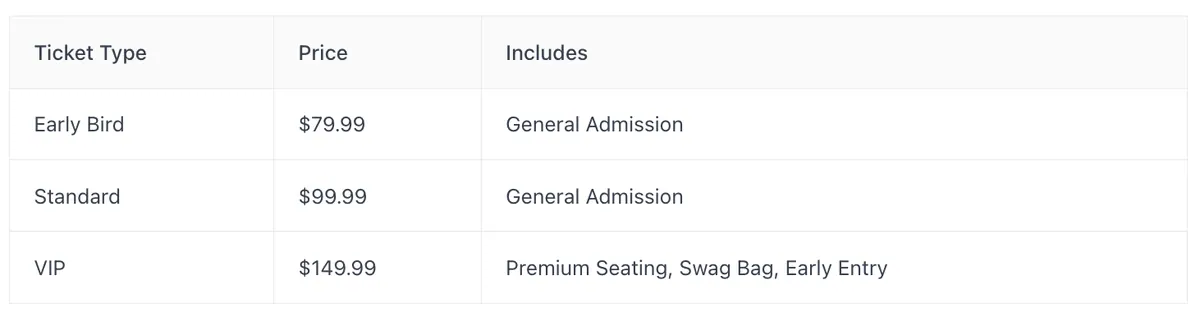
This kind of tiered approach helps us capture different segments of the market and makes sure we’re getting the most out of every single seat.
Streamlining the Registration Process
Simplify Forms for Mobile-Friendly Access
Nobody likes filling out long, complicated forms, especially on their phone. We keep our registration forms super short and to the point. If we ask for information, there's always a good reason for it. Think about it: every extra field is another chance for someone to get annoyed and leave. Making sure the whole process works well on a phone is a big deal because so many people register that way. A smooth experience here really helps boost signups, and you can find more tips on making it easy at event signups.
Address Potential Attendee Objections Upfront
Try to think like your potential attendees. What might make them hesitate before clicking that 'register' button? Common worries often include things like cancellation policies, payment plans, or even just knowing what's included with their ticket. We try to get ahead of these by clearly stating our policies and what people can expect right on the registration page. It’s better to answer these questions before they even have to ask.
Recover Abandoned Registrations with Follow-Up
Sometimes people start the registration process but don't finish. Maybe they got distracted or had a question they couldn't find an answer to. For these folks, a simple, friendly follow-up email within 24 hours can make a big difference. We just remind them what they were interested in and what they might miss out on. It’s a gentle nudge that often brings them back to complete their registration.
Re-Engagement Tactics for Hesitant Buyers
Sometimes, people show interest in your event but don't quite commit. That's totally normal! We call these folks 'hesitant buyers,' and they're not gone for good. They just need a little extra nudge, a bit of personalized attention to remind them why they were interested in the first place. Think of it as a friendly tap on the shoulder, not a hard sell.
Utilize Gentle Nudges and Personalization
Start with simple, friendly reminders. An email that says, "Hey, we noticed you were checking out our event! Just wanted to share a quick update on [mention something exciting happening]." Make it personal by referencing something specific they might have looked at on your site, if possible. It shows you're paying attention and not just sending out mass emails. This personal touch can make a big difference.
Incentivize with Special Deals and Perks
People love feeling like they're getting a good deal or a special treat. Consider offering a small discount for a limited time, like "10% off for the next 48 hours," or a bonus perk, such as a free digital resource or a special Q&A session with a speaker. These little extras can tip the scales for someone who's on the fence. It’s about making them feel valued and giving them a tangible reason to act now.
Employ Paid Retargeting for Continued Visibility
This is where digital marketing gets smart. Retargeting ads are like friendly reminders that follow people around the internet. If someone visited your event page but didn't register, you can show them ads on other websites or social media platforms. These ads should highlight the key benefits of your event or address common hesitations. It keeps your event top-of-mind without being annoying, gently guiding them back to the registration page when they're ready.
Optimizing Event Promotion with SEO