Ever wonder why some websites just 'get' you, no matter where you're from? It's not magic, it's smart design, especially when it comes to how they handle different languages. If you're running any kind of online service that sells tickets, or anything really, paying attention to how people from all over the world use your site can make a huge difference. We're talking about more sales, happier customers, and even getting noticed more by search engines. Let's dig into why using bilingual ticketing flows isn't just a nice-to-have, but something that can seriously boost your business.
Key Takeaways
- Offering bilingual ticketing flows can help you reach way more people and make your customer support team's life easier.
- When customers can buy tickets in their own language, they feel more comfortable and are more likely to complete their purchase.
- Having your ticketing system in multiple languages can actually help your website show up better in search results around the world.
- It's important to keep an eye on things like how many people are using your site and if more of them are buying tickets after you add new languages.
- Making sure your site works well for different languages, including those that read right-to-left, is key to a good user experience.
The Business Case for Bilingual Ticketing Flows
Expanding Your Market Reach
Going bilingual with your ticketing flows isn't just a nice-to-have; it's a smart business move. It's about unlocking access to a whole new segment of potential customers who might otherwise be excluded. Think about it: if someone lands on your site and can't easily navigate the ticketing process in their language, they're likely to bounce.
- Reaching new demographics.
- Increasing brand visibility in diverse markets.
- Improving customer satisfaction among non-English speakers.
By offering ticketing in multiple languages, you're essentially opening your doors wider and inviting more people in. It shows you care about their experience and are willing to go the extra mile to accommodate them. This can lead to increased sales and a stronger global presence.
Reducing Customer Support Queries
Imagine the flood of support tickets you get from customers struggling to understand the ticketing process. Now, picture that number shrinking significantly. That's the power of bilingual ticketing flows. When customers can easily understand the information presented to them, they're less likely to get confused and reach out for help. This not only saves your support team time and resources but also leads to happier, more independent customers. You can even use AI customer support to help with this.
- Fewer language-related inquiries.
- Reduced workload for support staff.
- Faster resolution times for remaining issues.
Boosting User Retention and Engagement
User retention is the name of the game. It's way easier (and cheaper) to keep a customer than to acquire a new one. Providing a seamless, multilingual ticketing experience shows customers that you value their business and are committed to meeting their needs. This fosters loyalty and encourages them to keep coming back. When customers feel understood and supported, they're more likely to stick around.
- Increased customer loyalty.
- Higher rates of repeat purchases.
- Stronger brand advocacy through positive word-of-mouth.
Building Trust and Driving Conversions
Lowering Perceived Risk for Customers
When a potential customer encounters a ticketing flow in their native language, it immediately lowers the perceived risk associated with the purchase. It shows you've invested in understanding their needs. Think about it: seeing terms and conditions, support information, and cancellation policies clearly translated makes people feel more secure. They're less worried about hidden fees or misunderstandings. This is especially important in international markets where trust can be a major barrier.
Increasing Buying Confidence
Providing a bilingual ticketing flow can significantly boost a customer's confidence in making a purchase. It's not just about understanding the words; it's about feeling understood. When customers can easily navigate the process, they're more likely to complete the transaction. It removes friction and uncertainty, leading to higher conversion rates. A professional website appearance is key to building trust.
Meeting Customer Language Preferences
It sounds obvious, but it's worth stating: people prefer to interact in their own language. Ignoring this preference means you're potentially alienating a large segment of your audience. Consider these points:
- Customers are more likely to engage with content in their native language.
- They feel more valued when businesses cater to their linguistic needs.
- Offering multilingual support can be a major differentiator in competitive markets.
By offering ticketing flows in multiple languages, you're not just translating words; you're communicating respect and understanding. This can lead to increased customer loyalty and positive word-of-mouth referrals.
Enhancing International SEO Performance
Improving Search Engine Relevance
Search engines prioritize content that's relevant to the user's query and location. Offering your ticketing flows in multiple languages signals to search engines that your site is a valuable resource for a global audience. This can lead to higher rankings in search results for relevant keywords in different languages. It's about making sure that when someone searches for "tickets" in Spanish, your Spanish ticketing page shows up, not just your English one.
Capturing Untapped Global Traffic
By providing content in multiple languages, you open the door to a much larger pool of potential customers. Many people prefer to search and interact with websites in their native language. If your ticketing flow is only in English, you're missing out on a significant portion of the global market. Think of it as expanding your reach without having to physically set up shop in another country. It's about being visible where your competitors aren't.
- Reach new markets.
- Increase website traffic.
- Improve brand visibility.
Gaining a Competitive Advantage
In today's global marketplace, offering a multilingual experience can set you apart from the competition. If two companies offer similar ticketing services, but one provides a seamless experience in multiple languages, customers are more likely to choose the one that caters to their language preferences. It shows you care about their experience and are willing to go the extra mile. This is especially true in markets where English isn't widely spoken. Optimizing multi-regional and multilingual sites can give you a real edge.
Having a ticketing flow available in multiple languages isn't just a nice-to-have; it's a strategic move that can significantly impact your international SEO performance and overall business growth. It's about making your services accessible and appealing to a global audience, ultimately driving more traffic and conversions.
Measuring the Impact and ROI of Bilingual Ticketing Flows

Okay, so you've gone bilingual with your ticketing system. Great! But how do you know if it's actually working? It's not just about feeling good; it's about seeing real results. Let's break down how to measure the impact and, more importantly, the return on investment (ROI).
Tracking User Engagement Metrics
First up, let's talk engagement. You need to keep an eye on how users are interacting with your bilingual system. Are they actually using the different language options? How long are they spending on the ticketing platform in each language? Are they completing the ticket submission process? Look at metrics like:
- Time spent on pages in different languages.
- Number of tickets submitted in each language.
- Bounce rates for each language version.
Tracking these metrics before and after implementing the bilingual system will give you a clear picture of whether engagement has increased. For example, if you see a significant jump in time spent on the Spanish version of your site, that's a good sign!
Analyzing Conversion Rate Increases
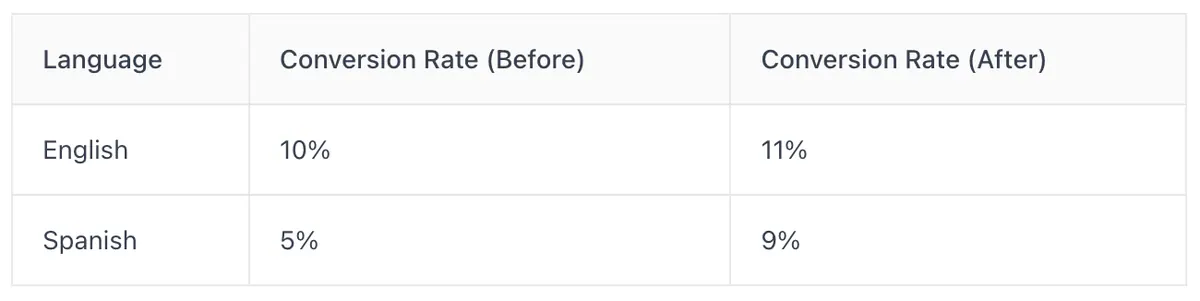
This is where things get really interesting. Conversion rates tell you how many users are actually completing the desired action, in this case, successfully submitting a ticket. Compare conversion rates between users who interact with the English version and those who use the other language(s). Did the conversion rates across different languages improve after going bilingual? A simple A/B test can help you determine this. Here's a basic table to illustrate: