Ever wonder how some businesses always seem to hit it big, no matter the time of year? It’s not just luck; a lot of the time, it comes down to smart pricing. Think about it: a ski resort charges more in winter, and a beach hotel ups its rates in summer. This isn't random; it's all about something called seasonal pricing. It's a way for businesses to change their prices based on when people want things most. This article will walk you through how this works, especially in places that get a lot of visitors, and how businesses can make the most of those busy times while still doing okay when things are slow.
Key Takeaways
- Seasonal pricing helps businesses make more money by changing prices with the flow of customer demand.
- Understanding when your customers want your product or service most is a big part of setting the right prices.
- Keeping an eye on what competitors are doing and how the market is changing helps businesses stay competitive.
- For places like tourist-heavy cities, hotels and attractions often use different prices for busy and slow times to keep revenue steady.
- Looking at past sales and customer behavior can give good clues for setting future seasonal prices.
Understanding Seasonal Pricing Strategies
Seasonal pricing is a big deal for businesses. It's all about changing your prices depending on the time of year. This helps you make the most money when things are busy and still get some sales when things are slow. Let's look at how it works.
Dynamic Pricing Based on Demand Fluctuations
Dynamic pricing means changing prices in real-time based on how many people want to buy something. Think about hotels. They might charge way more during a popular event than on a random Tuesday in November. It's all about supply and demand. If lots of people want something, the price goes up. If not many people want it, the price goes down. This can be tricky, but it can also really boost your revenue.
Examples of Seasonal Pricing Strategies
Lots of businesses use seasonal pricing. Here are a few examples:
- A clothing store marks up winter coats in the fall and winter, then slashes prices in the spring.
- A ski resort charges more for lift tickets during the holidays and weekends.
- An ice cream shop offers discounts in the winter when fewer people are buying ice cream.
Seasonal pricing isn't just about raising prices when things are busy. It's also about finding ways to attract customers during slow times. This might mean offering discounts, creating special packages, or running promotions.
Benefits of Seasonal Pricing
Seasonal pricing can help businesses in a few ways:
- Increase revenue during peak seasons.
- Attract customers during off-peak seasons.
- Manage inventory more effectively.
- Stay competitive in the market.
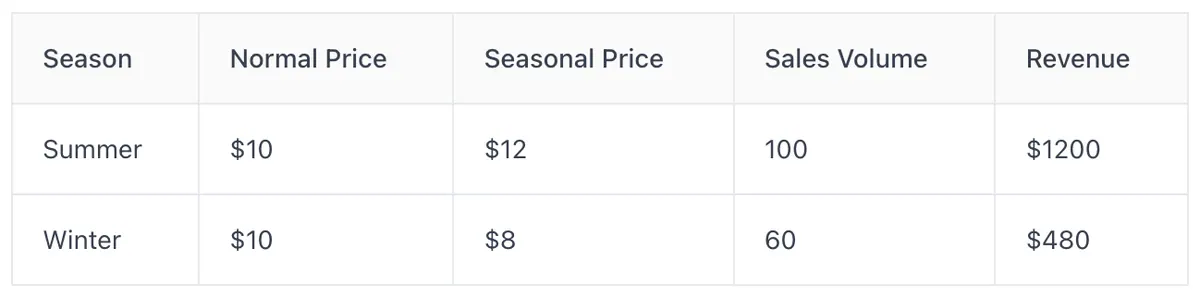
Here's a simple table showing how seasonal pricing can affect sales:
Factors to Consider for Seasonal Pricing

Understanding Customer Demand Patterns
Okay, so you're thinking about seasonal pricing. Cool. First thing's first: you really need to know your customers. I mean, really know them. What do they buy, when do they buy it, and why? It's not enough to just say, "Oh, people buy more ice cream in the summer." Dig deeper. Which flavors? What time of day? Are they tourists or locals? This is where data comes in handy. Look at past sales, website traffic, social media trends. All that stuff tells a story.
- Analyze past sales data to identify peak seasons and off-peak seasons.
- Track website traffic and social media engagement to understand customer interests and preferences.
- Conduct surveys or focus groups to gather direct feedback from customers about their buying habits.
Evaluating Competition and Market Conditions
Don't live in a bubble. What are your competitors doing? Are they slashing prices in the winter? Are they offering special deals during the holidays? You need to know this stuff. It's not about blindly copying them, but about understanding the landscape. Also, what's going on in the wider market? Is there a recession? Is there a new trend that's affecting demand for your product? Keep your ear to the ground.
It's important to monitor competitor pricing strategies and market trends to make informed decisions about your own pricing. Ignoring these factors can lead to missed opportunities or, worse, losing customers to the competition.
Balancing Supply and Demand
This is the tricky part. You don't want to run out of stuff when everyone's buying, but you also don't want to be stuck with a ton of unsold inventory when the season's over. Forecasting demand is key, but it's not an exact science. You need to consider things like weather, economic conditions, and even social media buzz. And you need to be flexible. If you see demand spiking unexpectedly, be ready to adjust your prices and your supply chain.
Implementing Effective Seasonal Pricing
Analyzing Historical Data
To really nail seasonal pricing, you gotta dig into the past. Looking at your sales data from previous years is key. What sold well, when did it sell, and at what price? This isn't just about seeing trends; it's about understanding why those trends happened. Did a specific promotion drive sales, or was it just the weather? Understanding these nuances helps you predict future demand more accurately. For example, if you run a coffee shop, you might notice iced coffee sales spike every year when the temperature hits 75°F. Knowing this, you can plan your inventory and staffing accordingly.
Monitoring Market Dynamics
It's not enough to just look at your own data. You need to keep an eye on what's happening in the wider market. What are your competitors doing? Are there any new trends emerging? Are there any external factors, like economic changes or supply chain issues, that could impact demand? Staying informed allows you to adjust your pricing strategies on the fly. Think of it like this: if a competitor starts offering a similar product at a lower price, you might need to adjust your prices to stay competitive. Or, if there's a shortage of a key ingredient, you might need to raise prices to cover your costs.
Considering Supply and Demand
Balancing supply and demand is a constant juggling act. You don't want to run out of popular items during peak season, but you also don't want to be stuck with a bunch of unsold inventory when demand drops off. This means carefully forecasting demand and adjusting your supply accordingly. It also means using pricing to influence demand. For example, if you're overstocked on a particular item, you might offer a discount to clear it out. Or, if you're running low on a popular item, you might raise the price to discourage excessive demand.
Seasonal pricing isn't a set-it-and-forget-it kind of thing. It requires constant monitoring and adjustment. You need to be willing to experiment with different pricing strategies and see what works best for your business. And you need to be prepared to adapt to changing market conditions.
Here's a simple example of how supply and demand might influence pricing:
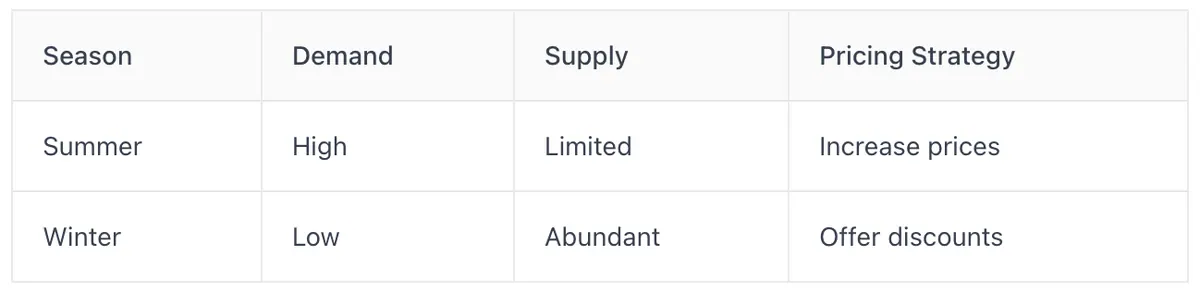
By carefully considering supply and demand, you can optimize your revenue and maximize your profits throughout the year.
Leveraging Seasonal Opportunities
Seasonal changes? They're not just about the weather. They're opportunities knocking for businesses ready to answer. It's about seeing the calendar as a roadmap to increased sales and customer engagement. Think of it: holidays, school breaks, even just the shift from summer to fall, each one is a chance to get creative and boost your bottom line.
Increased Demand During Holiday Seasons
Okay, this one's pretty obvious, but it's worth diving into. Holidays are prime time for sales. But it's not enough to just slap a "Holiday Sale!" banner on your website. You need to understand which holidays drive demand for your specific products or services. Is it Christmas? Black Friday? Maybe something niche like National Ice Cream Day? Tailor your approach. For example, a local bakery might see a huge spike in orders for pies around Thanksgiving. They need to be ready with extra staff, ingredients, and maybe even pre-order options to handle the rush. Don't forget to analyze last year's data to predict this year's demand.
Introducing Seasonal Offers
Seasonal offers are your chance to get creative and attract customers with something fresh and exciting. Think beyond just discounts. Consider bundling products, offering limited-edition items, or creating themed experiences. A clothing store could offer a "Back to School" bundle with a backpack, lunchbox, and a few key clothing items at a discounted price. Or, a coffee shop could introduce a pumpkin spice latte in the fall. The key is to make the offer feel special and relevant to the season. Make sure to promote your seasonal promotions effectively through social media, email marketing, and in-store displays.
Capitalizing on Peak Seasons
Peak seasons aren't just about holidays. They can be any time of year when demand for your product or service spikes. For a landscaper, it might be spring when everyone is eager to get their yards in shape. For a ski resort, it's obviously winter. The trick is to identify your peak seasons and plan accordingly. This means:
- Ensuring you have enough inventory to meet demand.
- Staffing up to handle the increased workload.
- Optimizing your marketing efforts to reach your target audience.
Don't be afraid to experiment with different pricing strategies during peak seasons. You might be able to charge a premium for your products or services, but be careful not to price yourself out of the market. It's a balancing act, but one that can pay off big time if you get it right. Consider offering dynamic pricing strategies to maximize revenue during these periods.
Optimizing Revenue in Tourist-Heavy Cities
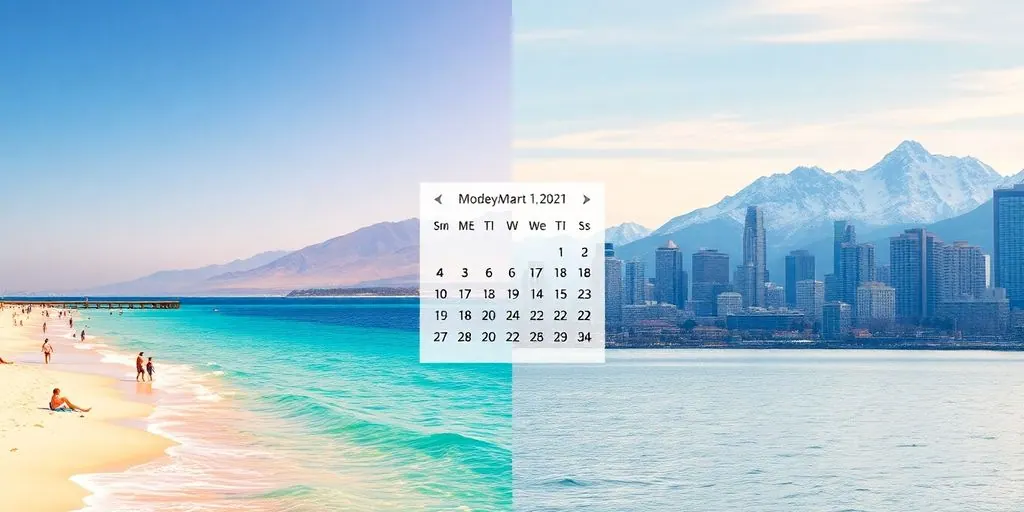
Tourist-heavy cities present unique opportunities and challenges for businesses looking to maximize revenue. The key is understanding the ebbs and flows of tourism and implementing strategies that capitalize on peak seasons while mitigating the impact of slower periods. Let's explore some specific approaches.
Hotel Industry Dynamic Pricing
The hotel industry is a prime example of how dynamic pricing can be used to optimize revenue. Hotels in tourist hotspots often adjust their rates based on demand, charging higher prices during peak seasons and lowering them during off-peak times. This strategy allows them to maximize profits when demand is high and attract customers when demand is low. It's all about finding that sweet spot where occupancy and revenue are both optimized. For example, a hotel might charge $300/night in July but only $150/night in January. This seasonal pricing strategy helps them fill rooms year-round.
Amusement Park Peak Pricing
Amusement parks also use peak pricing to manage crowds and boost revenue. They might charge more for tickets during weekends, holidays, and summer vacations. Some parks even use tiered pricing based on the time of day, with higher prices for entry during the busiest hours. This encourages visitors to come during less crowded times, improving the overall experience and distributing revenue more evenly.
Ski Resort Off-Peak Discounts
Ski resorts face a very seasonal business. They are incredibly busy during the winter months but struggle to attract visitors during the summer. To combat this, many resorts offer significant discounts on lift tickets, lodging, and other services during the off-season. They also promote summer activities like hiking, mountain biking, and scenic gondola rides. This helps them generate revenue during the warmer months and keep their staff employed year-round.
It's important for businesses in tourist-heavy cities to carefully analyze their data and understand their customer base. By doing so, they can develop effective seasonal pricing strategies that maximize revenue and ensure long-term success. Don't be afraid to experiment and adjust your approach as needed.
Strategic Adjustments for Different Seasons
It's not enough to just know that seasons affect your business; you need a plan to adjust. Different times of the year call for different strategies. Let's break down some common seasonal scenarios.
Summer Surge Pricing
Summer often means increased demand for certain products and services. Think about vacation destinations, ice cream shops, and anything related to outdoor activities. The key here is to capitalize on this increased demand without alienating your customer base. You can increase prices, but consider offering value-added options to soften the blow. For example, a hotel might raise its room rates but include free breakfast or access to the pool.
Winter Deal Incentives
Winter can be a slower period for many businesses. The goal is to incentivize customers to spend money even when they might be tightening their belts. This is where discounts, promotions, and special offers come into play. Consider offering bundled deals or loyalty rewards to encourage repeat business. For example, an ice cream shop might offer a discount on hot chocolate and cookies during the winter months.
Off-Peak Season Packages
Every business has its slow times. The period between peak seasons can be a challenge, but it's also an opportunity. Create packages or promotions specifically designed to attract customers during these off-peak times. A ski resort, for example, might offer discounted lift tickets and lodging during the shoulder seasons (spring and fall). This can help to generate revenue and keep your business top-of-mind even when demand is lower.
Seasonal adjustments are not just about changing prices; it's about understanding customer behavior and adapting your offerings to meet their needs throughout the year. It's about creating value and building relationships, no matter the season.
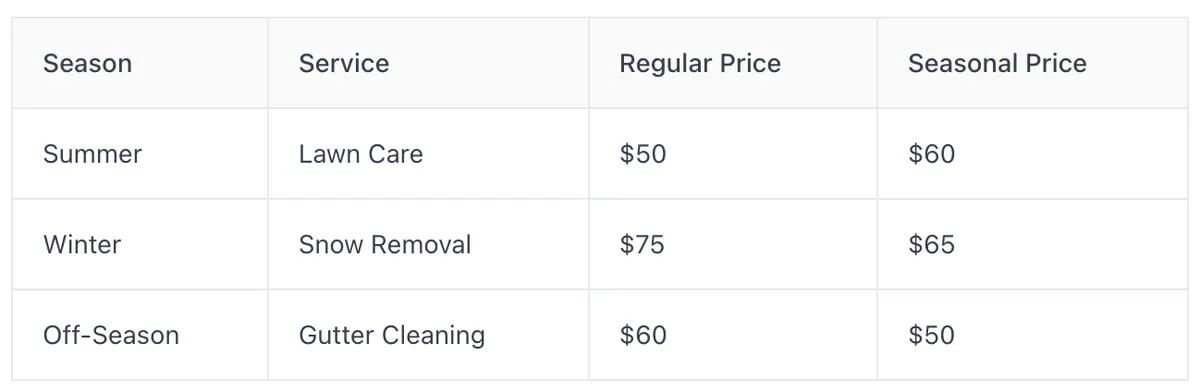
Here's a simple example of how pricing might change for a service business: