Figuring out the right price for event tickets can feel like a guessing game. It's not just about picking a number; it's about understanding how people think and what makes them buy. This article will look at the psychology behind ticket sales, giving you some good ideas for your event pricing strategy.
Key Takeaways
- Think about how people see the value of your event. If they think it's worth more than the ticket price, they're more likely to buy.
- Create a sense of urgency or scarcity. Limited-time offers or a small number of tickets left can make people act faster.
- Use tiered ticket options. This lets you offer different prices and perks, appealing to a wider range of people.
- Consider using dynamic pricing. This means changing prices based on things like demand or how close it is to the event date.
- Always keep an eye on what your audience wants and what your competitors are doing. This helps you set prices that make sense and bring in attendees.
Understanding the Psychology Behind Event Pricing

Perceived Value and Consumer Behavior
It's wild how much psychology plays into event pricing. People aren't just looking at the price tag; they're weighing what they think they're getting for their money. If the perceived value is high, they're way more likely to buy a ticket. Think about it: a workshop might seem expensive until you break down all the skills attendees will learn and the materials they'll receive. Suddenly, it feels like a steal. It's all about framing the event in a way that makes people feel like they're getting a great deal. Understanding psychological pricing is key.
Creating Urgency and Scarcity
FOMO is real, folks. Creating a sense of urgency and scarcity can seriously boost ticket sales. Limited-time offers, like early bird discounts, push people to make a decision faster. And when you say there are only a few tickets left? People panic (in a good way, for you!).
Here's a few ways to do it:
- Early Bird Pricing: Offer discounted tickets for a limited time.
- Limited Quantity: Make it clear that only a certain number of tickets are available at each tier.
- Exclusive Perks: Offer special bonuses for the first X number of buyers.
The trick is to be genuine. Nobody likes feeling like they're being manipulated. Be upfront about why you're offering a discount or why tickets are limited. Transparency builds trust, and trust leads to sales.
The Power of Charm Pricing
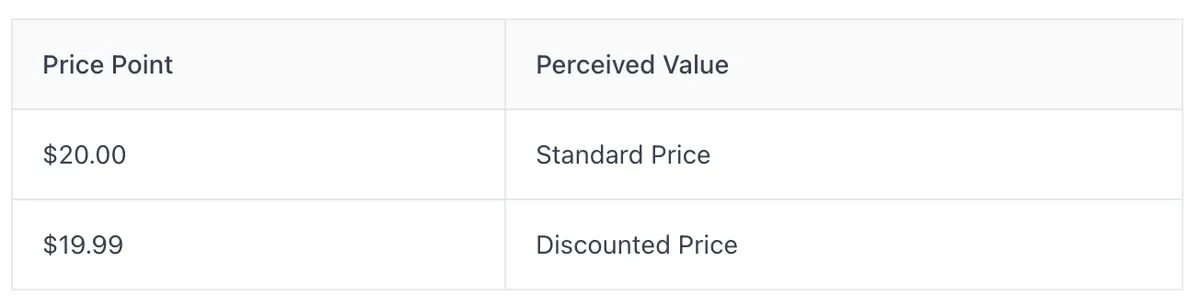
Ever wonder why so many things are priced at $9.99 instead of $10? It's not a coincidence. Charm pricing, or using prices that end in .99, can make a product seem cheaper than it actually is. It's a simple trick, but it works. People tend to focus on the leftmost digit, so $9.99 feels closer to $9 than $10, even though it's only one cent off. Pricing strategies can be surprisingly effective.
Here's a quick example:
Strategic Approaches to Event Pricing
Event pricing isn't just about picking a number; it's a strategic game. You need to think about how different pricing models can impact your sales, attendance, and overall revenue. It's about finding the sweet spot that works for both you and your audience. Let's explore some ways to approach this.
Implementing Tiered Ticket Structures
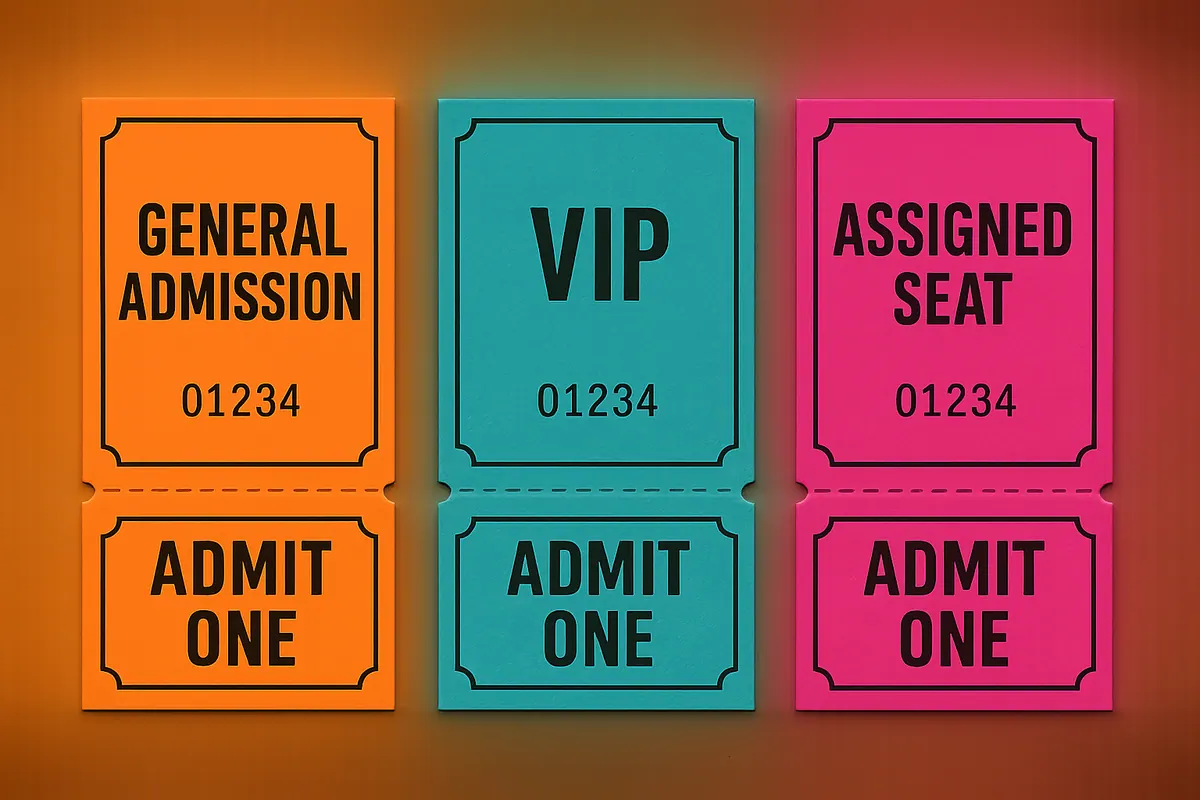
Tiered ticketing is a classic for a reason. It lets you cater to different customer segments with varying budgets and expectations. Think about offering a basic general admission ticket, a mid-tier option with some perks, and a VIP package with all the bells and whistles. This approach can significantly increase your revenue by capturing a wider range of potential attendees. It's also a great way to make your event accessible to more people, while still offering premium experiences for those willing to pay more. Consider these tiers:
- General Admission: Basic access to the event.
- VIP: Premium access, exclusive areas, and additional perks.
- Early Bird: Discounted tickets for early purchasers.
Leveraging Dynamic Pricing Models
Dynamic pricing is all about adjusting your ticket prices based on real-time demand. If tickets are selling fast, you can increase the price to maximize revenue. If sales are slow, you can lower the price to attract more buyers. This requires careful monitoring and analysis, but it can be a powerful tool for event space pricing. It's heavily influenced by consumer behavior so understanding who your audience is is essential. Dynamic pricing strategies aren’t just theory: some studies show they can boost event revenue by 10–20% or more, with every 1% price increase potentially adding 8% to profit margins.
Optimizing Early Bird Discounts
Early bird discounts are a great way to generate buzz and drive early ticket sales. The key is to offer a significant discount that incentivizes people to buy tickets well in advance of the event. However, you also need to be careful not to devalue your event by offering too steep of a discount for too long. A good strategy is to offer a limited number of early bird tickets or to gradually increase the price as the event gets closer. Limited-time early bird discounts create urgency, while tiered pricing frames premium tickets as exclusive.
Early bird discounts are not just about getting money in the door early. They also help you gauge interest in your event and make informed decisions about marketing and logistics. It's a win-win situation for both you and your attendees.
Key Factors Influencing Your Pricing Strategy