Putting on a concert can feel like a lot, right? You've got music, people, and a whole lot of moving parts. It's easy to get caught up in the day-to-day details, but honestly, if you don't know what you're aiming for, you might just end up spinning your wheels. Thinking about your goals upfront is actually the secret sauce to making sure your concert isn't just a good time, but a real success. It helps you make smart choices every step of the way, from who you book to how you get the word out. Let's break down why getting clear on your objectives is the first move in solid Concert Planning.
Establishing Your Concert's Purpose
Before you even think about booking a band or picking a date, you need to figure out why you're putting on this concert in the first place. It sounds simple, but honestly, it's the bedrock of everything that follows. Without a clear purpose, you're just throwing a party without knowing who you want to invite or what kind of vibe you're going for. This initial step is all about setting a direction, so your decisions later on actually make sense and help you get where you want to go.
Defining your vision for the event
Before you book a venue or send out invites, take a step back and ask yourself, What do I want people to feel when they walk in, and when they leave? Your event’s vision is the foundation that shapes every decision you’ll make.
Do you want an intimate acoustic evening where guests feel cosy and connected, or a high energy dance party where the goal is to keep everyone on their feet? Maybe your vision is about elegance and sophistication, with candlelit tables and live jazz.
Having a clear vision acts like a north star, it guides your choices for music, lighting, decor, even how you promote the event. The clearer the picture you paint in your mind, the easier it becomes to bring it to life and ensure every detail supports the experience you want your audience to have.
Identifying your target audience
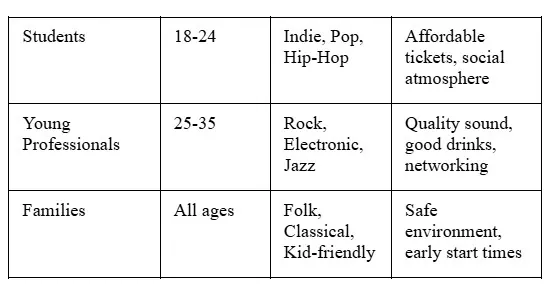
Who are you trying to reach with this concert? Knowing your audience is super important. Are you targeting college students, families, or a specific music fan base? Your audience will influence everything, from the artists you book to how you promote the event. For example, if you're aiming for a younger crowd, social media might be your main promotion channel. If it's a more mature audience, perhaps local radio or print ads would be better.
Here’s a quick way to think about it:
Clarifying what success looks like
So, what does a successful concert mean for this event? It’s not just about selling tickets, though that’s usually a big part. Maybe your goal is to raise money for a cause, introduce a new artist to the community, or simply create a memorable night for attendees. Setting specific, measurable goals from the start helps you know if you've hit the mark. It gives you something concrete to aim for and evaluate against when the concert is over. Without clear goals, you can't truly know if your efforts paid off.
It’s easy to get caught up in the details of planning, but always circle back to your initial purpose and goals. Are the artists you’re considering a good fit for your audience? Does the venue align with the experience you want to create? Keeping your purpose front and center makes the whole process much more focused and effective.
Crafting a Realistic Budget
Okay, let's talk about the money side of things. This is often the part that makes people sweat, but honestly, getting a handle on your budget early on is super important. Without a solid financial plan, even the best concert can run into serious trouble. Think of it like building a house, you wouldn't start hammering nails without blueprints and a clear idea of how much lumber you need, right? Same idea here. You need to know what you can spend before you start booking bands or renting out that fancy venue. It’s not just about the big ticket items either, those little costs can sneak up on you faster than you think.
Estimating pre and post concert expenses
Before you even think about the actual day of the concert, there are costs involved. You've got to consider things like booking fees for artists, maybe some deposit for the venue, and any initial marketing materials you might need to get the word out. Then there are the costs that happen after the show. This could be paying out the last bit to performers, cleaning up the venue, or sending out thank-you notes and any follow-up marketing. It’s easy to forget these, but they’re part of the whole picture.
Avoiding common budgeting pitfalls
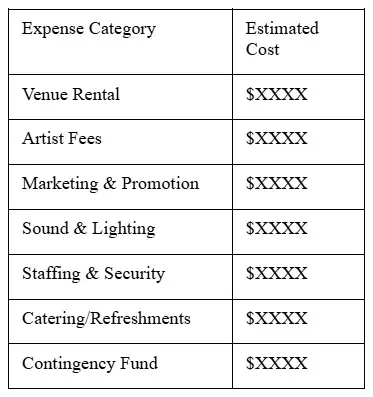
One of the biggest mistakes people make is underestimating how much things will cost. Seriously, everything usually costs more than you first guess. Another common slip up is overestimating how much money you'll make from ticket sales or sponsorships. You really need to be realistic here. Also, don't forget to set aside a little extra cash for unexpected stuff, you know, the "oops, we forgot about that" moments. A good rule of thumb is to have a contingency fund, maybe 10-15% of your total budget, just for surprises.
Here’s a quick look at where your money might go:
Monitoring financials throughout planning
Once you've got your budget drafted, you can't just forget about it. You need to keep an eye on it regularly. As you book vendors and make purchases, track every dollar. This way, you'll know if you're staying on track or if you need to make adjustments. Maybe you find a cheaper sound system, or perhaps the band you wanted costs more than you thought. Being able to see where your money is going in real-time helps you make smart decisions along the way. It’s all about staying organized and being prepared for whatever comes up.
It’s really easy to get caught up in the excitement of planning a concert and forget about the practicalities of money. But if you don't have a clear budget and stick to it, you'll likely end up stressed and possibly in debt. Think about your income sources too, ticket sales, sponsorships, merchandise, and be realistic about what you expect to bring in.
Securing the Right Talent
Finding the right performers is a big part of making your concert memorable. It’s not just about picking someone popular; it’s about finding artists whose music fits the vibe you’re going for and who will connect with your audience. Think about the kind of atmosphere you want to create. Are you aiming for an intimate acoustic set, a high energy rock show, or something in between? Your choice of talent really sets the tone.
Identifying potential performers
Start by making a list of artists or bands that you think would be a good fit. Don’t limit yourself to just the big names; sometimes, local or up and coming artists can bring a fresh energy and are more accessible. Consider:
- Genre Alignment: Does their music match the overall theme of your concert?
- Audience Appeal: Will your target audience be excited to see them?
- Past Performance Quality: Have they delivered good shows before?
- Professionalism: Do they have a reputation for being reliable?
It’s a good idea to check out their social media, listen to their music online, and maybe even see them play live if possible. This helps you get a feel for their stage presence and how they interact with a crowd.
Negotiating performance agreements
Once you’ve identified a few potential acts, it’s time to reach out. You’ll likely be communicating with their manager or agent, so be prepared to present your event clearly. When you contact them, include:
- Event Details: Date, time, venue, and expected audience size
- Offer: What you’re offering in terms of payment, travel, and accommodation
- Performance Requirements: Any specific technical needs or time slots
Be upfront about your budget from the start. This saves everyone time and avoids awkward conversations later. Remember that negotiation is a two-way street. Be prepared to discuss fees, set times, and any other terms that are important to both you and the artist.
Confirming artist availability and contracts
After you’ve agreed on terms, the next step is to get everything in writing. A formal contract protects both you and the artist. It should clearly outline:
- Payment Schedule: When and how the artist will be paid
- Performance Details: Set length, start time, and any specific requirements
- Cancellation Clauses: What happens if either party needs to cancel
- Technical Rider: Specific sound and lighting needs
Make sure you read the contract carefully before signing. If anything is unclear, ask for clarification. Once signed, keep a copy for your records. Confirming availability and getting contracts sorted well in advance is key to avoiding last-minute problems and ensuring a smooth experience for everyone involved.
Selecting the Ideal Venue
Finding the right place to host your concert is a big deal. It’s not just about having four walls and a roof, it’s about creating the right atmosphere and making sure everything runs smoothly for everyone involved. Think of it as picking the perfect frame for your artwork, the venue really sets the stage for your entire event.
Assessing venue capacity and amenities
First off, you need to know how many people you expect. If you're planning a small acoustic set, a massive stadium probably isn't the best fit, and vice versa. You want a space that feels comfortably full, not packed like sardines or echoing with emptiness. Check out the venue's stated capacity, but also consider how that number feels in reality. Can people move around easily? Is there enough space for a stage, sound equipment, and maybe even a small merch table?
Beyond just size, look at what the venue offers. Does it have built-in sound and lighting systems, or will you need to rent everything? Is there adequate parking for your attendees and performers? What about restrooms, accessibility for people with disabilities, and backstage areas for the artists? These details might seem small, but they add up and can make a huge difference in the overall experience.
Here’s a quick checklist for amenities:
- Sound System: Built-in or needs rental?
- Lighting: Stage lighting available?
- Parking: Sufficient for guests and artists?
- Restrooms: Clean and accessible?
- Backstage: Comfortable space for performers?
- Accessibility: Ramps, elevators, etc. for all guests?
Reviewing venue rules and security
Every venue has its own set of rules, and it's super important to get these upfront. Some places might have strict noise ordinances, meaning your concert has to wrap up by a certain time. Others might have specific rules about what you can bring in, like food and drinks, or even decorations. You don't want to get hit with unexpected charges or have to shut down early because you didn't read the fine print.
Security is another big one. What kind of security does the venue provide? Do they have trained staff on hand? Understanding their security plan helps you plan yours, especially if you're expecting a large crowd. It’s about keeping everyone safe and making sure the event runs without any major hiccups.
Always ask for a written copy of the venue's rules and regulations. It's better to have it on paper than to rely on verbal agreements.
Ensuring a smooth guest experience
Ultimately, you want your concert attendees to have a great time. The venue plays a massive role in this. Think about the overall vibe, does it match the kind of music you're presenting? Is it easy for people to find? Once they're inside, is the layout logical? Can they easily get to the stage, the bar, or the restrooms without feeling lost?
Consider the flow of the event. If there are multiple stages or areas, are they clearly marked? Is there enough staff to help direct people? A venue that's well organized and easy to navigate contributes a lot to a positive guest experience. It’s the little things, like clear signage and friendly staff, that can make a big impression.
Finalizing Concert Logistics