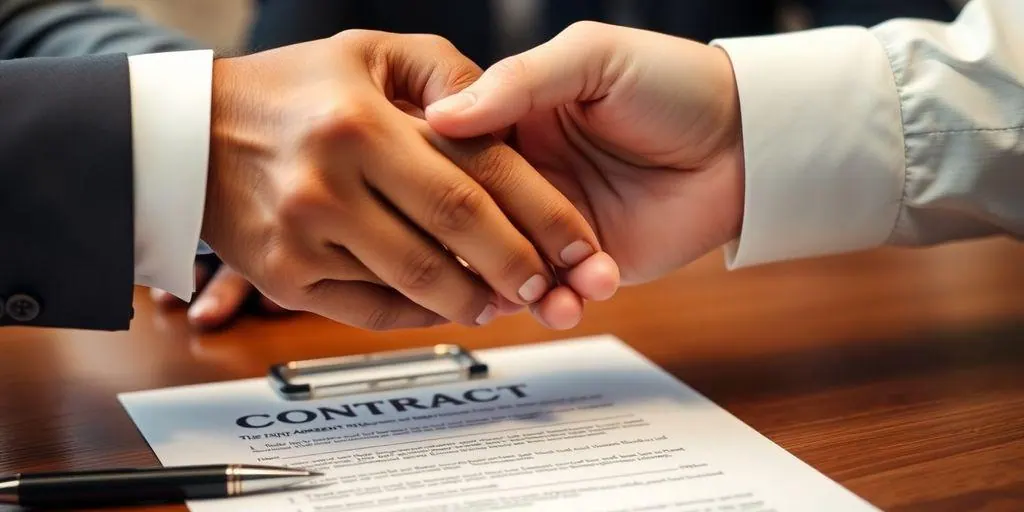
Getting the best deal with event vendors means understanding the fine print and knowing how to talk to them. It's not just about the price, it's about making sure the contract works for you long term. We'll look at what to watch out for in agreements and how to get what you need without overpaying. Plus, we'll cover how to get vendors to work with you on terms that make sense for your event.
Understanding Key Contract Clauses for Event Vendors
When you're planning an event, dealing with vendors is a big part of the process. It's not just about picking someone who does a good job, it's about making sure the paperwork, the contract, actually covers everything you need. Getting these agreements right from the start can save you a lot of headaches later on. Think of it like building a house, you need a solid foundation, and that starts with understanding the key parts of the contract.
Defining agreement scope and service boundaries
This is where you spell out exactly what the vendor is supposed to do and, just as importantly, what they are not responsible for. It sounds simple, but getting specific here is super important. You don't want any confusion about whether they're setting up chairs or just delivering them, for example. A clear scope means both you and the vendor know what's expected.
- What services are included? List them out. Be specific about quantities, types, and any special requirements
- What is explicitly excluded? Sometimes, saying what's not part of the deal is just as vital to avoid assumptions
- What are the deliverables? What exactly will the vendor hand over or complete, and by when?
Reviewing subscription, pricing, and delivery terms
This section is all about the money and how the service gets to you. You need to look closely at how much things cost, if there are different pricing tiers, and how the vendor plans to deliver their service. Are there hidden fees? Does the price change based on usage or time? Understanding these details helps you manage your budget effectively.
- Pricing Structure: Is it a flat fee, hourly, per person, or something else? Are there any potential surcharges?
- Payment Schedule: When are payments due? Are there discounts for early payment or penalties for late payment?
- Delivery Method: How will the service or product be provided? What are the timelines for delivery and setup?
Negotiating robust Service Level Agreements (SLAs)
SLAs are basically promises about the quality and reliability of the service. For an event, this could mean things like response times if something goes wrong during the event, or guarantees about equipment uptime. You want to make sure the vendor can meet your needs, especially when things are busy.
- Performance Standards: What level of service can you expect? (e.g., response time for issues, availability of staff)
- Uptime Guarantees: If it's a tech service, what's the guaranteed operational time?
- Remedies for Breach: What happens if the vendor doesn't meet the SLA? Are there penalties or credits?
Securing data ownership, privacy, and security provisions
If the vendor will be handling any of your data, or your attendees' data, this is a big one. You need to know who owns the data, how it will be protected, and what privacy measures are in place. This is especially important with all the regulations out there now.
- Data Ownership: Who owns the data collected during or for the event?
- Privacy Policy: How will the vendor use and protect personal information?
- Security Measures: What steps are taken to prevent data breaches?
Examining limitation of liability and termination clauses
These clauses deal with what happens if things go wrong and how the contract can be ended. The limitation of liability part often caps how much a vendor has to pay if they mess up. You'll want to see if you can negotiate this to be more favorable to you. Termination clauses explain how either side can end the agreement, and under what conditions.
- Limitation of Liability (LOL): What is the maximum amount the vendor is liable for in case of a breach or failure?
- Termination Conditions: Under what circumstances can either party end the contract early?
- Notice Periods: How much advance notice is required for termination?
Getting these clauses right means you're prepared for different scenarios, protecting your event and your budget. It's about being thorough so you can focus on making the event great, not worrying about what might go wrong with the vendor agreement.
Strategic Preparation for Event Vendor Negotiations
Getting ready for talks with event vendors is a big deal. It’s not just about picking someone, it’s about setting up a partnership that works for your event and your budget. Think of it like planning a trip, you wouldn't just hop on the first bus you see, right? You'd figure out where you're going, how much you can spend, and what you absolutely need to have a good time. Doing this homework beforehand makes all the difference when you actually sit down to discuss terms.
Defining objectives and non negotiables
Before you even think about calling a vendor, you need to know what you absolutely must have for your event to be a success. What are the things that, if they don't happen, the whole event is basically a bust? These are your non negotiables. Maybe it's a specific type of AV equipment for a presentation, or a caterer with proven food safety records. On the flip side, what are you willing to be flexible on? Perhaps the exact shade of tablecloth isn't a deal breaker, or maybe you can live with a slightly different menu if the price is right. Listing these out helps you stay focused and know where you can give a little during negotiations.
- Non-Negotiables: Food safety certifications, specific technical requirements, guaranteed delivery times
- Flexibles: Decor styles, minor menu variations, exact setup times (within reason)
Being clear on your priorities from the start means you won't get sidetracked by shiny extras that don't really matter to your event's core goals.
Researching vendor pricing history and market positioning
It’s smart to do a little digging into the vendors you’re considering. What have others paid for similar services? Are there industry standards for what things cost? Websites and industry reports can give you a good idea of what’s typical. Also, think about where the vendor sits in the market. Are they a brand-new company trying to make a name for themselves, or are they a well established player? This can influence their pricing and their willingness to negotiate. Knowing this background information gives you a stronger position when you start talking numbers.
Understanding your team's essential requirements
Talk to everyone on your team who will be involved with or affected by the vendor’s services. What do they absolutely need from this vendor to do their job effectively? Sometimes, what seems like a small detail to one person can be a major roadblock for another. For example, the AV team might need specific power outlets, or the marketing team might need certain branding elements incorporated. Gathering all these requirements upfront prevents last-minute scrambling and ensures the vendor contract covers everything your internal teams depend on.
Determining the need for legal counsel review
For significant contracts, or if you're dealing with complex terms, it's often a good idea to have a lawyer take a look. They can spot potential issues you might miss, like unclear liability clauses or unfavorable termination conditions. While it might seem like an extra cost, it can save you a lot of trouble and money down the line if something goes wrong. Think about the scale of your event and the financial commitment before deciding if legal review is necessary.
Leveraging Multiple Event Vendor Options
When you're planning an event, it's easy to get tunnel vision on just one or two vendors. But having options is a really smart move. It's like shopping around for anything else, you get a better sense of what's out there and what things should cost. Plus, it gives you some serious muscle when it's time to talk terms.
Creating competition for better deals
Don't just go with the first vendor you find. Reach out to a few different ones for the same service. Ask for detailed quotes from each. This immediately puts them in a position where they know you're comparing them. It's not about being difficult, it's just smart business. You'll often find that vendors are more willing to offer their best pricing or throw in extra services when they know they're not the only game in town.
Avoiding unfavorable vendor lock in
Sometimes, a vendor might try to tie you into a long term contract that's hard to get out of, or they might have clauses that aren't great for you. Having other vendors lined up makes it much easier to say no to these kinds of deals. You're not desperate for their service if you have a solid backup. This freedom means you can walk away from anything that feels too restrictive or doesn't quite fit your event's needs.
Using competing offers as negotiation leverage
This is where having multiple quotes really pays off. Let's say Vendor A gives you a price, and Vendor B offers a similar service for less, or includes more. You can take Vendor B's offer to Vendor A and say, "Hey, I really like working with you, but Vendor B is offering this. Can you match it, or come close?" It's a direct way to get better value. You can also use it to ask for extras. Maybe Vendor A can't lower their price, but they could offer free setup or a longer service period if you show them you have other options. It’s all about showing them you’ve done your homework and are serious about getting the best deal for your event.
Mastering the Art of Event Vendor Negotiation
Negotiating with event vendors can feel like a tightrope walk, balancing your budget with the need for quality services. It's not just about getting the lowest price; it's about building relationships that benefit both sides. Think of it as a conversation, not a confrontation. When you approach these talks with a clear plan and a willingness to collaborate, you're much more likely to walk away with a deal that makes sense for your event and your wallet.
The importance of proactive negotiation
Getting ahead of the curve is key. Don't wait until the last minute to start talking terms. The earlier you begin these conversations, the more options you'll have, and the less pressure there will be to accept unfavorable terms just to get things done. Vendors often have more flexibility when they aren't swamped with last-minute requests. Plus, starting early gives you time to research and understand the market, so you know what a fair deal looks like.
Focusing on value beyond just cost
Sure, price is important, but it's not the only thing. Consider what else a vendor can offer. Maybe they can throw in free setup, extend service hours, or provide a small upgrade at no extra charge. These little extras can add up and significantly improve the attendee experience without costing you more. Think about the overall value, what are you really getting for your money?
Building win-win relationships with event vendors
When you treat vendors as partners, they're more likely to go the extra mile for you. This means being clear about your needs, listening to their concerns, and being fair in your dealings. A vendor who feels respected and valued is more likely to offer preferred rates for future events or prioritize your needs during busy periods. It’s about creating a partnership where both parties feel they've come out ahead.
Negotiating terms beyond pricing
Don't get stuck only talking about the dollar amount. There are many other aspects of a contract that can be negotiated. Think about payment schedules, cancellation policies, or even the specifics of the services provided. For example, you might negotiate a longer payment window to help your cash flow, or agree on specific response times for any issues that might arise during the event. These details can make a big difference in how smoothly your event runs.
Key Tactics for Negotiating with Event Vendors
When you're talking with potential vendors for your event, it's easy to get caught up in the excitement and just accept the first price they throw at you. But honestly, that's usually not the best move. You should never reveal your budget upfront, and always push back on that initial quote. Think of it like this: if you tell them you have $5,000, they might just quote you $4,900, and you've left money on the table. It's better to let them present their best offer first, and then you can work from there.
Beyond just the price tag, there are other things you can negotiate that don't cost the vendor much but can make a big difference for your event. These are the high impact, low-effort changes. Maybe it's getting them to include setup and takedown for free, or perhaps getting a bit more time from their staff without an extra charge. These little wins add up and can really smooth out the event day.
It's also smart to think about what you can offer the supplier that doesn't involve cash. Maybe you can give them a shout-out on social media, or feature their logo prominently at the event. If they're looking for more exposure, this can be a real incentive for them to offer you a better deal or throw in some extras.
Finally, when you're communicating, keep it simple and direct. Don't beat around the bush. Clearly state what you need and what you're offering. This makes it easier for them to understand and respond, and it keeps the negotiation moving forward without unnecessary confusion.
Navigating the Event Vendor Contract Lifecycle

So, you've picked out your vendors, and now it's time to actually get the paperwork sorted. This part can feel a bit like a maze, but if you break it down, it's totally manageable. Think of it as a process with a few key stages, not just a one off chat.
Understanding the four stages of negotiation
Really, negotiation isn't just about haggling over price. It's a whole process. First, there's the prep work, that's where you figure out what you absolutely need and what you can live without. Then comes the actual discussion, where you talk terms. After that, you're looking at getting everything written down clearly. Finally, there's the review and signing. Each step is important for making sure you and the vendor are on the same page.
Dissecting contracts with precision
When you get that contract draft, don't just skim it. You need to really look at what's in there. What exactly are they promising to do? When do they need to do it by? What happens if something goes wrong? It’s like being a detective for your event. You want to catch any potential issues before they become big problems.
Here’s a quick checklist of things to zero in on:
- Scope of Services: What exactly are they providing? Be specific. If it's catering, list the menu items and service style
- Deliverables & Timelines: When are things due? This includes setup, service, and takedown
- Payment Schedule: When are payments due? Are there deposits? Late fees?
- Cancellation Policy: What happens if you or they need to cancel? Are there penalties?
- Liability & Insurance: Who covers damages or accidents?
Negotiating trade offs for added value
Sometimes, a vendor just can't budge on price. That's okay. Instead of getting stuck, think about what else they could offer. Maybe they can throw in free setup or takedown. Perhaps they can provide extra staff for busy periods, or extend their service hours a bit. These little extras can make a big difference to your event without costing you more money. It’s all about finding that sweet spot where both sides feel like they’re getting a good deal.
Don't be afraid to ask for things that aren't explicitly listed. Vendors often have flexibility to add small perks that don't significantly impact their costs but add a lot of value for you.
Drafting clear and specific contractual terms
Once you've agreed on everything, it needs to be written down. And not just vaguely written down, but super clear. If you agree on a certain quality for flowers, write that down. If you need a specific type of sound system, make sure it's in the contract. The clearer the terms, the fewer surprises you'll have later. A well-written contract is your best friend when things get hectic. It protects you and makes sure everyone knows what's expected. It’s better to spend a little extra time getting the details right now than to deal with a mess later.
Securing Favorable Terms with Event Vendors