Ever wonder how some brands just seem to pop up everywhere, especially with people you follow online? It's not magic; it's smart teamwork. When a brand and an influencer team up, they can create something really special. This article will walk you through how these partnerships work, why they're a big deal, and how to make sure your brand's logo ends up on the right faces.
Key Takeaways
- Co-branding means two brands work together, while influencer collaborations are when a brand partners with an individual.
- Teaming up helps brands reach more people and share costs, making marketing easier.
- Picking the right influencer is super important; their audience and values should match yours.
- Successful co-branded projects often involve making new products or using shared audience groups.
- Always track how well your co-branding efforts are doing by looking at sales and how much people are talking about your brand.
Understanding the Power of Co-Branding
Defining Brand-to-Brand Partnerships
Co-branding is like teaming up with another player to win the game, but in business. It's when two brands decide to join forces, hoping that their combined strengths will create something bigger and better than they could achieve alone. Think of it as a strategic alliance where both sides bring something unique to the table. This can mean increased visibility, access to new markets, and a boost in credibility. It's not just about slapping two logos together; it's about finding a partner whose values and audience align with yours.
Distinguishing Influencer Collaborations
Now, let's talk about influencer collaborations. While they might seem similar to co-branding, there's a key difference. Influencer collaborations usually involve a brand partnering with an individual who has a strong online presence and a dedicated following. The influencer promotes the brand's products or services to their audience. It's more of a marketing tactic than a true partnership. Co-branding, on the other hand, is a deeper, more integrated relationship between two established brands. It's about creating something new together, not just promoting something that already exists. For example, a company might use co-branding to lower risks.
The Symbiotic Relationship
At its core, successful co-branding is a symbiotic relationship. This means that both brands benefit from the partnership. One brand might bring a strong reputation and a large customer base, while the other might bring innovation and fresh ideas. When these two things come together, it can create a powerful synergy that drives growth and success for both parties. It's like a plant and a bee, the plant gets pollinated, and the bee gets nectar. Everyone wins. Here are some benefits:
- Increased brand awareness
- Access to new markets
- Enhanced credibility
Co-branding isn't just about making more money; it's about creating something that's greater than the sum of its parts. It's about building relationships, sharing resources, and working together to achieve common goals. When done right, it can be a game-changer for both brands involved.
Strategic Advantages of Co-Branding
Co-branding isn't just a buzzword; it's a strategy that can seriously boost your brand. It's about teaming up with another brand or influencer to create something bigger than either of you could alone. Think of it as a power-up for your marketing efforts. Let's look at some specific ways co-branding can help.
Expanding Brand Reach and Audience
Co-branding lets you tap into a whole new pool of potential customers. It's like getting an introduction to your partner's friends. You get your brand in front of people who might not have heard of you otherwise, and they get introduced to something new. This is especially useful if you're trying to break into a new market or demographic. For example, a smaller brand can benefit from the strategic partnerships of a larger, more established brand.
Optimizing Cost and Resource Sharing
Marketing campaigns can be expensive. Co-branding lets you split the costs and share resources. Instead of one company bearing the full burden of a campaign, you can pool your budgets, staff, and knowledge. This can make bigger, more ambitious projects possible. Plus, it's a great way to learn from each other's expertise and try new things without risking too much on your own.
Building Trust and Fostering Loyalty
When you partner with a brand that people already trust, some of that trust rubs off on you. It's like getting a recommendation from a friend. This can be especially helpful if you're a newer brand trying to establish credibility. For established brands, partnering with a fresh startup can show that you're innovative and in touch with current trends. This can help keep your brand relevant and exciting, reinforcing brand positioning.
Co-branding can create a win-win situation where both brands benefit from increased exposure, shared resources, and enhanced credibility. It's a smart way to grow your business and build stronger relationships with your target audience.
Identifying the Ideal Influencer Partner
Finding the right influencer is like finding the perfect puzzle piece, it needs to fit seamlessly with your brand. It's not just about popularity; it's about finding someone who genuinely aligns with what you stand for and who can authentically connect with your target audience. Let's explore the key aspects to consider when choosing your influencer partner.
Audience Alignment and Complementary Values
The most important thing is that the influencer's audience matches your target demographic. It doesn't matter how many followers they have if those followers aren't interested in your product or service. Look at their follower demographics, age, location, interests, and make sure it aligns with your ideal customer profile. Beyond demographics, consider values. Does the influencer promote values that complement your brand's mission? A mismatch here can lead to a disconnect and damage your brand's reputation.
Authenticity and Personal Connection
Authenticity is key. People can spot a fake endorsement a mile away. Choose an influencer who genuinely believes in your product or service and can speak about it in a way that feels natural and relatable. Look for influencers who have built a strong personal connection with their audience. These are the people whose recommendations carry weight because their followers trust their opinions. Engagement rate (likes, comments, shares) is a good indicator of this connection.
Avoiding Mismatches in Brand Persona
Imagine a luxury brand partnering with an influencer known for budget-friendly content, it just wouldn't work. It's crucial to avoid mismatches in brand persona. Consider the influencer's overall image, tone, and style. Do they align with your brand's aesthetic and messaging? A mismatch can confuse your audience and dilute your brand identity. It's better to choose an influencer with a smaller but highly engaged audience that aligns with your brand than a mega-influencer whose style clashes with your own.
Choosing the right influencer is an investment. Take the time to research potential partners thoroughly and ensure they are a good fit for your brand. A successful co-branding venture hinges on finding someone who can authentically represent your brand and connect with your target audience.
Crafting Impactful Co-Branded Campaigns
Creating Unique Product Lines
Co-branding really shines when it leads to something new and exciting. Think about combining your brand's strengths with your influencer's unique style to create a product line that neither of you could have achieved alone. It's about synergy, not just slapping two logos on the same old thing. For example, Joybird and Sherwin-Williams partnered to create curated home furnishing and color palettes. This allowed customers to easily select paint colors to complement their furniture choices.
Leveraging Shared Demographics
It's tempting to go for the influencer with the biggest following, but it's way more important to find someone whose audience actually overlaps with yours. Look for shared interests, values, and demographics to ensure your co-branded campaign actually reaches the right people. If you're a sustainable clothing brand, partnering with a fast-fashion influencer probably isn't the best move. Think about it like this:
- Analyze your current customer base.
- Research potential influencers' audience demographics.
- Identify areas of overlap and potential for new customer acquisition.
Inspiring Future Collaborations
A successful co-branded campaign shouldn't be a one-off thing. It should lay the groundwork for future partnerships and collaborations. Think of it as building a relationship, not just running a promotion. If the campaign goes well, explore other ways to work together, whether it's creating new content, hosting events, or even developing entirely new products.
A great co-branded campaign leaves both brands stronger and more connected to their audiences. It's about creating something that resonates with people and leaves them wanting more. It's not just about sales; it's about building lasting relationships and creating a positive brand image.
Measuring Success in Co-Branding Ventures

It's exciting to launch a co-branded campaign, but how do you know if it's actually working? It's not enough to just hope for the best. You need to set up ways to track what's happening and see if you're hitting your goals. Let's break down how to do that.
Tracking Brand Awareness Metrics
Brand awareness is often the first thing people think about. Are more people talking about your brand? Are they recognizing it? There are a few ways to check this:
- Social Media Mentions: Keep an eye on how often your brand is mentioned on social media. Tools can help you track mentions of your brand name, the influencer's name, and any campaign-specific hashtags.
- Website Traffic: See if traffic to your website increases during and after the campaign. Look at which pages people are visiting to understand what they're interested in.
- Surveys: Run surveys before and after the campaign to see if people's awareness of your brand has changed. Ask questions about brand recognition and recall.
It's important to remember that brand awareness doesn't always translate directly into sales. It's more about getting your name out there and making people familiar with your brand. Think of it as planting a seed, it takes time to grow.
Analyzing Sales and Market Penetration
Ultimately, you want to see if the co-branding campaign is boosting your sales. Here's how to analyze that:
- Sales Data: Track sales of the co-branded product or service. Compare sales before, during, and after the campaign to see if there's a noticeable increase.
- Promo Codes: Use unique promo codes for the campaign so you can track which sales came directly from the influencer's audience. This gives you a clear picture of the campaign's impact.
- Market Share: See if your market share has increased since the campaign launched. This is a longer-term metric, but it can show if the campaign is helping you gain a competitive edge. To measure influencer marketing ROI, you need to look at the bottom line.
Assessing Audience Engagement
Engagement is all about how people are interacting with your content. Are they liking, commenting, and sharing? Here's how to measure it:
- Social Media Engagement: Track likes, comments, shares, and saves on social media posts related to the campaign. This shows how much people are enjoying the content.
- Website Engagement: Look at metrics like time on page, bounce rate, and pages per session. This tells you if people are finding your website content engaging.
- Comments and Feedback: Read the comments on social media posts and blog posts. This gives you qualitative data about what people think of the campaign and the co-branded product. Pay attention to the sentiment, are people saying positive things or negative things?
Here's an example of how you might track engagement:
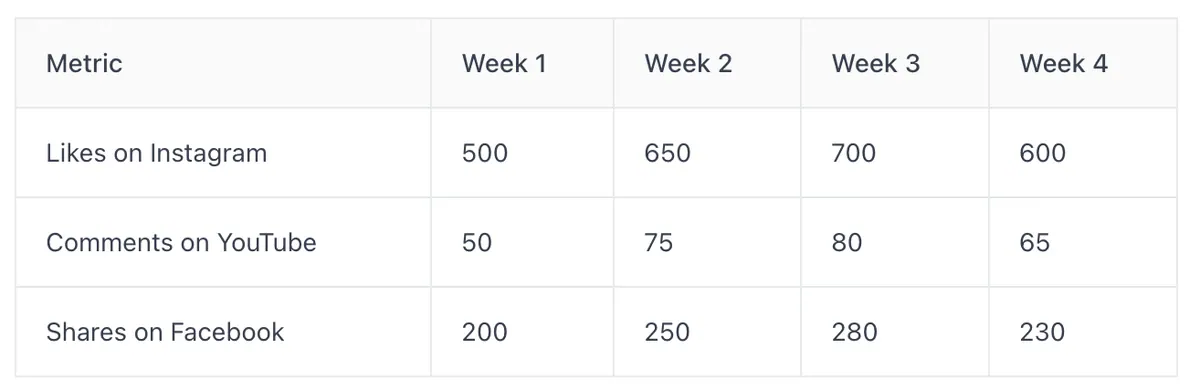
By tracking these metrics, you can get a good sense of whether your co-branding campaign is resonating with your target audience and achieving its goals.
Navigating Legalities and Agreements