
When you're running a business, especially one that deals with a lot of customer information or relies heavily on its digital systems, you can't just wing it when it comes to security. Think of it like managing a busy store, you wouldn't just open the doors and hope for the best, right? You'd want to know your systems are solid, your inventory is secure, and nobody can just walk in and take things. That's where testing your security systems comes in, and it's not really something you can skip. It’s about making sure everything is locked down tight before someone else finds a way in. This is especially true for things like Box Office Management systems, where customer data and financial transactions are happening all the time.
Understanding Penetration Testing Methodologies
Penetration testing, sometimes called ethical hacking, is basically a way to find weak spots in your digital defenses before the bad guys do. It’s like hiring someone to try and break into your house to see if your locks and alarms actually work. It’s not just about running automated scans; it’s about thinking like a real attacker.
Grasping the core concepts of penetration testing
At its heart, penetration testing is a simulated cyberattack. Security pros try to find and exploit vulnerabilities in your systems, networks, or applications. The goal is to see what an attacker could do and how much damage they could cause. This proactive approach helps organizations fix problems before they become major security breaches. It’s a way to test your security policies and controls to see if they’re really doing their job.
Different approaches based on information access
Penetration tests can be done in a few different ways, mostly depending on how much information the testers have beforehand. This really changes how the test plays out:
- Black Box Testing: Testers know nothing about the target system. They have to figure everything out, just like an external attacker would. This is great for seeing how strong your outer defenses are
- White Box Testing: Testers get full access to system details, like source code and network maps. This lets them dig deep and find very specific, often hidden, flaws
- Gray Box Testing: This is a mix of both. Testers have some limited knowledge, maybe like an insider who knows a bit but not everything
The way a test is set up can really change what you find. Knowing how much information to give the testers is a big part of planning a successful test.
Why penetration testing matters beyond automated scans
Automated security scans are useful, sure, but they often miss the subtle stuff. Think of it like this: a scanner might tell you a door is unlocked, but a penetration tester will try to pick the lock, jimmy the window, or even see if they can bluff their way past a guard. They find flaws in how things are configured, custom software, or even just overlooked network paths that automated tools just don't catch. This kind of testing helps you figure out what’s really at risk and where you should focus your efforts first. It’s about understanding the potential impact of a real attack, not just ticking a box. You can find out more about the methodology of penetration testing to get a better idea.
The Value Of Black Box Testing For External Defenses
When we talk about testing your digital defenses from the outside, black box testing is the way to go. Think of it like trying to get into a building without knowing anything about its layout or security systems, you’re just using what you can see from the street. This approach is all about mimicking how a real attacker, someone with no inside information, would try to find weaknesses in your external setup. It’s a pretty straightforward way to see how your firewalls, public facing websites, and other exposed services hold up when someone’s actively trying to poke holes in them.
Emulating the real attacker’s perspective
This method really puts you in the shoes of an outsider. Testers don’t get any internal blueprints, source code, or system details. They have to rely on publicly available information, network scanning tools, and a good dose of creativity to map out your digital perimeter. It’s about finding those entry points that an external threat actor might discover. This realistic simulation is key to understanding how your defenses truly perform against an unknown adversary. It’s a bit like trying to solve a puzzle with only the pieces you can see on the box lid. For a good overview of how this works, you can check out black box penetration testing.
The role of dynamic analysis in black box testing
Part of what makes black box testing effective is dynamic analysis. This means testers are actively interacting with your live systems and applications. They’re not just looking at code, they’re observing how the system behaves in real time. This helps uncover issues that only show up when the software is running, like problems with how data is handled during a transaction or how the system responds to unexpected inputs. It’s about seeing the system in action, not just on paper.
Advantages of black box penetration testing
There are several good reasons to use this approach:
- Realistic Threat Simulation: It closely mirrors how external attackers operate, providing a true test of your perimeter security
- Reduced Information Sharing: You don’t need to hand over sensitive internal data to the testers, which is great if you’re working with third parties
- Focus on External Weaknesses: It specifically targets vulnerabilities that are visible and exploitable from the outside
- Tests Incident Response: It can also put your security monitoring and response teams to the test in a live scenario
Black box testing is particularly useful for assessing how well your organization can detect and react to unexpected probes or attacks from the outside. It’s a practical way to gauge the strength of your external security posture without needing to share internal secrets, making it a good choice for vendor assessments or initial security checks. The setup is usually quicker, and it’s less intrusive than methods requiring deep internal access. It’s a solid way to get a handle on your exposed digital footprint.
Leveraging White Box Testing For Deep System Insights
White box testing isn’t just about finding bugs, it’s about truly understanding how your system behaves under the hood. By looking at the internal structure, code paths, and logic, testers can uncover hidden issues that black box testing might miss. This approach gives developers and QA teams deep insights into performance, security, and edge cases, helping ensure that every function does exactly what it’s supposed to do.
Breaking down the core process of white box testing
White box testing, sometimes called clear box or glass box testing, is where testers get the full picture. We're talking source code, network maps, system configurations, the whole shebang. It’s like giving a mechanic the car’s blueprints and all the tools before they start looking for problems. This means testers don't waste time trying to figure out how things work, they can jump right into analyzing the inner workings. They look for things like:
- Cryptographic mistakes: Flaws in how encryption keys or algorithms are implemented
- Logic bugs: Design errors that cause the system to behave unexpectedly, like allowing unauthorized actions
- Access control issues: Weaknesses in how user permissions are managed
This method is perfect for finding those really hidden vulnerabilities, the ones an outsider wouldn't even know to look for. It’s a deep dive, plain and simple.
Comprehensive risk assessment and smarter prioritization
With all the information from white box testing, we can do more than just find bugs. We can actually figure out how bad they are. Testers assess the potential impact on things like data privacy, system integrity, and availability. Then, they rank these vulnerabilities based on how likely they are to be exploited and how much damage they could cause. This context is super helpful for decision makers. It means they can focus on fixing the biggest threats first, instead of getting bogged down with minor issues.
Here’s a quick look at how we might rank a vulnerability:
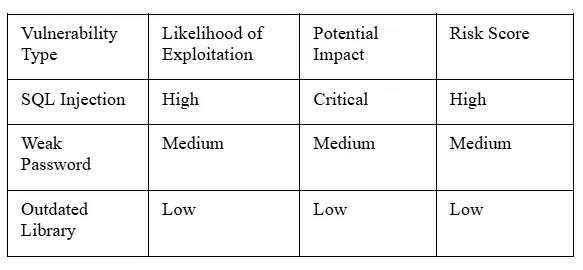
This detailed analysis helps organizations make informed decisions about where to put their security resources, making the whole process much more efficient.
Why white box testing is a must for serious security
If you’re really serious about making your software and systems tough to break, white box testing isn't just a nice to have, it's pretty much required. It gives you an inside look, like an X-ray for your digital assets. This approach helps catch those sneaky attacks that might slip past tests that only look at the outside. It’s about understanding what’s happening under the hood so you can fix problems before bad actors find them. While it takes time and resources, the clarity it provides on your security posture is hard to beat.
When To Choose Specific Penetration Testing Strategies

Choosing the right penetration testing strategy really depends on what you're trying to find and what your goals are. It's not a one-size-fits-all situation, and picking the wrong approach can mean you miss important security holes.
When should you pick black box testing?
Black box testing is your go-to when you want to see how your defenses look from the outside, just like a real attacker would. Think of it as testing your perimeter. It's particularly useful for:
- Checking how well your firewalls and public facing services hold up
- Seeing if your intrusion detection systems actually work when something suspicious happens
- Getting a quick check on your overall security without needing to give testers all the internal details
- Evaluating how your organization responds to an unknown threat
This method is great for simulating external threats and understanding your readiness against attackers who have no prior knowledge of your systems. It gives you a realistic view of your external security posture. You can find out more about these kinds of tests in this guide penetration testing methodologies.
When should you pick white box testing?
White box testing is the way to go when you need to really dig deep and understand your system's internal workings. It's like giving a security expert the keys to the castle and asking them to find every single flaw. You'd typically choose this for:
- Thoroughly checking new software or applications before they go live
- Meeting strict compliance rules that require detailed internal audits
- Investigating a security incident to see exactly how an attacker got in
- Protecting against insider threats or highly focused, sophisticated attacks
- Testing complicated systems where the code and internal logic are key
This approach is fantastic for uncovering vulnerabilities that might be hidden from external view, things that automated scans often miss. It provides a much more detailed look at your internal risks.
Key factors to consider when choosing a penetration testing strategy
Deciding between black box, white box, or even a mix of both involves looking at a few things:
- Your main business objectives: Are you most worried about customer data, protecting your company's secrets, or just keeping your services online? Your priorities will shape your testing focus
- Compliance requirements: Different industries and regions have rules (like PCI-DSS or HIPAA) that might specify certain types of testing or levels of detail needed
- Available resources: White box testing often requires more time and access to internal information, so consider what your team can realistically provide
- The specific assets you want to protect: Are you testing a brand-new web app, an old legacy system, or your physical office space? The target will influence the best method
Ultimately, the goal is to get the most useful information for improving your security. Sometimes, a quick external check is enough. Other times, you need to go deep inside the code. Understanding these differences helps you make a smarter choice about where to focus your security efforts and budget.
Addressing Limitations And Risks In Testing