Getting paid after a concert can feel like the final boss battle of live music. You've got the artists, the venue, the crew, and all the expenses to sort out. It sounds complicated, and honestly, it can be if you're not prepared. This article breaks down some straightforward finance tips to help make sure your concert settlement process is smooth sailing, avoiding any nasty surprises or arguments later on. Let's get your money sorted so you can focus on the next big show.
Understanding Artist Deal Structures
Before you even think about crunching numbers for a concert settlement, you absolutely have to get a handle on how the artist is being paid. It’s not a one-size-fits-all situation, and the deal structure dictates a lot of how the money flows and who takes on what risk. Getting this wrong from the start can lead to some serious headaches down the line, so let's break down the common ways artists get paid.
Clarify flat guarantee arrangements
This is probably the most straightforward deal. With a flat guarantee, the artist gets a set amount of money, no matter how many tickets you sell or how the show actually performs. Think of it like a fixed fee for their appearance. This amount is usually hammered out during negotiations, taking into account the artist's draw, past ticket sales, and what the promoter expects. The main benefit here is predictability for both sides, the artist knows exactly what they're getting, and the promoter knows their biggest expense. However, it also means the artist doesn't get a bonus if the show is a massive hit, and the promoter bears all the risk if ticket sales are low.
Navigate versus deals
A versus deal is a bit more interesting because it's designed to benefit the artist if the show does really well. Essentially, the artist gets paid whichever is higher, a pre-agreed flat guarantee amount, or a specific percentage of the show's net income. Net income usually includes things like ticket sales, and sometimes even merchandise sales. So, if the show sells out and brings in a ton of money, the artist will likely get the percentage cut, which could be more than the initial guarantee. It’s a way to incentivize a strong performance and share in the upside. You'll need to be really clear on how 'net income' is calculated in the contract.
Define guarantee plus percentage deals
This type of deal is a hybrid, offering a bit of security and a chance for more earnings. The artist receives a guaranteed amount upfront, similar to a flat guarantee. But, on top of that, they also get a percentage of the net profits after certain expenses are covered. This means if the concert is a success and generates more revenue than expected, the artist shares in that extra profit. It’s a popular structure because it balances the artist's need for a reliable payday with the promoter's desire to have the artist invested in the show's overall success. Transparency is key here, especially when calculating the net income that the percentage is based on.
Here’s a quick look at how these might play out:
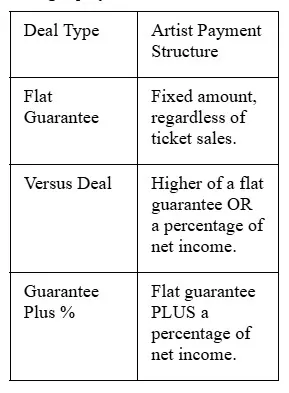
Understanding these structures upfront is the first step to a smooth settlement. It sets the stage for all the financial tracking and reporting that follows.
Preparing The Preliminary Settlement

Getting the preliminary settlement document together is a key step before the main event. It's like a first draft of how the money side of things looks, based on what you know so far. This isn't the final word, but it's super important for making sure everyone's on the same page and to spot any potential money issues early on.
Request an updated deposit report
Before you even start drafting the preliminary settlement, you need to know exactly how much money has come in from deposits. This report should show all the payments received from ticket sales and any other advance payments. It gives you a clear picture of the cash flow up to that point. Don't guess; get the actual numbers. This helps set a realistic baseline for the rest of the settlement process.
Address potential cost overruns
Concerts rarely go exactly as planned, financially speaking. During this preliminary stage, it's wise to look at areas where costs might be creeping up. Maybe the production team is asking for extra equipment, or the travel arrangements ended up being more expensive than first thought. Pointing these out now, even if they're just estimates, allows for discussion and planning. It’s better to flag a potential overspend early than to have it pop up as a surprise later. You can use this time to revisit specific line items and see if there are ways to trim costs or reallocate funds. For instance, if stage lighting costs are higher than expected, you might look at reducing the budget for promotional materials.
Communicate budgetary optimism
While it's important to be realistic about costs, there's also value in highlighting areas where you're coming in under budget. If, for example, venue rental fees were negotiated down, or if you found a more affordable catering option, mention it. This kind of positive financial news can create a more collaborative atmosphere. It shows that you're managing the budget effectively and can help offset concerns about potential overruns elsewhere. Think of it as balancing the books visually for everyone involved. It can also be a good time to discuss any specific expenses you want to keep an eye on as the event gets closer, ensuring you have a clear view of the concert finances.
Here’s a quick look at what might go into a preliminary settlement summary:
- Artist Fee: The agreed upon amount for the artist
- Guaranteed Amount: If applicable, the minimum amount the artist is guaranteed
- Deposit Received: Total advance payments from ticket sales and other sources
- Estimated Expenses: A breakdown of anticipated costs (production, marketing, venue, etc.)
- Projected Net: The estimated remaining balance after expenses
It's important to remember that this preliminary document is a working paper. Its main purpose is to facilitate discussion and identify potential financial sticking points before they become major problems. Treat it as a tool for proactive financial management.
Documenting All Concert Expenses