Making events feel special for everyone who attends is a big deal these days. People expect things to be tailored to them, kind of like how online services suggest things you might like. When an event makes you feel noticed and that your needs are met, it really makes a difference. This article looks at how to create these personalized event experiences to keep people interested and involved.
Key Takeaways
- Personalizing event experiences makes attendees feel valued and more engaged.
- Using pre-event surveys and interactive tools helps tailor content to individual interests.
- Interactive elements like gamification and social media buzz can boost participation.
- Technology, like event apps and platforms, is key to managing personalized interactions at scale.
- Gathering feedback and analyzing data after the event is important for improving future personalized experiences.
Understanding the Importance of Personalized Event Experiences
Think about the last event you went to. Did it feel like it was made just for you, or did it feel like you were just another face in the crowd? Most people want to feel noticed, and that's where personalizing event experiences comes in. Today's attendees, used to getting tailored recommendations online, expect the same level of attention at in-person events. Making people feel seen and heard isn't just a nice-to-have; it's becoming a standard expectation.
Why Personalization Matters for Attendees
When an event feels tailored, attendees are more likely to connect with the content and with each other. It shows you've put thought into their specific needs and interests. This attention to detail can make a big difference in how they perceive the event and the value they get from it. It’s about making them feel like a valued guest, not just a ticket holder.
Meeting Evolving Audience Expectations
Audiences today have grown up with technology that anticipates their needs. They're used to personalized feeds, recommendations, and content. This digital experience has shaped their expectations for all interactions, including events. If an event doesn't offer some level of customization, it can feel outdated or impersonal. Meeting these expectations means paying attention to what individuals want and need.
The Impact of Feeling Seen and Heard
Simply getting someone's name right on their badge can have a surprisingly big impact. When attendees feel recognized and that their presence matters, their overall satisfaction increases. This positive feeling can translate into better engagement during the event and a more favorable impression afterward. It's the small touches that often make the biggest difference in creating a memorable and positive experience.
Strategies for Crafting Personalized Event Content
Making your event feel special for each person who attends is a big deal these days. People expect things to be tailored to them, kind of like how their favorite streaming service knows exactly what show they want to watch next. It’s not just about having good speakers or a nice venue; it’s about making each attendee feel like the event was put together just for them. This means digging into what makes them tick before the event even starts.
Leveraging Pre-Event Surveys for Insights
Before the big day, sending out a few questions can really help you understand what your attendees are hoping to get out of the event. It’s like getting a cheat sheet for making everyone happy. You can ask about their interests, what they hope to learn, or even what kind of networking they’re looking forward to. This information is gold for planning sessions and activities that people will actually care about.
Here’s a quick look at what you might ask:
- What topics are you most interested in learning about?
- Which speakers are you most excited to hear from?
- What are your goals for attending this event?
- Are you interested in networking opportunities? If so, in what areas?
Developing Personalized Agenda Builders
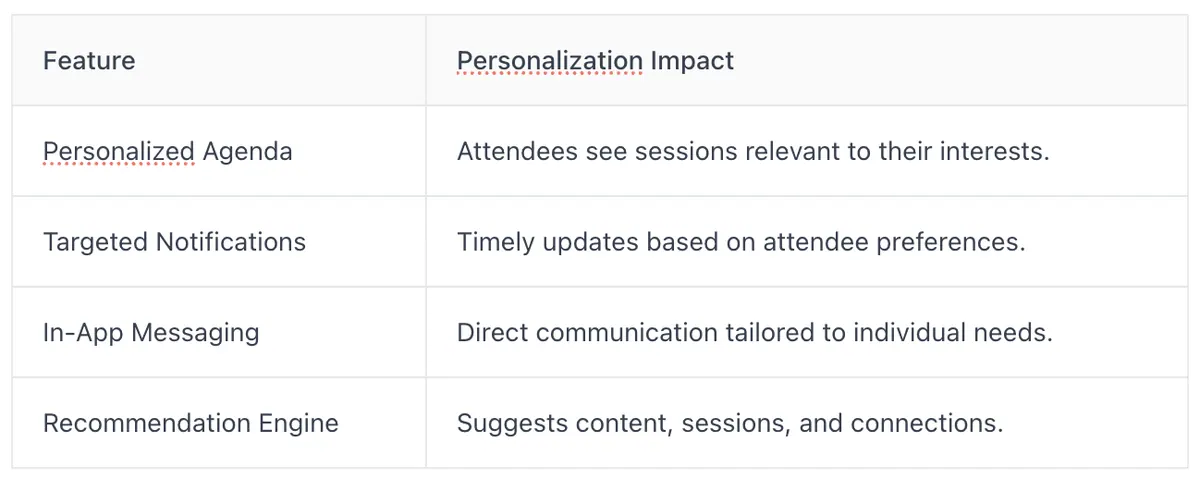
Once you have that info, you can help people build their own schedules. Imagine an event app where someone can pick and choose the sessions that match their interests. This way, they’re not wading through a bunch of stuff that doesn’t apply to them. They get a clear path to the content that matters most, making their time at the event much more productive and enjoyable. It really makes them feel like you’ve thought about their specific needs. This is a great way to boost event engagement from the start.
Creating Content Teasers
To get people excited before the event, share little bits of what’s coming. Think short video clips of speakers, a quick summary of a key session, or even a behind-the-scenes look at event preparations. These teasers build anticipation and give attendees a reason to keep checking back. It’s like giving them a taste of what’s to come, making them more likely to participate fully once they arrive. You can share these across different channels to build a real buzz.
Building excitement through targeted content previews helps attendees feel connected to the event before it even begins, setting the stage for a more involved experience.
Enhancing Engagement Through Interactive Elements
Keeping people interested during an event is key. It’s not enough to just present information; you need ways for attendees to jump in and participate. When people feel like they’re part of the action, they remember the event more and get more out of it. Think about how you can make your event a two-way street, not just a lecture.
Utilizing Gamification for Participation
Gamification turns regular event activities into fun challenges. You can award points for things like visiting sponsor booths, attending sessions, or connecting with other attendees. Leaderboards show who’s earning the most points, creating a friendly competition. This approach makes participation feel rewarding and can encourage people to explore more of what the event offers. It’s a simple way to add a layer of excitement and drive engagement.
Facilitating Social Media Buzz
Encouraging attendees to share their experiences online is a great way to spread the word and build a sense of community. Create a unique event hashtag and remind people to use it when they post photos or thoughts. You can even set up live social media walls at the venue or on your event platform, displaying posts in real-time. This makes attendees feel seen and connected to a larger conversation. It’s a good way to get people talking about your event outside of the actual sessions. Remember, authentic content from attendees often gets more attention than official announcements.
Hosting Live Q&A and Discussion Sessions
Allowing attendees to ask questions directly to speakers or panelists is a powerful engagement tool. You can use dedicated Q&A features within your event platform or app. For a more interactive approach, consider asking attendees to submit questions or even case studies related to the session topic before the event. This not only provides valuable content for the discussion but also makes attendees feel like they’re contributing directly to the event’s learning. It’s a way to make sure the content is relevant and addresses what people are actually curious about. This kind of interaction makes the event feel more personal and responsive.
The Role of Technology in Delivering Personalized Experiences
Think about how much easier life is when things just work for you, right? Technology is the engine that makes personalized event experiences possible on a large scale. It’s not just about sending out a few emails with someone’s name on them; it’s about using smart tools to understand what people want and giving it to them, often before they even realize they want it. This means events feel less like a one-size-fits-all situation and more like a custom-tailored experience for everyone who shows up.
Event Platforms for Scalable Personalization
Modern event platforms are the backbone of personalization. They can handle a lot of the heavy lifting, letting you manage attendee data, segment your audience, and automate communications. Imagine a platform that can automatically suggest sessions based on a person’s stated interests during registration, or send them a reminder about a specific networking event they signed up for. This kind of automation is key to making personalization feel natural, not forced. Tools like XTIX are built to handle these complex needs, integrating with other systems to create a unified view of your attendees.
Integrating Data for Tailored Interactions
Data is the fuel for personalization. When you collect information, from pre-event surveys, past event attendance, or even how people interact with your website, you can use it to shape their experience. This could mean tailoring the content they see on the event app, recommending specific exhibitors, or even adjusting the schedule based on popular demand. It’s about using what you know about an attendee to make their event journey smoother and more relevant. This data-driven approach helps create connections that feel genuine.
Utilizing Event Apps for Customized Content
Event apps have become indispensable. They’re not just digital brochures anymore; they’re interactive hubs. Through an app, you can push personalized notifications, offer tailored content recommendations, and even facilitate one-on-one meetings. For example, an app could show a sponsor’s booth location to someone who has shown interest in their products, or provide a direct link to a speaker’s latest research paper. This level of customization makes the event feel more responsive to each individual's needs and interests, making sure they don't miss out on what matters most to them.