Getting a sponsorship for your esports team or event in Indonesia can feel like a big challenge. But it doesn't have to be. This article will show you how to put together a sponsorship proposal esports that really gets noticed. We'll cover everything from understanding the local scene to showing sponsors exactly what they get for their money. By the end, you'll have a good idea of how to make your proposal stand out and get the support you need.
Key Takeaways
- Know the Indonesian esports world, like what games are popular and who watches them.
- Make your sponsorship proposal esports unique for each company you talk to.
- Use numbers and facts to show sponsors how they will benefit from working with you.
- Create different sponsorship levels with various options for companies to pick from.
- Keep talking with sponsors and build good relationships for the long run.
Understanding the Indonesian Esports Landscape
Indonesia's esports scene is booming, and it's important to understand the key elements before crafting a sponsorship proposal. It's not just about slapping a logo on a jersey; it's about connecting with a passionate audience in a meaningful way. Let's break down some of the critical aspects.
Growth of Mobile Legends: Bang Bang in Indonesia
Mobile Legends: Bang Bang (MLBB) isn't just popular in Indonesia; it's a cultural phenomenon. It's the undisputed king of mobile esports in the country, with millions of active players and viewers. This makes it a prime target for sponsors looking to reach a massive audience. The game's accessibility and engaging gameplay have fueled its rapid growth, especially among younger demographics. Tournaments regularly draw huge crowds, both online and offline. A recent tournament sponsorship proposal even focused on MLBB.
Key Demographics of Indonesian Esports Fans
Understanding who you're trying to reach is just as important as where they are. Indonesian esports fans are a diverse group, but some key characteristics stand out:
- Age: Predominantly Gen Z and Millennials (18-35 years old).
- Location: Primarily urban and suburban areas.
- Interests: Tech-savvy, interested in international trends, and contemporary products.
- Occupation: Students, workers, and job seekers.
These fans are highly engaged and influential within their social circles, making them valuable brand ambassadors. They're active on social media, follow their favorite teams and players closely, and are always on the lookout for the latest trends.
Popular Esports Titles and Tournaments
While MLBB dominates, other esports titles are also gaining traction in Indonesia. Knowing which games are popular and which tournaments draw the biggest crowds is crucial for targeting your sponsorship efforts. Here's a quick rundown:
- Mobile Legends: Bang Bang (MLBB): As mentioned, the undisputed king.
- PUBG Mobile: Another hugely popular mobile title.
- Free Fire: A battle royale game with a large following.
- Dota 2: A classic MOBA with a dedicated fanbase.
Major tournaments like the Mobile Legends Professional League (MPL) Indonesia and various PUBG Mobile Pro League (PMPL) events attract significant viewership and offer excellent brand exposure opportunities.
Crafting a Compelling Sponsorship Proposal Esports

It's time to talk about making your sponsorship proposal shine. You've got to grab attention and show potential sponsors why your esports opportunity is the one they can't miss. It's not just about asking for money; it's about presenting a partnership that benefits everyone involved.
Tailoring Your Proposal to Specific Sponsors
Don't send out the same generic proposal to every company. Do your homework! Understand each sponsor's goals, target audience, and marketing strategies. A well-crafted sponsorship proposal speaks directly to their needs. Show them you get what they're about, and how your esports event can help them achieve their objectives. For example, if you're approaching a tech company, highlight the innovative aspects of your event and the tech-savvy audience you attract. If it's a food brand, focus on the potential for product placement and sampling opportunities.
Highlighting Unique Selling Propositions
What makes your esports event different? What can you offer that others can't? This is your unique selling proposition (USP). Maybe it's the specific game you're focusing on, the community you've built, or the innovative ways you're engaging with fans. Whatever it is, make it clear and compelling. Don't be afraid to brag a little (but back it up with data!).
- Exclusive access to players
- Unique in-game branding opportunities
- A highly engaged and loyal fan base
Structuring Your Sponsorship Proposal
Presentation matters. A well-structured proposal is easy to read and understand. Start with a strong introduction that grabs the sponsor's attention. Clearly outline the benefits of sponsoring your event, the different sponsorship tiers available, and how you'll measure the return on investment. Include visuals, such as photos and videos, to bring your event to life. Make sure your contact information is easy to find, and always include a call to action. Here's a basic structure to follow:
Executive Summary: A brief overview of your event and the sponsorship opportunity. About Us: Introduce your organization and your experience in esports. Event Details: Provide information about the event, including the date, location, and target audience. Sponsorship Packages: Outline the different sponsorship tiers and the benefits associated with each. Investment: Clearly state the cost of each sponsorship package. Contact Information: Make it easy for sponsors to get in touch with you.
Showcasing Value Through Data and Analytics
It's not enough to just promise results; you need to prove you can deliver. Sponsors want to see the numbers, and in today's world, data is king. This section is all about backing up your claims with hard evidence.
Leveraging Audience Engagement Metrics
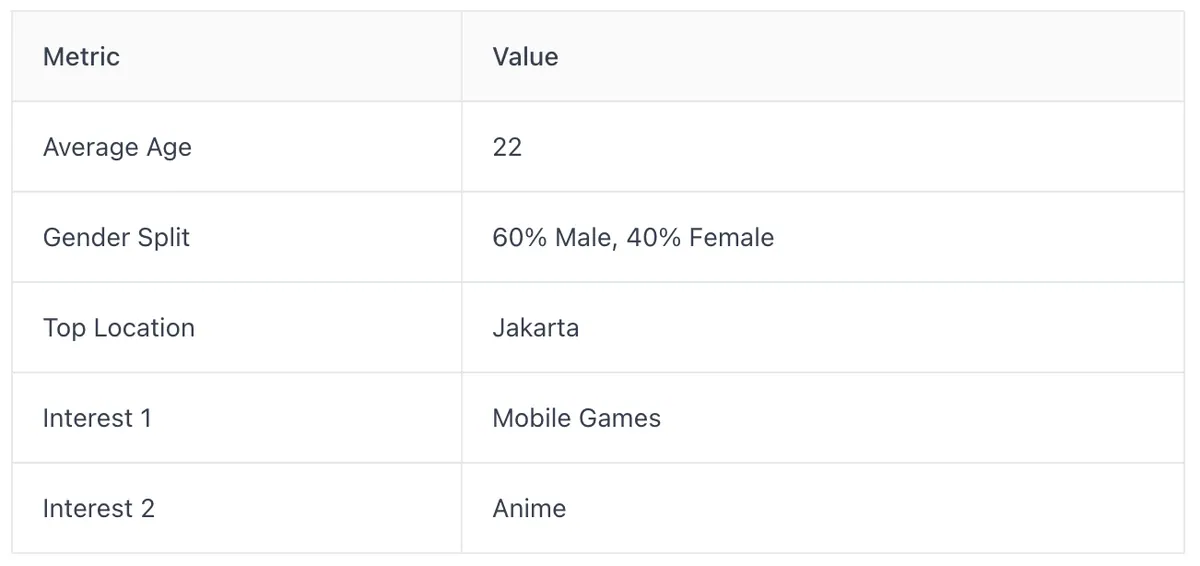
Knowing your audience is key, and being able to show sponsors exactly who they'll be reaching is even better. Don't just say you have a large following; break it down. What's their age range? Where are they located? What are their interests? The more specific you can be, the better. This level of detail helps sponsors determine if your audience aligns with their target market.
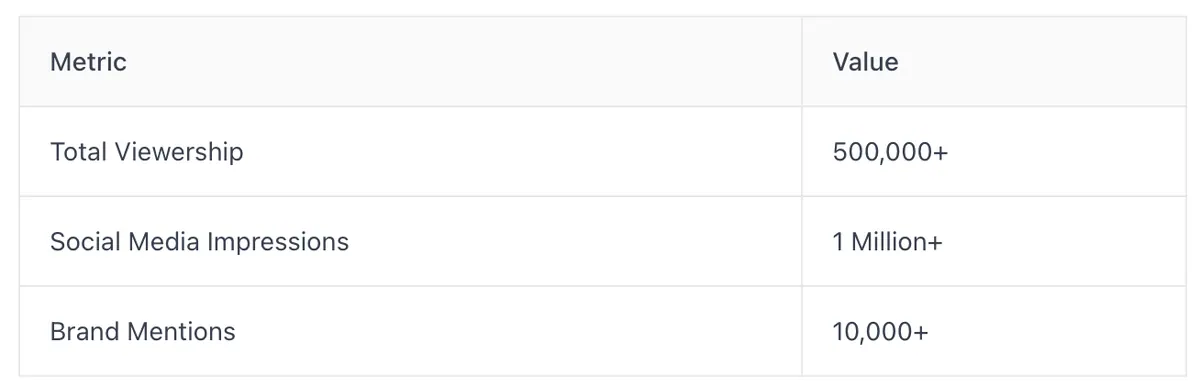
Here's an example of how you could present this data:
Demonstrating Brand Exposure Potential
How will sponsoring your team or event translate into actual brand exposure? This is what sponsors really care about. Think beyond just logo placement. Consider things like social media mentions, website traffic, and media coverage. Quantify everything you can. For example, estimate the number of impressions their logo will receive during a broadcast or the number of social media shares a sponsored post will generate. Make sure to highlight the potential for Indonesia's esports market growth.
Measuring Return on Investment for Sponsors
Ultimately, sponsors want to know if their investment will pay off. This is where you need to get creative and think about how you can measure the ROI. Can you track website visits from viewers who saw their ad during a stream? Can you offer unique promo codes that allow you to track sales generated through the sponsorship? The more concrete you can be, the more appealing your proposal will be.
It's important to be realistic with your projections. Overpromising and underdelivering is a surefire way to damage your relationship with a sponsor. Be transparent about your methodology and acknowledge any potential limitations. Honesty builds trust, and trust is essential for long-term partnerships.
Developing Tiered Sponsorship Packages
It's a good idea to have different levels of sponsorship. Think of it like buying a car, some people want all the bells and whistles, while others just need something to get them from A to B. Sponsorships are the same. You want to have something for everyone, from the small local business to the big national brands.
Defining Clear Sponsorship Levels
Okay, so you need levels. Most people go with three: Bronze, Silver, and Gold. But you can get creative! Maybe you call them "Beginner," "Intermediate," and "Godlike" if it fits the esports theme. The important thing is to make it super clear what each level gets. Don't make sponsors guess what they're paying for.
Maximizing Sponsor Visibility and Engagement
Pre-Event Promotional Strategies
Getting sponsors noticed before the main event is key to a successful partnership. It's about building anticipation and making sure everyone knows who's supporting the esports scene. Here's how:
- Social Media Blitz: Run targeted campaigns showcasing sponsors on platforms like Instagram, TikTok, and Facebook. Think engaging content, not just logos.
- Influencer Collaborations: Partner with popular gaming influencers to promote sponsors' brands to their dedicated audiences.
- Early Bird Giveaways: Offer exclusive merchandise or in-game items branded with sponsor logos to early registrants or ticket buyers.
Pre-event promotion is not just about slapping a logo on a poster; it's about weaving sponsors into the narrative of the event itself, creating a sense of shared excitement and anticipation.
In-Game and Broadcast Product Placement
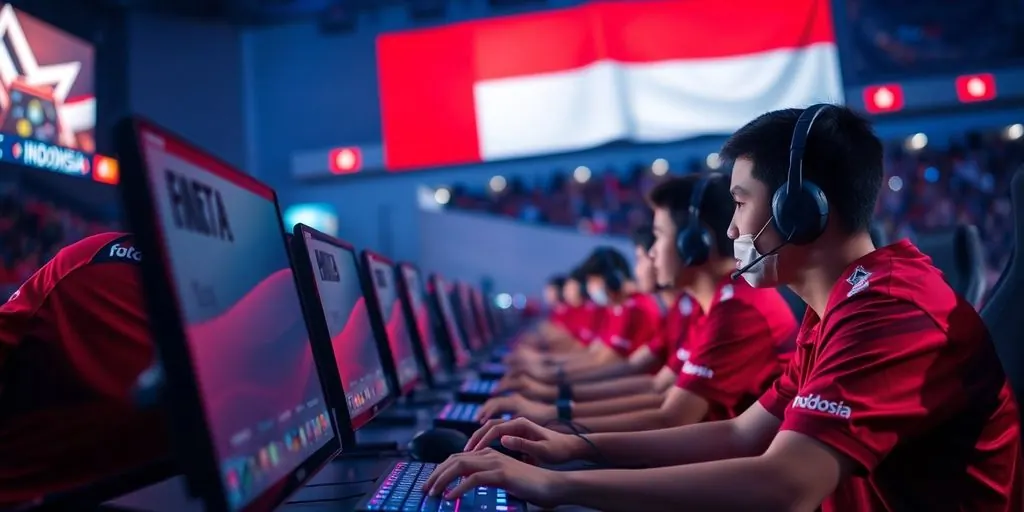
During the event, visibility is paramount. It's about integrating sponsors into the viewing experience without being intrusive. Think subtle but effective.
- Strategic Logo Placement: Display sponsor logos on in-game banners, character skins, or loading screens.
- Broadcast Integration: Feature sponsors in broadcast segments, such as analyst desks, replays, and post-match interviews.
- Interactive Overlays: Incorporate sponsor branding into interactive overlays during live streams, allowing viewers to engage with the brand in real-time.
Emotional engagement sets sponsorships in sports apart from other forms of advertising. MOONTON Games leveraged data-driven insights to boost brand visibility.
Post-Event Recognition and Reporting
Don't let the momentum die after the event ends. Post-event recognition and reporting are crucial for demonstrating value and securing future partnerships.
- Thank You Shout-Outs: Publicly thank sponsors on social media and in post-event press releases.
- Highlight Reels: Create highlight reels showcasing sponsor involvement and brand exposure during the event.
- Detailed Performance Reports: Provide sponsors with comprehensive reports detailing key metrics, such as viewership numbers, social media engagement, and brand mentions.