You know, planning an event can feel like a juggling act. You're trying to make sure everyone has a good time, that the budget stays in check, and that people actually show up. It’s a lot. But what if I told you there's a way to make all of that, and more, a little bit easier and a lot more effective? It all comes down to using data. Instead of just guessing what works, we can look at actual numbers to guide our decisions. This approach helps us create events that really hit the mark and give us a good return on our effort and money. Let's talk about how getting smart with data can lead to some serious data-driven event success.
Key Takeaways
- Understand what event data is and how analyzing it helps you learn from your events, not just collect information.
- Using data helps you know your attendees better, use your money and resources wisely, and create marketing that actually works.
- Data can guide you before an event, help you make changes during it, and show you how well it performed afterward.
- Be aware of challenges like keeping data private and making sure the information you have is accurate.
- Use what you learn from data to show how your event helped the business and to improve future events.
Understanding Event Data and Analytics

Let's talk about event data and what we do with it. Think of event data as all the little bits of information you gather before, during, and after an event. This could be anything from who registered, what sessions people attended, how long they stayed logged in for a virtual event, or even how many people visited a specific booth at a physical conference. It’s the raw material, the stuff you collect.
What Constitutes Event Data?
Event data is pretty broad. For a virtual event, it might include login times, participation in chat features, poll responses, and download counts for resources. For an in-person event, it’s more about physical attendance numbers, badge scans at sessions, booth visits, and maybe even feedback forms collected on-site. The type of event really shapes what data you can get.
The Core of Event Data Analytics
Now, event data analytics is where things get interesting. This is the process of actually looking at that collected data and trying to make sense of it. It’s not just about having the numbers; it’s about finding patterns, seeing what worked well, and figuring out what didn’t. The goal is to turn that raw information into useful knowledge. For example, seeing that a particular speaker consistently had high attendance might tell you something about what your audience is interested in.
Distinguishing Data Collection from Insight Generation
It’s important to see the difference here. Data collection is just gathering the facts, like a list of attendees. Data analytics is what you do with those facts. It’s the analysis that leads to insights. You could collect feedback forms from everyone, but without analyzing them to find common themes or suggestions, that data doesn't really help you improve anything. It’s like having a pile of ingredients but not knowing how to cook a meal.
Here’s a simple way to look at the difference:
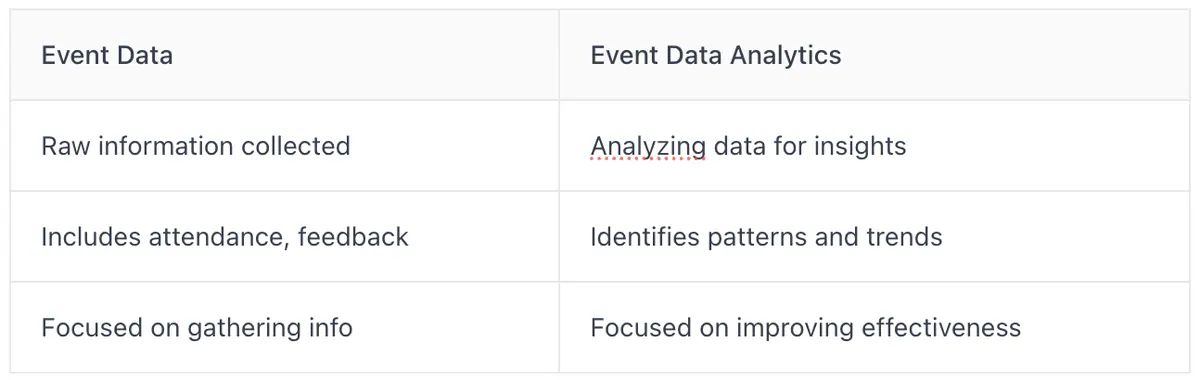
You might be collecting a lot of data, but if you're not analyzing it, you're missing out on chances to make your events better and understand your attendees more deeply.
The Transformative Benefits of Data-Driven Event Success
Moving beyond just counting heads, using data to understand your events is a game-changer. It’s not just about knowing how many people showed up; it’s about understanding why they came, what they did, and what they got out of it. This kind of insight helps you make your next event even better, and frankly, more profitable. When you really dig into the numbers, you start seeing patterns that can completely change how you plan and execute.
Deepening Attendee Understanding
Think about your attendees not just as numbers, but as individuals with specific needs and interests. Data lets you get a clearer picture of who they are. You can see what sessions they signed up for, which booths they visited, and even how long they stayed engaged with your virtual content. This information is gold for tailoring future events. For instance, if data shows a particular workshop was a huge hit, you know to offer more like it. It’s about making attendees feel seen and understood, which naturally leads to better engagement and loyalty. We can use this to improve sports event analytics by understanding fan behavior.
Optimizing Resource Allocation
Ever feel like you're guessing where to put your budget? Data takes the guesswork out of it. By analyzing attendance numbers for different sessions or the traffic flow in different areas of your venue, you can make smarter decisions about staffing, catering, and even booth placement. If one part of your event consistently draws a crowd, maybe it needs more resources next time. Conversely, if a certain area is always quiet, you can reallocate those funds to where they’ll have a bigger impact. This smart allocation means less waste and more bang for your buck.
Crafting Targeted Marketing Strategies
Forget generic marketing blasts. With event data, you can segment your audience and send them messages that actually matter to them. If you know certain attendees are interested in a specific topic, you can send them targeted emails about related sessions or speakers. This personalized approach is much more effective than a one-size-fits-all campaign. It means your marketing efforts are more efficient, reaching the right people with the right message at the right time, which can really boost your event marketing ROI.
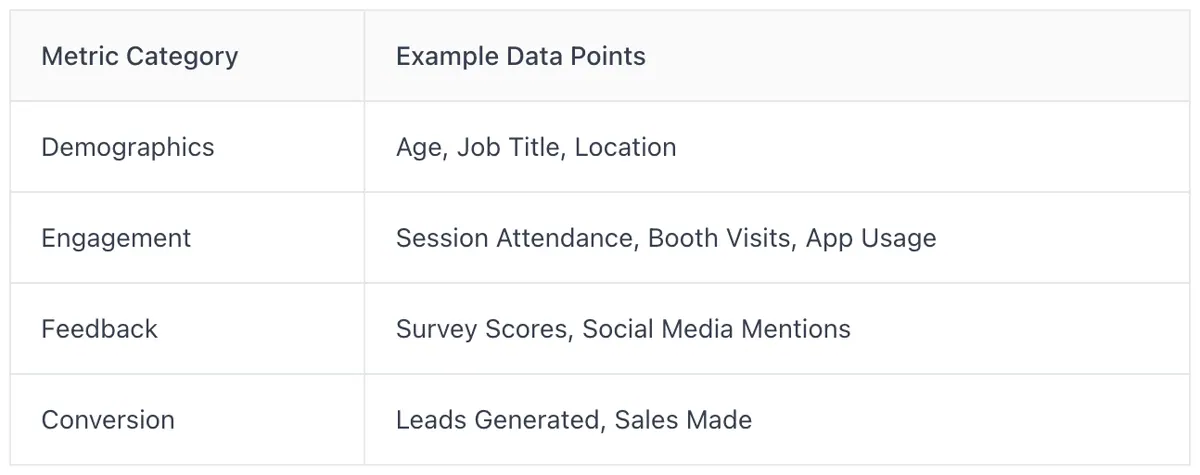
Using data helps you move from hoping an event is successful to knowing it will be. It’s about making informed choices that directly impact your event’s outcomes and your organization’s goals.
Leveraging Analytics Throughout the Event Lifecycle
Using data analytics isn't just for after the event is over; it’s a tool you can and should use at every stage. Think of it like a compass for your event planning journey. It helps you make smarter choices from the very beginning, adjust things on the fly, and really understand what worked (and what didn't) when it's all said and done.
Informed Pre-Event Planning
Before you even send out the first invitation, data can tell you a lot. Looking at past event attendance numbers, what sessions were most popular, or even where attendees came from can guide your decisions. For example, if data shows that attendees from a certain region consistently engage more, you might focus more marketing efforts there. You can also use past feedback to decide on the types of speakers or topics that tend to draw a crowd. It’s about using what you’ve learned to set your next event up for success.
Real-Time Event Adjustments
Once the event is happening, data keeps flowing in. This is where you can really make things happen in the moment. If you see a particular session is unexpectedly packed, you might be able to open up more seating or even stream it to another room. If registration for a workshop is low, maybe you can send out a last-minute reminder. Being able to react to live data can significantly improve the attendee experience. It’s about being agile and responsive to what’s actually going on.
Post-Event Performance Evaluation
After the event wraps up, the data analysis really kicks into high gear. This is where you get the full picture. You’ll look at everything from attendance figures and session feedback to social media mentions and lead generation. This information is gold for understanding your event's overall success and its impact on your goals. Creating structured post-event reports helps consolidate these findings, making it easier to see what went well and where there’s room for improvement next time. It’s the foundation for making your future events even better.
Navigating Challenges in Event Data Analysis
While the idea of using data to make your events better sounds great, actually doing it can be tricky. It’s not always straightforward, and you’ll run into a few bumps along the way.
Ensuring Data Privacy and Security
First off, you’ve got to be really careful with people’s information. When you collect data, you’re responsible for keeping it safe and private. This means following rules like GDPR, which are there to protect attendees. You need to think about how you store data, who can see it, and how long you keep it. Making sure you have strong security measures in place is non-negotiable. It builds trust, and without trust, people won’t feel comfortable sharing their information.
Integrating Analytics with Existing Systems
Another hurdle is getting your new analytics tools to talk to the systems you already use. Maybe you have a CRM, a registration platform, or marketing software. Getting all these to share data smoothly can be a real headache. If the systems don’t connect well, you end up with data silos, making it hard to get a complete picture. You might need to look into event tracking and analysis solutions that can bridge these gaps.
Addressing Data Quality and Accuracy
Finally, there’s the issue of the data itself. Is it good data? Garbage in, garbage out, as they say. You need to make sure the information you’re collecting is correct and complete. Inaccurate data can lead to bad decisions, which is the opposite of what you want. This means setting up clear processes for data entry and regularly checking for errors.
Dealing with these challenges isn't just about following rules; it's about making your data work for you, not against you. It requires planning and attention to detail.
Here’s a quick look at common data issues:
- Incomplete Records: Missing contact details or registration info.
- Duplicate Entries: The same person listed multiple times.
- Outdated Information: Old email addresses or phone numbers.
- Inconsistent Formatting: Dates or names entered in different ways.
Maximizing Event ROI with Data Insights

Forget just counting heads; the real game-changer for events today is proving their worth through solid numbers. We're talking about the return on investment (ROI), and how effectively your event actually brings in leads, boosts sales, and makes your brand look good. The secret sauce? It’s all about data. Using data lets you make smarter choices at every step, from picking the venue to sending follow-up emails. You can create experiences people actually enjoy, get more people to sign up, and show everyone involved that the event was a real win for the company's bank account.
Demonstrating Event Impact on the Bottom Line
Showing how an event contributes to the company's financial success is key. It's not enough to say people showed up; you need to connect event activities directly to business results. This means tracking things like how many potential customers (leads) came from the event and how many of those eventually bought something. By linking your event management system with your customer relationship management (CRM) software, you can follow a lead from the moment they registered for your event all the way through the sales process until they become a paying customer. This creates a clear path, so you know exactly which events are driving sales and can give credit where it's due. It’s about presenting hard facts that show your event’s financial contribution.
Tracking Leads Through the Sales Funnel
Once you have leads from an event, the next step is to see how they move through the sales process. This involves understanding where each lead is in their journey, from initial interest to becoming a loyal customer. You can set up specific criteria to qualify leads based on their behavior at the event. For instance, how long someone spent at a particular booth or which sessions they attended can indicate their level of interest. By assigning scores or weights to these actions, you can better prioritize which leads sales teams should focus on. This targeted approach means sales reps can connect with the most promising prospects quickly, armed with information about their interests, making the sales conversation much more effective.
Attributing Success to Specific Event Components
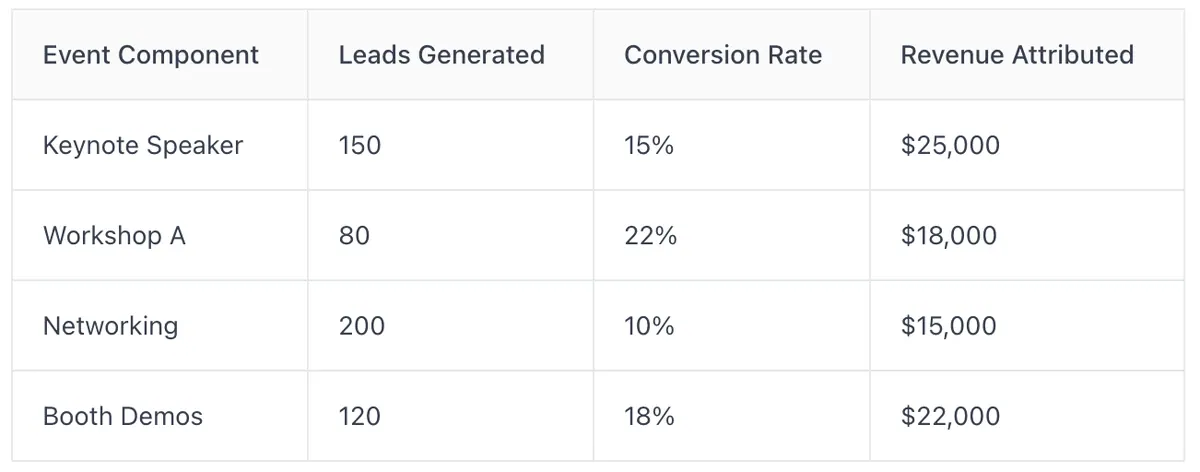
It’s also important to figure out which parts of your event were the most successful. Was it the keynote speaker? A specific workshop? The networking reception? By collecting data on attendee engagement with different sessions or activities, you can identify what truly resonated with your audience. For example, you might track attendance numbers for each session, gather feedback through surveys, or monitor social media mentions related to specific topics. This information helps you understand what worked well and what could be improved for future events. Knowing which components drive the most engagement and lead generation allows you to allocate resources more effectively and replicate successful elements in your next event, ultimately boosting your overall ROI.