Ever bought a ticket online, only to find a bunch of extra fees tacked on at the very end? It's frustrating, right? Those hidden charges can really make you think twice about hitting 'buy.' Turns out, businesses often lose sales because they aren't clear about their prices. But what if being super open about costs could actually help you sell more and build real trust with customers? Let's look at why being upfront with prices, especially with transparent service fee structures in ticketing, is a game-changer for any business.
Key Takeaways
- Clear pricing helps build customer trust, which leads to more sales.
- Showing all costs upfront makes customers feel more confident and helps them decide easily.
- Simple pricing plans can reduce the number of customers who leave.
- When you price based on what your product is worth, your income becomes more steady.
- Using different price levels helps you fit different customer needs and make more money.
Transparent Service Fee Structures in Ticketing Build Trust

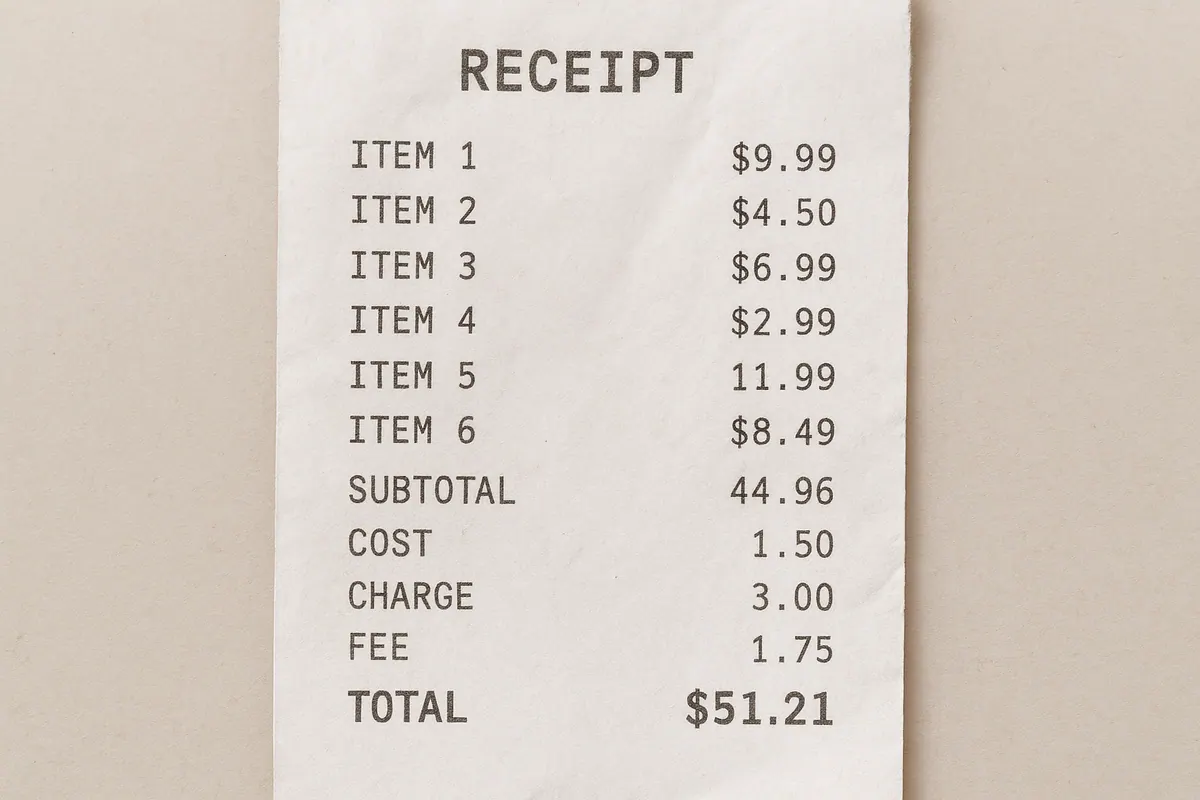
Ticketing can be a minefield of hidden costs. You see a price advertised, get excited, and then BAM! Service fees, processing fees, facility fees... it all adds up. This erodes trust faster than you can say "convenience charge." Being upfront about these fees isn't just good practice; it's a competitive advantage. Customers are tired of the bait-and-switch. They want to know exactly what they're paying for, right from the start.
Clear Pricing Builds Trust, And Trust Converts
Nearly 4 in 10 startups saw their conversion rates improve just by making pricing clearer. They didn’t change the price. They didn’t even change the product. They simply made it easier to understand. Transparent pricing removes doubt. When prospects land on your site, they’re trying to answer one question: “Can I trust this?” If pricing is hidden, vague, or requires a call to understand, many will leave. Clarity in pricing signals confidence. It tells customers, “We believe in what we offer, and we’re not afraid to show it.”
Why Clarity Converts Better
Think about buying tickets online. You find an event, click through, and then get hit with a bunch of extra charges at the checkout. It's frustrating, right? It makes you wonder what else they're hiding. Clear pricing eliminates that hesitation. People are more likely to buy when they know exactly what they're getting and how much it costs. It's about respect and honesty.
Making Pricing a Product Feature
Instead of hiding fees, make your transparent pricing a selling point. Highlight it! Show customers that you're different from the competition. Maybe even offer a breakdown of where the fees go, are they for venue upkeep, artist support, or platform maintenance? This level of detail can turn a potential negative into a positive. Consider adding a section to your website dedicated to explaining your service fee structures.
Transparent pricing isn't just about avoiding complaints; it's about building a long-term relationship with your customers. It shows that you value their trust and are committed to providing a fair and honest service. This can lead to increased loyalty and repeat business.
The Power of Upfront Pricing Disclosure
Removing Doubt Through Openness
When you hide your prices or make them hard to find, you're basically telling potential customers that you don't trust them. Upfront pricing disclosure is about building trust from the very first interaction. It's about saying, "Here's what it costs, no secrets, no surprises." This approach can really change how people see your business. Think about it: how many times have you left a website because you couldn't find the price of something? It's frustrating, right?
Empowering Customer Decisions
Giving people all the information they need to make a choice is empowering. When your pricing is clear, customers can decide if your product or service fits their budget and needs without having to jump through hoops. This not only makes them feel respected but also speeds up the sales process. No one likes feeling like they're being tricked or that information is being withheld. Transparency shows respect for the customer's time and intelligence.
Meeting Modern Buyer Expectations
These days, people expect transparency. They're used to finding information online instantly, and they don't have the patience for companies that play games with pricing. If your competitors are upfront about their costs and you're not, guess who the customer is going to choose? It's not just about being nice; it's about staying competitive in a world where information is king. Think of it this way:
In today's market, hiding your prices is like hiding your product. Customers want to know what they're getting into before they commit, and if you're not willing to show them, they'll simply move on to someone who is.
Simplifying Pricing Reduces Customer Churn

It's easy to blame the product or support when customers leave, but often, confusing pricing is the real issue. When people don't understand what they're paying for, or worry about hidden costs, they lose trust, and churn increases. Nearly 40% of founders saw churn drop after they simplified their pricing.
Why Simple Pricing Works
Simple pricing builds confidence. Customers can make decisions quickly without guessing which tier they need or worrying about unpredictable charges. When pricing is straightforward, customers are more likely to stay longer and upgrade more easily. It's about removing friction and making the buying process as smooth as possible. This is why it's important to clearly communicate the value of your product.
How to Simplify Without Sacrificing Value
Simplicity doesn't mean offering only one plan. It means making the choices obvious. Here's how to make it work:
- Reduce the number of tiers: Fewer choices can be better.
- Remove fine print: Be upfront about all costs and conditions.
- Create clear feature breakdowns: Show exactly what each plan includes.
By simplifying pricing, you're not just making it easier for customers to understand what they're paying for; you're also building a foundation of trust. This trust translates into increased customer retention and reduced churn, ultimately benefiting your bottom line.
The Impact of Clear Choices
Clear choices empower customers. They feel in control when they understand what they're getting and why. To ensure clarity, ask yourself:
- Is the pricing easy to find and understand?
- Are the features of each plan clearly defined?
- Do they know what happens if they hit a limit?
Value-Based Pricing Drives Predictable Revenue
Stop Guessing, Start Pricing Based on Value
So many companies just guess at pricing. They look at what competitors are doing, or they just pick a number that feels right. But that's a recipe for disaster. Value-based pricing is different. It's about figuring out what your product is actually worth to your customers. What problems does it solve? How much money does it save them? Once you know that, you can set a price that reflects that value.
What is Value-Based Pricing?
Value-based pricing isn't about what you want to charge. It's about what your customer is willing to pay to get rid of a pain point. Think about it this way: if your software automates a task that used to take someone 20 hours a week, how much is that time worth to the company? That's the kind of value you need to be thinking about. It's about aligning your price with the outcomes you deliver, not just the features you offer.
Aligning Price with Perceived Worth
It's not enough to just know the value you provide. You have to communicate it effectively. If customers don't understand how your product benefits them, they won't be willing to pay a premium price. This means clearly articulating the ROI of your product, using case studies, and providing data to back up your claims. Make sure your sales team is trained to sell on value, not just features.
Think of pricing as a signal. A low price can signal low quality, even if your product is amazing. A high price, on the other hand, can attract customers who are serious about solving their problems and are willing to pay for the best solution.
Tiered Pricing Optimizes Customer Fit and Revenue
Tired of leaving money on the table or losing customers because your pricing doesn't quite fit? Tiered pricing might be the answer. It's all about offering different packages at different price points, allowing customers to choose what best suits their needs and budget. This approach can lead to increased revenue and happier customers. It's a win-win, really.
Tiered Pricing Turns Flexibility into Revenue
Tiered pricing acknowledges that not all customers are the same. Some need basic features, while others require advanced capabilities. By offering different tiers, you cater to a wider range of needs and budgets. This flexibility can translate directly into increased revenue, as customers are more likely to find a plan that fits their specific requirements. Nearly half of companies who moved away from flat pricing and introduced tiers saw revenue go up. Why? Because not every customer needs, or wants, the same thing. Flat pricing treats every customer like they’re identical. But in reality, customers vary by size, budget, and goals. Tiered pricing gives them choices. It lets them pick what fits.
The Power of Customer Self-Selection
One of the biggest advantages of tiered pricing is that it empowers customers to self-select the plan that's right for them. This reduces friction in the sales process and helps leads move faster through the funnel. It also creates clear upgrade paths over time, encouraging customers to move to higher tiers as their needs grow. It says, “Here’s what we offer. You choose what’s best for you.”
Tiered pricing isn't just about offering different features; it's about providing different levels of value. By carefully crafting each tier to meet the needs of a specific customer segment, you can increase customer satisfaction and drive revenue growth.
Creating Clear Upgrade Paths
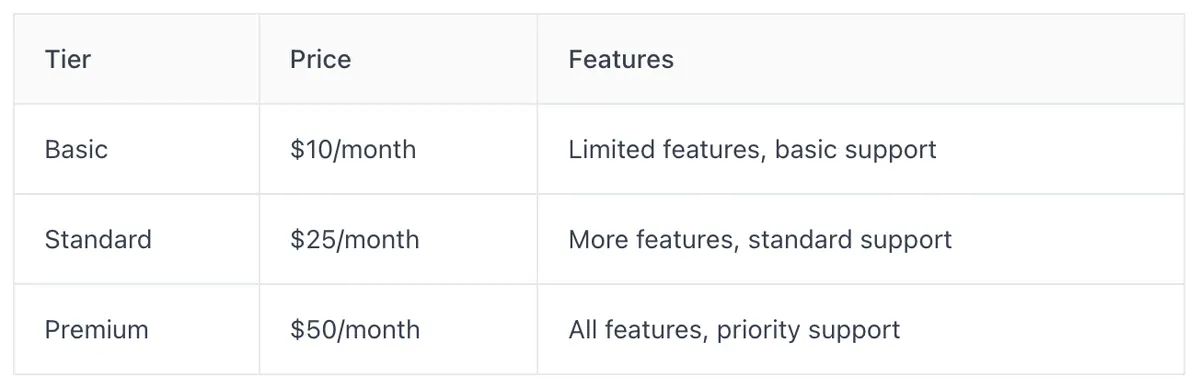
To make tiered pricing truly effective, it's essential to create clear and compelling upgrade paths. Customers should easily understand the benefits of moving to a higher tier and see the value in doing so. This can be achieved by offering additional features, increased usage limits, or priority support in higher tiers.
Here's a simple example of how tiered pricing might look: