Picking the right ticketing partner for your event can feel like a big deal. It really sets the tone for how smooth everything runs, from when people buy their tickets to when they actually show up. This article is all about helping you figure out what to look for so you can choose ticketing partner that’s perfect for your event, making sure things go off without a hitch.
Key Takeaways
- Always check for all fees upfront; some platforms have hidden charges that add up fast.
- Make sure the platform has features like online sales and mobile tickets, because everyone expects that now.
- Think about how well the ticketing system can grow with your event, especially if you plan on getting bigger.
- Good customer support from your ticketing partner is super important for when things go wrong.
- A platform that lets you brand your tickets and pages helps keep your event looking professional and consistent.
Understanding Ticketing Platform Costs
Before diving into all the cool features a ticketing platform provides, it's super important to get a handle on the costs. Different platforms have different ways of charging, and you don't want any surprises popping up later on. Let's break down the common pricing models so you can budget like a pro.
Per-Ticket Fees Explained
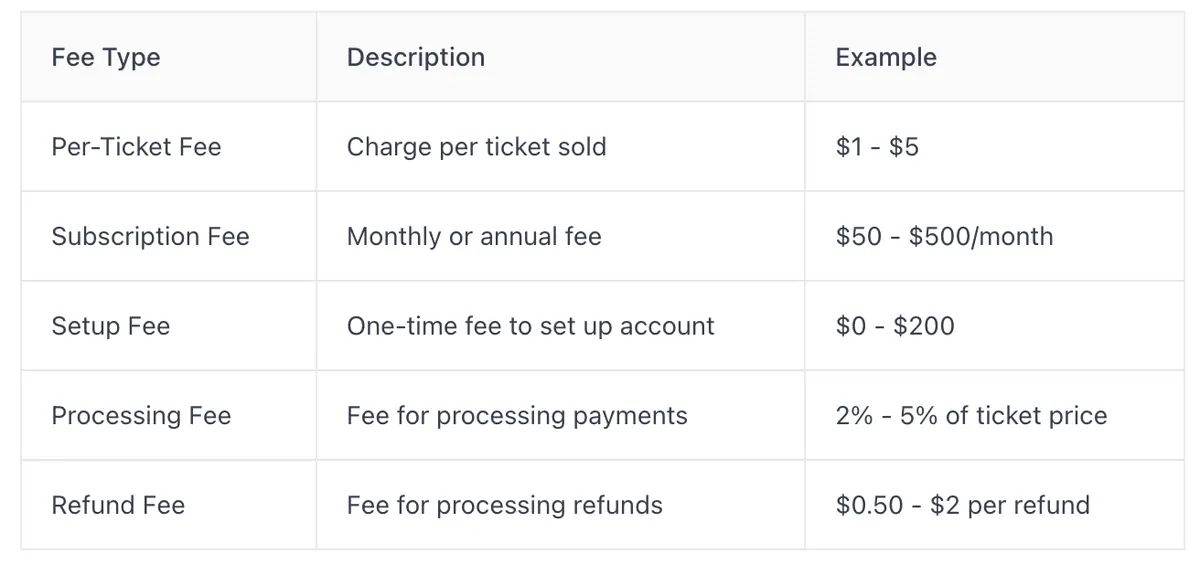
This is probably the most common and straightforward way ticketing platforms charge. They take a fixed fee for every single ticket you sell. Think of it like this: if the platform charges $1.50 per ticket, and you sell 200 tickets, you'll owe them $300. Easy peasy, right? This model is simple to understand, but it can add up, especially if you're expecting a big crowd. It's worth doing the math to see if this makes sense for your event size.
Subscription Models and Setup Charges
Some platforms operate more like a subscription service. They might charge a monthly or yearly fee, regardless of how many tickets you actually sell. This can be a good deal if you run events regularly, but if you only do something once in a blue moon, it might not be worth it. Also, watch out for setup charges! Some platforms might charge a one-time fee to get your account up and running. Make sure you factor all of these costs into your decision.
Hidden Fees and Unexpected Expenses
Okay, this is where things can get a little tricky. Always, always read the fine print. Some platforms have hidden fees that aren't immediately obvious. These could include fees for processing refunds, fees for using certain payment gateways, or even fees for exceeding a certain number of tickets.
It's a good idea to ask the ticketing platform for a complete breakdown of all potential costs before you sign up. Don't be afraid to ask questions and clarify anything that seems unclear. You want to know exactly what you're getting into before you commit.
Here's a quick table to illustrate potential costs:
Essential Features for Event Success
Seamless Online Ticket Sales
The ability to sell tickets online is, obviously, a must-have. It's not just about having a website; it's about making the purchase process smooth and easy for your attendees. Think about it: nobody wants to jump through hoops just to buy a ticket. The easier it is, the more likely people are to actually complete the purchase. This includes having a clear call to action, a simple checkout process, and the ability to handle a high volume of traffic without crashing. You need a system that can handle the load, especially when you first announce your event and everyone rushes to buy tickets.
Convenient Mobile Ticketing Options
Mobile ticketing is no longer a luxury; it's an expectation. People want to be able to buy tickets on their phones, store them on their phones, and present them at the entrance using their phones. It's all about convenience.
Here's what to look for:
- Mobile-friendly website: Your ticketing platform needs to work well on all devices, especially mobile.
- Digital wallets: Integration with digital wallets like Apple Pay and Google Pay makes it even easier for people to buy tickets on the go.
- Mobile ticket storage: Attendees should be able to store their tickets in a digital wallet or app, eliminating the need for paper tickets and helping event registration run smoothly.
Mobile ticketing isn't just about convenience for attendees; it also helps streamline the entry process. Scanning tickets from a phone is much faster than dealing with paper tickets, which means shorter lines and happier attendees.
Reserved Seating Capabilities
If your event has assigned seating, then reserved seating capabilities are a must. Letting people choose their seats is a huge plus, and it can even allow you to charge more for better seats.
Consider these points:
- Interactive seating maps: An interactive map that shows available seats is key. People want to see where they'll be sitting before they buy.
- Different price tiers: You should be able to set different prices for different sections or seats.
- Easy seat selection: The seat selection process should be intuitive and easy to use, even on mobile devices. This is critical for user satisfaction.
Advanced Ticketing Platform Functionality
Robust Reporting and Analytics
Having solid reporting and analytics is a game-changer. It's not just about selling tickets; it's about understanding what you're selling and who is buying. You need to be able to track sales trends, identify your most popular ticket types, and see where your attendees are coming from. This data helps you make smarter decisions about marketing, pricing, and even future event planning. For example, if you see a spike in sales after a particular social media campaign, you know to invest more in that strategy. It's all about using data to drive results. Effective event management software can help you track all of this.
CRM System Integration
Integrating your ticketing platform with a CRM (Customer Relationship Management) system can seriously streamline your operations. Instead of having attendee data scattered across different platforms, you can keep everything in one place. This makes it easier to personalize your marketing efforts, track customer interactions, and provide better customer service. Imagine being able to see a customer's entire purchase history, including past events they've attended and any feedback they've provided. That's the power of CRM integration. It's about building relationships and creating a more personalized experience for your attendees.
Customizable Branding for Events
Your ticketing platform is an extension of your brand, so it should look and feel like it. Customizable branding allows you to tailor the platform to match your event's aesthetic, creating a cohesive and professional experience for your attendees. This includes things like adding your logo, using your brand colors, and customizing the overall design of the ticketing pages. When attendees see a branded ticketing experience, it reinforces your event's identity and builds trust. It's a small detail that can make a big difference in how your event is perceived.
Think of your ticketing platform as a virtual storefront. You want it to be inviting, easy to navigate, and reflective of your brand. Customization is key to creating that positive first impression.
Optimizing Event Management with Ticketing

Streamlining Event Operations
Ticketing platforms do way more than just sell tickets; they can seriously cut down on the chaos behind the scenes. Think about it: automated check-ins, real-time attendance tracking, and less need for manual data entry. This means fewer headaches and more time to focus on making your event awesome. It's about making things easier, not harder.
- Automated check-in processes.
- Real-time attendance monitoring.
- Reduced manual data entry.
Enhancing the Attendee Experience
Let's be real, nobody likes waiting in long lines or dealing with complicated ticketing processes. A good ticketing system can make the whole experience smoother for your attendees. Mobile ticketing, easy online purchases, and clear communication can make a huge difference. Plus, you can use the platform to send out important updates and reminders, keeping everyone in the loop.
A positive attendee experience starts way before the event itself. It begins with the ease of purchasing tickets and continues through seamless entry and access to information. A well-implemented ticketing system is key to making this happen.
Effective Event Marketing Tools
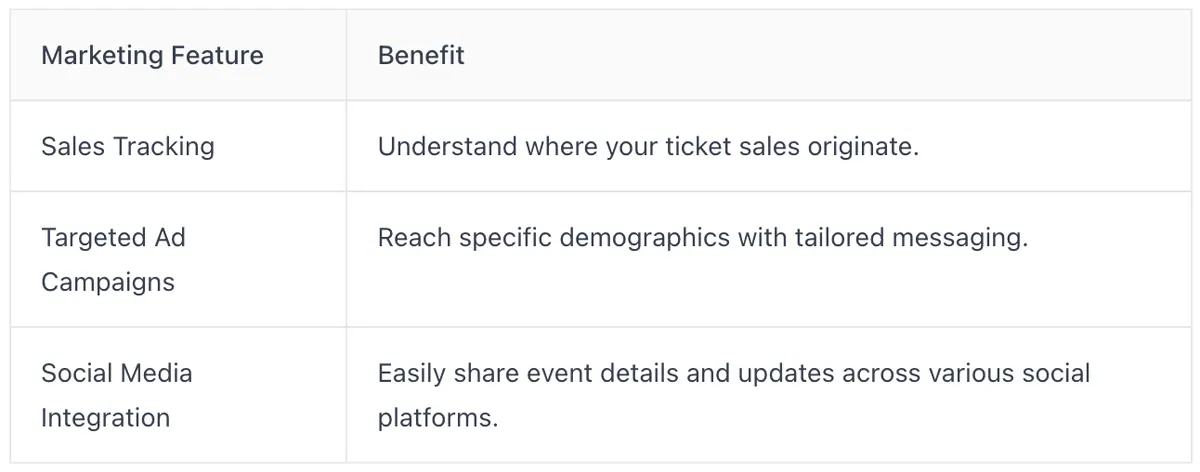
Ticketing platforms aren't just for selling tickets; they're also powerful marketing tools. You can use them to track where your sales are coming from, run targeted ad campaigns, and offer promo codes and discounts to boost sales. Plus, many platforms integrate with social media, making it easier to spread the word about your event. It's all about getting the right message to the right people at the right time.
Choosing the Right Ticketing Partner for Your Event

Okay, so you've made it this far. You know about costs, features, and all the fancy stuff a ticketing platform can do. Now comes the big question: how do you actually pick the right one? It's not as simple as just going with the first platform you see. It's about finding a partner that fits your specific needs and can grow with you.
Assessing Your Specific Event Needs
First things first: what kind of event are you running? A small, local concert in a park is going to have very different needs than a huge, multi-day music festival. Think about the size of your event, the type of audience you're expecting, and any unique requirements you might have. For example, do you need reserved seating? Do you need to sell merchandise alongside tickets? Make a list of everything you need before you start looking at platforms. This will help you narrow down your options and avoid getting distracted by features you don't actually need. Don't forget to consider your budget. How much can you realistically spend on a ticketing platform? This will also help you narrow down your choices. Consider these points:
- Event type (concert, conference, sports, etc.)
- Expected attendance
- Budget for ticketing
Evaluating Platform Scalability
Can the platform handle a sudden surge in ticket sales? What happens if your event becomes way more popular than you anticipated? You need a platform that can scale with you. Scalability is super important, especially if you're planning on growing your event in the future. Check if the platform has any limitations on the number of tickets you can sell or the number of attendees you can manage. Also, see if they have any plans for future growth and development. You don't want to be stuck with a platform that can't keep up with your success. Here's a quick checklist:
- Maximum tickets supported
- Server capacity during peak times
- Ability to handle multiple events simultaneously
Prioritizing Customer Support
Let's be real: things can and will go wrong. When they do, you need to know that you can get help quickly and easily. Good customer support is essential. Check what kind of support the platform offers. Do they have phone support, email support, or just a knowledge base? What are their response times like? Read reviews and see what other users have to say about their experiences with customer support. A ticketing platform with poor customer support can quickly turn into a nightmare, especially when you're dealing with a live event. Consider these support aspects:
- Availability (24/7, business hours, etc.)
- Response time guarantees
- Support channels (phone, email, chat, etc.)
Choosing a ticketing partner is a big deal. It's not just about selling tickets; it's about managing your event, providing a good experience for your attendees, and ultimately, making your event a success. Take your time, do your research, and choose wisely. The right ticketing partner can make all the difference. Don't hesitate to ask for demos or trials before committing to a platform. This will give you a chance to see how the platform works and whether it's a good fit for your needs. Also, don't be afraid to negotiate pricing or ask for custom features. Many platforms are willing to work with you to create a solution that meets your specific requirements. Remember to check out the top event ticketing platforms before making your final decision.
Key Considerations for Ticketing Solutions
When you're wading through the options for ticketing solutions, it's easy to get lost in the bells and whistles. But before you get distracted by fancy features, make sure you've nailed down the essentials. These are the things that can make or break your event, both for you and your attendees.
Security Features for Transactions
Security should be your top priority. You're handling sensitive financial information, and a breach can be devastating for your reputation and your attendees' trust. Look for platforms that offer:
- PCI DSS compliance: This is the gold standard for secure credit card processing.
- Encryption: Make sure all data is encrypted, both in transit and at rest.
- Fraud detection: The platform should have systems in place to identify and prevent fraudulent transactions.
It's easy to overlook security when you're focused on other features, but it's not something you can afford to compromise on. A secure platform protects your revenue and your attendees' data.
User-Friendly Interface for Organizers
Let's be real, you don't want to spend hours wrestling with a complicated system. An intuitive interface is a must-have for organizers. The event ticketing platform should:
- Make it easy to set up events: Adding event details, setting ticket prices, and managing inventory should be straightforward.
- Offer clear reporting: You need to be able to track sales, monitor attendance, and get insights into your event's performance.
- Provide simple ticket management: Issuing refunds, changing ticket types, and managing attendee information should be a breeze.
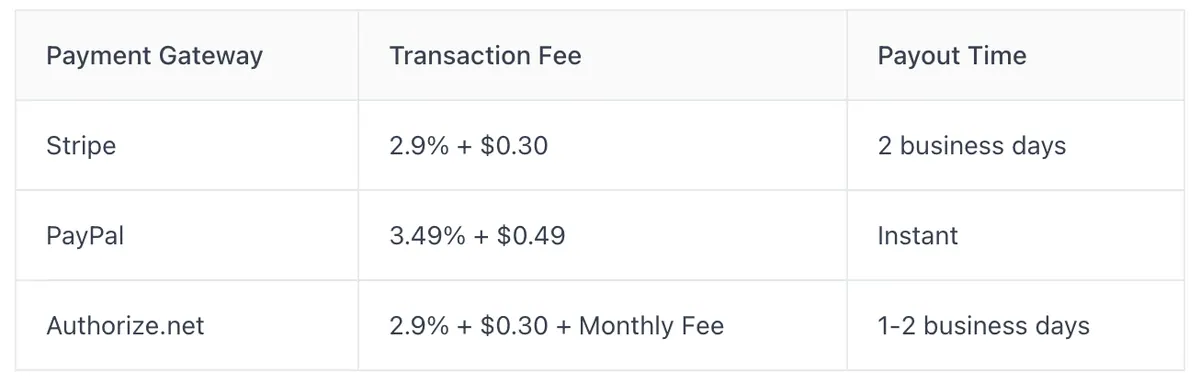
Integration with Payment Gateways
Your ticketing platform needs to play nice with the payment gateways your attendees use. This means offering a variety of options and ensuring a smooth checkout process. Consider these points:
- Multiple payment options: Credit cards, debit cards, PayPal, and other popular methods should be supported.
- Secure payment processing: The platform should use secure payment gateways to protect financial data.
- Easy payout options: You need to be able to easily withdraw your earnings from ticket sales. Make sure the platform offers convenient payout methods and reasonable fees.
Here's a quick look at how different payment gateways might affect your costs: