Getting people to buy tickets for your event can feel like a big ask sometimes. You want them to know it's going to be worth their time and money. That's where social proof comes in. Think of it as showing potential attendees that other people, just like them, have had a great time at your events or are excited to go. This can be anything from what others are saying online to how many tickets have already sold. It's all about building trust and showing that your event is popular and well-regarded, nudging those hesitant folks to click that buy button.
Key Takeaways
- Showcasing attendee experiences through user-generated content, like photos or short videos from past events, makes your event feel more real and relatable, encouraging others to join.
- Highlighting popular events by showing high sales numbers or large numbers of attendees can tap into the 'wisdom of the crowd,' making your event seem like the safe, popular choice.
- Using testimonials and reviews from happy attendees builds trust. Positive feedback from real people is often more convincing than any marketing message.
- Creating a sense of urgency with limited ticket availability or time-sensitive offers can prompt people to buy tickets sooner rather than later.
- Partnering with complementary brands or influencers can expose your event to new audiences, bringing in potential attendees who already trust these sources.
Leveraging User-Generated Content for Event Buzz

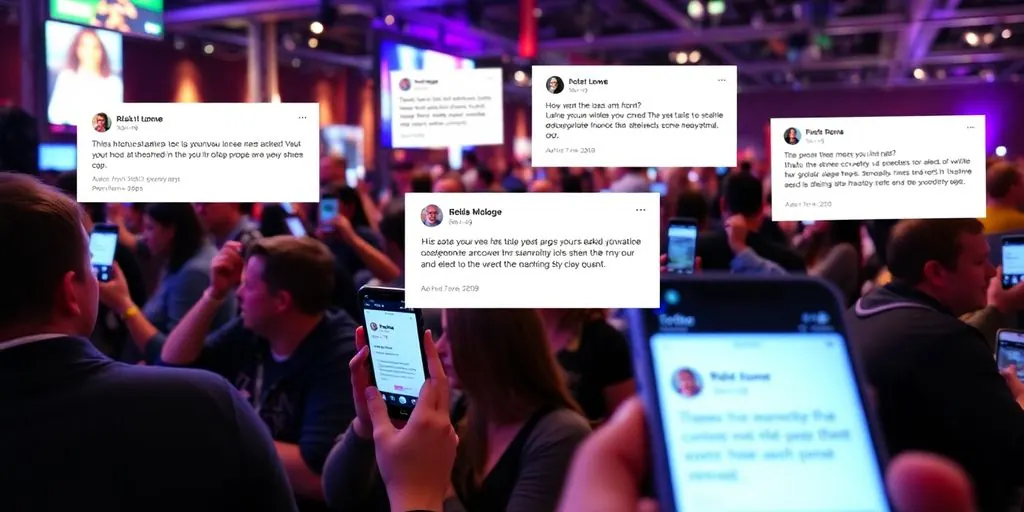
When people see others having a good time or finding value in something, they're more likely to want to join in. That's the core idea behind using user-generated content (UGC) to get people excited about your event. It’s basically letting your attendees do the talking for you, and honestly, it’s often more convincing than anything you could say yourself.
The Power of Peer Recommendations
Think about it: you're more likely to trust a recommendation from a friend than a slick advertisement, right? The same applies to events. When potential attendees see posts, photos, or videos from people who have actually been to your event, it feels real. It shows them what the atmosphere is like, who’s attending, and what kind of experience they can expect. This kind of authentic endorsement builds trust and makes people feel more confident about buying a ticket. It’s like having a whole group of happy customers vouching for you.
Showcasing Attendee Experiences
Don't just hope people will share their experiences; actively encourage it! Set up photo booths with fun props, create designated
Harnessing the Wisdom of the Crowd
When you're trying to get people excited about an event, sometimes the best way to do that is to show them that everyone else is already excited. It's like walking into a party, if it's packed and everyone's having a good time, you're way more likely to join in. The same idea applies to selling tickets. People naturally look to others to figure out what's good or what's worth their time, especially when they're not sure. This is where the 'wisdom of the crowd' comes into play.
Displaying High Sales Volume Indicators
Think about seeing a "Best Seller" tag on a product or a notice that says "Over 10,000 tickets sold." It immediately tells you that lots of people have already bought in. This isn't just about numbers; it's about collective validation. When you see that many people have made the same choice, it makes your own decision feel safer and more popular. For events, this could mean showing how many tickets have been snapped up, highlighting a "Most Popular" session, or even just a simple counter of attendees.
Highlighting Large User Bases
Similar to sales volume, a big user base signals widespread acceptance. If an event is backed by, say, "100,000+ fans" or "Trusted by thousands of attendees," it creates a sense of legitimacy and popularity. It suggests that the event has a proven track record and a significant following. This can be particularly effective for recurring events or those associated with a larger community or brand. It’s a way of saying, "You’re not alone in wanting to be here."
Showcasing Community Forum Engagement
Beyond just numbers, the activity within a community can be a powerful social proof. If your event has an active forum, a busy social media group, or a dedicated online space where people discuss it, that's gold. Seeing lots of posts, questions being answered, and people sharing their excitement shows a vibrant, engaged audience. It indicates that the event isn't just a one-off thing but something people are actively invested in and talking about. This kind of interaction can really build anticipation and make potential attendees feel like they're joining a movement. You can encourage this by creating event-specific groups or forums where people can connect before the event even starts. It’s a great way to see user-generated content in action, which we know is super helpful in building buzz.
The core idea here is that people trust what other people are doing. When you can show that a lot of others are interested, buying tickets, or talking about your event, it makes it much more appealing and less risky for newcomers. It's a simple psychological nudge that can make a big difference in ticket sales.
Building Trust Through Testimonials and Reviews
The Impact of Customer Testimonials
Think about the last time you bought something online. Chances are, you scrolled down to see what other people thought, right? That’s because testimonials are like a digital handshake, they show real people have had good experiences with a product or service. For events, this means potential attendees can see that others found value, had fun, or learned something useful. It’s not just about saying your event is great; it’s about showing it through the words of people who were actually there. This kind of feedback builds a bridge of trust, making people feel more comfortable clicking that 'buy ticket' button.
Utilizing Online Reviews and Ratings
Online reviews are everywhere these days, from Google to Yelp to industry-specific sites. For events, these platforms act as a public ledger of attendee satisfaction. When people see a consistent stream of positive ratings and thoughtful reviews, it signals reliability and quality. It’s important to encourage attendees to leave reviews after your event. You can even make it easy by sending a follow-up email with a direct link. Remember, even a few detailed reviews can be more impactful than a hundred generic ones. People look for specifics, what did they enjoy? What made it memorable? Providing this kind of detail helps future attendees picture themselves at your event.
The Value of Case Studies and Success Stories
While testimonials are often short and sweet, case studies and success stories go deeper. They tell a narrative about how an event solved a problem, provided a unique experience, or led to tangible outcomes for attendees. For B2B events, for example, a case study might detail how a specific workshop helped a company increase its revenue or how networking at the event led to a major partnership. These stories are powerful because they demonstrate real-world impact and return on investment. They show potential attendees not just that the event was good, but that it was transformative. Sharing these detailed accounts can really set your event apart and convince those on the fence.
Building trust isn't just about having good reviews; it's about actively collecting, showcasing, and responding to feedback. This ongoing engagement shows potential attendees that you care about their experience and are committed to delivering a quality event every time. It creates a cycle of continuous improvement and validation that fuels ticket sales.
Creating Urgency and Scarcity for Ticket Sales
Sometimes, you just need to give people a little nudge to get them to buy tickets. That’s where creating a sense of urgency or scarcity comes in handy. It’s all about making potential attendees feel like they might miss out if they don’t act fast. This isn't about being pushy, but rather about highlighting genuine limitations or time-sensitive opportunities.
Implementing Limited Seat Availability
One of the most straightforward ways to create scarcity is by showing how many tickets are left. When people see that only a few spots remain, they often feel a stronger pull to purchase before it’s too late. This taps into that common fear of missing out, or FOMO. You can display this information directly on your event page or in your promotional materials. For example, a simple message like “Only 15 tickets left!” can be quite effective. It’s important to be honest about these numbers, of course. If you’re not actually close to selling out, don’t say you are, that can backfire. But when seats are genuinely limited, it’s a powerful motivator.
Leveraging Flash Sales and Time-Sensitive Offers
Flash sales are fantastic for generating a quick burst of ticket sales. These are typically short-term discounts or special offers that are only available for a limited time, maybe 24 or 48 hours. The key here is the time limit. It encourages people who have been on the fence to make a decision quickly. You can announce these sales through email lists, social media, and even website banners. Make sure the offer is clear and the deadline is prominent. This approach can also work well for early-bird pricing, where tickets are cheaper for a set period before the price goes up.
Utilizing Countdown Graphics Effectively
Visual cues can be incredibly powerful. Countdown graphics, like “Only 3 days left!” or “Sale ends in 24 hours!”, grab attention and constantly remind people of the approaching deadline. These can be simple images posted on social media, animated graphics on your website, or even countdown timers embedded in emails. When people see that clock ticking down, it reinforces the urgency. It’s a visual representation of the limited time they have to secure their tickets. Make sure these graphics are eye-catching and easy to understand, so they stand out in a busy feed or webpage. This strategy can help drive those last-minute sales and ensure your event reaches its capacity. For more on strategies to boost sales without cutting prices, check out this guide on increasing ticket sales.