Putting on an event can be a lot of work, and making sure money changes hands without a hitch is a big part of it. When your event payment processing is set up well, it just makes everything smoother for both you and the people buying tickets. No one wants a headache when they're trying to sign up or pay.
Key Takeaways
- Get your money faster and with less fuss after sales.
- Keep everyone's money details safe with strong security.
- Let people pay how they want, with different options.
- Make sure payment tools connect well with your other event programs.
- Use sales information to make smart choices for future events.
Optimizing Event Payment Processing Efficiency
Accelerated Fund Access
Getting your hands on the money you've earned should be quick and easy. Traditional payment systems often involve delays, which can impact your ability to reinvest in marketing or cover immediate expenses. Modern event payment solutions prioritize accelerated fund access, ensuring that you receive your revenue promptly. This improved cash flow allows for better financial planning and the ability to seize opportunities as they arise. It's about having the financial flexibility to manage your event effectively. Think of it as getting paid faster, so you can do more, sooner. This is a big deal for smaller events that rely on quick turnaround to keep things running smoothly.
Automated Payout Schedules
Managing payouts manually can be a real headache, especially when dealing with multiple vendors, staff, or partners. Automated payout schedules take the guesswork out of the process. You set the schedule once, and the system handles the rest, ensuring everyone gets paid on time, every time. This not only saves you valuable administrative time but also builds trust and strengthens relationships with your collaborators. It's a win-win. Plus, you can easily track all payouts in one place, making reconciliation a breeze. This is especially useful if you're using registration payment solutions.
Reduced Administrative Burden
Let's face it: event planning involves a ton of paperwork and administrative tasks. Streamlining payment processing can significantly reduce this burden. By automating tasks like invoicing, payment reminders, and reconciliation, you free up your time to focus on more important aspects of event management, such as marketing, attendee engagement, and creating a memorable experience. Less time spent on paperwork means more time spent on making your event a success.
Real-Time Financial Reporting
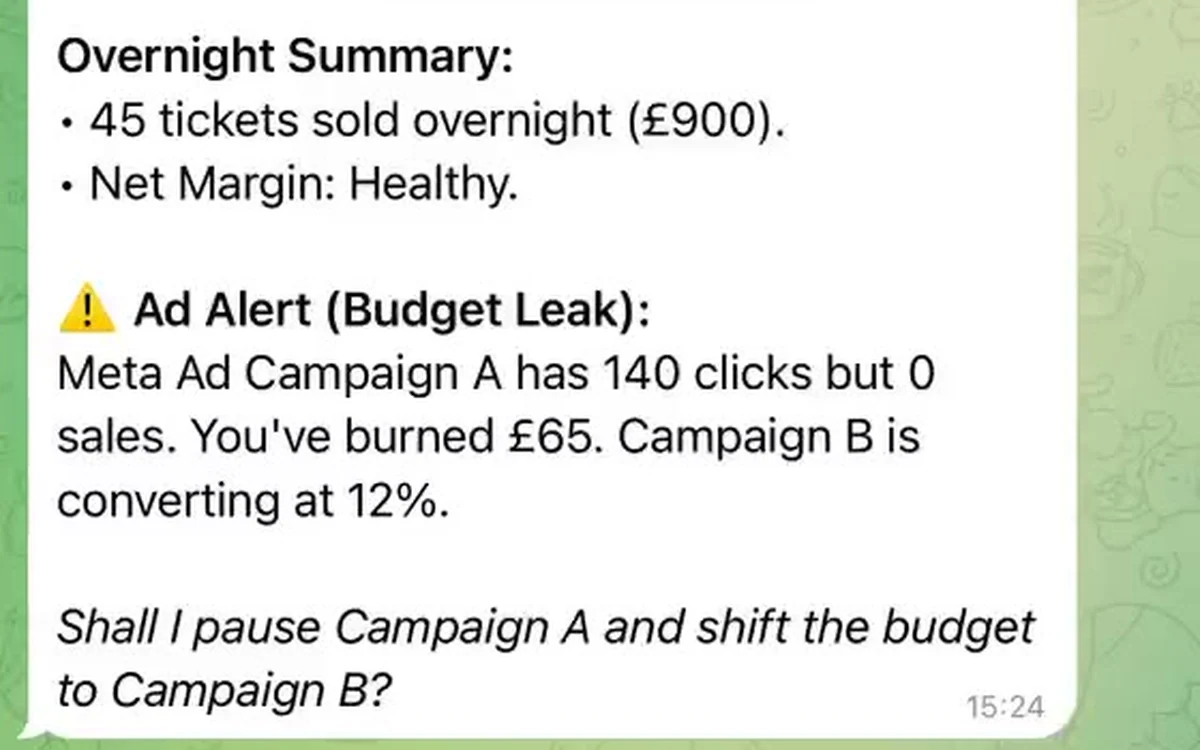
Knowing where your money is going and coming from is essential for effective event management. Real-time financial reporting provides you with up-to-the-minute insights into your revenue, expenses, and profitability. This allows you to make informed decisions on the fly, adjust your strategies as needed, and maximize your return on investment. No more waiting for end-of-month reports; you have the data you need at your fingertips.
Having access to real-time financial data is like having a financial GPS for your event. It helps you stay on course, avoid potential pitfalls, and reach your destination successfully.
Ensuring Secure Event Payment Transactions
It's super important to keep event payments safe and sound. No one wants their money or personal info stolen, right? So, let's talk about how to make sure everything stays secure when people are paying for your event.
Robust Fraud Protection Measures
Having strong fraud protection is a must. Think of it like having a really good security system for your event's money. You need systems that can spot weird activity and stop fake transactions before they happen. This protects both you and your attendees. It's about using tools that constantly monitor payments and flag anything suspicious. This way, you can ensure a safe event for everyone involved.
PCI DSS Compliance Standards
PCI DSS compliance? Yeah, it sounds boring, but it's actually really important. It's basically a set of rules that everyone has to follow to keep credit card data safe. If you're taking credit card payments, you have to be compliant. It shows that you're serious about security and that you're following industry best practices. It's not just a suggestion; it's the law for many businesses.
Encrypted Data Handling
Encryption is like putting everything in a secret code. When you encrypt data, it scrambles it up so that if someone steals it, they can't actually read it. This is super important for payment info. You need to make sure that all payment data is encrypted, both when it's being sent and when it's being stored. It's a basic step, but it makes a huge difference.
Protecting Attendee Information
It's not just about the money; it's about all the personal info people give you when they register. Names, addresses, email addresses, all of that needs to be protected. You need to have policies in place to make sure that this data is stored securely and that only authorized people can access it. It's about respecting your attendees' privacy and building trust.
Securing event payments isn't just about avoiding fraud; it's about building trust with your attendees. When people feel safe giving you their money and personal information, they're more likely to come back to your events in the future. It's an investment in your event's long-term success.
Offering Flexible Event Payment Options
It's 2025, and people expect options. When it comes to paying for events, one size definitely doesn't fit all. Offering a variety of payment methods and plans can significantly boost attendance and improve the overall experience. Let's face it, the more convenient you make it for people to pay, the more likely they are to attend.
Diverse Payment Method Acceptance
Gone are the days of only accepting cash or check. Today's attendees expect to pay with credit cards, debit cards, and digital wallets like Apple Pay and Google Pay. The more options you provide, the easier it is for people to complete their purchase. It's also a good idea to consider local payment methods that are popular in your target audience's region. This can open up your event to a wider range of attendees.
Multi-Currency Support
If you're hosting an event that attracts attendees from around the world, multi-currency support is a must. Allowing people to pay in their local currency makes the purchase process much smoother and avoids those pesky conversion fees that can deter potential attendees. It shows that you're thinking about their needs and are committed to providing a positive experience. Plus, it can significantly increase your international ticket sales.
Installment Payment Plans
For higher-priced events, offering installment payment plans can be a game-changer. Breaking down the cost into smaller, more manageable payments makes the event more accessible to a wider audience. Think about it: a $500 conference ticket might be out of reach for some, but five monthly payments of $100? Much more doable. This is especially helpful for students or those on a tight budget. It's a win-win: you get more attendees, and they get to attend your awesome event without breaking the bank.
Online and Offline Capabilities
While online payments are the norm, don't forget about those who prefer to pay offline or manual payment processing. Offering options like cash or check payments, especially for local events, can cater to a different demographic. It might seem old-fashioned, but it can be a valuable way to reach people who aren't comfortable with online transactions or who simply prefer to pay in person. Plus, it can reduce your reliance on online payment processors and their associated fees.
Providing a range of payment options isn't just about convenience; it's about inclusivity. It's about making your event accessible to as many people as possible, regardless of their preferred payment method or financial situation. By offering flexible payment options, you're not just increasing ticket sales; you're building a more diverse and engaged community around your event.
Integrating Event Payment Processing Seamlessly

It's super important that your event payment system plays nice with everything else you're using. Think of it like this: if your payment system and your event management software are constantly fighting, you're going to have a bad time. Let's look at how to make it all work together.
Compatibility with Event Management Systems
Your payment processor should be best friends with your event management systems. It needs to fit right in, so you don't have to jump through hoops to get data from one place to another. This means no more manual data entry, fewer errors, and a lot less stress. It's all about making things easier for you and your team.
Branded Checkout Experiences
Keep your brand consistent, even during checkout. You don't want attendees to feel like they've been redirected to some random, sketchy website when they're trying to pay. A branded checkout builds trust and makes the whole process feel more professional. It's a small detail that can make a big difference.
Mobile-Responsive Payment Flows
Let's be real, everyone's on their phones. If your payment process isn't smooth on mobile, you're losing sales. Make sure your payment forms look good and work well on any device. Mobile-responsiveness is not optional; it's a must-have.
Custom API Integrations
Sometimes, you need something super specific. That's where custom API integrations come in. If you've got unique needs, an API lets you connect your payment system to other tools in a way that's tailored just for you. It might sound complicated, but it's worth it for the flexibility it gives you.
Integrating your payment processing isn't just about convenience; it's about creating a cohesive and professional experience for your attendees. When everything works together seamlessly, it reflects well on your event and makes people more likely to come back next time.
Here's a quick rundown of why integration matters:
- Reduces errors and manual work
- Improves the attendee experience
- Gives you more control over your data
Leveraging Data for Event Payment Insights