Planning a good event can be tricky. You want people to have a great time, and you want everything to go smoothly. But how do you really know what's working and what's not? That's where something called "Analytics for event planning" comes in. It's all about using information to make smarter choices. This article will show you how looking at data can help make your events much better, from getting the word out to making sure everyone has fun.
Key Takeaways
- Event analytics helps you understand what's happening at your event, like who's coming and what they like.
- Using data lets you spend your marketing money wisely, making sure your ads actually reach the right people.
- You can make events more personal and fun for attendees by knowing what they prefer.
- Analytics helps you learn from each event so the next one can be even better.
- Having real-time data means you can fix problems fast during an event, keeping everyone happy.
Understanding Event Analytics: Unveiling the Power of Data
The Power of Analytics in Event Planning
Okay, so you're planning an event. Cool. But are you really planning it, or just kinda winging it? That's where analytics comes in. It's not just about counting heads; it's about understanding what those heads are thinking and doing. Think of it as your event's secret weapon. You can use audience’s behavior to make better decisions.
- Figure out what people actually want.
- Stop wasting money on stuff that doesn't work.
- Make your events way more awesome.
Enhancing Attendee Experience: Understanding Behavior
Let's be real, nobody wants to go to a boring event. Analytics helps you make sure that doesn't happen. By tracking attendee behavior, you can see what sessions are popular, what networking events are a hit, and where people are dropping off. This isn't just about knowing what happened, but why. Did people leave early because the coffee was bad? Was the speaker a snooze-fest? Data will tell you.
Analytics is like having a conversation with your attendees, even when they're not saying a word. It's about listening to their actions and using that information to create an event they'll actually enjoy.
Effective Resource Management
Events cost money, sometimes a lot of money. Analytics can help you make sure you're not throwing cash down the drain. By tracking resource usage, you can see where you're overspending and where you can cut back. Maybe you don't need as many volunteers at registration, or perhaps you're ordering way too much food. Data helps you make smart choices, so you can focus your budget on the things that matter most. It's about being efficient and making every dollar count. Resource allocation is key.
Optimizing Marketing Strategies with Analytics
Targeted Approach to Budgeting
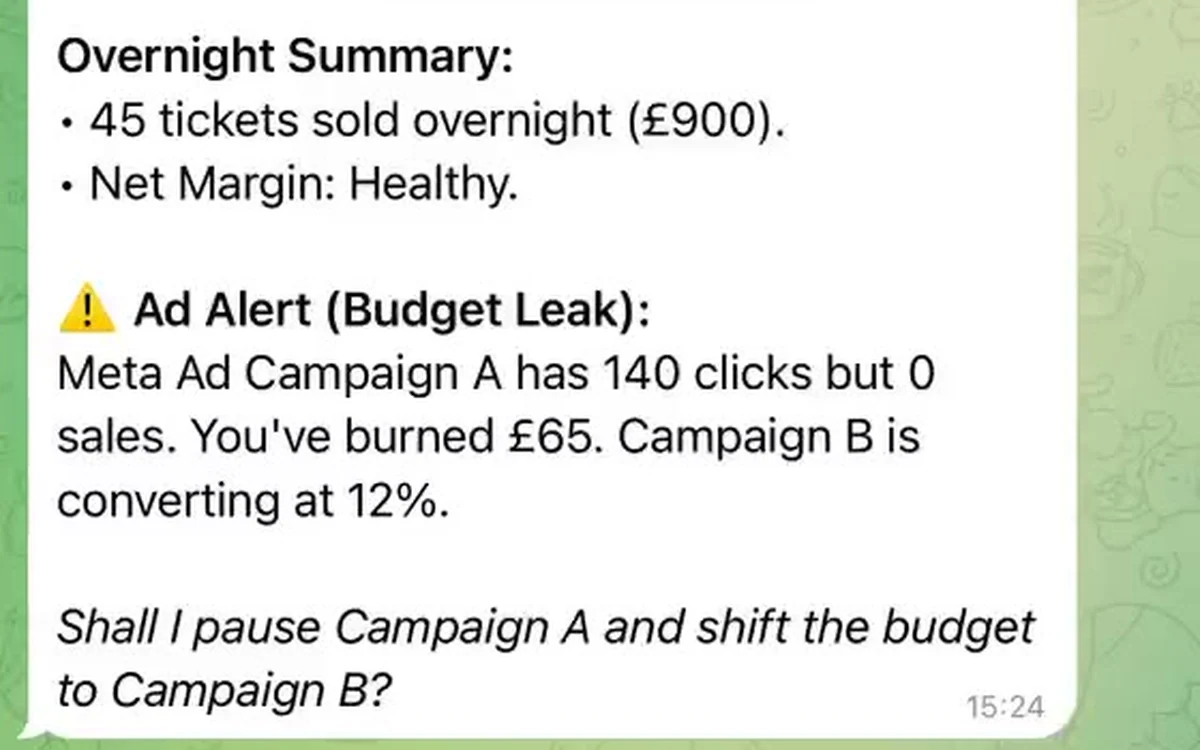
Analytics helps you spend your marketing money smarter. Instead of guessing where to put your budget, you can see which channels actually bring in attendees. This means less wasted money and more people at your event. It's about making every dollar count by focusing on what really works. For example, if social media ads aren't performing well, you can shift that budget to email campaigns or other promotional avenues that show better results. This precision in resource allocation ensures that your marketing efforts are as effective as possible.
Identifying Effective Marketing Channels
Knowing where your attendees are coming from is key. Are they finding out about your event through social media, email, or somewhere else? Analytics can tell you. By tracking where people click and how they find your event, you can focus on the channels that bring in the most attendees. This data-driven approach helps you refine your marketing strategies and maximize your reach.
- Track click-through rates from different channels.
- Analyze conversion rates to see which channels lead to registrations.
- Use attribution modeling to understand the entire attendee journey.
Understanding which marketing channels are most effective is not just about knowing where people are coming from; it's about understanding their behavior and preferences. This insight allows you to tailor your messaging and content to better resonate with your target audience, ultimately driving more registrations and engagement.
Maximizing Return on Investment
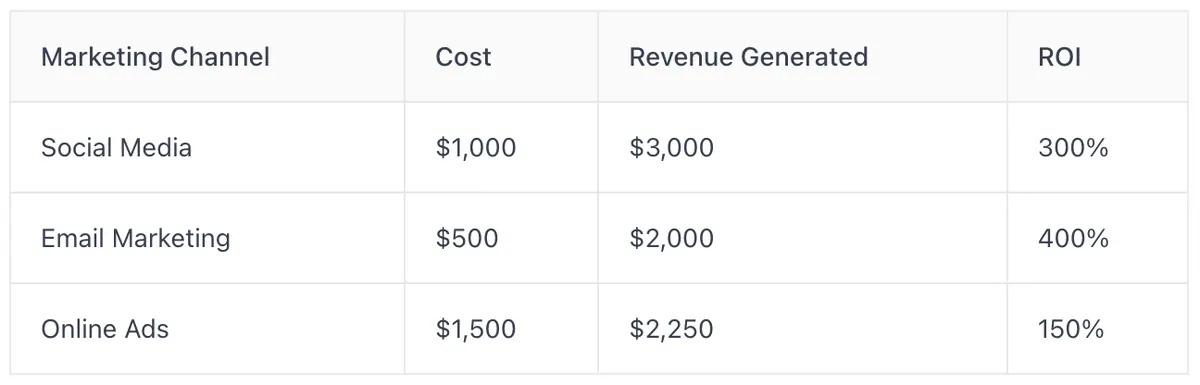
It's not enough to just get people to your event; you need to make sure your marketing efforts are worth the cost. Analytics helps you measure the return on investment (ROI) of your marketing campaigns. By comparing the money you spend on marketing to the revenue you generate from ticket sales and sponsorships, you can see if your marketing is paying off. This information helps you make better decisions about where to invest your marketing budget in the future. You can use event marketing strategies to enhance your events program.
Enhancing Attendee Experience Through Data

It's no secret that events are all about the people who attend them. So, how do you make sure they have a great time? Data, that's how! Let's look at how digging into attendee data can seriously improve their experience.
Tracking Attendee Interactions
Think about all the ways attendees interact with your event: registration, session attendance, networking, even social media posts. Tracking all this gives you a goldmine of info. For example:
- Which sessions were packed? Which were empty?
- Who's actively participating in Q&A?
- What are people saying about the event online?
This isn't just about collecting numbers; it's about understanding what people are interested in and what they're getting out of the event. This understanding is key to making improvements.
Personalizing Event Experiences
Generic events are boring. People want something that feels like it was made just for them. With the data you've collected, you can start personalizing things. Here's how:
- Suggest relevant sessions based on their interests.
- Send targeted emails with content they'll actually care about.
- Offer personalized networking opportunities.
By using data to tailor the event to each attendee, you're showing them that you value their time and interests. This makes them more likely to have a positive experience and come back next year.
Optimizing Event Flow
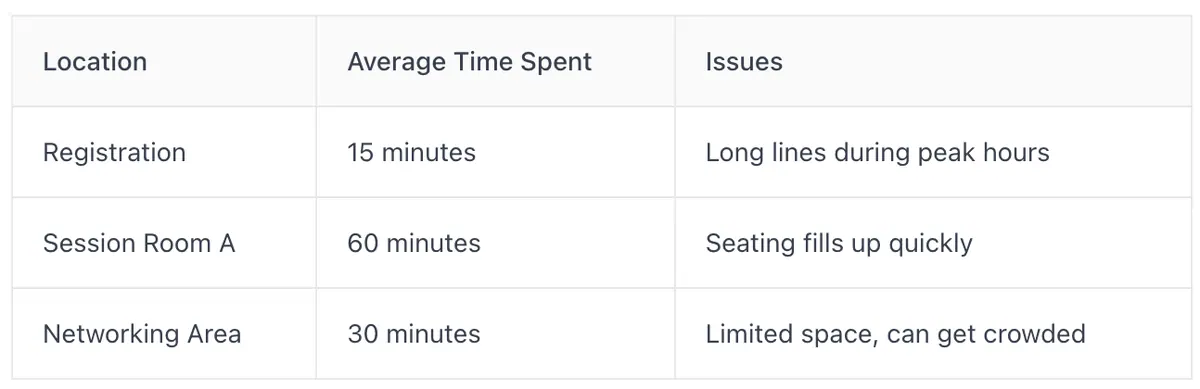
Ever been to an event where the lines were too long, or it was hard to find your way around? That's a sign of poor event flow. Data can help fix this. By tracking how people move around the venue, you can identify bottlenecks and areas for improvement. For example:
- Are people spending too much time in registration?
- Is it easy to find the restrooms and food vendors?
- Are there enough seating areas in popular sessions?
Here's a simple table showing how you might track attendee movement: