Planning events and work schedules can be tricky, especially when you want everyone to be able to join in. One big thing to keep in mind is religious holidays. Sometimes, these days are set in stone, like Christmas, but other times, they move around on the calendar, like some Jewish or Islamic holidays. Not thinking about these dates can lead to a real religious holiday scheduling conflict, meaning people might miss out or have to choose between work and their beliefs. But don't worry, with a little bit of planning, we can make sure everyone feels included and no one has to miss an important event.
Key Takeaways
- Know the difference between holidays that are always on the same date and those that change each year.
- Make a calendar that includes all major religious holidays to help with planning.
- Try to make things easy for people of different faiths, like having quiet spaces or food options.
- If there's a scheduling problem, talk to people and find ways to work around it.
- Teach everyone in your group about different religious days and why they matter.
Understanding Religious Observances
Fixed Versus Floating Holidays
Religious holidays come in two main types: fixed and floating. Fixed holidays always fall on the same date each year, like Christmas on December 25th. Floating holidays, on the other hand, change each year because they're based on different calendars, such as the lunar calendar. Understanding this difference is key to planning. For example, Easter's date varies, impacting when related events like Good Friday and the start of Lent occur. Knowing whether a holiday is fixed or floating helps you anticipate potential scheduling conflicts well in advance. A DEI Observance Calendar can be a great help here.
Impact on Attendance
Religious observances can significantly impact attendance at work or events. Some holidays require adherents to take the entire day off for prayer, reflection, or community gatherings. Others might only require a few hours for worship or specific activities. It's important to recognize that the level of observance can vary greatly among individuals, even within the same faith. Being aware of these potential impacts allows for better planning and reduces disruptions. Consider that some employees might need to leave early, arrive late, or take extended breaks during certain religious periods. This is especially true for major holidays like Yom Kippur or Ramadan, where fasting and prayer are central.
Consulting Knowledgeable Sources
To truly understand the nuances of different religious observances, it's essential to consult knowledgeable sources. This could involve speaking directly with employees who practice a particular faith, reaching out to religious leaders in the community, or utilizing reputable online resources. Don't rely solely on assumptions or stereotypes. Direct communication is always best. Many organizations find it helpful to create an internal advisory group representing various faiths to provide guidance on religious matters. Remember, religious time off is a sensitive topic, and approaching it with respect and a willingness to learn is crucial.
It's also a good idea to keep an eye on what other companies in your industry are doing. For example, in the tech world, no one schedules a major event on the same day Apple is launching a new product. Similarly, being aware of major religious holidays can help you avoid unintentional conflicts and show respect for your employees' beliefs.
Proactive Calendar Management
Creating a Comprehensive Religious Calendar
It's easy to overlook religious holidays when planning events, but doing so can really impact attendance and inclusivity. The first step is to build a calendar that includes a wide range of religious observances. This isn't just about the major holidays you already know; it's about digging deeper to include lesser-known but still important dates for various faiths. Think of it as a master schedule that helps you avoid unintentional conflicts. You can start by marking fixed dates, like Christmas, but don't forget the floating holidays that change each year based on lunar cycles or other calculations.
Early Planning for Event Scheduling
Once you have a solid calendar, the key is to use it early and often. Don't wait until the last minute to schedule events. Start planning well in advance, giving yourself plenty of time to check for potential conflicts. This is especially important for large events or meetings that require significant coordination. By planning early, you also give yourself more flexibility to reschedule if needed. Here's a simple checklist to follow:
- Create a preliminary event schedule.
- Cross-reference with your religious calendar.
- Identify any potential conflicts.
- Adjust the schedule as needed.
Leveraging External Resources
Creating and maintaining a religious calendar can seem daunting, but you don't have to do it alone. There are many external resources available to help. Consider using online religious calendars, consulting with religious leaders, or even working with diversity and inclusion consultants. These resources can provide valuable insights and help you avoid cultural missteps. For example, company holiday policies should be reviewed against major religious observances to ensure employees have adequate time off. Also, remember that different religions have different rules about work, fasting, and other activities.
It's important to remember that religious observances are deeply personal and meaningful to many people. By taking the time to plan ahead and be respectful of different faiths, you can create a more inclusive and welcoming environment for everyone.
Fostering Inclusive Environments
It's not just about avoiding clashes; it's about creating a space where everyone feels respected and valued. This means going beyond the bare minimum and actively working to build an inclusive environment. It's about making sure everyone feels like they belong, regardless of their background or beliefs.
Accommodating Diverse Faiths
Recognizing and respecting the diverse religious beliefs of employees is paramount. This goes beyond simply acknowledging holidays. It involves understanding the nuances of different faiths and how they might impact an individual's needs in the workplace. For example, some faiths may have specific prayer times or dietary restrictions. Being aware of these needs and making reasonable accommodations shows a commitment to inclusivity. Consider creating an interfaith ERG to promote understanding.
- Offer flexible scheduling options to accommodate prayer times or religious observances.
- Provide a designated quiet space for prayer or meditation.
- Be mindful of language and imagery used in company communications to avoid unintentional offense.
It's important to remember that religious beliefs are deeply personal. Creating an inclusive environment requires sensitivity, understanding, and a willingness to learn.
Providing Prayer and Meditation Spaces
Having a dedicated space for prayer or meditation can make a big difference. It shows that the organization values the spiritual well-being of its employees. The space doesn't need to be elaborate; a quiet, clean room free from distractions is often sufficient. Accessibility is key.
- Ensure the space is easily accessible to all employees.
- Maintain a clean and respectful environment.
- Consider providing resources such as prayer rugs or meditation cushions.
Considering Dietary Needs
Dietary restrictions are a common aspect of many religions. Being mindful of these needs when planning company events or providing meals is a simple yet effective way to show respect. It's not just about providing vegetarian options; it's about understanding the specific requirements of different faiths, such as halal or kosher. When planning company events, make sure to ask about dietary accommodations in advance.
- Clearly label all food items with ingredients and potential allergens.
- Offer a variety of options to accommodate different dietary needs.
- Work with caterers who are experienced in preparing meals that meet specific religious requirements.
Navigating Scheduling Conflicts
It happens. Despite our best efforts, sometimes events clash with religious observances. The key is how we handle these situations. It's not about perfection, but about showing respect and a willingness to adapt.
Prioritizing Religious Observances
When a conflict arises, religious observances should generally take precedence. This doesn't mean shutting down everything, but it does mean being flexible and understanding. Consider the impact of your event on those who observe the holiday. Is it possible for them to participate fully in both? If not, adjustments may be necessary. It's about finding a balance that respects everyone's needs. For example, unionized employees often have specific rights regarding religious holidays.
Strategies for Rescheduling Events
Rescheduling isn't always easy, but it's often the best solution. Here are a few things to consider:
- Check the calendar: Before setting a new date, double-check for other potential conflicts. Use a comprehensive religious calendar to avoid repeating the same mistake.
- Communicate with stakeholders: Talk to those who will be affected by the change. Get their input and try to find a date that works for most people.
- Offer alternatives: If rescheduling isn't possible, consider offering alternatives, such as recording the event or providing materials online. This allows people to participate even if they can't attend in person.
Communicating with Participants
Communication is essential when dealing with scheduling conflicts. Be transparent about the situation and explain why the change is necessary. A simple apology can go a long way.
Acknowledge the conflict, explain the steps you're taking to address it, and offer solutions. This shows respect for everyone's beliefs and helps to maintain a positive and inclusive environment.
Organizational Best Practices
Implementing Company-Wide Policies
It's a good idea to have clear, written policies about religious accommodations. These policies should outline how employees can request time off or other accommodations for religious observances. Make sure the policies are easy to find and understand. It's also important to apply these policies consistently across the board. No one should feel like they're being treated unfairly.
Training Staff on Religious Sensitivity
Training is super important. You can't expect everyone to just know about every religion. Training sessions can help your staff:
- Understand different religious beliefs and practices.
- Recognize potential conflicts.
- Learn how to respond respectfully to accommodation requests.
- Avoid unintentional discrimination.
Regular training can really cut down on misunderstandings and create a more welcoming place for everyone.
Building a Culture of Inclusivity
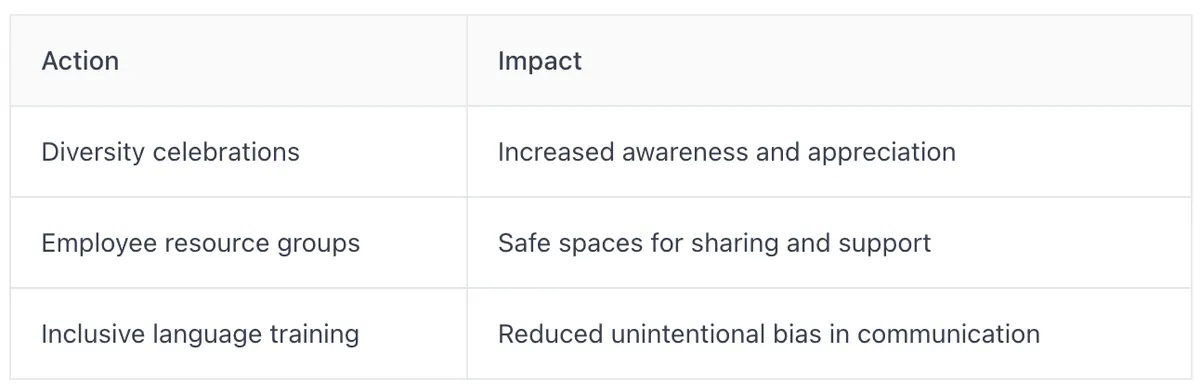
This is more than just policies; it's about the overall vibe. Here are some ideas:
- Encourage open communication about religious needs.
- Celebrate religious diversity through events or displays.
- Actively seek feedback from employees about how inclusive the workplace feels.
Addressing Employee Accommodations
Handling Time-Off Requests
When religious holidays roll around, you're bound to get time-off requests. It's just part of the deal. The key is to have a clear, fair system for dealing with them. First, make sure everyone knows how to submit a request and what the deadlines are. It's also a good idea to have a policy that addresses how these requests are prioritized, especially when multiple people want the same days off. Can you believe I once saw a company handle it with a lottery system? It sounds crazy, but it was actually pretty fair. Remember, religious accommodations are a right, not a privilege, so treat them with respect.
Facilitating Shift Swaps
Shift swaps can be a lifesaver when it comes to accommodating religious observances. Let's say an employee needs to be off for a particular holiday. Allowing them to swap shifts with a coworker can be a win-win. The employee gets the time off they need, and the company doesn't have to scramble to find coverage. Of course, you need to make sure that employees are qualified to cover each other's shifts. You don't want someone who's never worked in the kitchen suddenly trying to run the fry station. Also, keep an eye on overtime. You don't want to accidentally create a situation where someone is working way too many hours. Flexibility is key here.
Balancing Business Needs with Religious Freedom
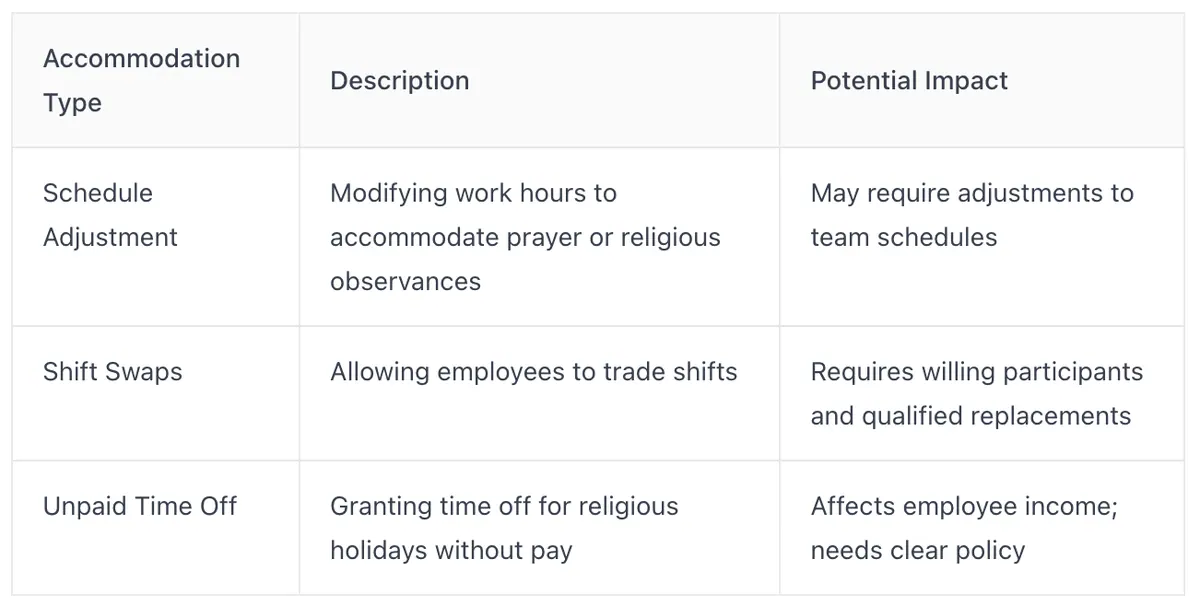
Okay, this is where things can get tricky. You've got business needs to think about, but you also need to respect your employees' religious freedom. It's a balancing act. The law requires employers to provide reasonable accommodations for religious practices, unless it would cause undue hardship to the business. What does that mean in practice? Well, it depends. Maybe you can adjust someone's schedule, allow them to swap shifts, or let them take unpaid time off. The important thing is to have an open conversation with the employee and try to find a solution that works for everyone.
It's important to remember that what constitutes an "undue hardship" can vary depending on the size and nature of your business. A small business might have a harder time accommodating certain requests than a large corporation. Document everything, and if you're unsure, seek legal advice.
Here's a simple table to illustrate potential accommodations:
Accommodation Type
Here are some things to keep in mind:
- Be proactive: Don't wait until the last minute to address these issues.
- Communicate openly: Talk to your employees and understand their needs.
- Document everything: Keep a record of all requests and accommodations.
Collaborating with Community Stakeholders